


Primary sourceDocument1945–1946
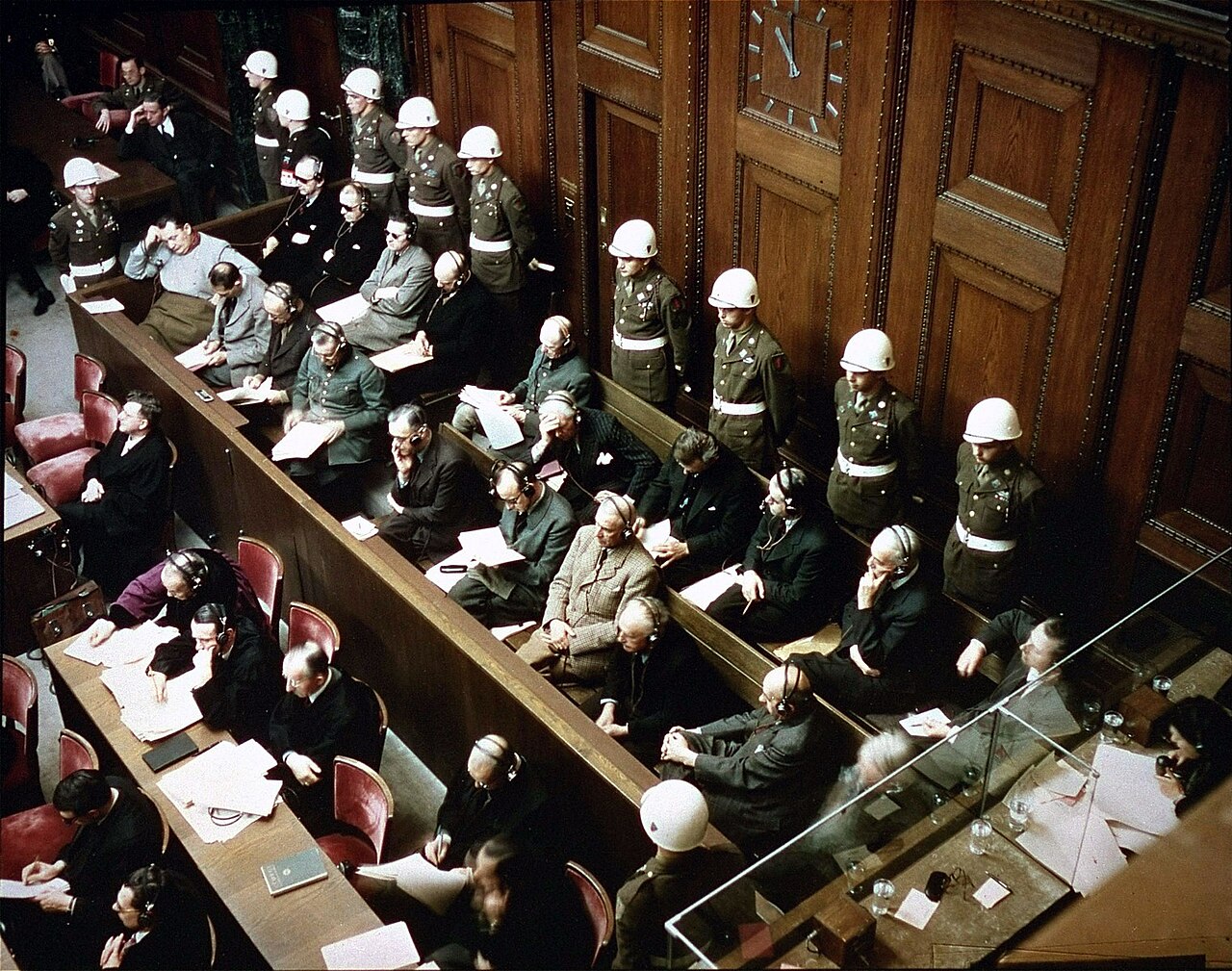
Nuremberg Trials Record
1945–1946
The official record of the postwar tribunal that tried Nazi leaders, including the proceedings that led to Schacht's acquittal.
The tribunal tried and ultimately acquitted Schacht, a verdict that remains debated, with a dissent against it.
Free Humy account · No credit card · 120,912 sources to read
About this source
What it is
The Nuremberg trials were international military tribunals held between 1945 and 1946 by France, the Soviet Union, the United Kingdom and the United States against leading figures of Nazi Germany. The surviving documents include the London Charter establishing the court, the indictments, and the judgement, held at the Palace of Justice in Nuremberg.
Why it matters
Hjalmar Schacht was one of the defendants tried before the tribunal; he was acquitted, though a Soviet judge dissented from that verdict. The trials were meant to establish evidence of Nazi crimes and to hold individuals, not just states, responsible under international law. Schacht's case became central to debates about how much economic officials bore responsibility for enabling rearmament and aggression.
Look closer
- Why might judges from different Allied countries disagree about Schacht's guilt?
- What does the acquittal tell you about the difficulty of judging economic, rather than military, roles in Nazi crimes?
- What does the tribunal's purpose—establishing a historical record as well as punishing individuals—tell you about its aims?
This document is part of the curated material that grounds the AI version of Hjalmar Schacht and Karl Dönitz on Humy.ai — when students ask about related events, the AI can quote it and cite it.
More Hjalmar Schacht sources
Browse all 36 →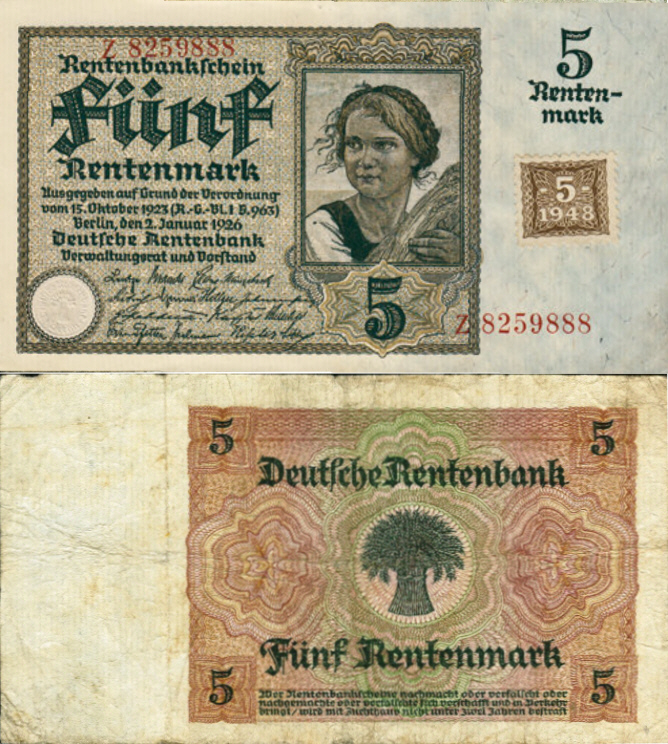 Artifact
Primary source
Rentenmark
1923–1948
 Photograph
Primary source
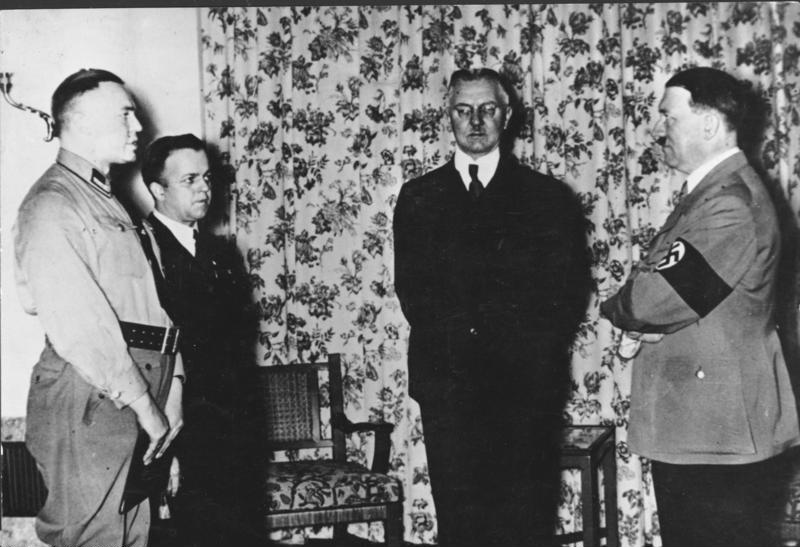
Hjalmar Schacht and Adolf Hitler
Unknown · 1934
Secondary source
Judgement of the International Military Tribunal at Nuremberg
1946
 Photograph
Primary source
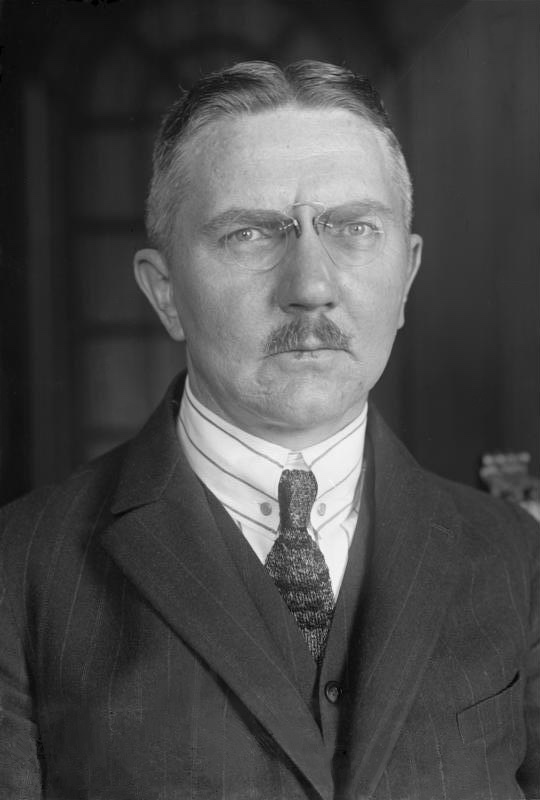
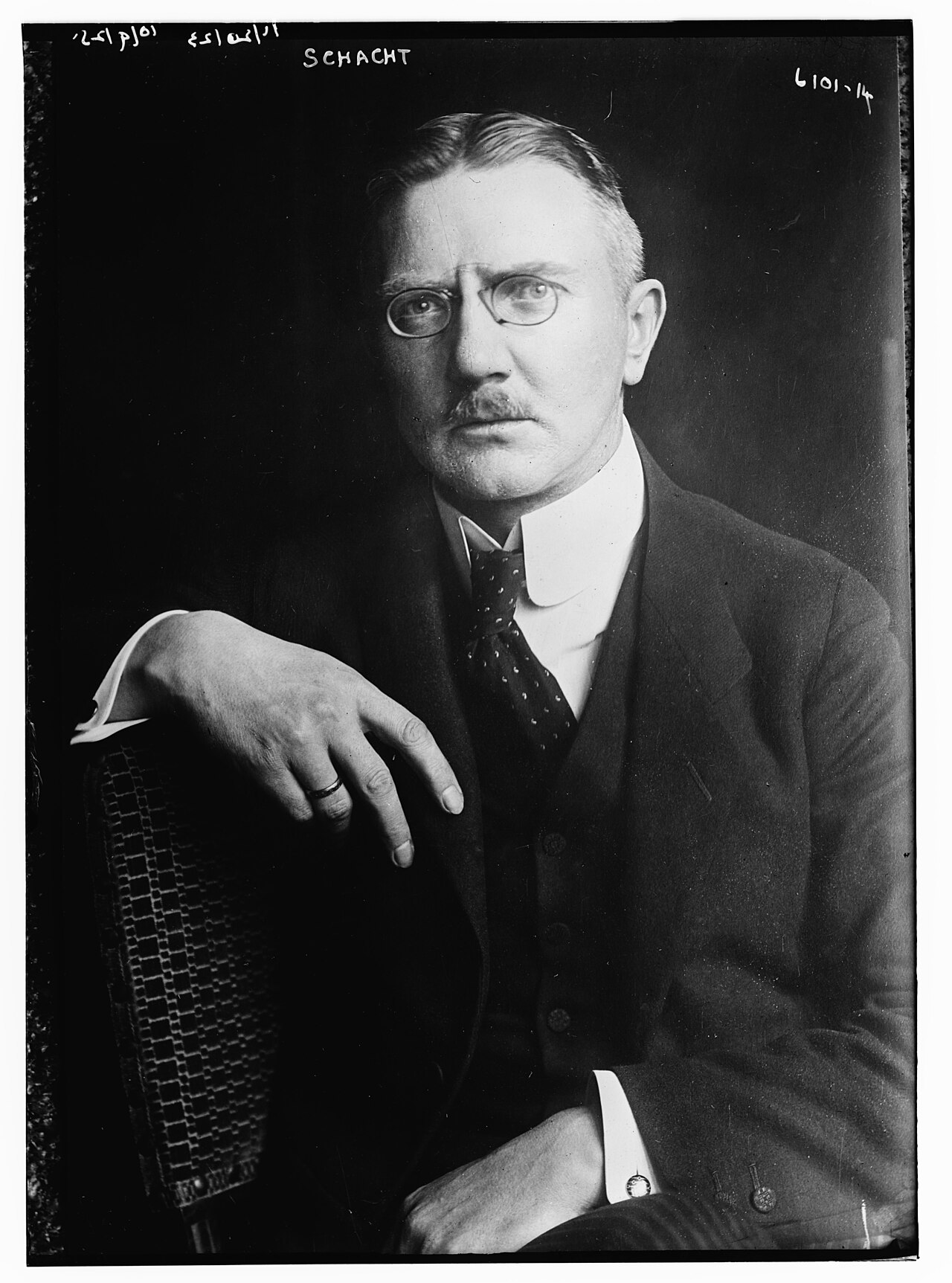
Portrait of Hjalmar Schacht as Reichsbank President
Unknown
Free account
Read every Hjalmar Schacht source
Sign up free →
Ready when you are
Start chatting with Hjalmar Schacht now.
20 messages free · No credit card · Available in 50+ languages.