


Secondary sourceArtifact1534; converted c. 1777
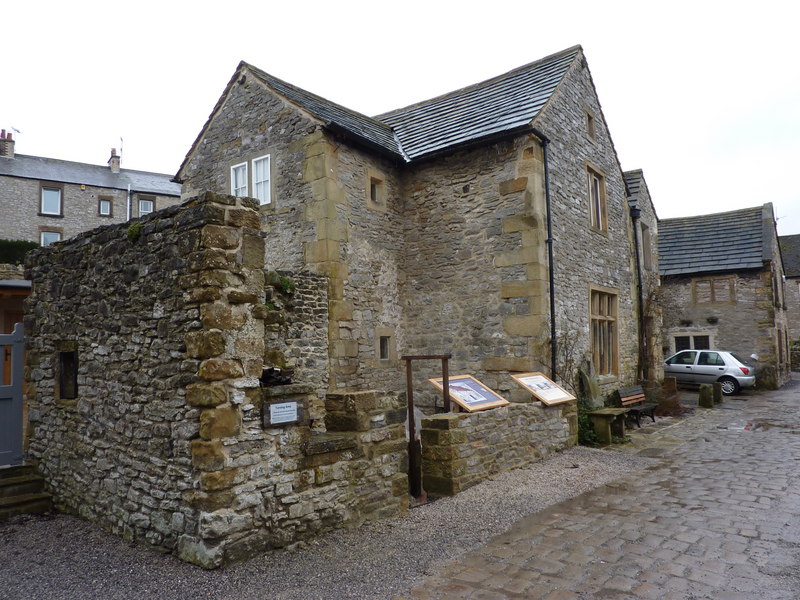
Old House, Bakewell
1534; converted c. 1777
A 16th-century house in Bakewell that Arkwright converted into worker housing for his Lumford Mill employees.
Arkwright converted this house into worker housing to support his Lumford Mill operations.
About this source
What it is
This is a 16th-century yeoman's house in Bakewell, Derbyshire, built in 1534. Around 1777 it was acquired by Richard Arkwright and converted into cottages to house workers at his nearby Lumford Mill. It is now a museum run by the Bakewell and District Historical Society.
Why it matters
The building shows how Arkwright provided housing to attract and keep workers for his mills, a common practice among early industrialists trying to build a reliable workforce. It connects the story of a much older building to the rapid changes brought by industrialisation in the late 18th century.
Look closer
- Why might Arkwright have needed to provide housing for his workers?
- What does the reuse of an old building for a new industrial purpose tell us about the pace of change at the time?
- What would it have been like to live as a mill worker in housing provided by your employer?
This artifact is part of the curated material that grounds the AI version of Richard Arkwright on Humy.ai — when students ask about related events, the AI can quote it and cite it.
More Richard Arkwright sources
Meet the AI Richard Arkwright →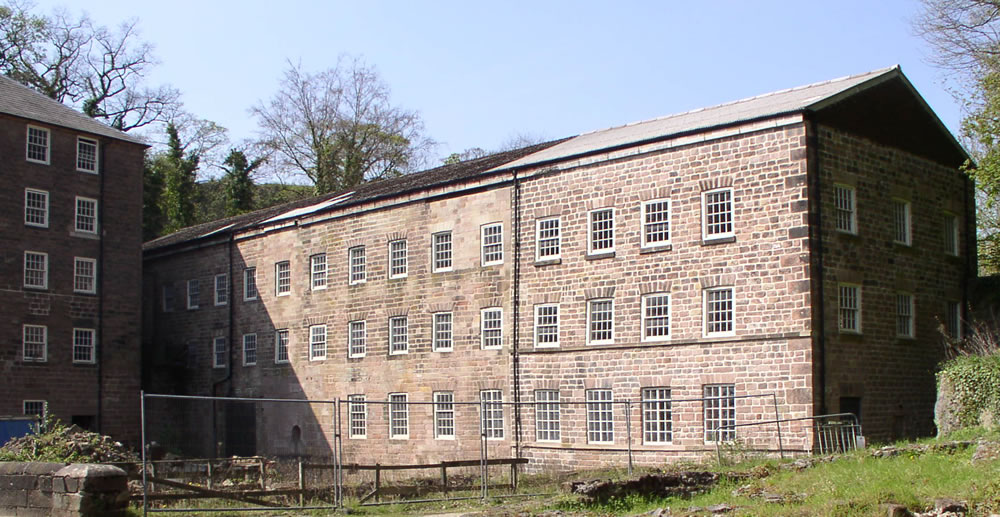 Artifact
Primary source
Cromford Mill
Richard Arkwright · 1771
 Painting
Primary source
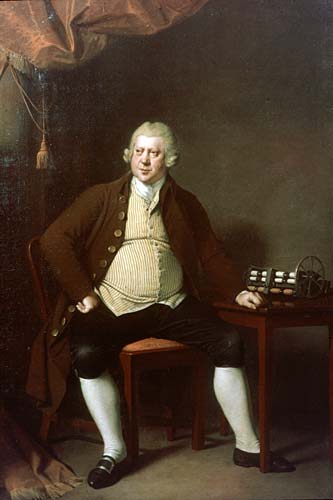
Portrait of Richard Arkwright
Joseph Wright of Derby · 1790
 Artifact
Primary source
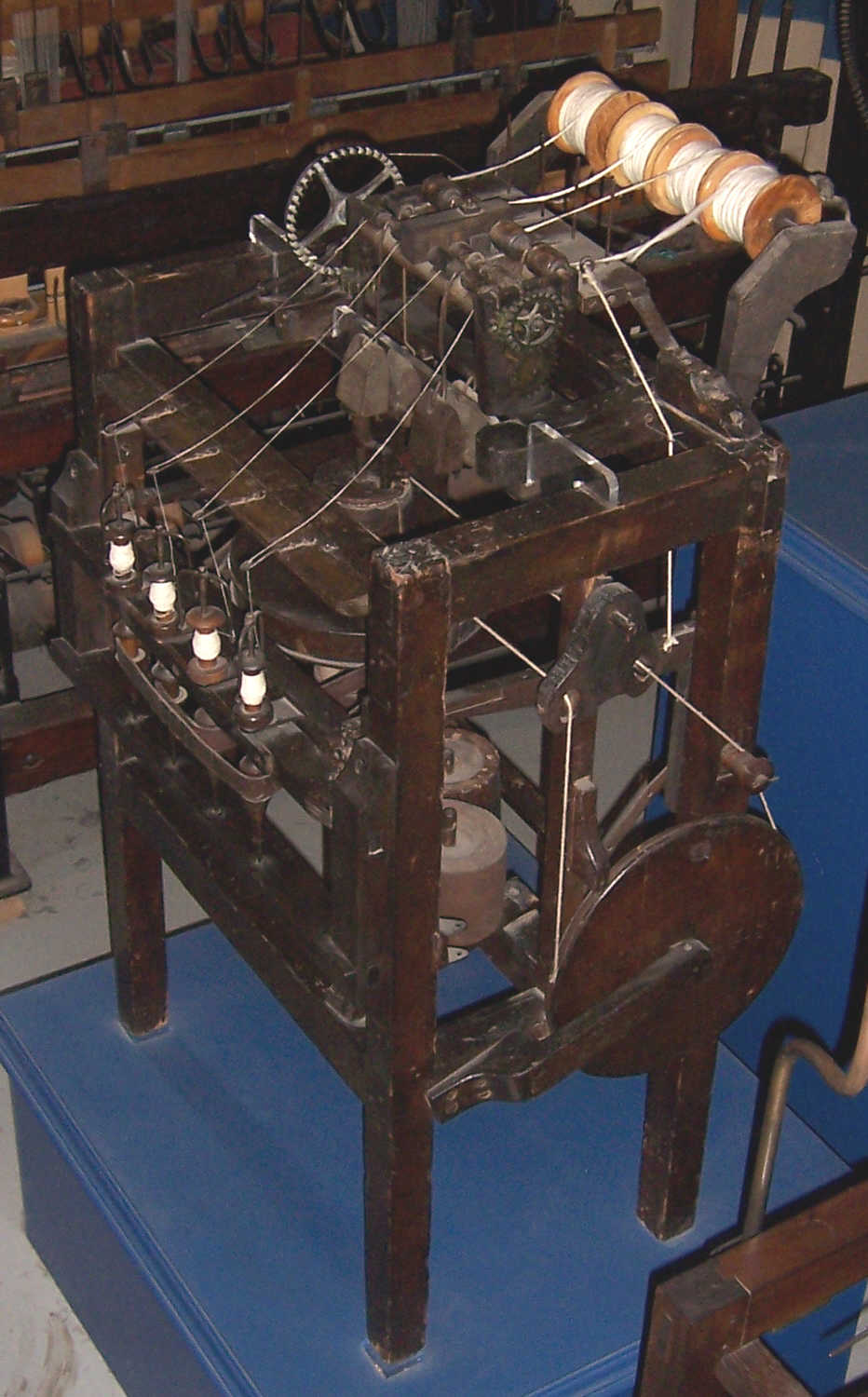
Arkwright Water Frame
1775
 Artifact
Primary source
Arkwright's Carding Machine
1775
Primary source
The Case of Mr. Richard Arkwright and Co.
Richard Arkwright · 1782
Ready when you are
Start chatting with Richard Arkwright now.
20 messages free · No credit card · Available in 50+ languages.