


Primary sourceBook1869
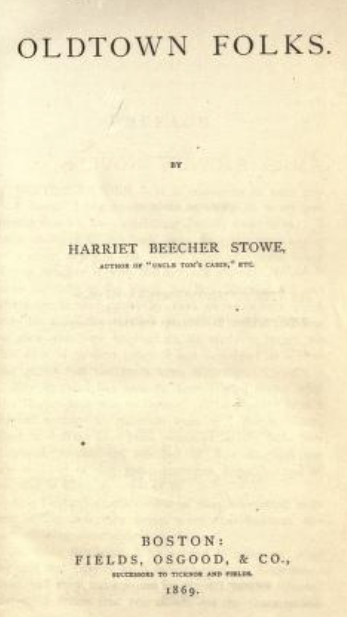
Oldtown Folks
Harriet Beecher Stowe · 1869
Harriet Beecher Stowe's 1869 novel of post-Revolutionary New England life, which she considered her best work.
Stowe wrote this novel, which she considered her best, drawing on her husband's memories of New England.
About this source
What it is
Oldtown Folks is an 1869 novel written by Harriet Beecher Stowe, narrated by a young man named Horace Holyoke describing his youth in the fictional town of Oldtown, Massachusetts, based on the real town of Natick where Stowe's husband grew up.
Why it matters
The novel explores Puritan lifestyles, Calvinism, and village life in post-Revolutionary New England, drawing heavily on the memories of Stowe's husband, Calvin Stowe. Stowe herself considered this her best work. It shows how she used fiction to examine the religious and social world that shaped New England communities, and how family memory fed into her storytelling.
Why it matters
Look closer
- Why might Stowe base a fictional town so closely on a real place and on her husband's memories?
- What do the novel's discussions of religion and ghosts suggest about New England beliefs at the time?
- How does telling the story through a first-person narrator shape what readers learn about the town?
This book is part of the curated material that grounds the AI version of Harriet Beecher Stowe on Humy.ai — when students ask about related events, the AI can quote it and cite it.
More Harriet Beecher Stowe sources
Meet the AI Harriet Beecher Stowe →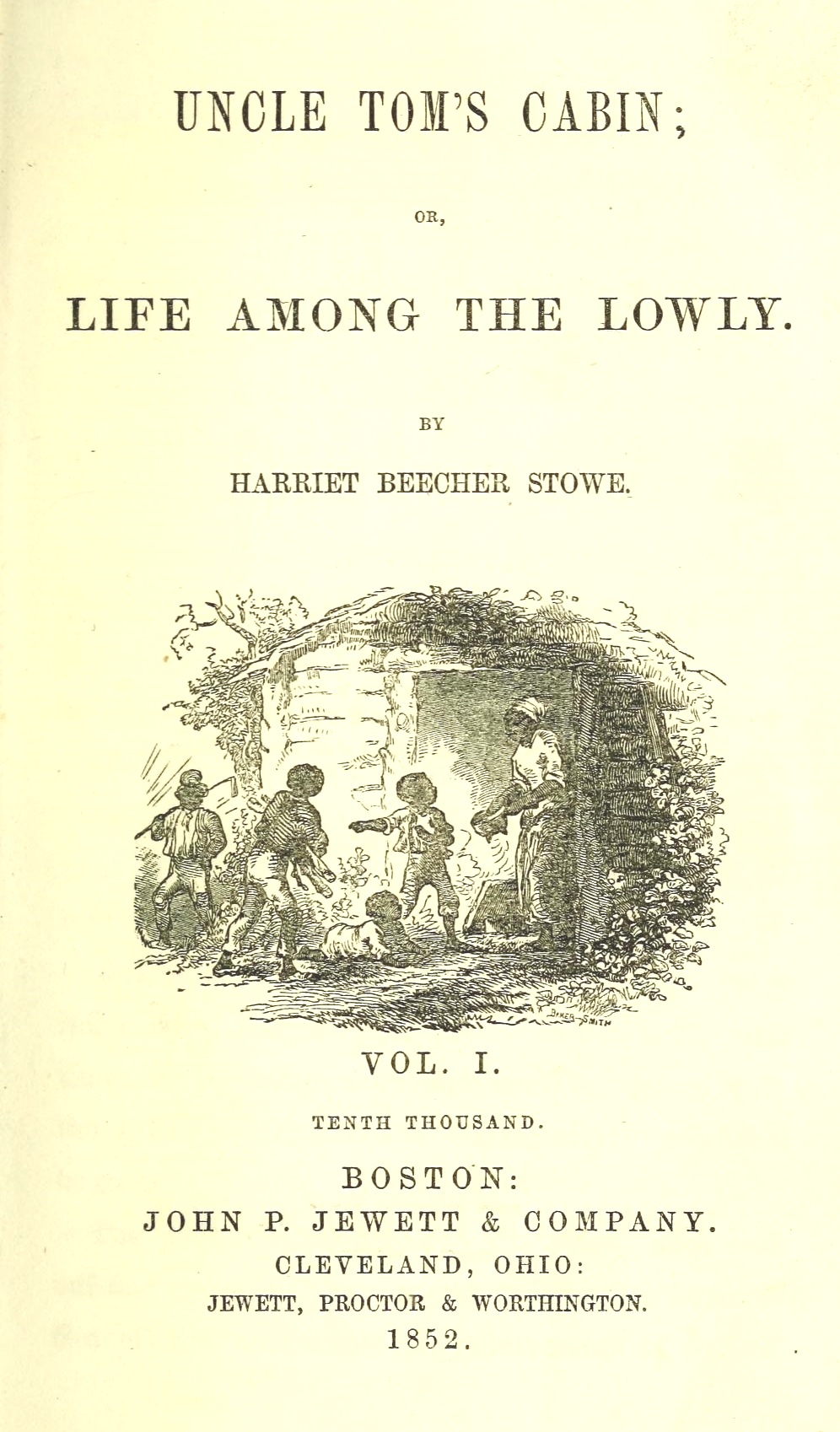 Book
Primary source
Uncle Tom's Cabin
Harriet Beecher Stowe · 1852
 Document
Primary source
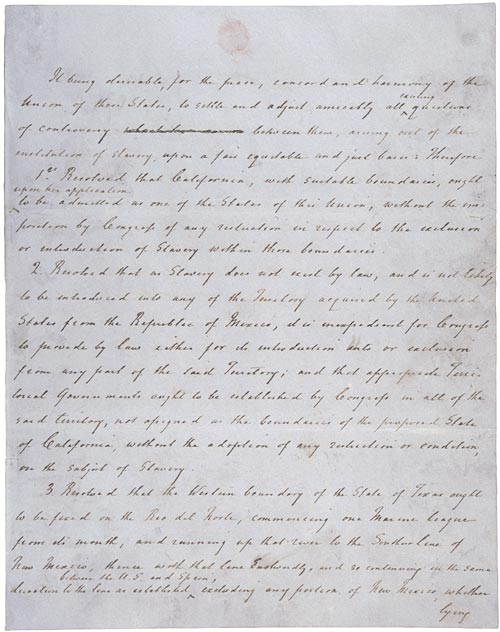
Compromise of 1850
Henry Clay · 29 January 1850 (resolutions); statutes enacted September 1850
 Photograph
Primary source
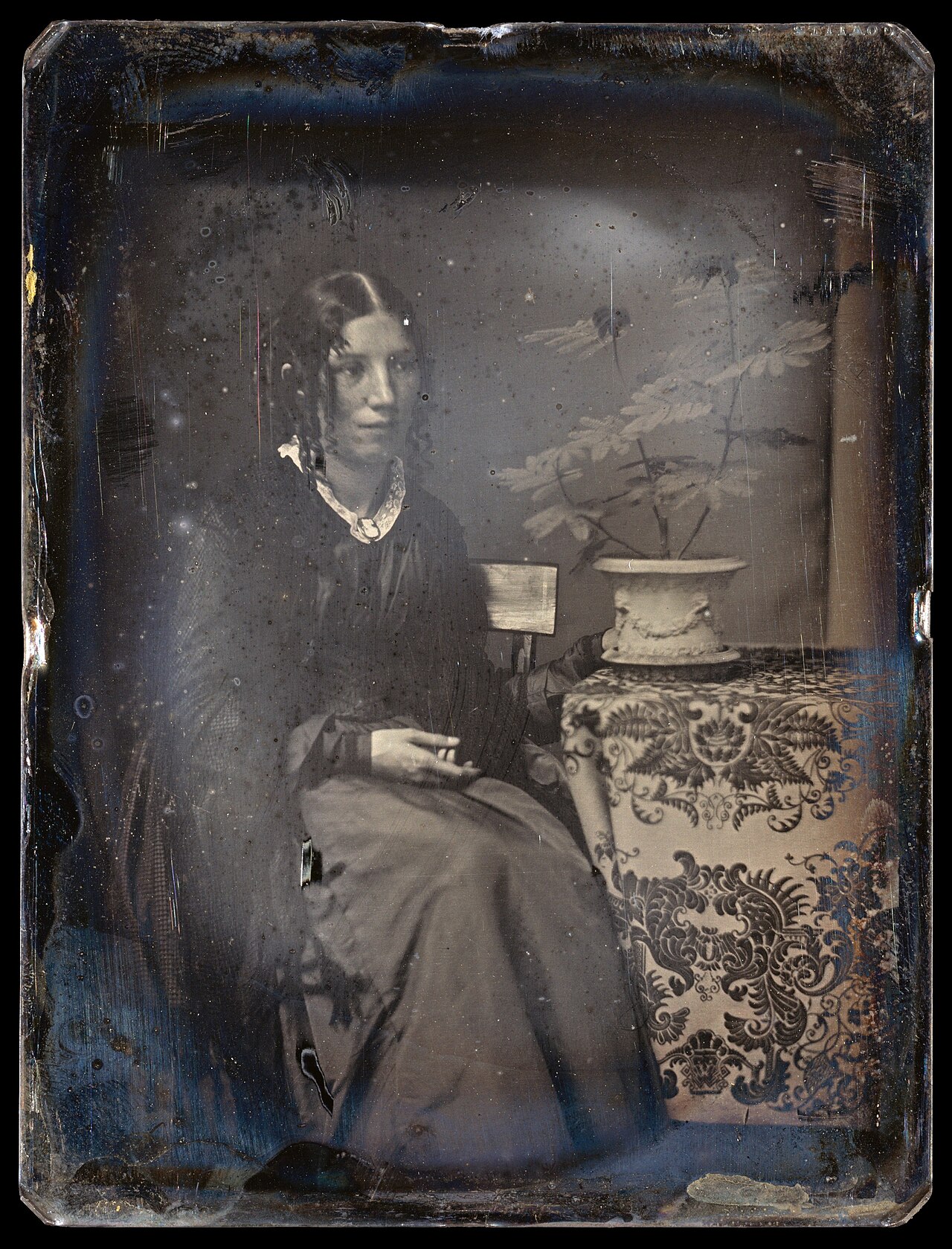
Harriet Beecher Stowe
Southworth and Hawes · c. 1850
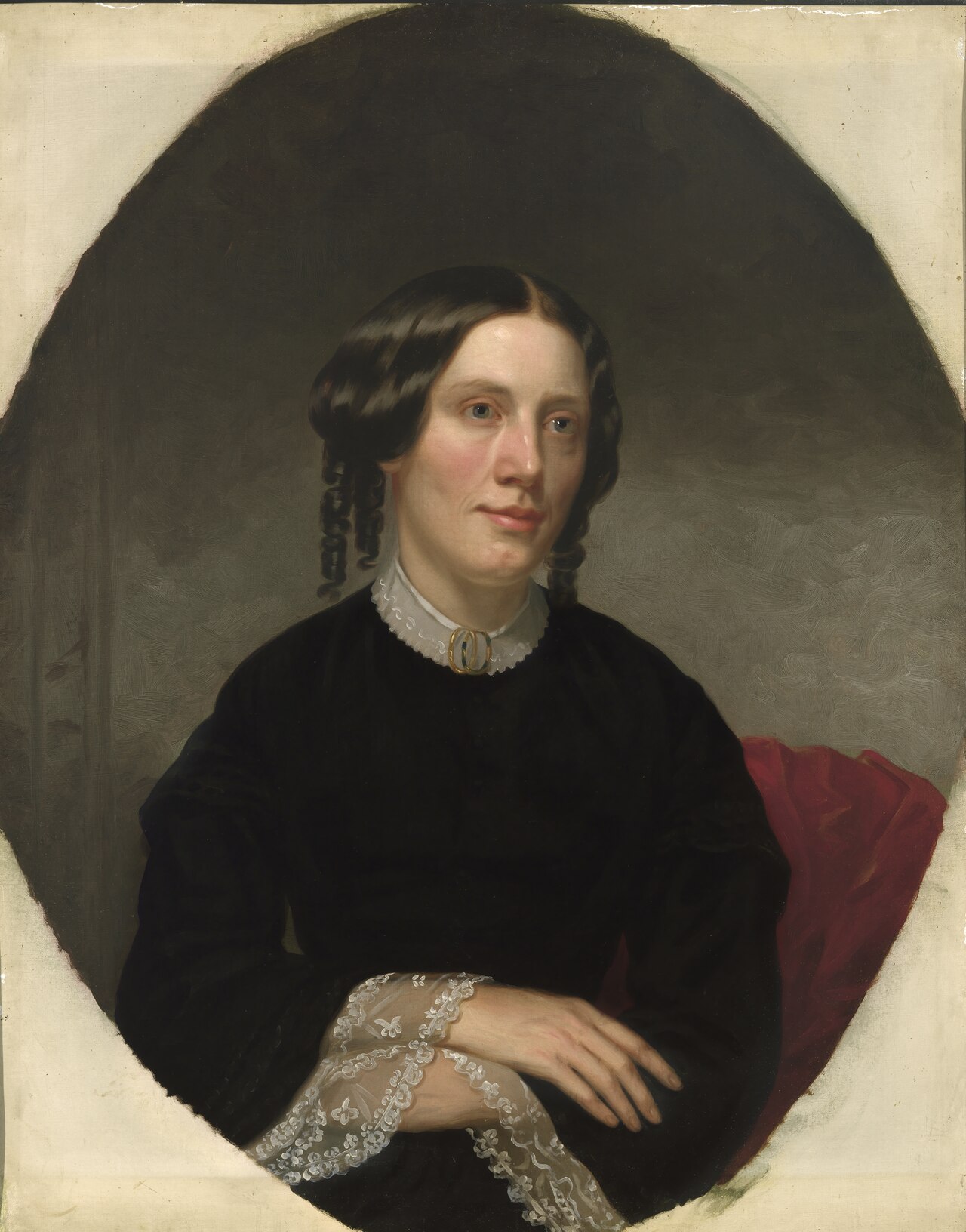 Painting
Primary source
Harriet Beecher Stowe
Alanson Fisher · 1853
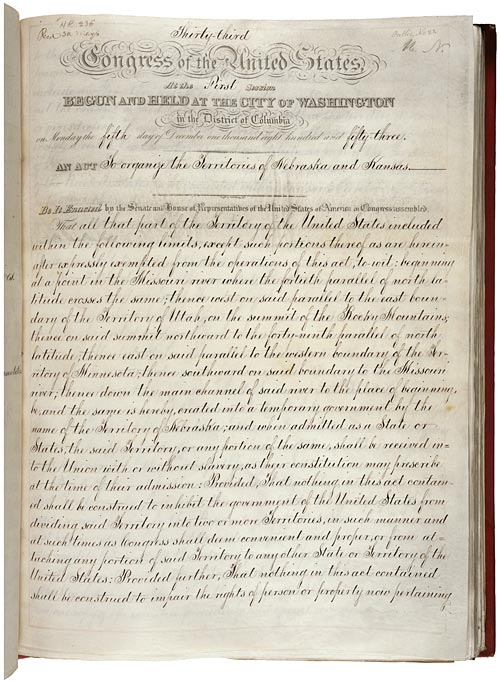 Document
Primary source
Kansas-Nebraska Act
United States Congress · 1854
Ready when you are
Start chatting with Harriet Beecher Stowe now.
20 messages free · No credit card · Available in 50+ languages.