


Primary sourceDocument8 July 1775
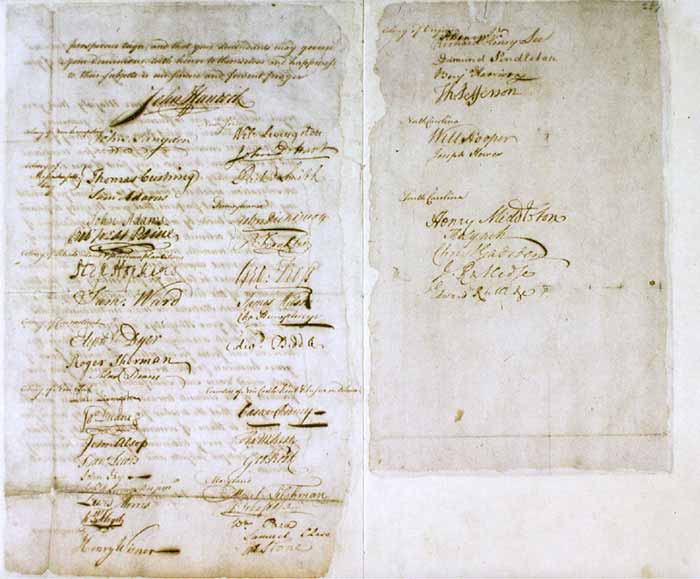
Olive Branch Petition
John Dickinson · 8 July 1775
The Continental Congress's 1775 appeal to George III seeking reconciliation, which the King refused even to receive.
This final colonial appeal for reconciliation was rejected while North's ministry pursued a policy of coercion toward the colonies.
About this source
What it is
Adopted on 5 July 1775 and signed on 8 July 1775, this petition was the Second Continental Congress's final attempt to avoid war with Britain. Mainly written by John Dickinson, with help from Benjamin Franklin and others, it affirmed American loyalty and asked King George III to prevent further conflict. It is now held by the UK National Archives.
Why it matters
The petition shows that many colonial leaders still hoped the King might side with them against Parliament. George III refused to read it before declaring the colonies in rebellion, a decision that convinced figures like John Adams that reconciliation was impossible and strengthened the push toward independence.
Look closer
- Why did the colonists address their petition directly to the King rather than Parliament?
- What does the King's refusal to receive it tell us about his view of the conflict?
- How might this rejection have changed opinions among colonial leaders?
This document is part of the curated material that grounds the AI version of Lord Frederick North on Humy.ai — when students ask about related events, the AI can quote it and cite it.
More Lord Frederick North sources
Meet the AI Lord Frederick North →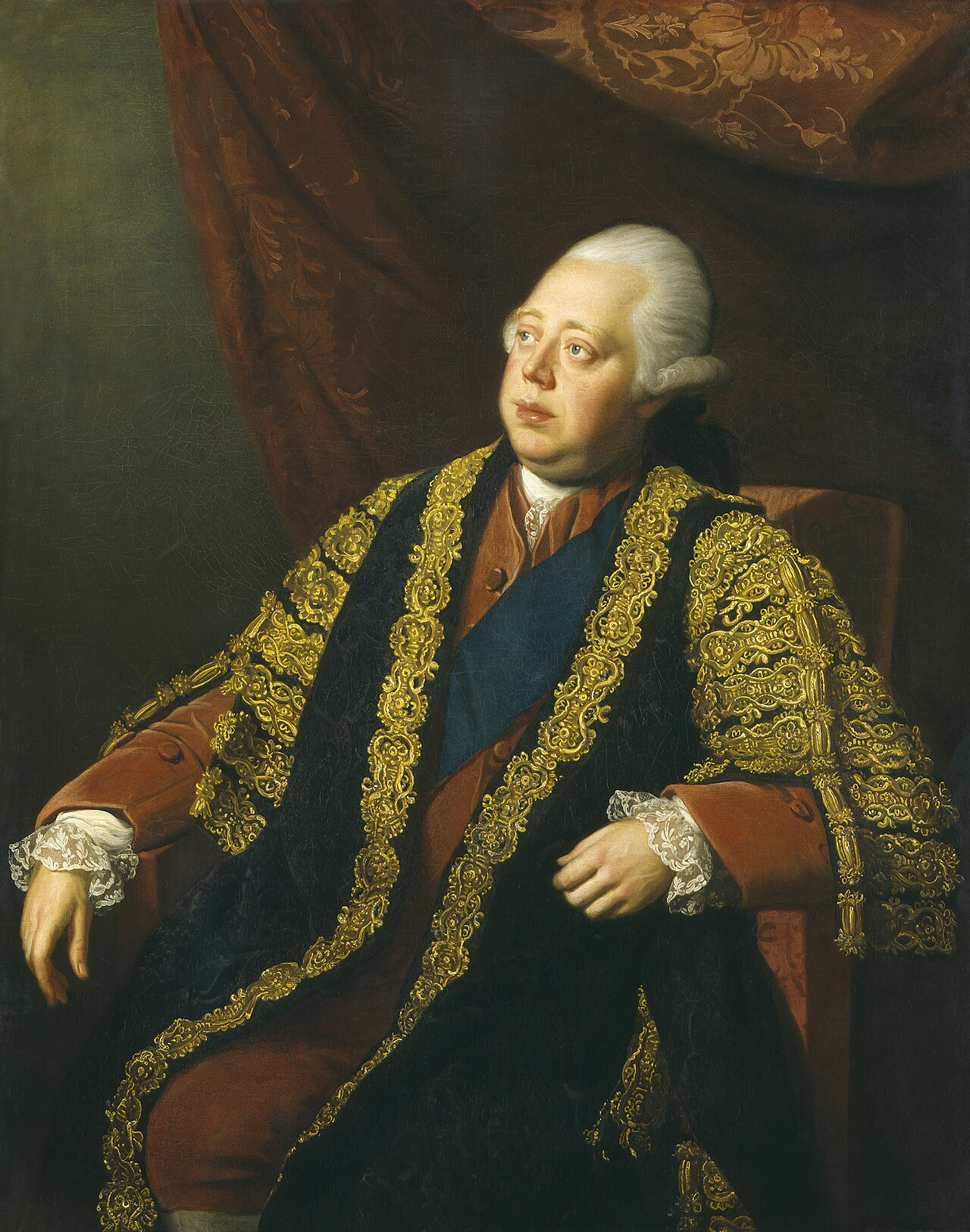 Painting
Primary source
Frederick North, 2nd Earl of Guilford
Nathaniel Dance-Holland · 1773
 Painting
Primary source
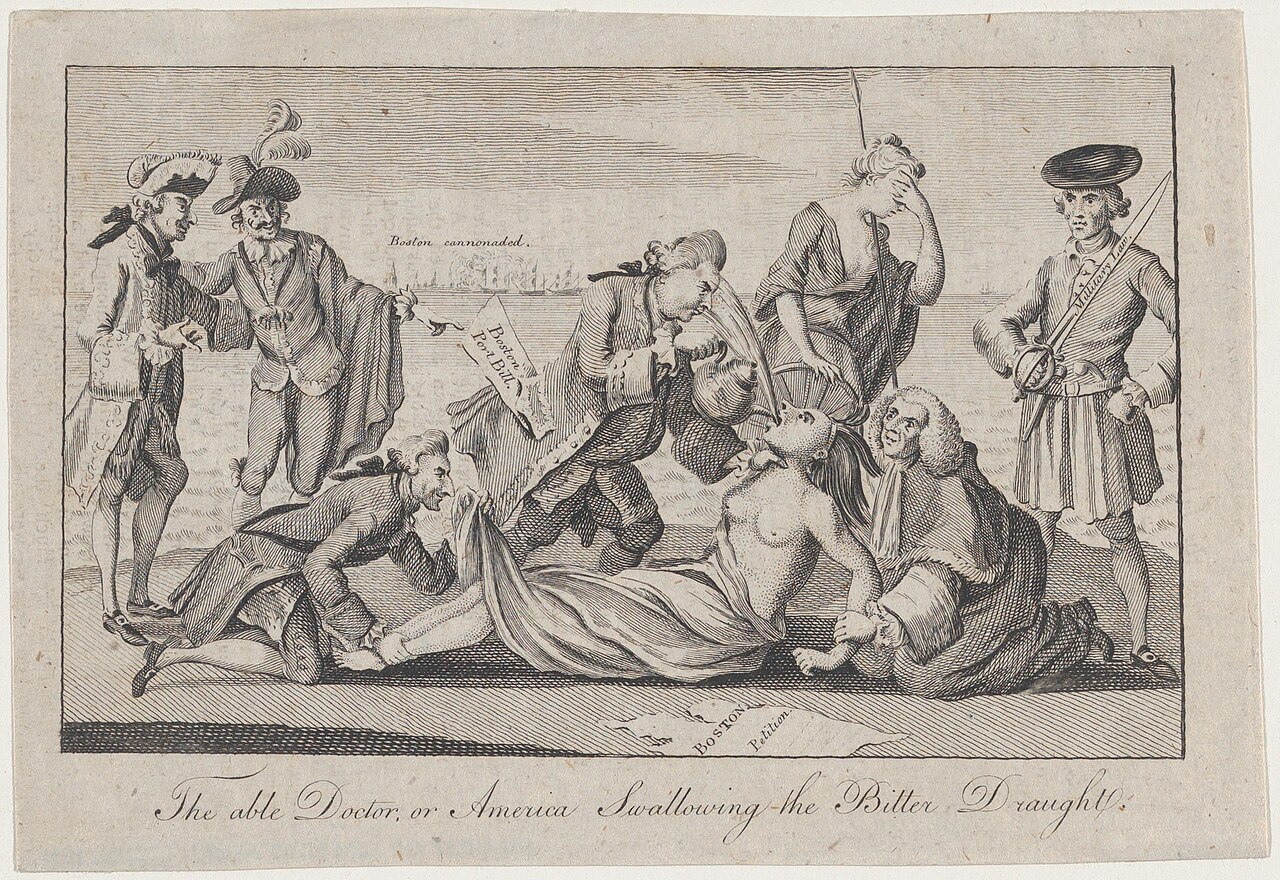
The Able Doctor, or America Swallowing the Bitter Draught
Anonymous, British, 18th century · 1774
 Document
Primary source
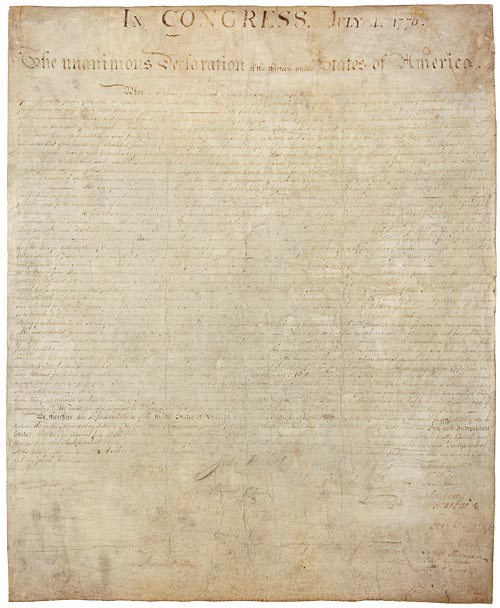
Declaration of Independence
Continental Congress (drafted by Thomas Jefferson) · 1776
 Document
Primary source
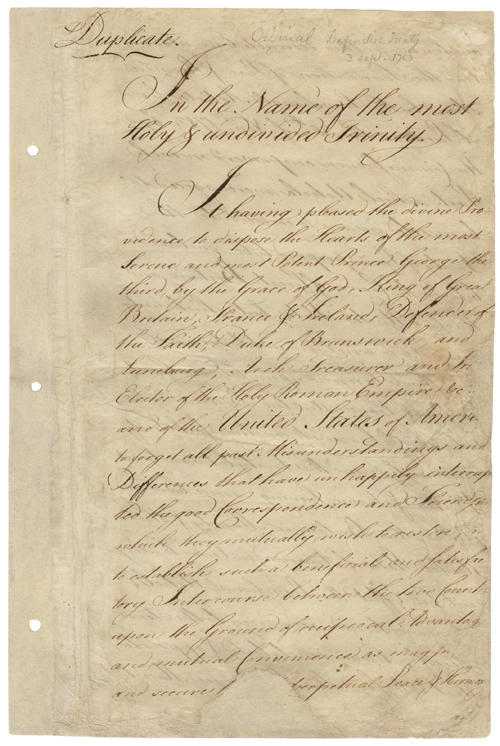
Treaty of Paris
3 September 1783
 Document
Primary source
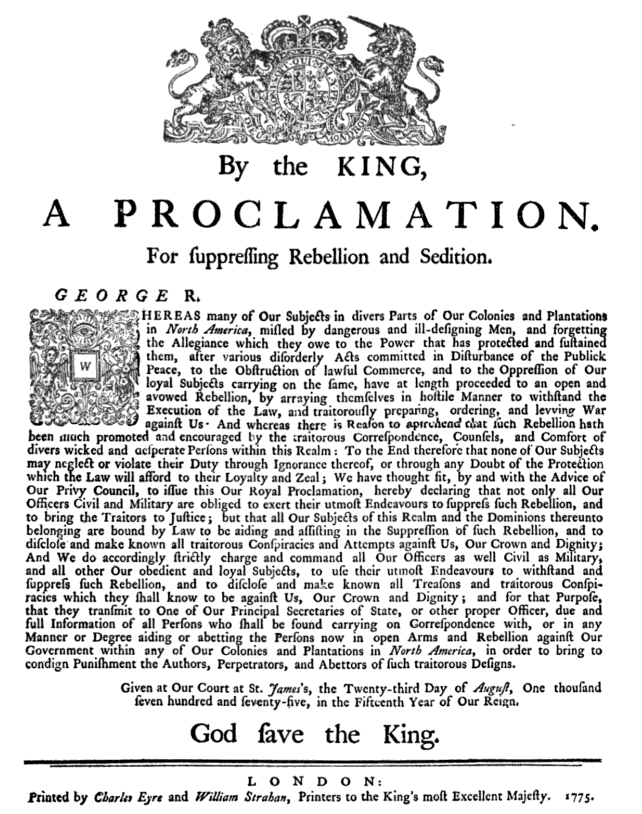
Proclamation of Rebellion
George III of Great Britain · 23 August 1775
Ready when you are
Start chatting with Lord Frederick North now.
20 messages free · No credit card · Available in 50+ languages.