


Secondary sourceBook1903
Omar Khajjâms Rubâijât, en litterærhistorisk undersøgelse
Arthur Christensen · 1903
A 1903 Danish scholarly study by Arthur Christensen examining the literary history and authorship of the quatrains attributed to Omar Khayyam.
A scholarly investigation into which quatrains can truly be attributed to Khayyam and their literary context.
 PDF · 170 pages
About this source
What it is
This 1903 Danish book by Arthur Christensen is an academic literary-historical study of the Rubaiyat, the collection of quatrains attributed to Omar Khayyam. It was defended as a doctoral dissertation and examines the poems' place within Persian literary and cultural tradition.
Why it matters
Because many different quatrains have been attributed to Khayyam over the centuries, scholars have long debated which verses he actually wrote. Christensen's study represents an early, serious European academic attempt to sort out this question of authorship and to place the poems in their cultural context.
Look closer
- Why might it be hard to know for certain which verses a medieval poet actually composed?
- What does the existence of this kind of detailed academic study suggest about how seriously Khayyam's poetry was taken by scholars outside Persia?
- Why might questions of authorship matter for how we understand a historical figure?
This book is part of the curated material that grounds the AI version of Omar Khayyam on Humy.ai — when students ask about related events, the AI can quote it and cite it.
More Omar Khayyam sources
Meet the AI Omar Khayyam → Book
Secondary source
Rubáiyát of Omar Khayyám
Edward FitzGerald · 1878
 Document
Primary source
Khayyam Geometry Manuscript
Omar Khayyám
Secondary source
The Rubaiyat of Omar Khayyam (First Edition)
Edward FitzGerald · 1859
 Book
Secondary source
Chahar Maqala
Nizami Aruzi · 1155–1157
 Artifact
Secondary source
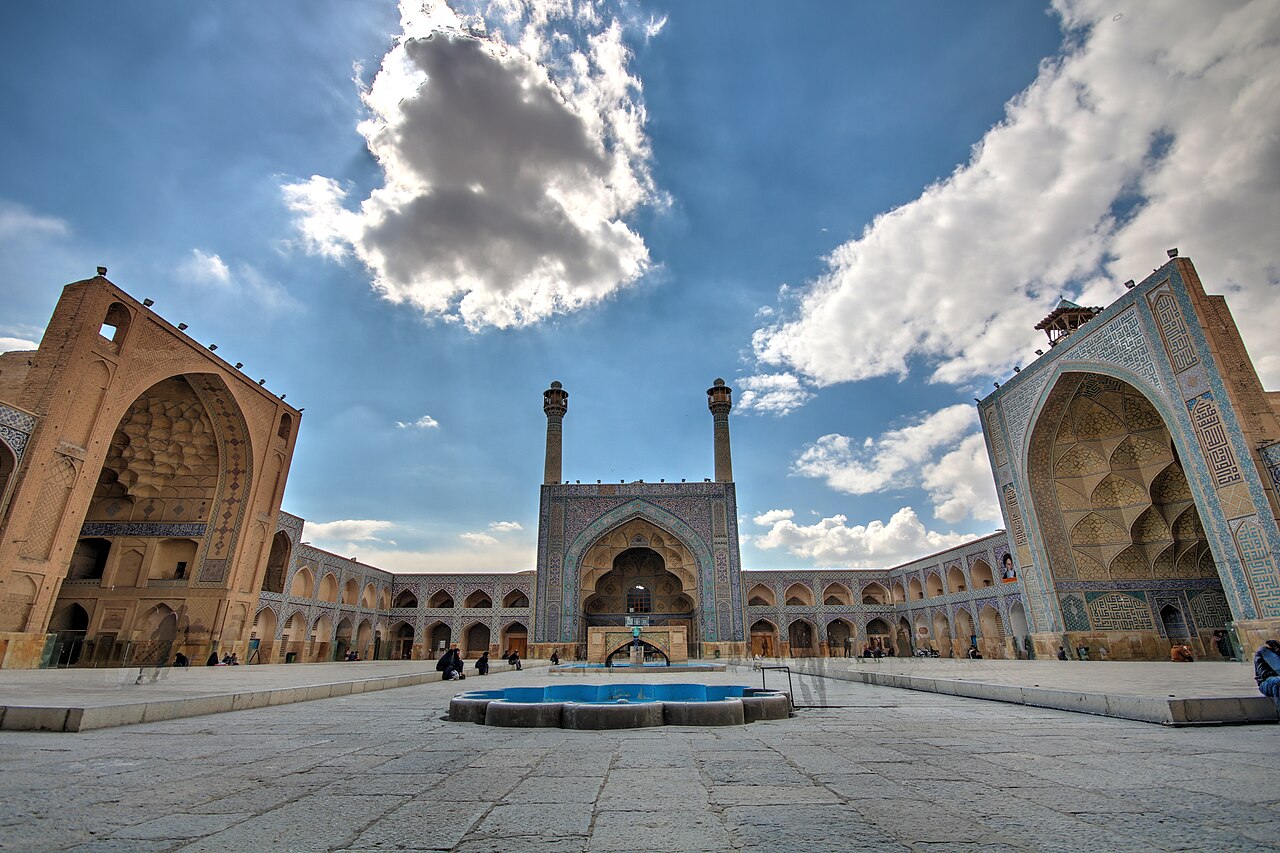
Jameh Mosque of Isfahan
841 (rebuilt 1086-1089 under Khayyám's patrons)
Ready when you are
Start chatting with Omar Khayyam now.
20 messages free · No credit card · Available in 50+ languages.