


Primary sourceBook1525
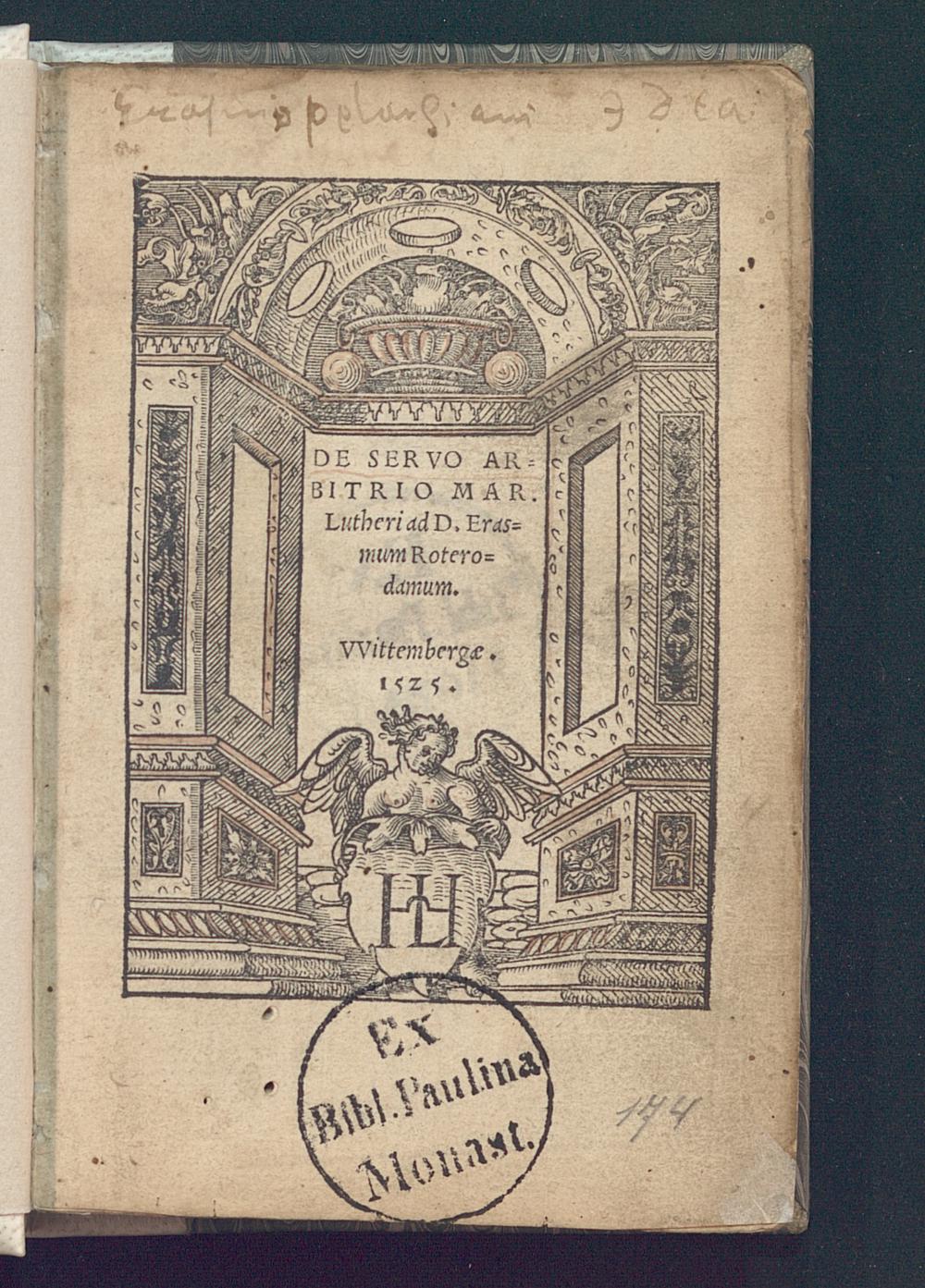
On the Bondage of the Will
Martin Luther · 1525
Luther's 1525 treatise against Erasmus, arguing that human beings cannot choose salvation by their own free will.
Luther wrote this treatise, which ended his alliance with the humanist Erasmus over the question of free will.
About this source
What it is
A book written by Martin Luther in 1525, printed in Wittenberg, replying to Desiderius Erasmus's earlier work defending free will.
Why it matters
This book marks the final break between Luther and Erasmus, two of the most important thinkers of the age. Luther argued that sinful humans cannot choose good on their own and depend completely on God for salvation, while Erasmus believed people kept some freedom to choose. Their disagreement split reformers from humanists and shaped how later Christians thought about free will, grace, and sin.
Look closer
- Why might Luther have felt it necessary to argue so forcefully against a respected scholar like Erasmus?
- What does the harsh tone some historians describe tell us about the stakes of religious debate in this period?
- How might this disagreement have affected the spread of Luther's ideas?
This book is part of the curated material that grounds the AI version of Martin Luther and Desiderius Erasmus on Humy.ai — when students ask about related events, the AI can quote it and cite it.
More Martin Luther sources
Meet the AI Martin Luther →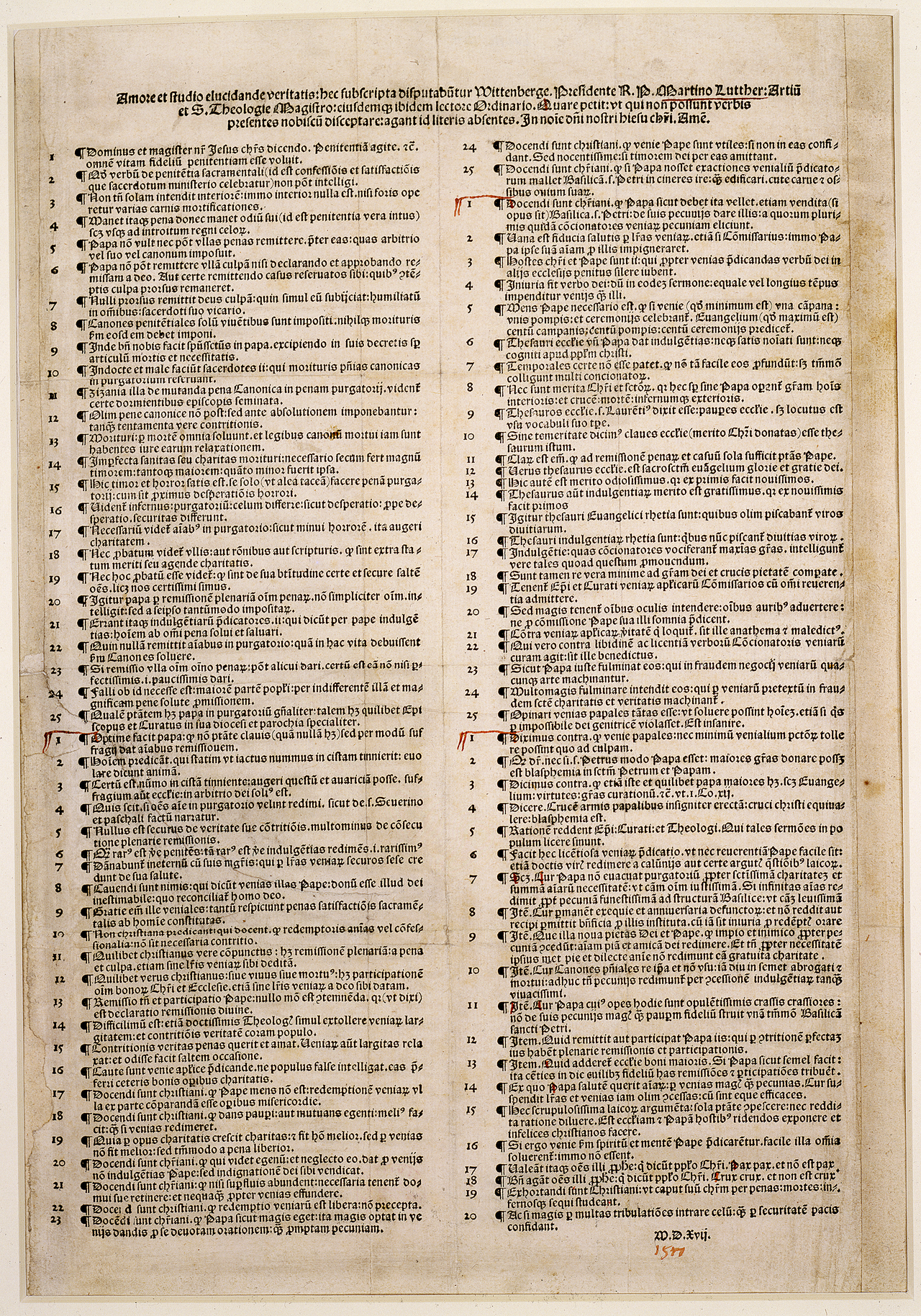 Document
Primary source
Ninety-five Theses
Martin Luther · 1517
 Painting
Secondary source
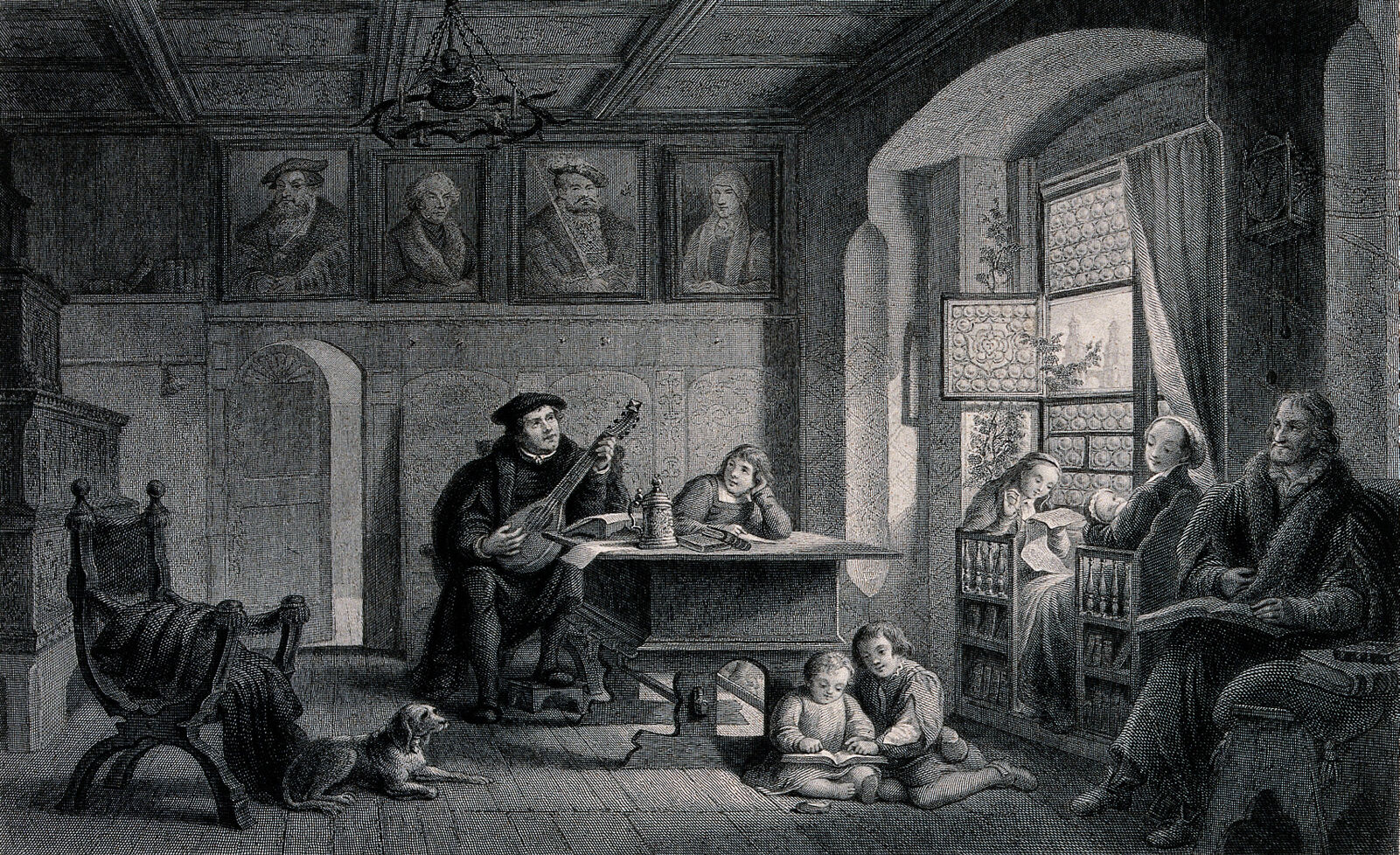
Domestic Life of Martin Luther at Wittenberg
Pierre-Antoine Labouchère (design); J. D. Nargeot (engraving) · 1800-1899
 Painting
Primary source
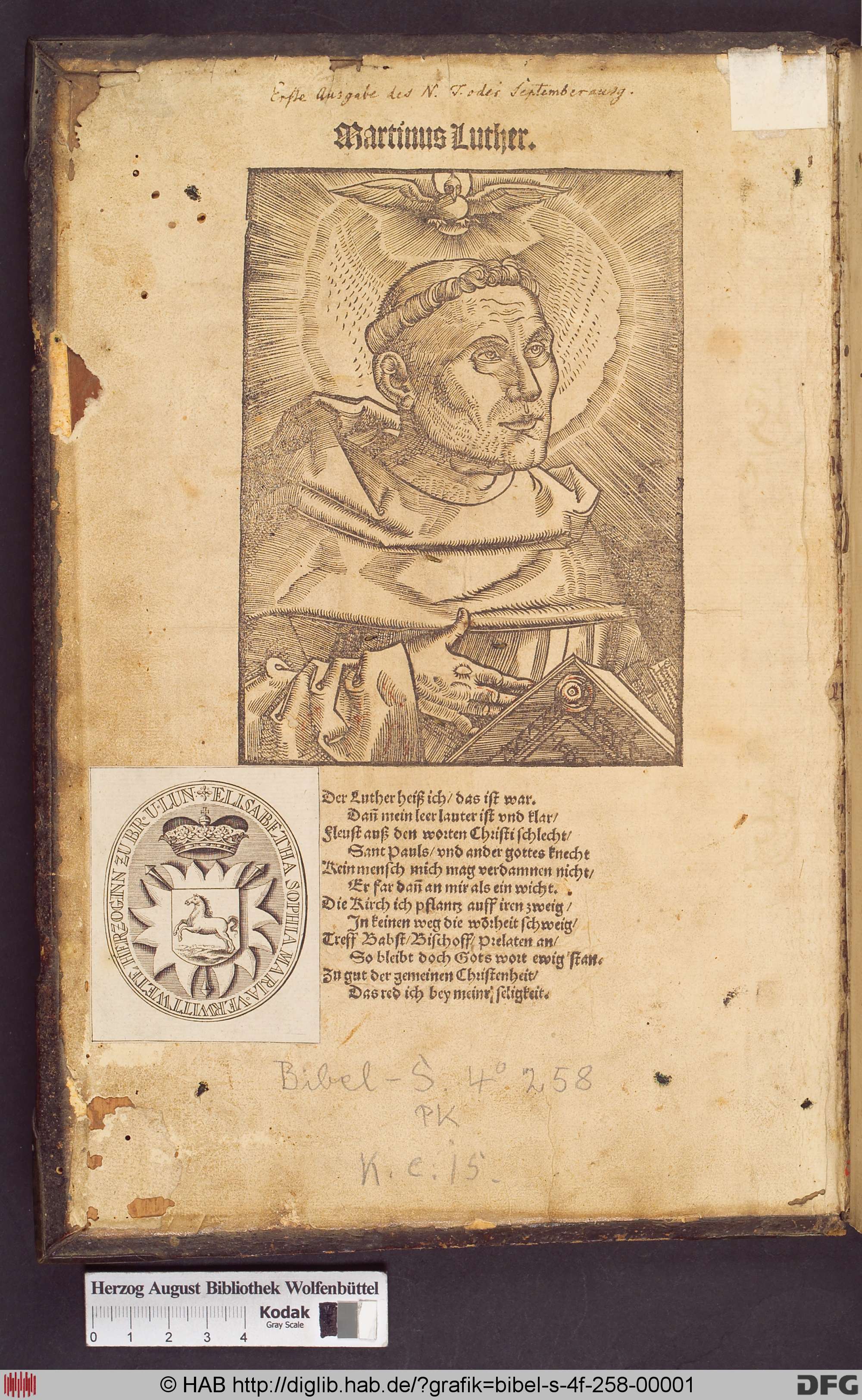
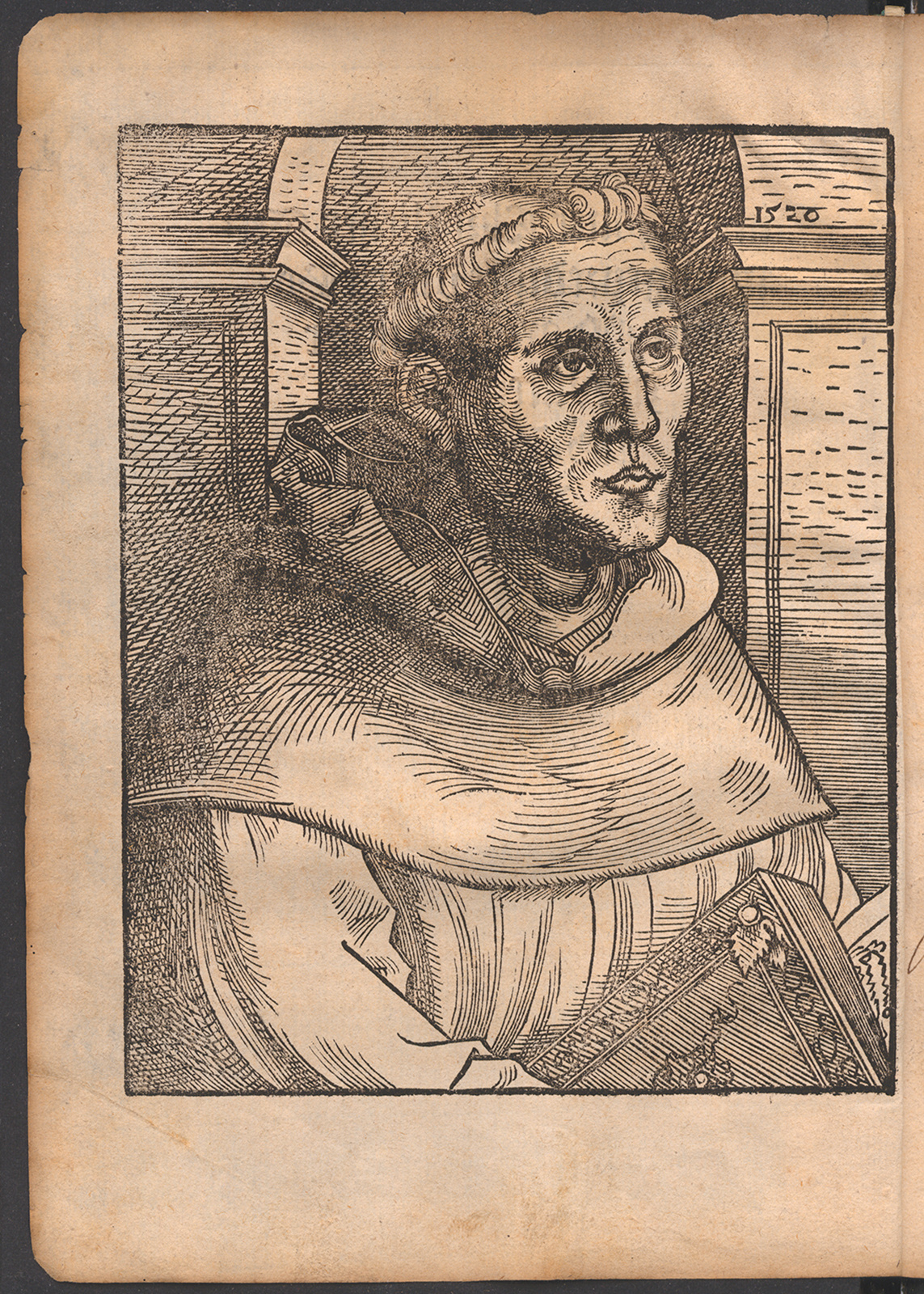
Martinus Luther Woodcut Portrait
Unbekannt (Formschneider)
 Painting
Primary source
Woodcut Portrait of Luther in Sermon Pamphlet
1523
 Book
Secondary source
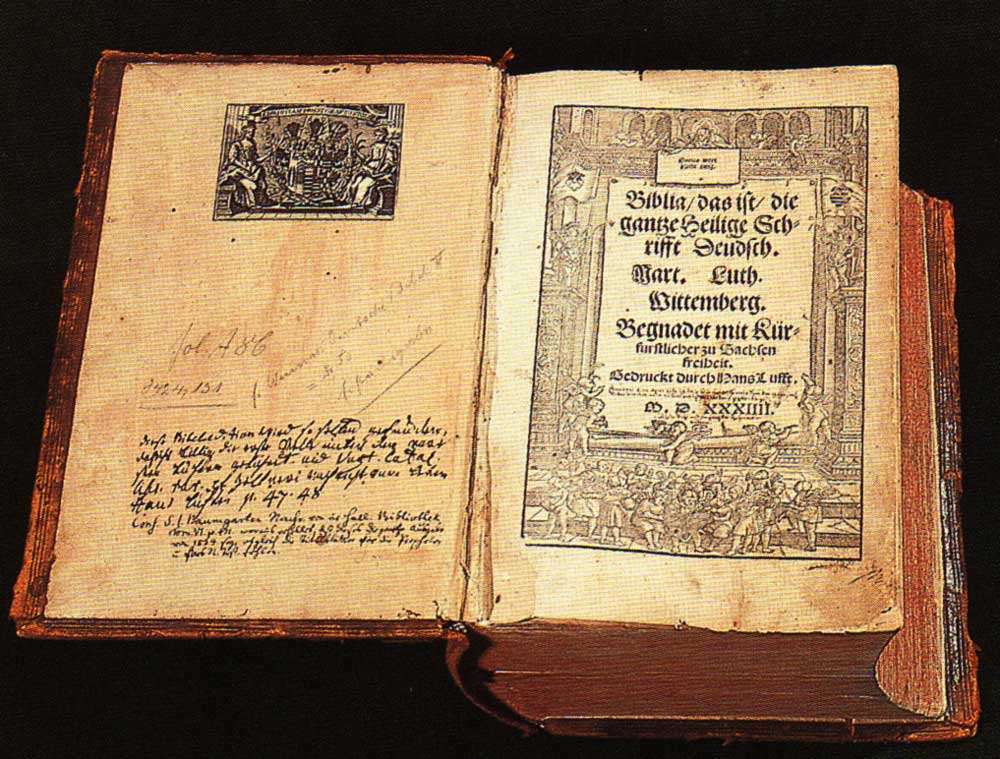
Luther Bible
Martin Luther · 1534
Ready when you are
Start chatting with Martin Luther now.
20 messages free · No credit card · Available in 50+ languages.