


Primary sourceSculpturec. 1470 BCE
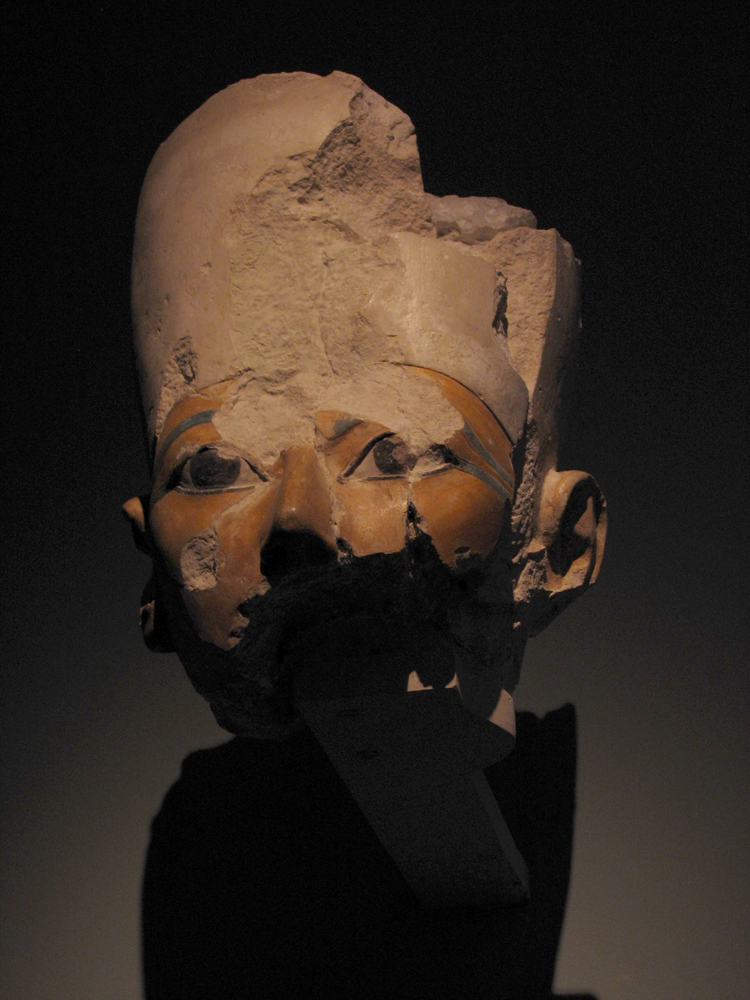
Osiride Statue Head of Hatshepsut
Royal workshops of Hatshepsut · c. 1470 BCE
A painted limestone head from a colossal Osiride statue of Hatshepsut, shown with the false beard and crown of a male king.
This statue head shows Hatshepsut presented as a male pharaoh with the beard and crown of kingship.
About this source
What it is
This painted limestone head was once part of a colossal Osiride statue of Hatshepsut, made around 1470 BCE by the royal workshops and found at her funerary temple in Deir el-Bahari. It originally stood about eleven feet tall inside a niche in the temple, wearing the White Crown of Upper Egypt. It is now held at the Egyptian Museum, Cairo (though the record also notes a related piece at the Metropolitan Museum of Art, New York).
Why it matters
Osiride statues showed the king in the form of the god Osiris, with a false beard and crown, following the same male royal image used by other pharaohs. That Hatshepsut had many of these built into her temple shows how deliberately she presented herself in the traditional, masculine role of kingship. The piece also shows the skill and resources of the royal workshops that served her.
Look closer
- Why would a female ruler choose to be shown with a false beard, a symbol of kingship usually worn by men?
- What does the damage to the crown and nose tell us about the statue's history?
- Why were these statues built into niches rather than standing freely?
This sculpture is part of the curated material that grounds the AI version of Hatshepsut on Humy.ai — when students ask about related events, the AI can quote it and cite it.
More Hatshepsut sources
Meet the AI Hatshepsut →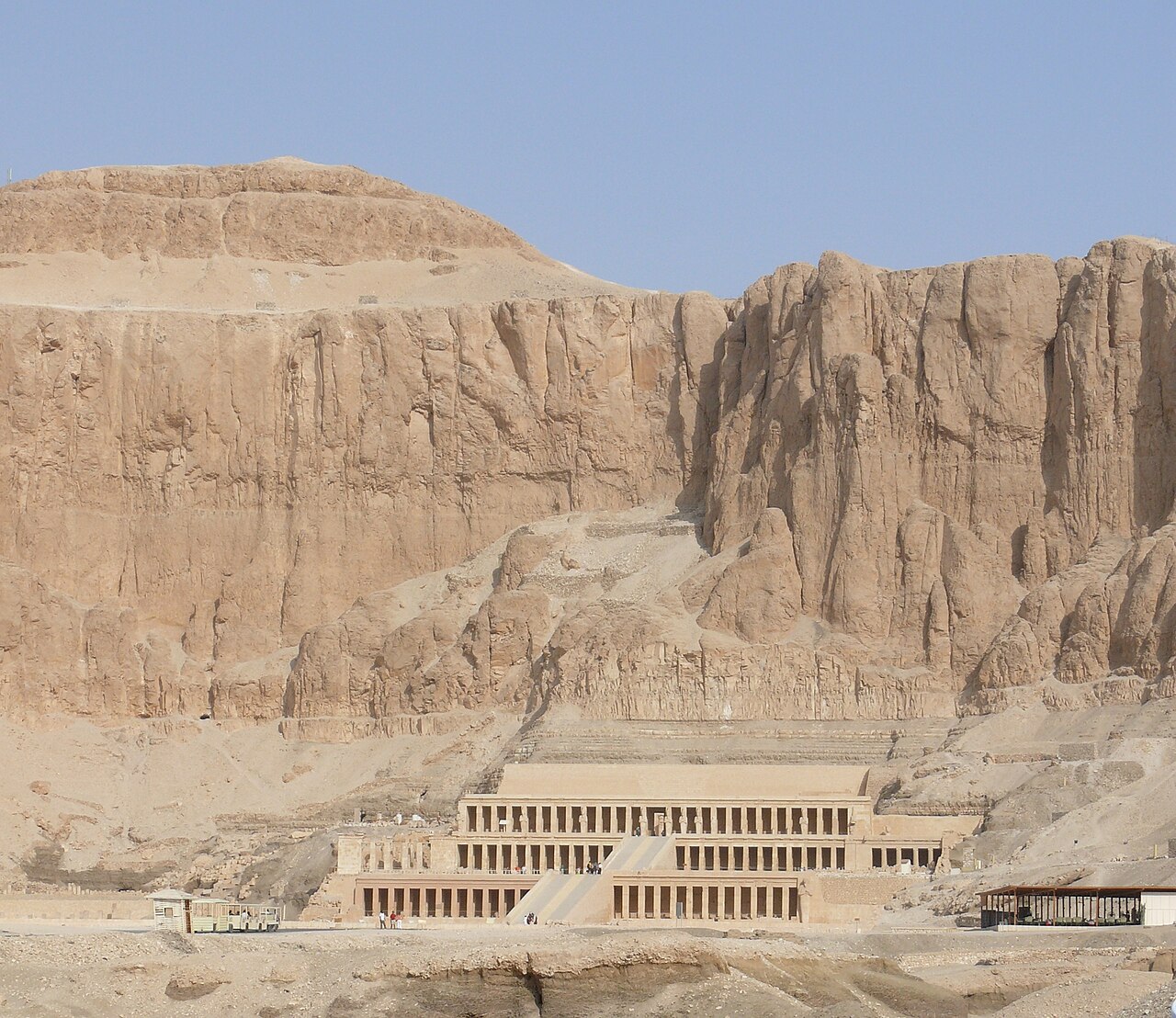 Artifact
Primary source
Mortuary Temple of Hatshepsut
Senenmut and/or Hapuseneb (attributed) · c. 1479–1458 BCE
 Photograph
Secondary source
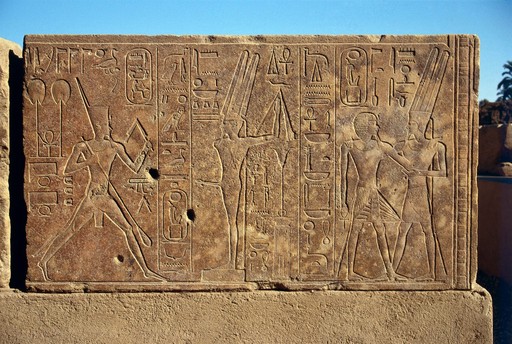
Hatshepsut Dancing Before Min, Karnak Relief
Carole Reeves · 1989
 Sculpture
Primary source
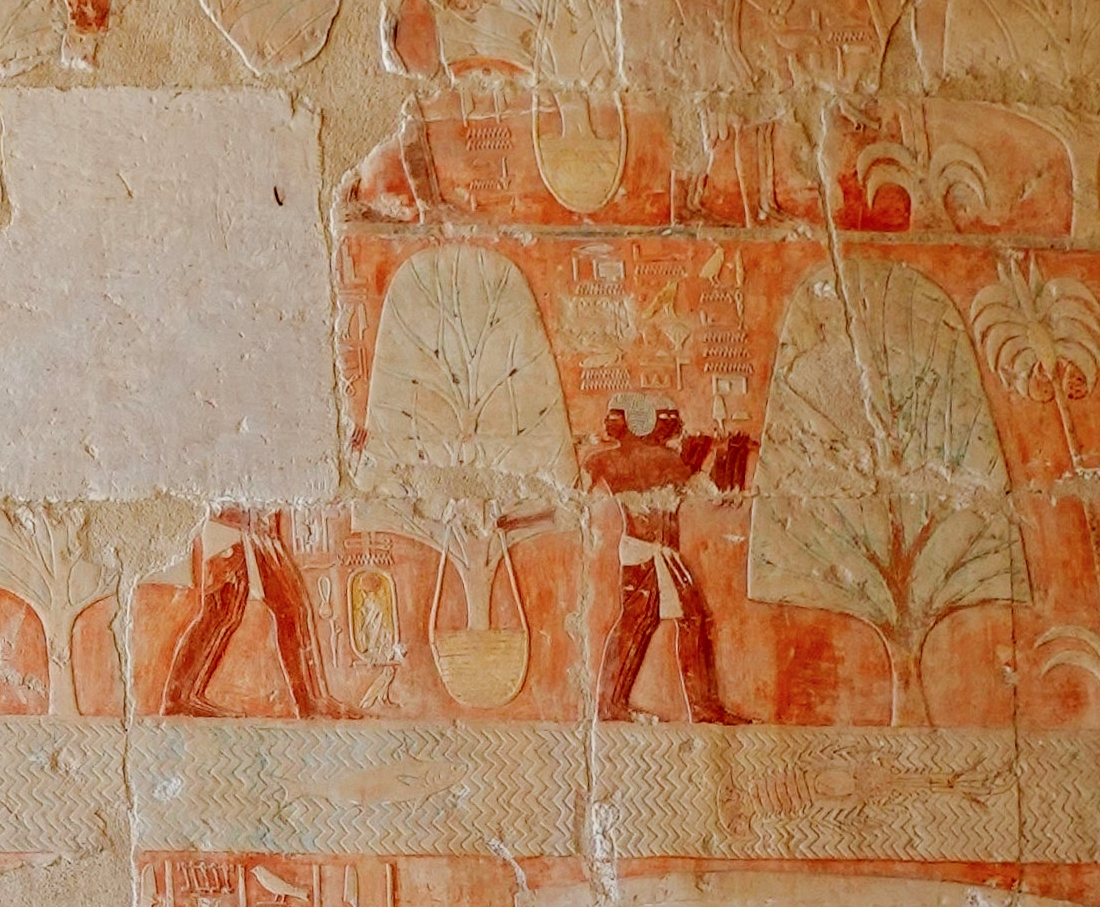
Punt Expedition Reliefs
Royal workshops of Hatshepsut · c. 1470 BCE
 Sculpture
Primary source
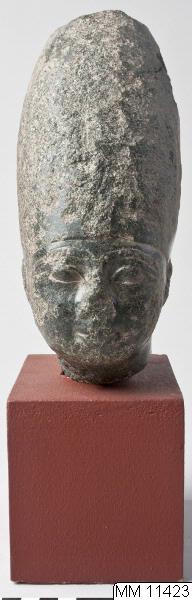
Sculpture Head Probably of Hatshepsut
 Sculpture
Primary source
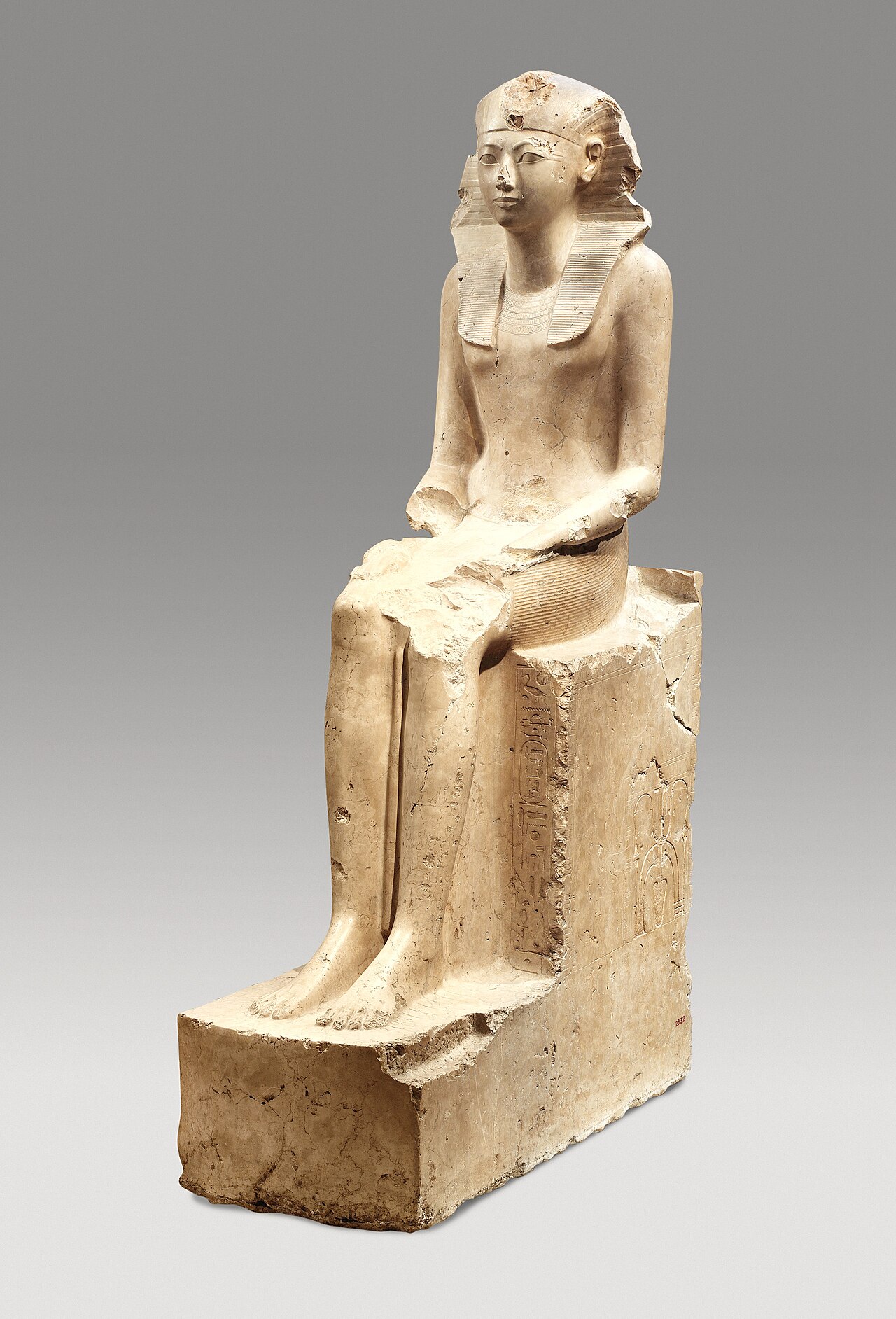
Seated Statue of Hatshepsut
c. 1466 BCE
Ready when you are
Start chatting with Hatshepsut now.
20 messages free · No credit card · Available in 50+ languages.