


Primary sourcePainting1579-1588
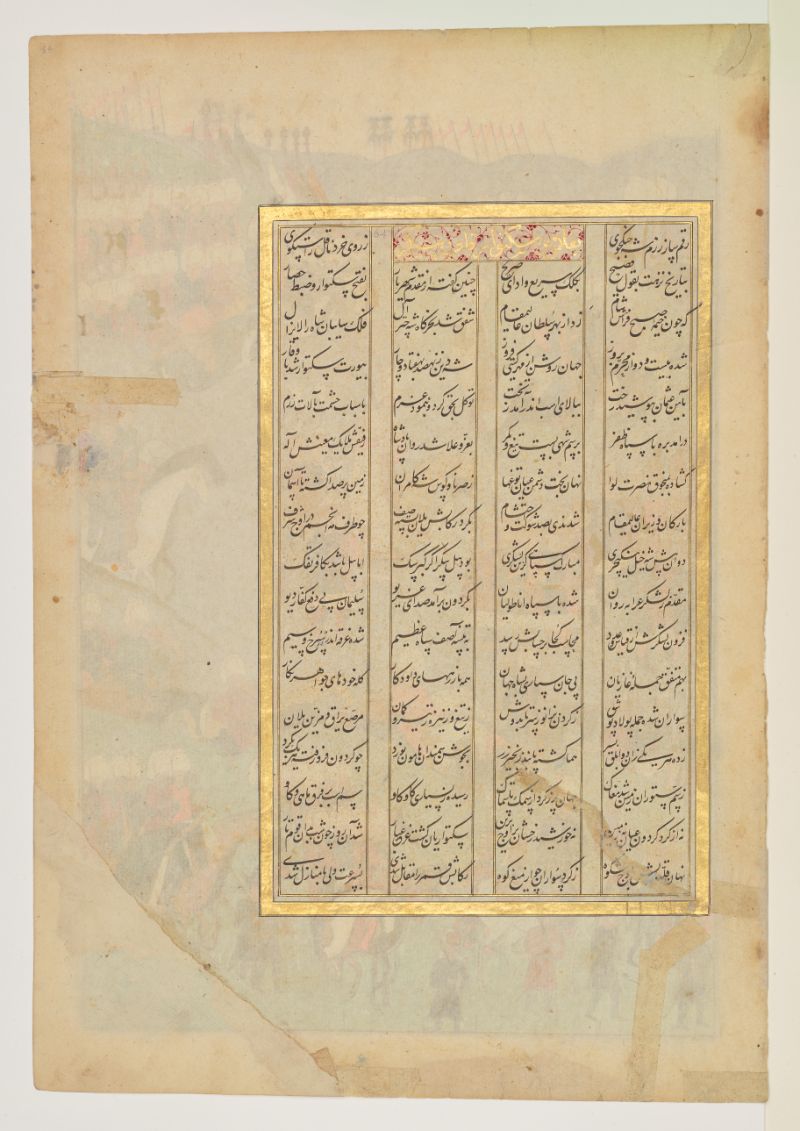
Ottoman army arrives at Szigetvar
Qāsim al-Ḥusaynī al-`Arīdī al-Qazvīnī · 1579-1588
An illustration from a later Ottoman history showing Sultan Süleyman's army at Szigetvár in 1566, centuries after Osman I founded the dynasty.
Depicts a 1566 campaign by Süleyman, centuries after Osman I founded the empire; shown here only as later dynastic context.
About this source
What it is
This painted manuscript page comes from the History of Sultan Süleyman, a versified account written by the Ottoman court historian Sayyid Luqman, with illustration by Qāsim al-Ḥusaynī al-`Arīdī al-Qazvīnī. It shows Süleyman the Magnificent arriving with his army at the Hapsburg fortress of Szigetvár in Hungary in 1566. The manuscript is held today by the Chester Beatty library.
Why it matters
The scene documents one of the final campaigns of Süleyman the Magnificent, whose reign came over two centuries after Osman I founded the Ottoman state. It shows how later sultans continued the expansion that Osman began, and how Ottoman court historians recorded military campaigns in detailed illustrated chronicles.
Look closer
- What details show this army is organised for a major siege?
- Why might a court historian want to record this campaign in such detail?
- What does this image not tell us about the ordinary soldiers involved?
This painting is part of the curated material that grounds the AI version of Osman I on Humy.ai — when students ask about related events, the AI can quote it and cite it.
More Osman I sources
Browse all 55 →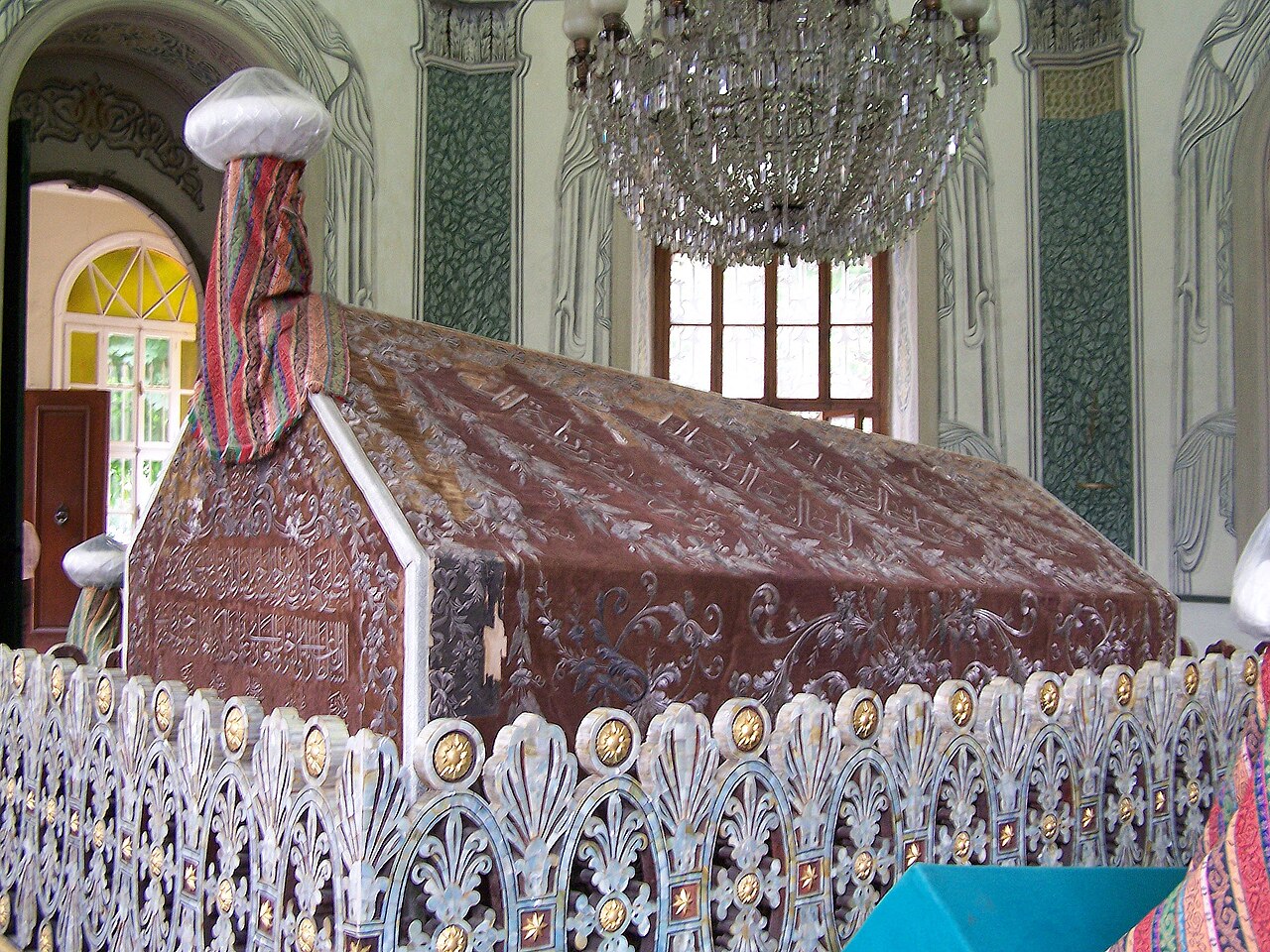 Artifact
Secondary source
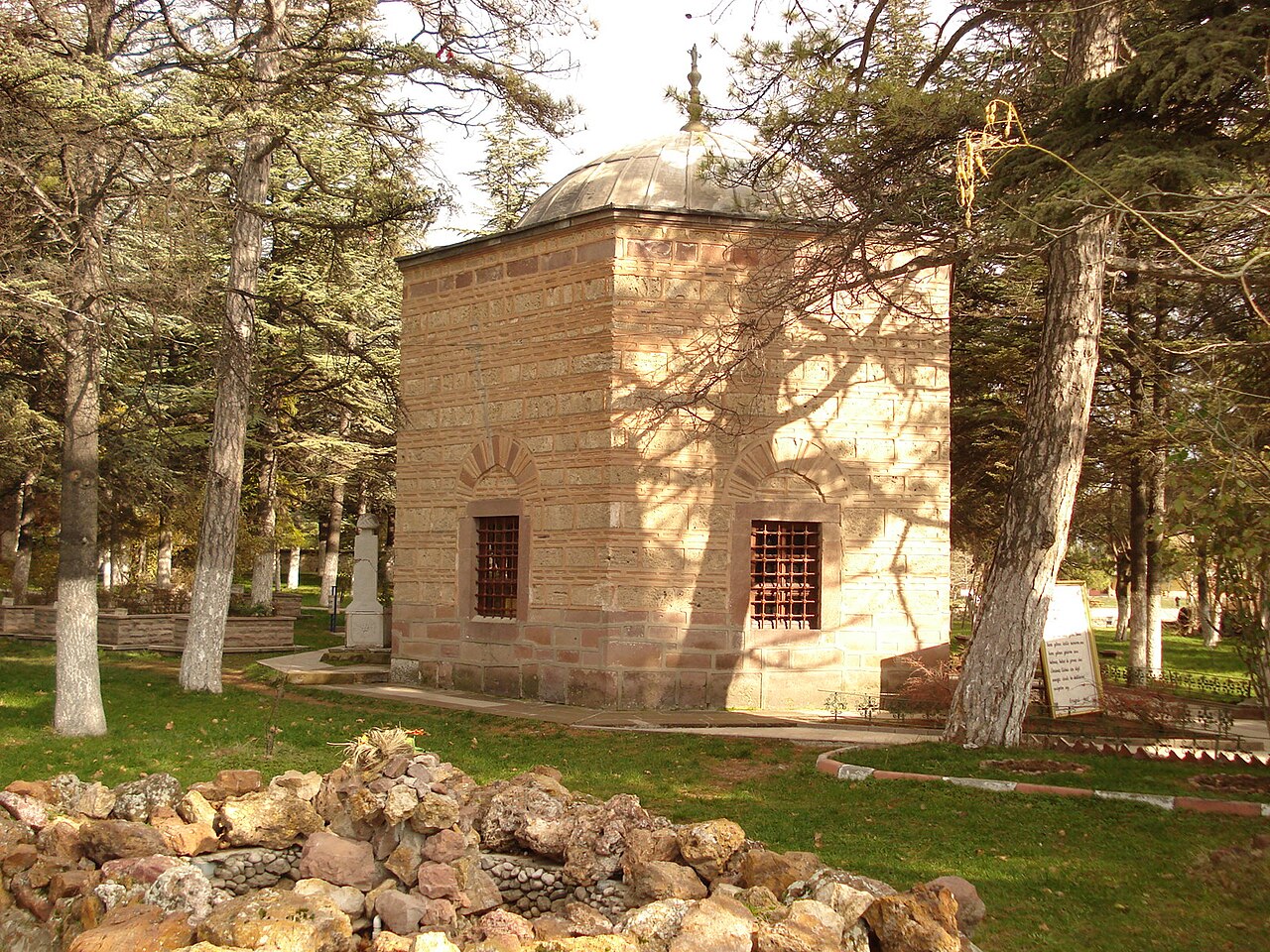
Türbe of Osman I
rebuilt after 1855 (original site earlier)
 Painting
Secondary source
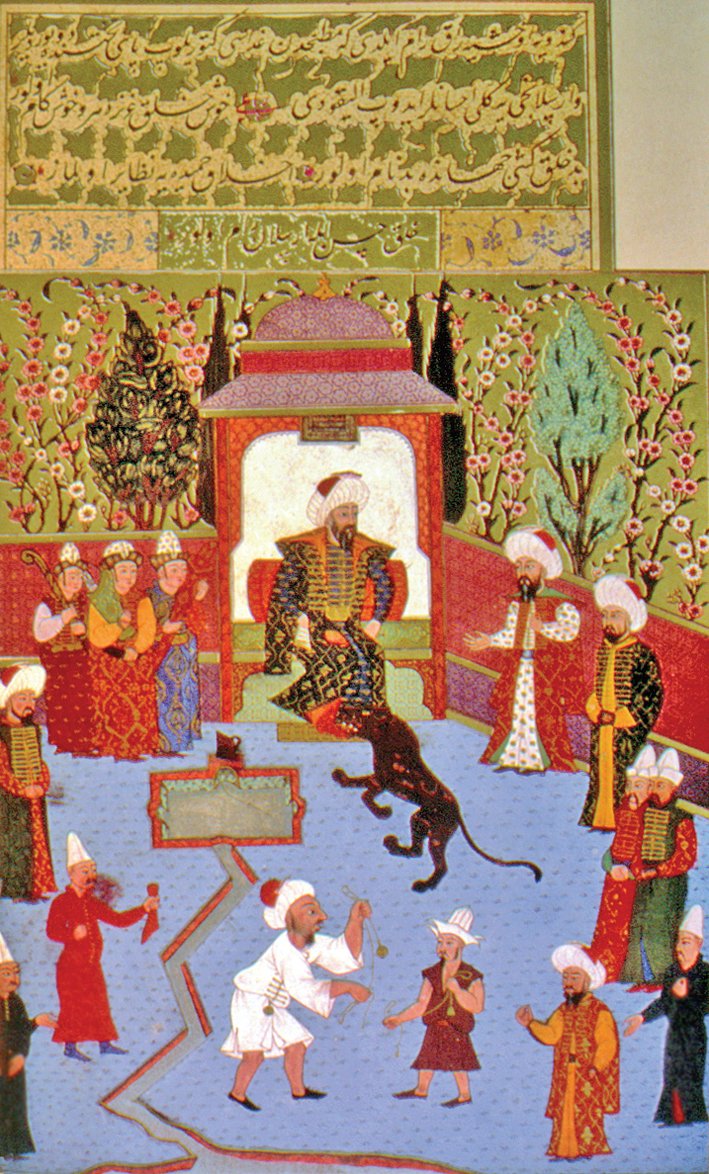
Osman I Miniature from the Hünername
Nakkaş Osman · 1584–1588
 Painting
Secondary source
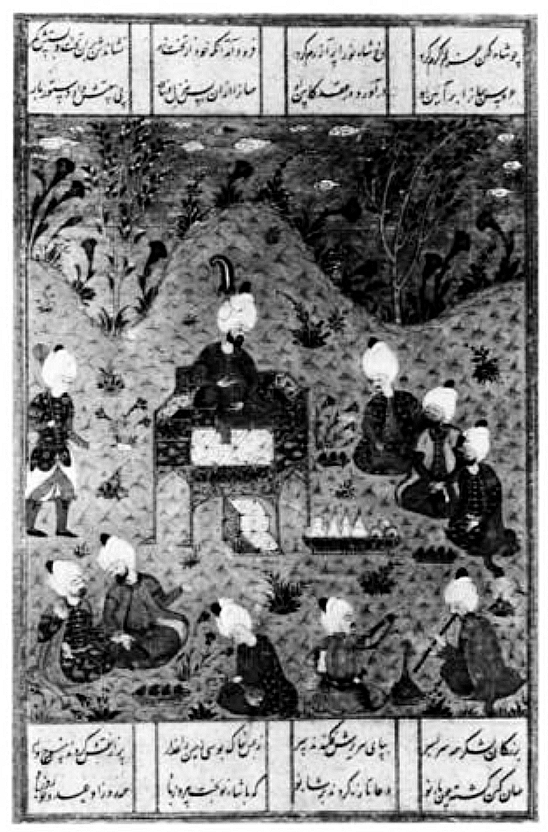
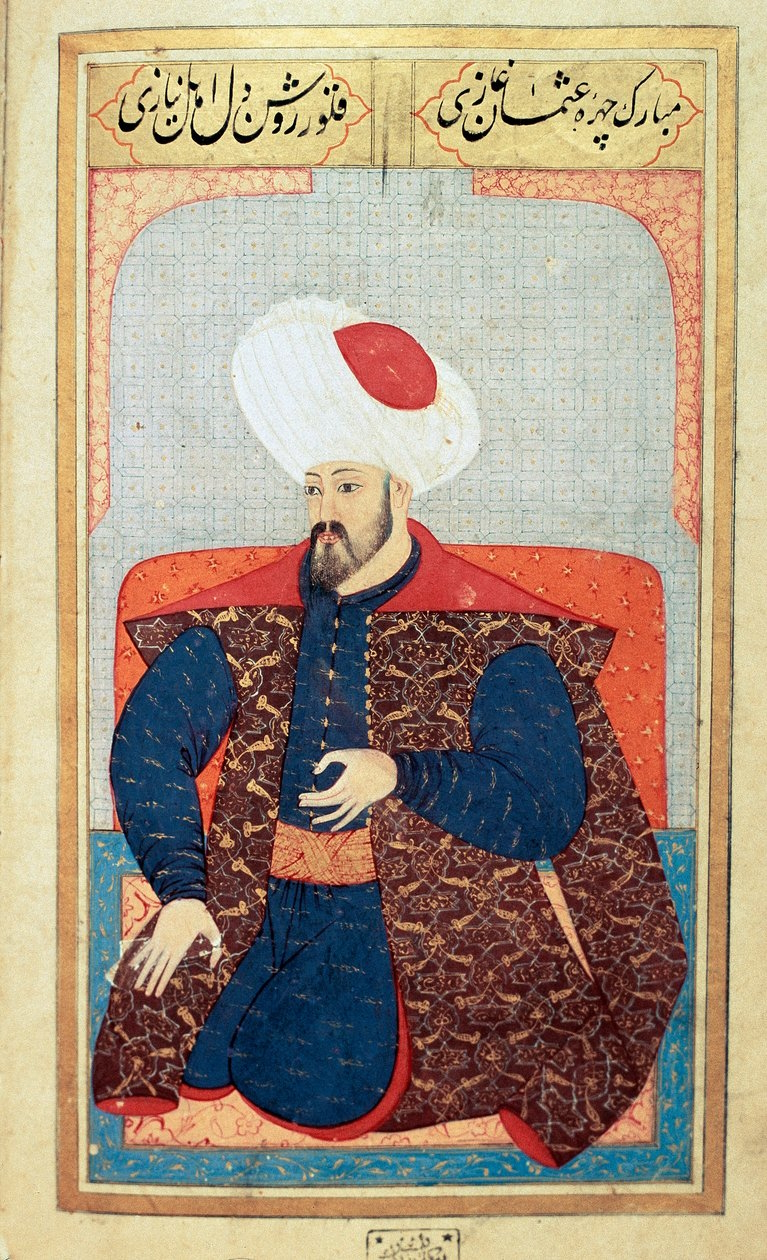
Enthronement of Sultan Osman I
c.1558 Ottoman artist · c. 1558
 Painting
Secondary source
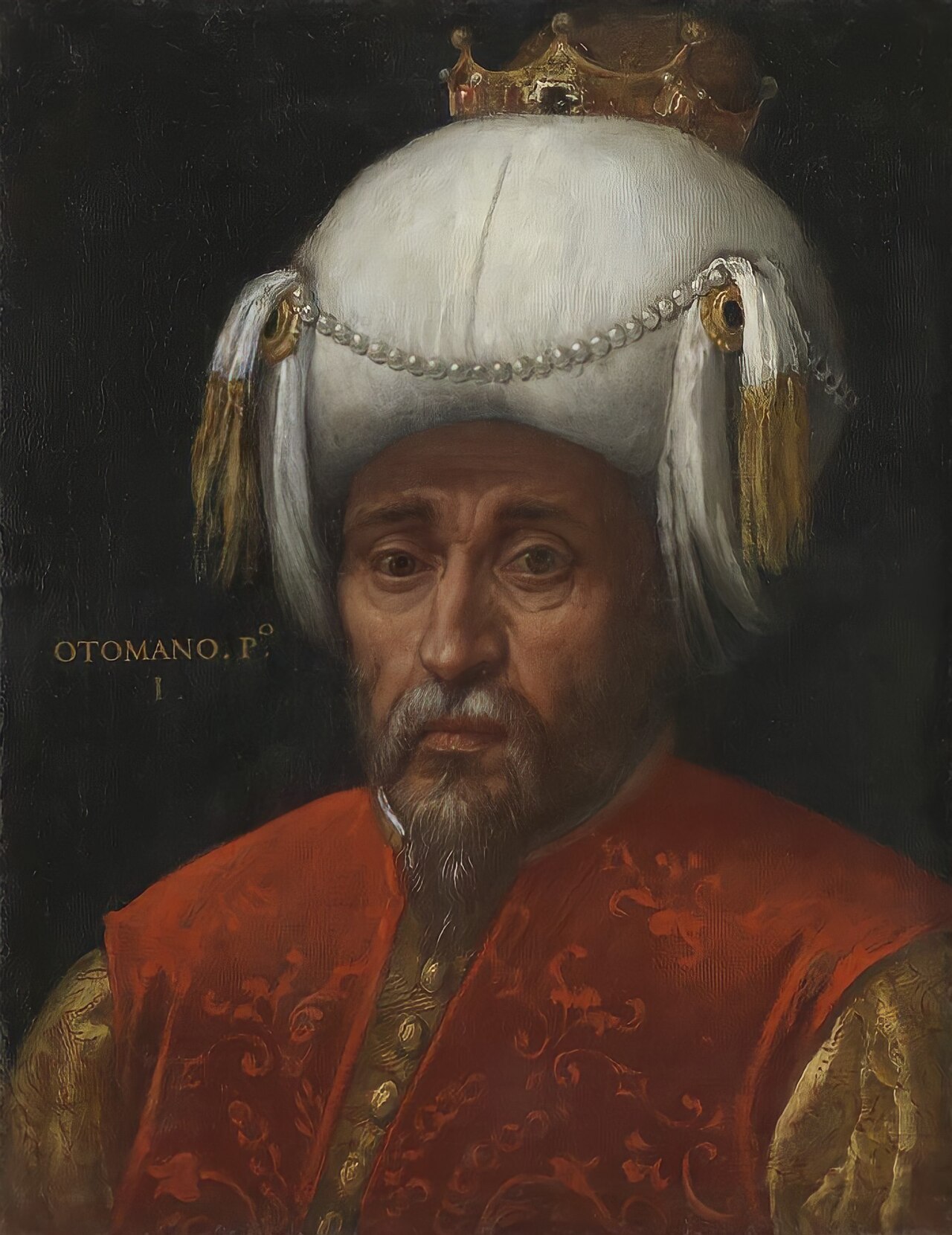
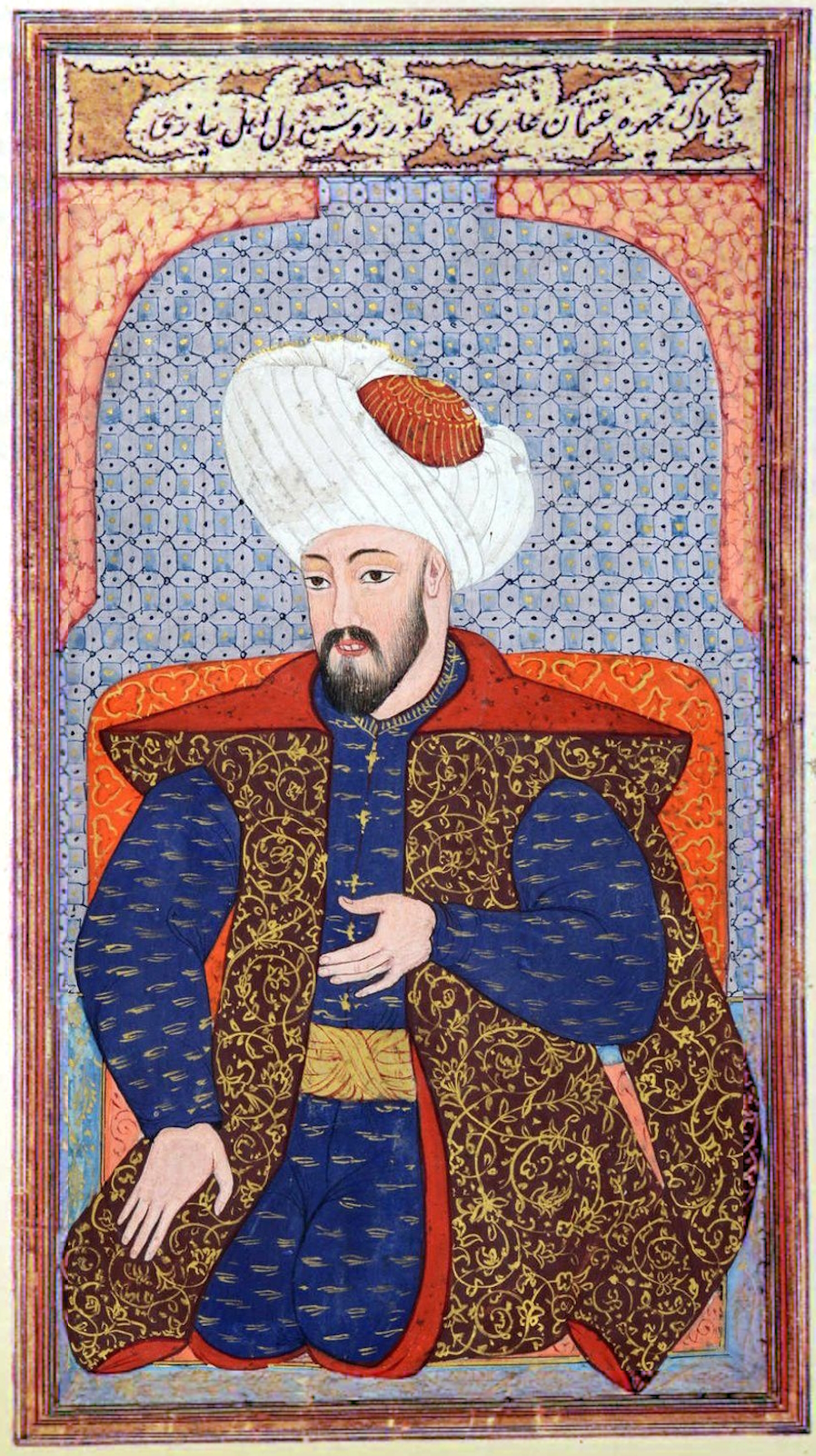
Miniature of Sultan Osman I
Nakash (court artist) · 1579
Free account
Read every Osman I source
Sign up free →
Ready when you are
Start chatting with Osman I now.
20 messages free · No credit card · Available in 50+ languages.