


Primary sourceArtifactc. 3300 BCE
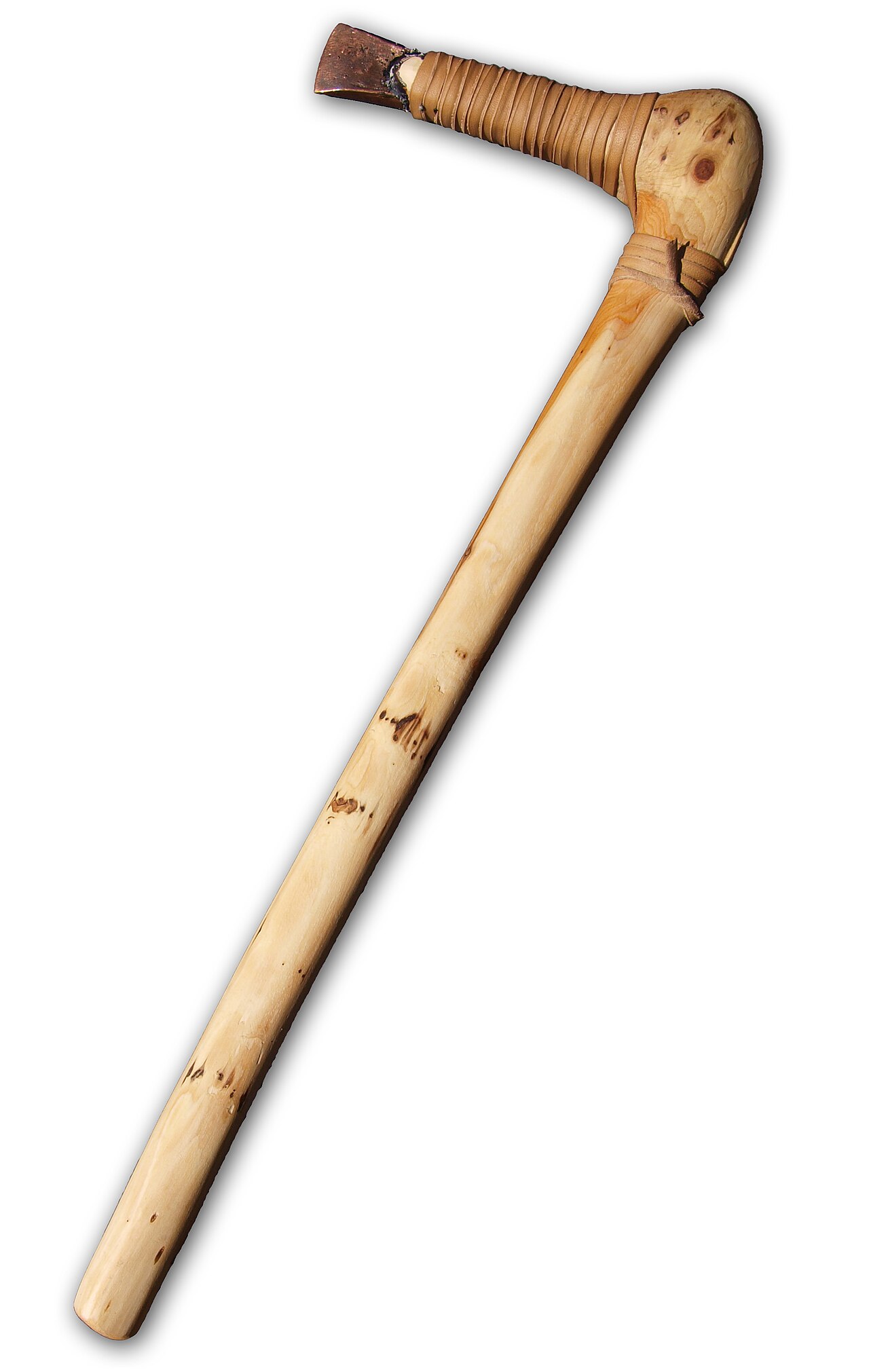
Ötzi's Copper Axe
c. 3300 BCE
A copper axe found with the Iceman's body, made from Tuscan ore and hafted in carefully worked yew wood.
This copper axe was owned and carried by Ötzi, marking him as a person of status in Copper Age trade networks.
About this source
What it is
This is the cast copper axe head found with Ötzi, the Copper Age man preserved in alpine ice. The haft is made from yew wood with a right-angled crook, and the blade is almost pure copper, cast rather than mechanically hardened. The original is held at the South Tyrol Museum of Archaeology in Bolzano; the image shown here is a modern reconstruction.
Why it matters
The axe helped scientists date Ötzi to the Copper Age and shows he carried metal that came from Tuscan ore, far from where he was found. This tells historians that people of this time were already part of long-distance trade or exchange networks, and that owning a copper axe likely marked Ötzi as a person of some status.
Look closer
- Why would a copper axe be a sign of status in the Copper Age?
- What does the axe's material tell us about contact between distant regions?
- This image is a reconstruction, not the original artifact — why might museums make replicas like this?
This artifact is part of the curated material that grounds the AI version of Ötzi on Humy.ai — when students ask about related events, the AI can quote it and cite it.
More Ötzi sources
Meet the AI Ötzi →Primary source
Treaty of Saint-Germain-en-Laye
10 September 1919
 Artifact
Primary source
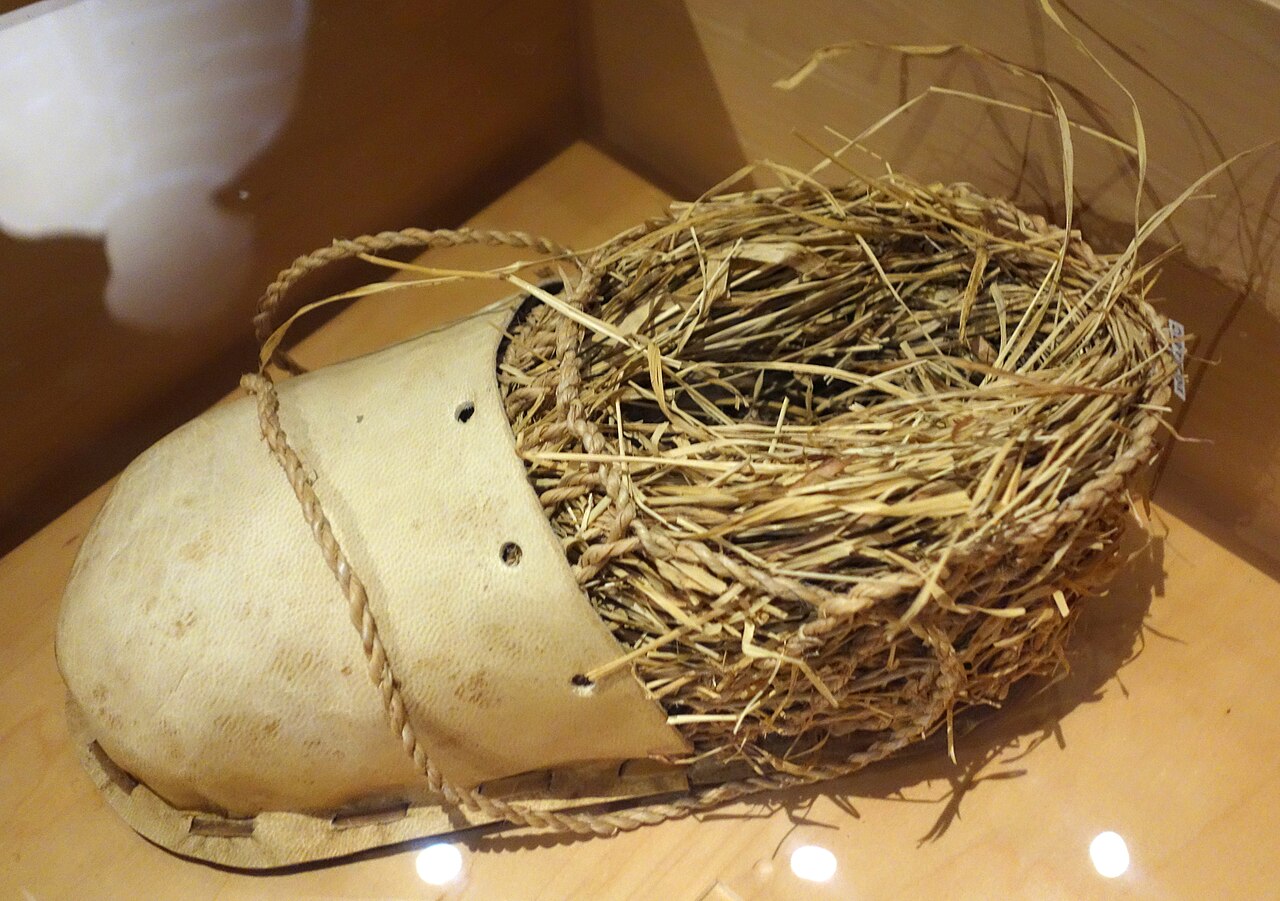
Ötzi's Shoes
c. 3300 BCE
 Photograph
Tertiary source
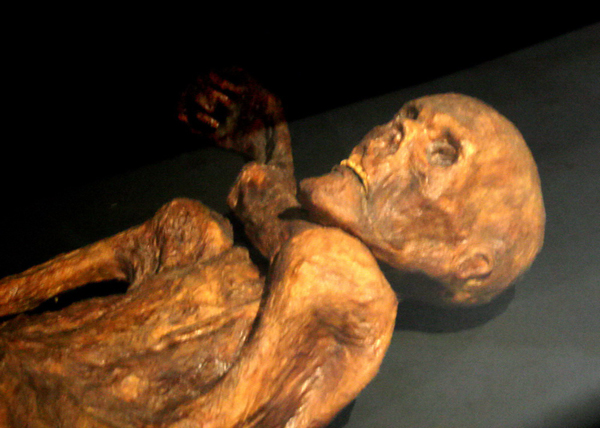
Portrait of Ötzi
 Document
Secondary source
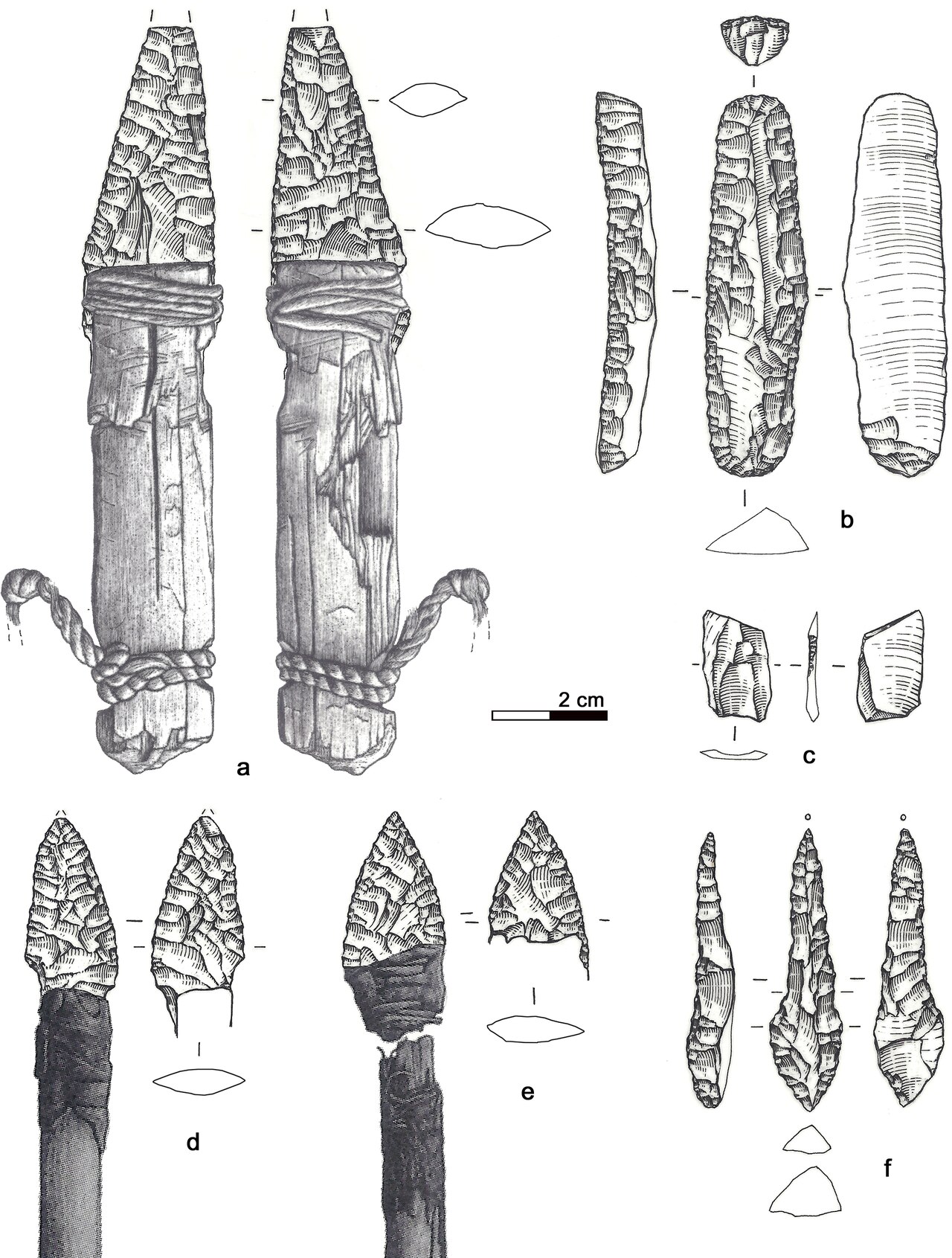
The Iceman Lithic Assemblage
Ursula Wierer, Simona Arrighi, Stefano Bertola, Günther Kaufmann, Benno Baumgart
 Artifact
Secondary source
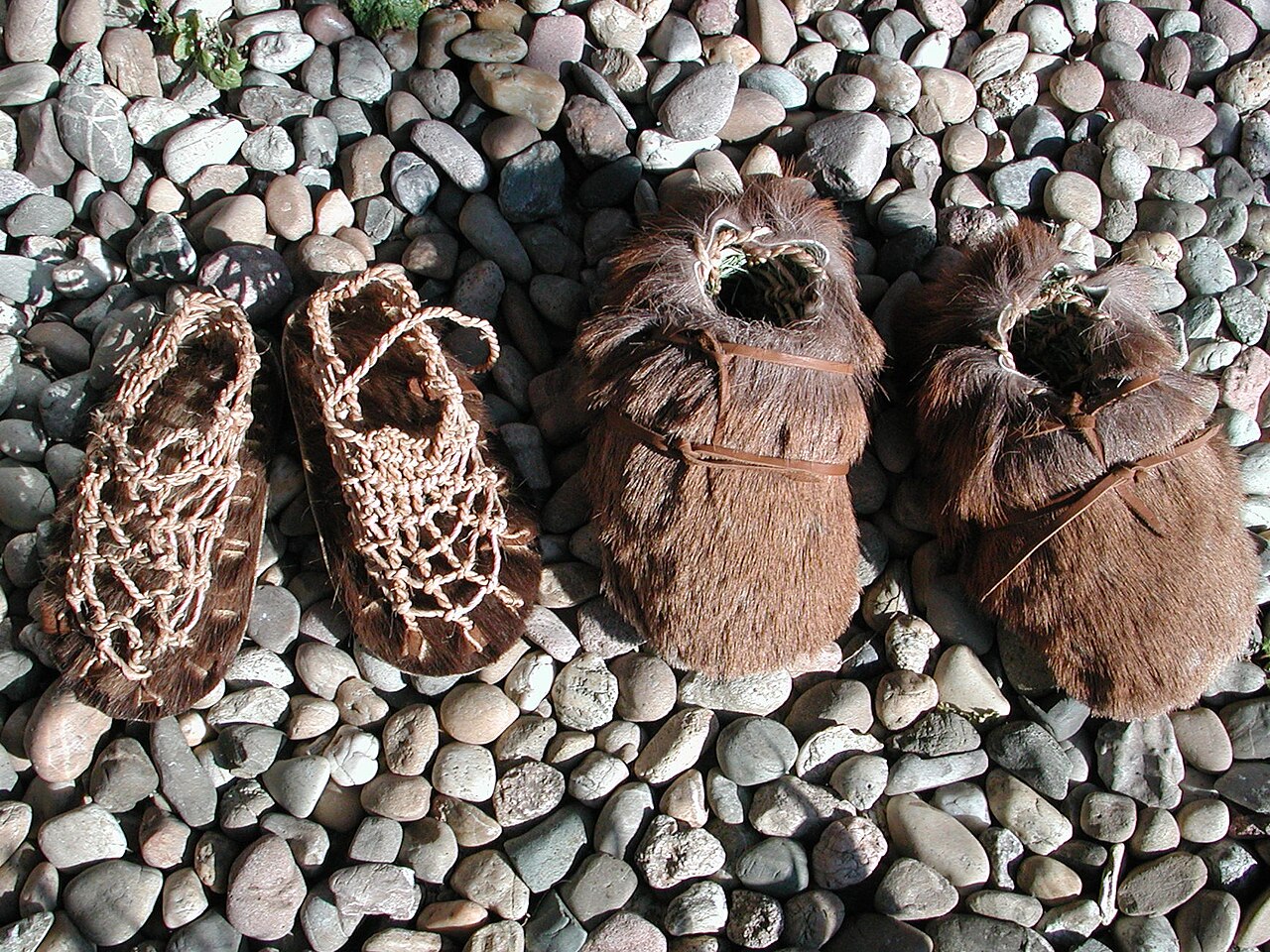
Reconstruction of Ötzi's Shoes by Anne Reichert
Anne Reichert · 26 April 2007
Ready when you are
Start chatting with Ötzi now.
20 messages free · No credit card · Available in 50+ languages.