


Primary sourceDocument10 September 1919
Treaty of Saint-Germain-en-Laye
10 September 1919
A 1919 peace treaty that redrew the Austrian-Italian border, creating the territorial dispute that later decided which country claimed Ötzi's remains.
This treaty's border line later determined that Ötzi's find site fell within Italy, shaping the mummy's legal ownership.
About this source
What it is
This treaty was signed on 10 September 1919 by the Allied Powers of World War I and the new Republic of German-Austria at the Château de Saint-Germain-en-Laye, France. It dissolved the Austro-Hungarian Empire and set new borders for Austria.
Why it matters
Among its many provisions, the treaty moved the border between Austria and Italy to the Brenner Pass. This new watershed line, drawn by diplomats in 1919, later determined that Ötzi's body, found in 1991 high in the Alps, belonged to Italy rather than Austria, since the find spot lay just inside the new Italian side of the border.
Look closer
- Why would a border drawn decades before Ötzi's discovery decide which country owns an ancient mummy?
- What does this tell you about how political decisions can affect scientific and historical finds long after they are made?
- Who negotiated this treaty, and who was excluded from the talks?
This document is part of the curated material that grounds the AI version of Ötzi on Humy.ai — when students ask about related events, the AI can quote it and cite it.
More Ötzi sources
Meet the AI Ötzi →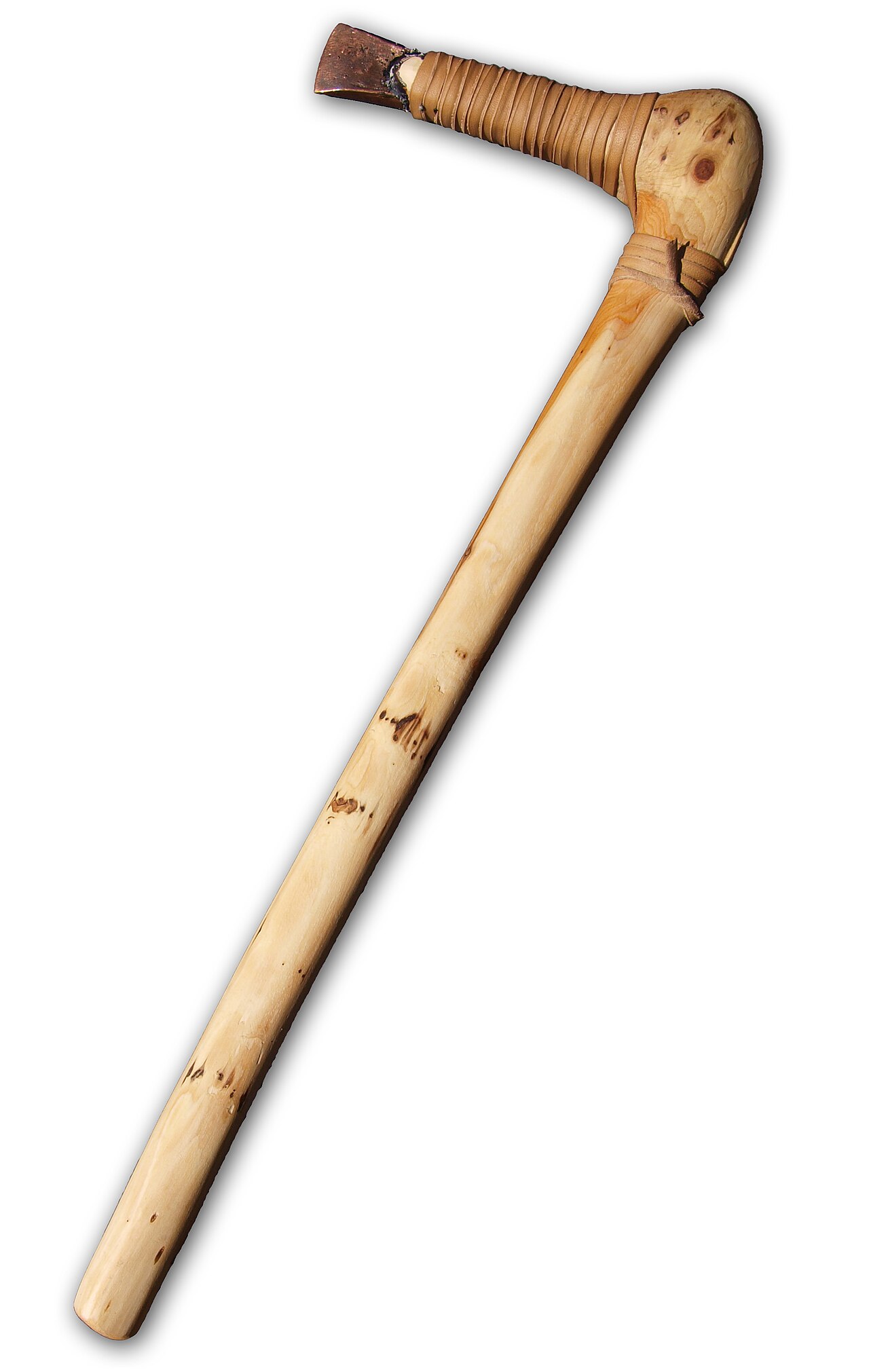 Artifact
Primary source
Ötzi's Copper Axe
c. 3300 BCE
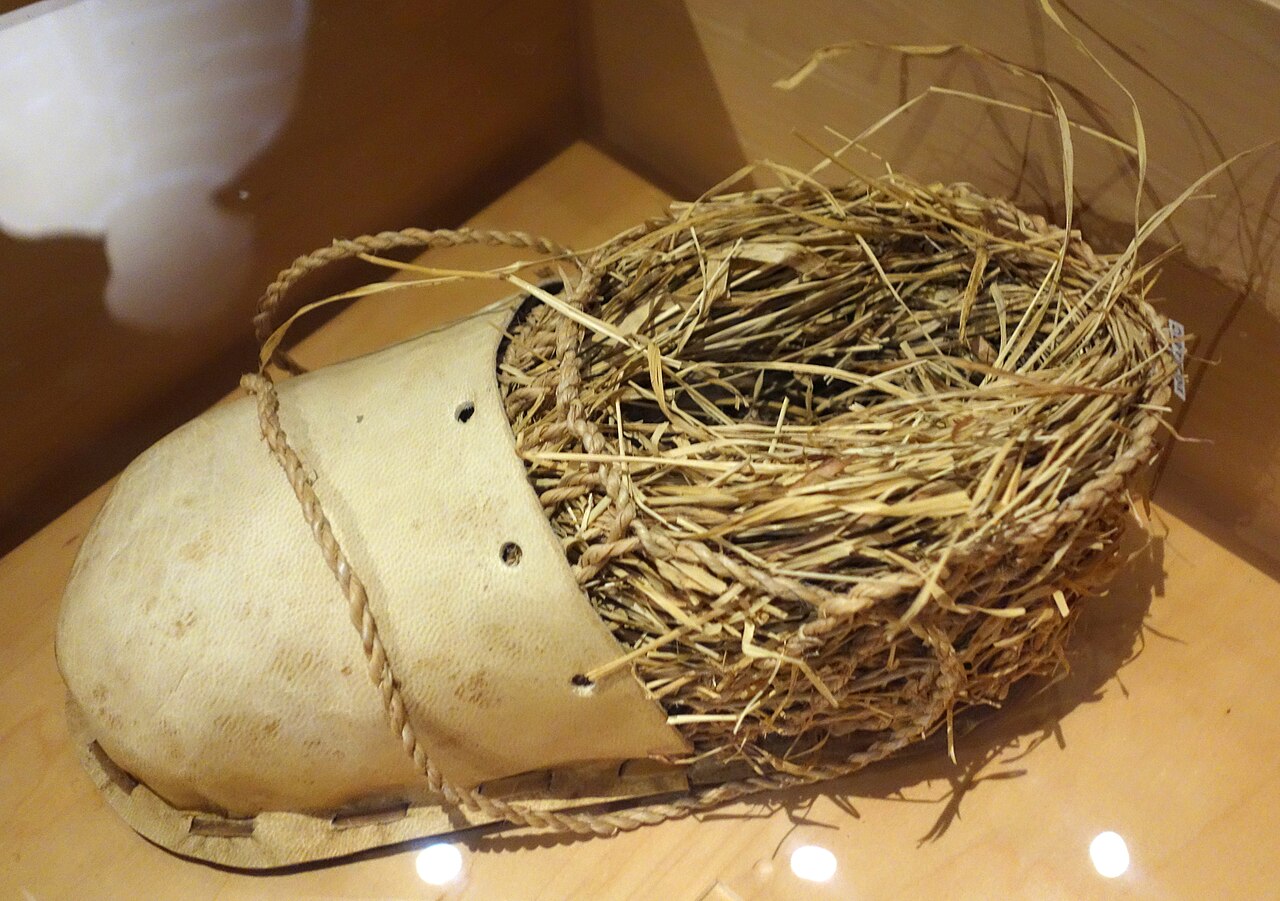 Artifact
Primary source
Ötzi's Shoes
c. 3300 BCE
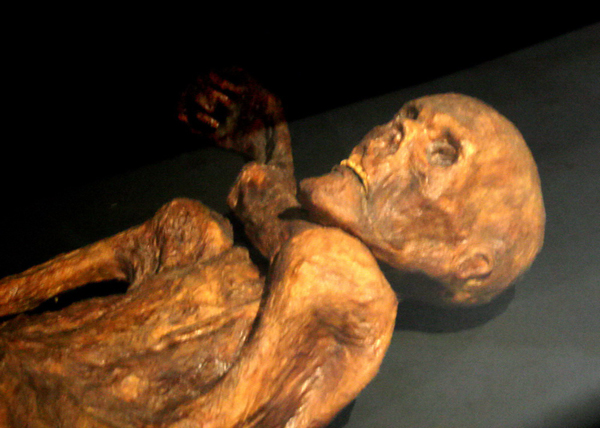 Photograph
Tertiary source
Portrait of Ötzi
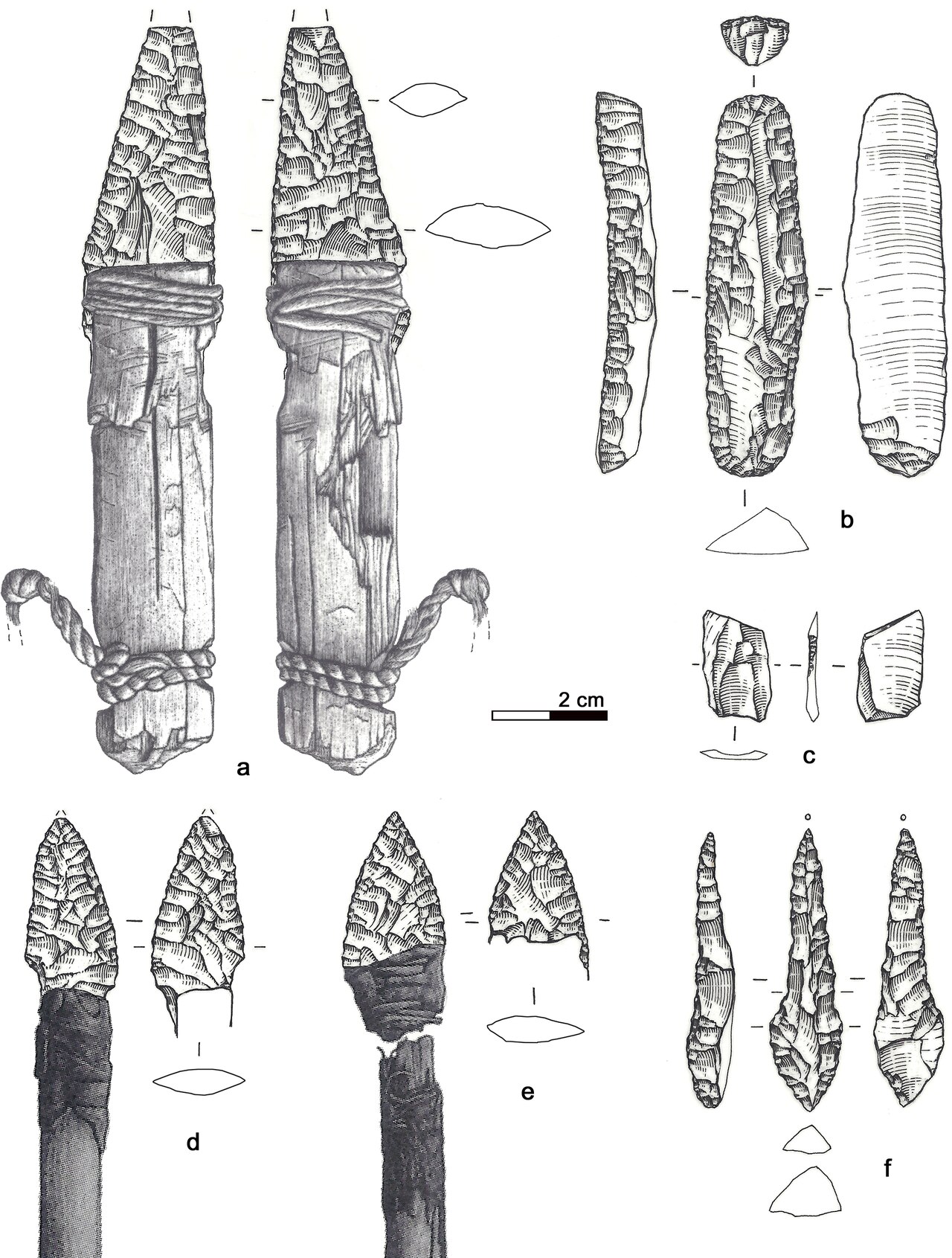 Document
Secondary source
The Iceman Lithic Assemblage
Ursula Wierer, Simona Arrighi, Stefano Bertola, Günther Kaufmann, Benno Baumgart
 Artifact
Secondary source
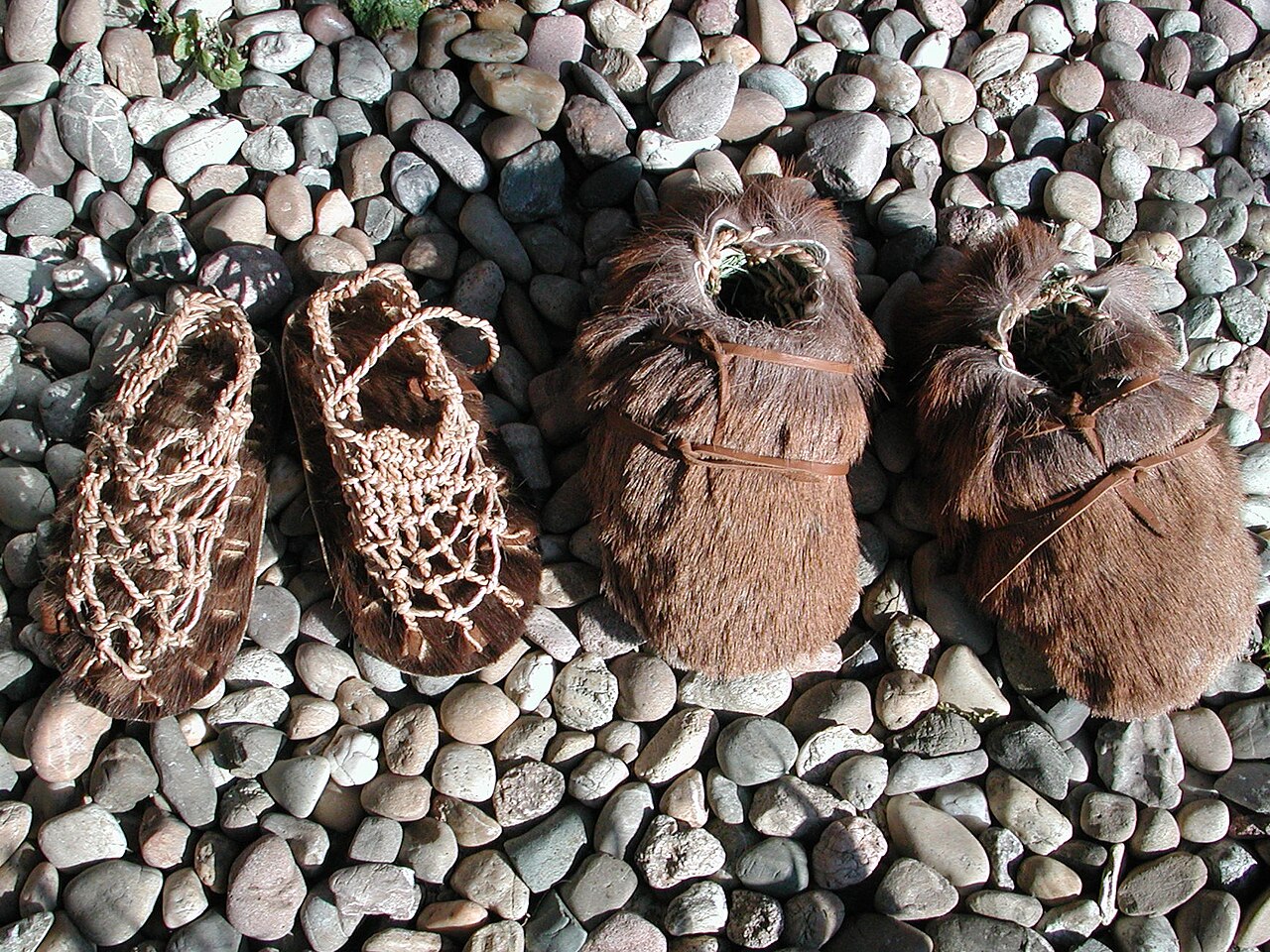
Reconstruction of Ötzi's Shoes by Anne Reichert
Anne Reichert · 26 April 2007
Ready when you are
Start chatting with Ötzi now.
20 messages free · No credit card · Available in 50+ languages.