


Primary sourceDocument1900 (describing experiments from the 1770s)
Oxygen and the Nature of Acids
Antoine Lavoisier · 1900 (describing experiments from the 1770s)
Lavoisier's own account of his experiments on oxygen and acids, reprinted in English translation in a 1900 science magazine.
Lavoisier's own description of his oxygen and acid experiments, reprinted in English for later readers.
About this source
What it is
This text reprints, in English translation, Antoine Lavoisier's first formal presentations of his theory of acids, alongside material from Joseph Priestley's account of discovering oxygen. It appeared in Popular Science Monthly in December 1900, describing experiments originally published in the 1770s.
Why it matters
The editors describe Lavoisier's work as the result of careful, gifted insight rather than accident, contrasting it with Priestley's more accidental discovery. Together these texts mark a turning point in chemistry, moving the field toward the methods still taught today.
Look closer
- What does Lavoisier's own description of his experimental setup, such as bending a retort's neck, tell you about his working methods?
- Why do the editors compare Lavoisier's approach with Priestley's?
- Why might a science magazine in 1900 want its readers to study texts over a century old?
This document is part of the curated material that grounds the AI version of Antoine Lavoisier on Humy.ai — when students ask about related events, the AI can quote it and cite it.
More Antoine Lavoisier sources
Meet the AI Antoine Lavoisier →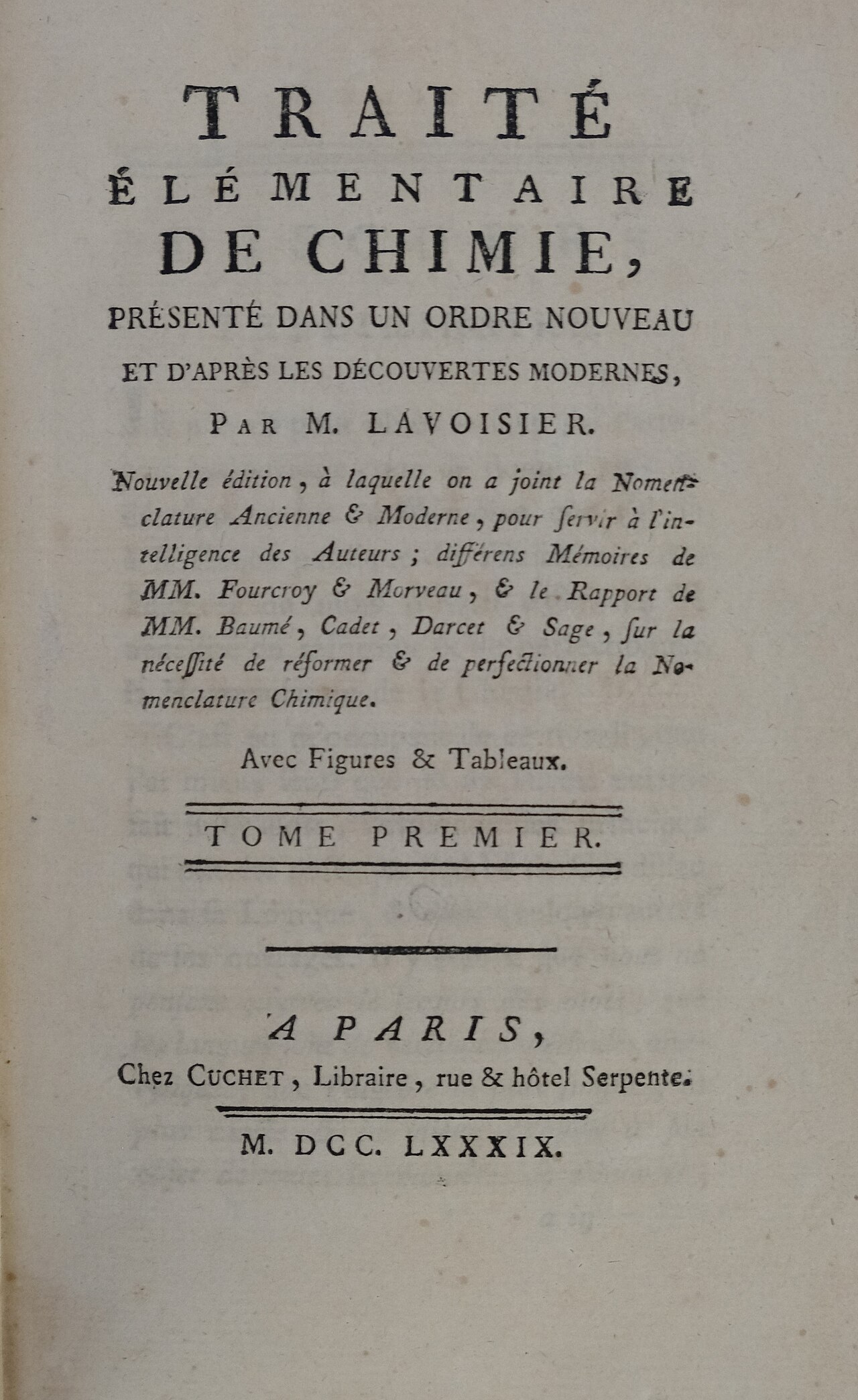 Book
Primary source
Traité Élémentaire de Chimie
Antoine Lavoisier · 1789
 Painting
Primary source
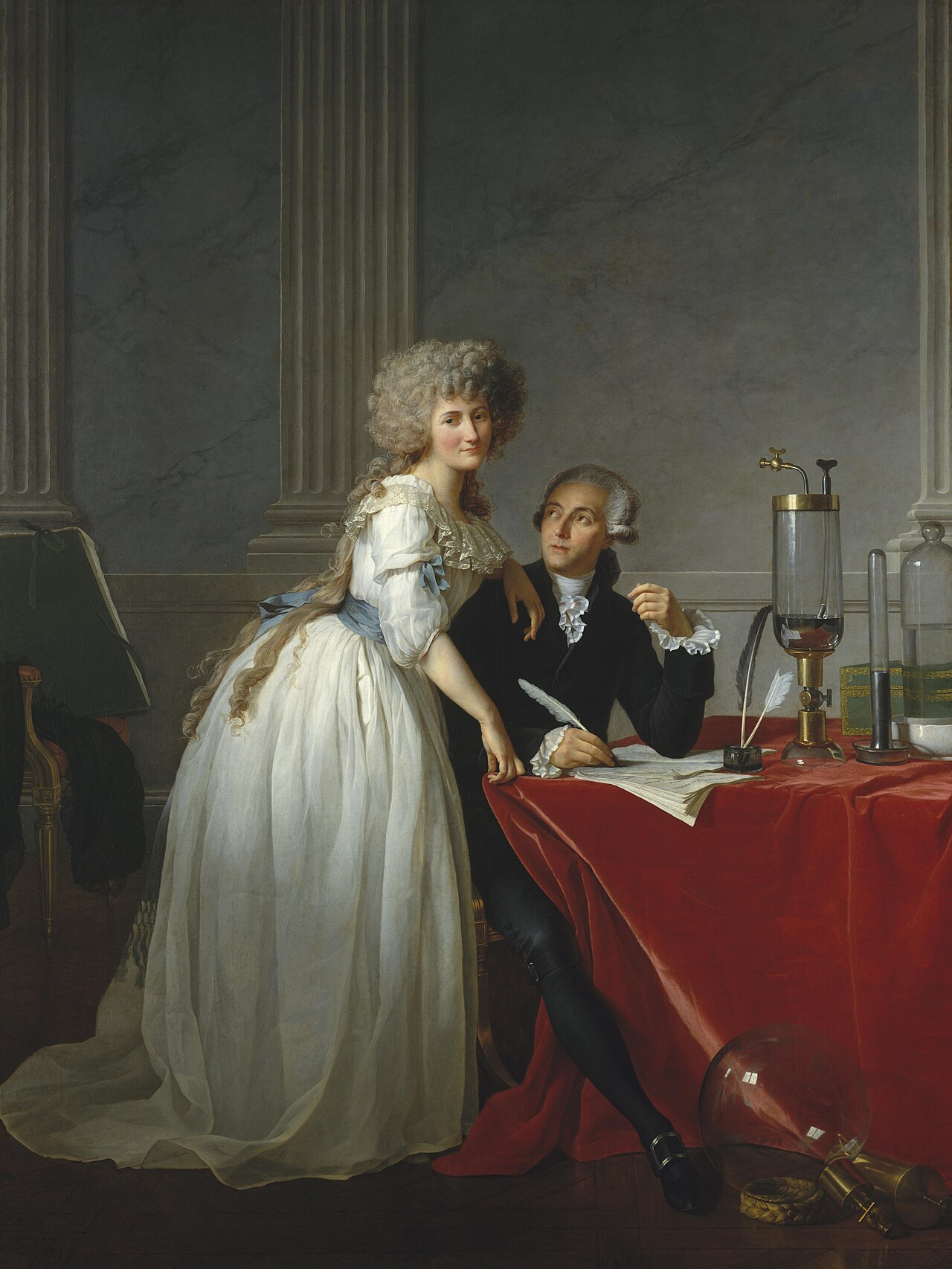
Portrait of Antoine-Laurent Lavoisier and his wife
Jacques-Louis David · 1788
 Book
Primary source
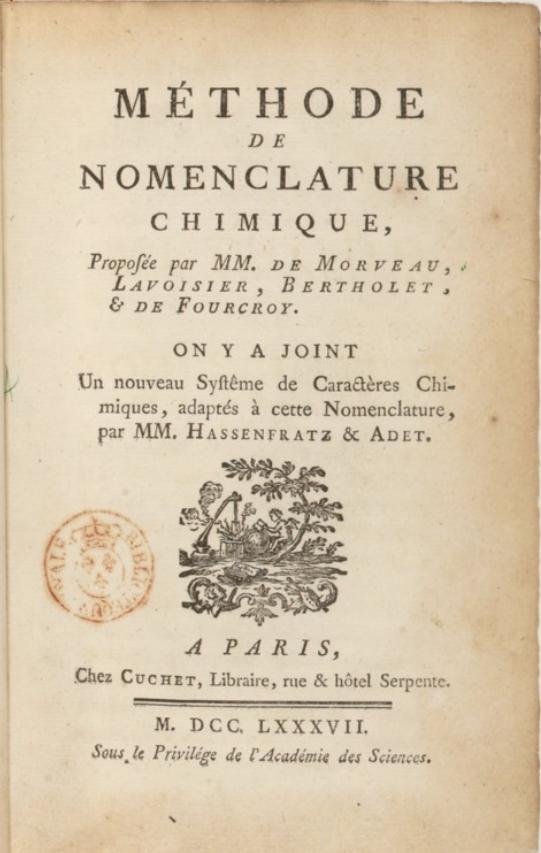
Méthode de nomenclature chimique
Antoine Lavoisier, Louis-Bernard Guyton de Morveau, Claude-Louis Berthollet, Antoine François de Fourcroy · 1787
 Artifact
Primary source
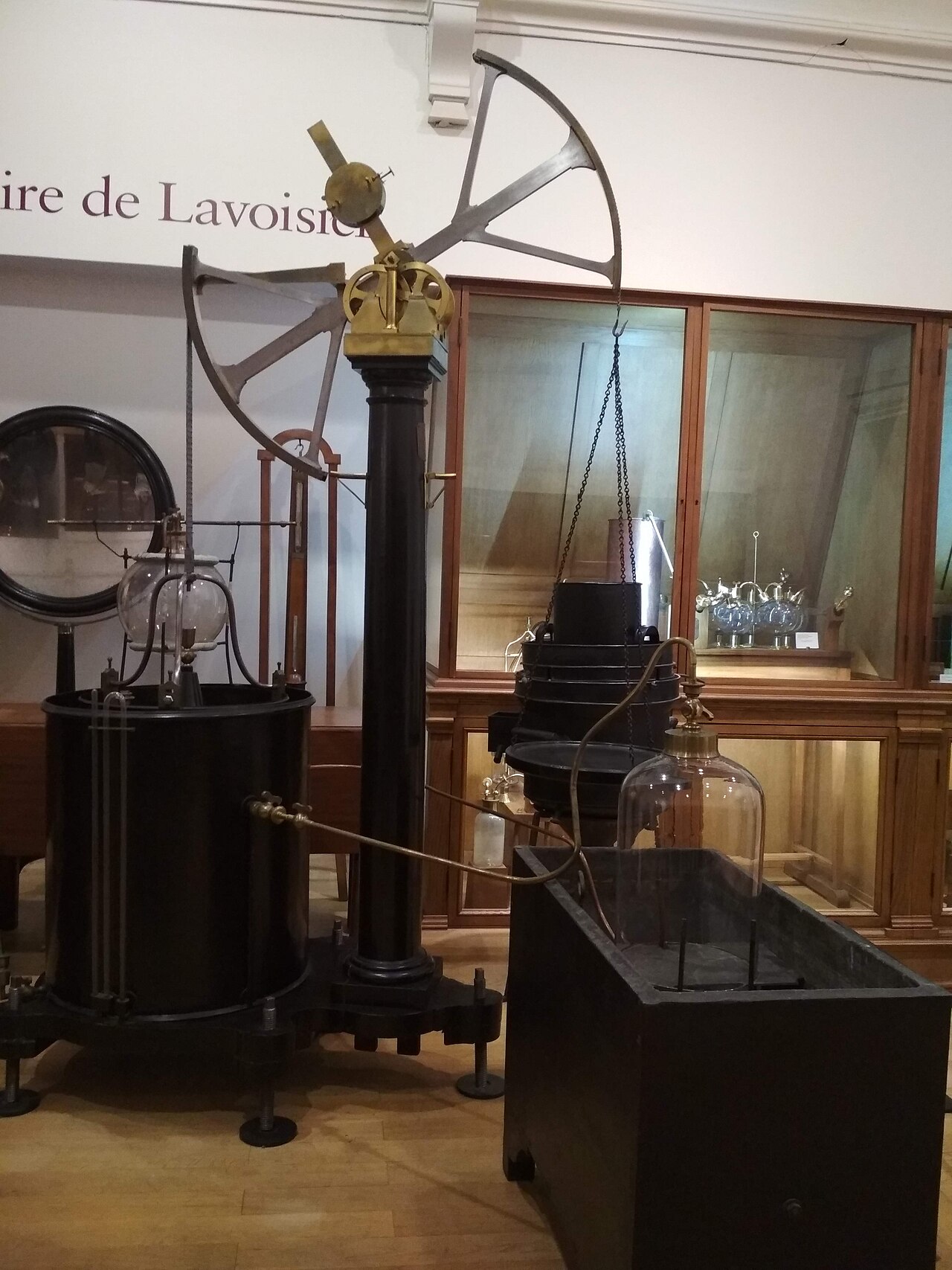
Lavoisier's ice calorimeter
Antoine Lavoisier and Pierre-Simon Laplace · c. 1782-1783
 Artifact
Primary source
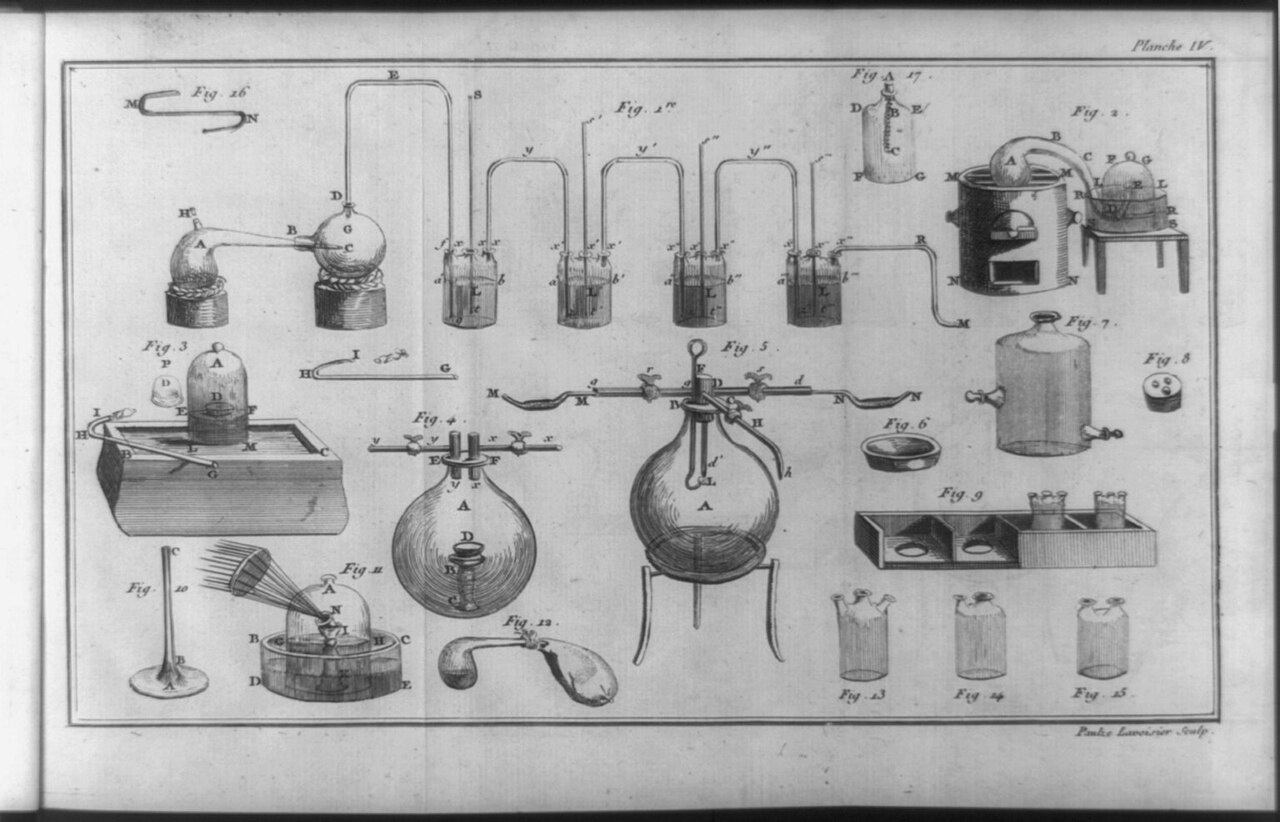
Scientific Apparatus Used by Lavoisier in Studying Chemical Reactions
Marie-Anne Paulze Lavoisier
Ready when you are
Start chatting with Antoine Lavoisier now.
20 messages free · No credit card · Available in 50+ languages.