


Primary sourcePainting1630-1657
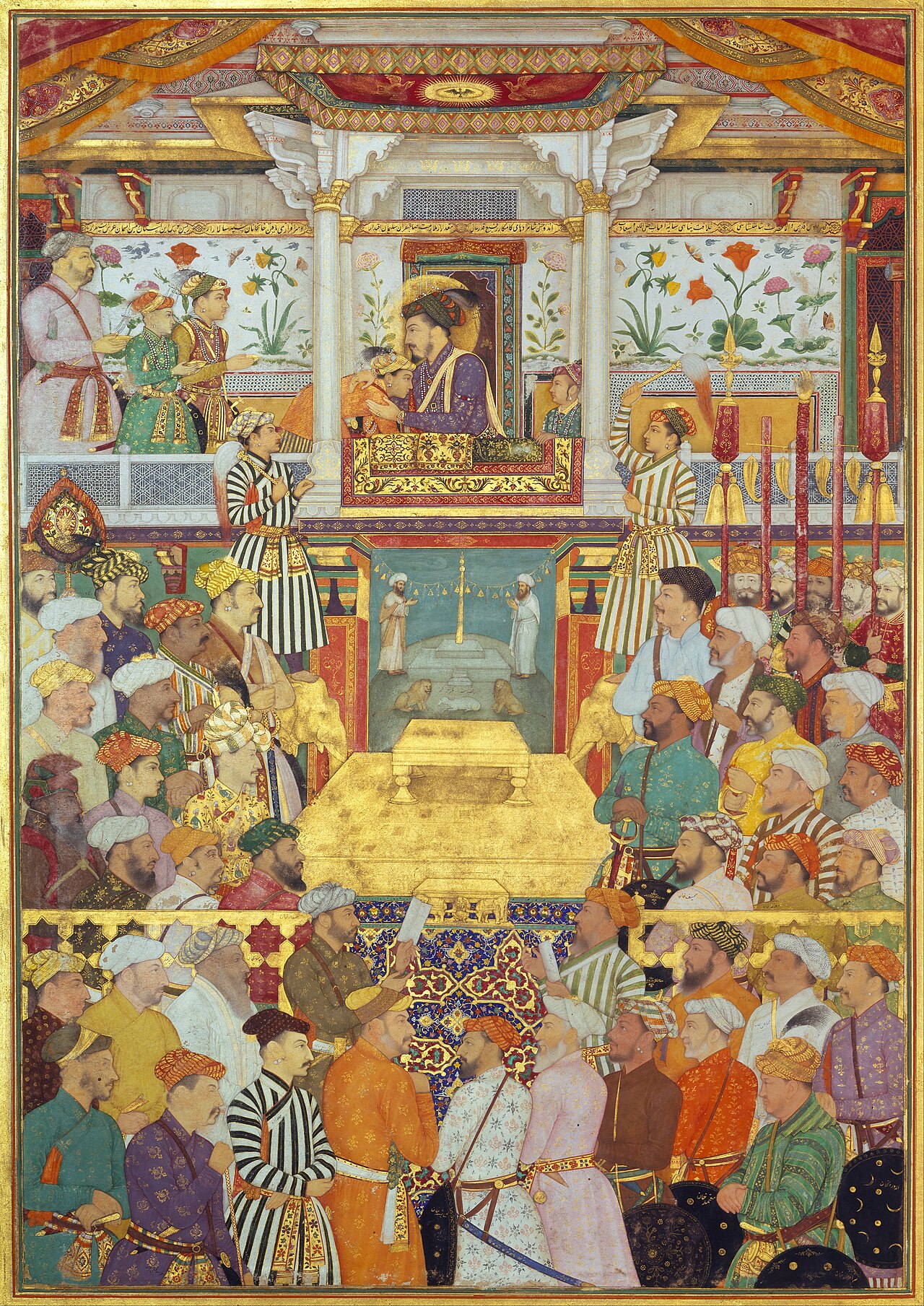
Padshahnama Plate 10: Shah Jahan Receives His Sons at His Accession
Bichitr · 1630-1657
A painted page from the official Mughal chronicle showing Shah Jahan's accession ceremony with his three eldest sons and his father-in-law Asaf Khan.
Depicts Shah Jahan's accession ceremony, the formal start of his reign as emperor.
About this source
What it is
This is a page from the Padshahnama, the official illustrated chronicle of Shah Jahan's reign, painted by the court artist Bichitr. It shows the emperor's accession ceremony of 1628, with Shah Jahan enthroned under a canopy, his three eldest sons nearby, and the nobleman Asaf Khan present among crowds of courtiers.
Why it matters
The painting is part of a grand illustrated history that the Mughal court commissioned to record and celebrate Shah Jahan's rule. Such images were political tools as much as art: they showed the emperor's power and the order of his court to anyone who saw the manuscript.
Look closer
- Why might the artist have painted so many courtiers crowded below the throne?
- What does the arrangement of figures tell you about rank and status at court?
- Whose version of events does an official court painting give us, and whose is left out?
This painting is part of the curated material that grounds the AI version of Shah Jahan on Humy.ai — when students ask about related events, the AI can quote it and cite it.
More Shah Jahan sources
Browse all 99 →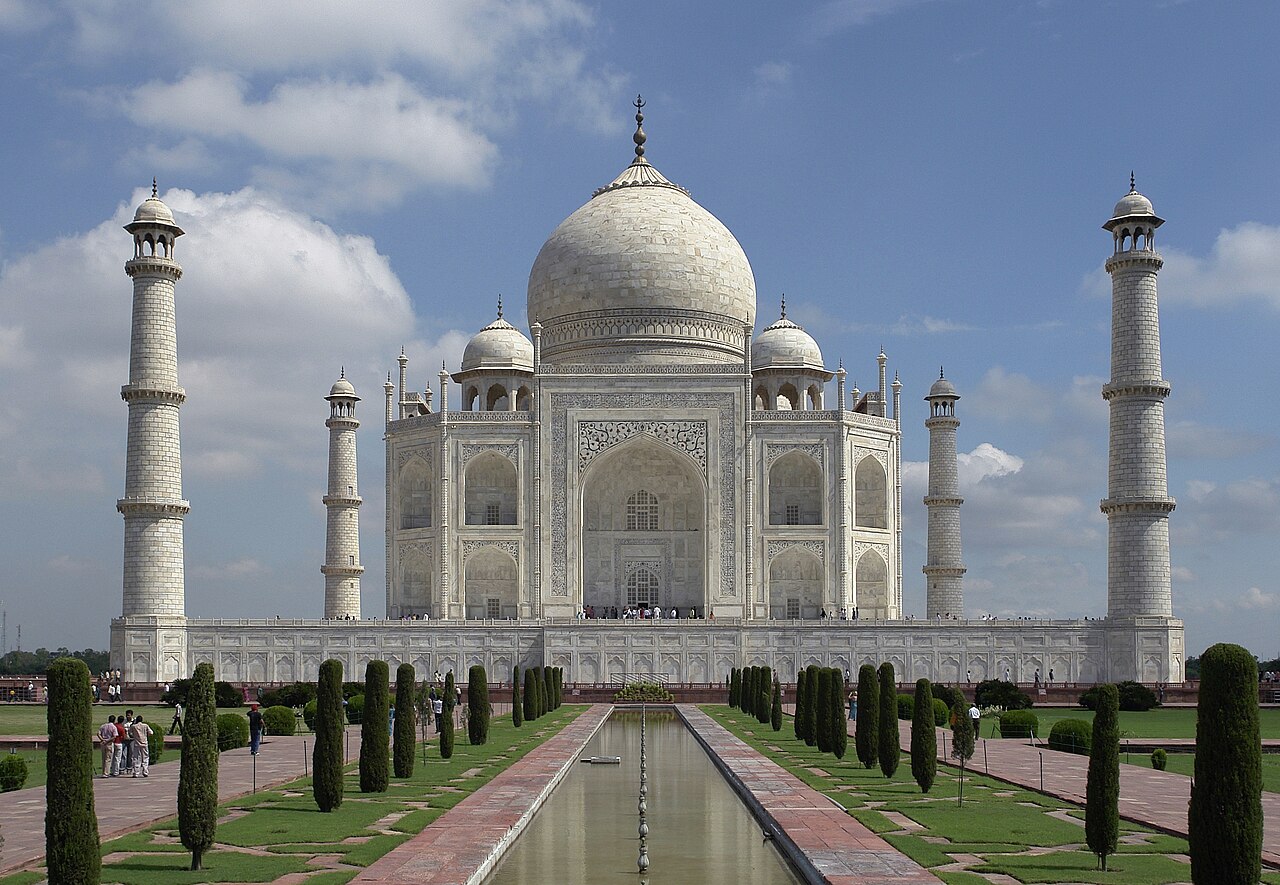 Artifact
Primary source
Taj Mahal
Ustad Ahmad Lahori · 1631-1653
 Book
Primary source
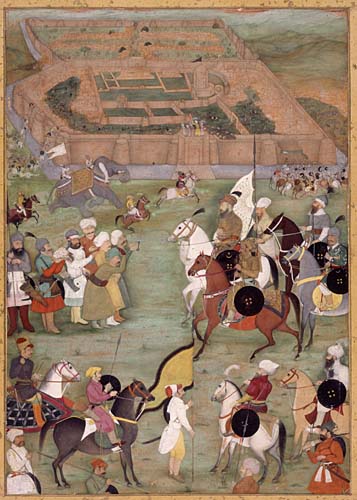
Padshahnama
Abdul Hamid Lahori · 1630-1657
 Artifact
Primary source
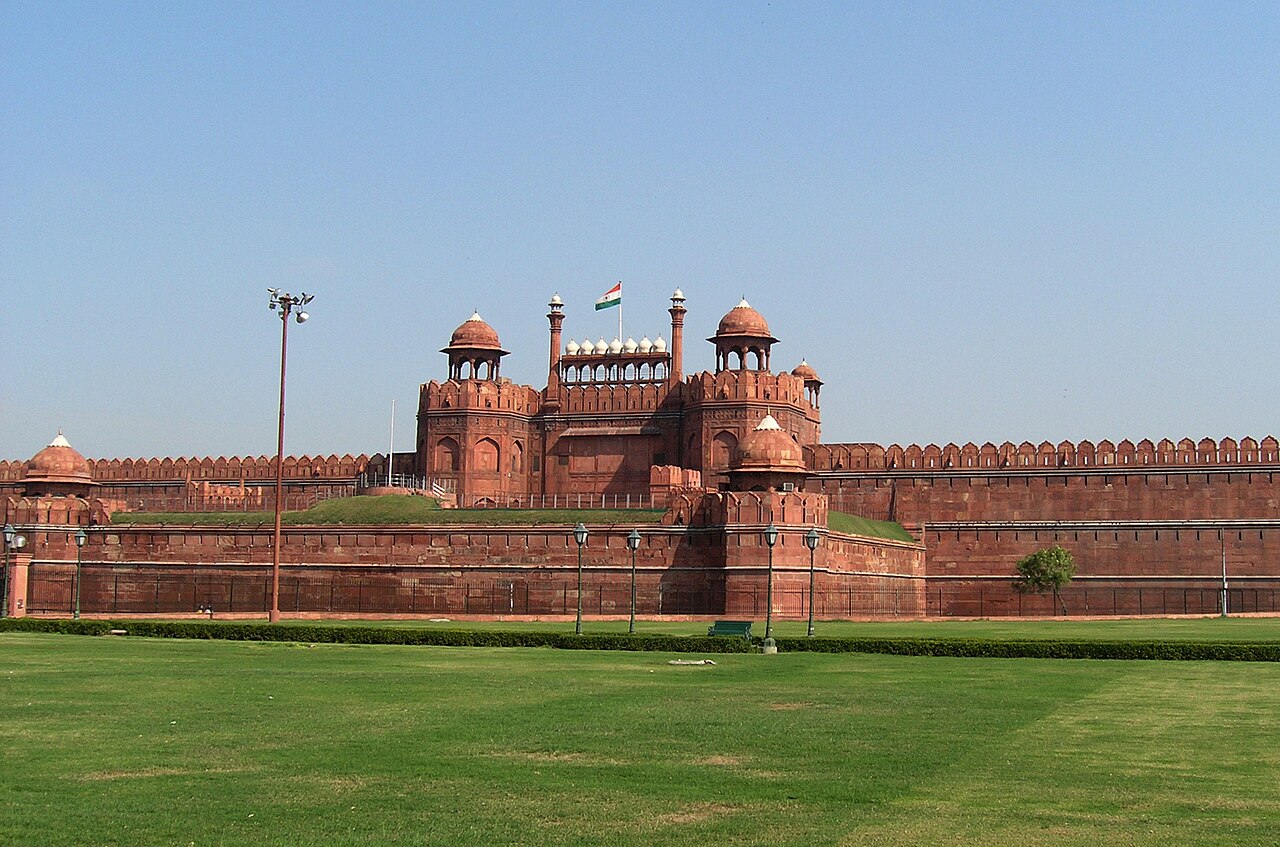
Red Fort
Ustad Ahmad Lahori · 1638-1648
 Painting
Primary source
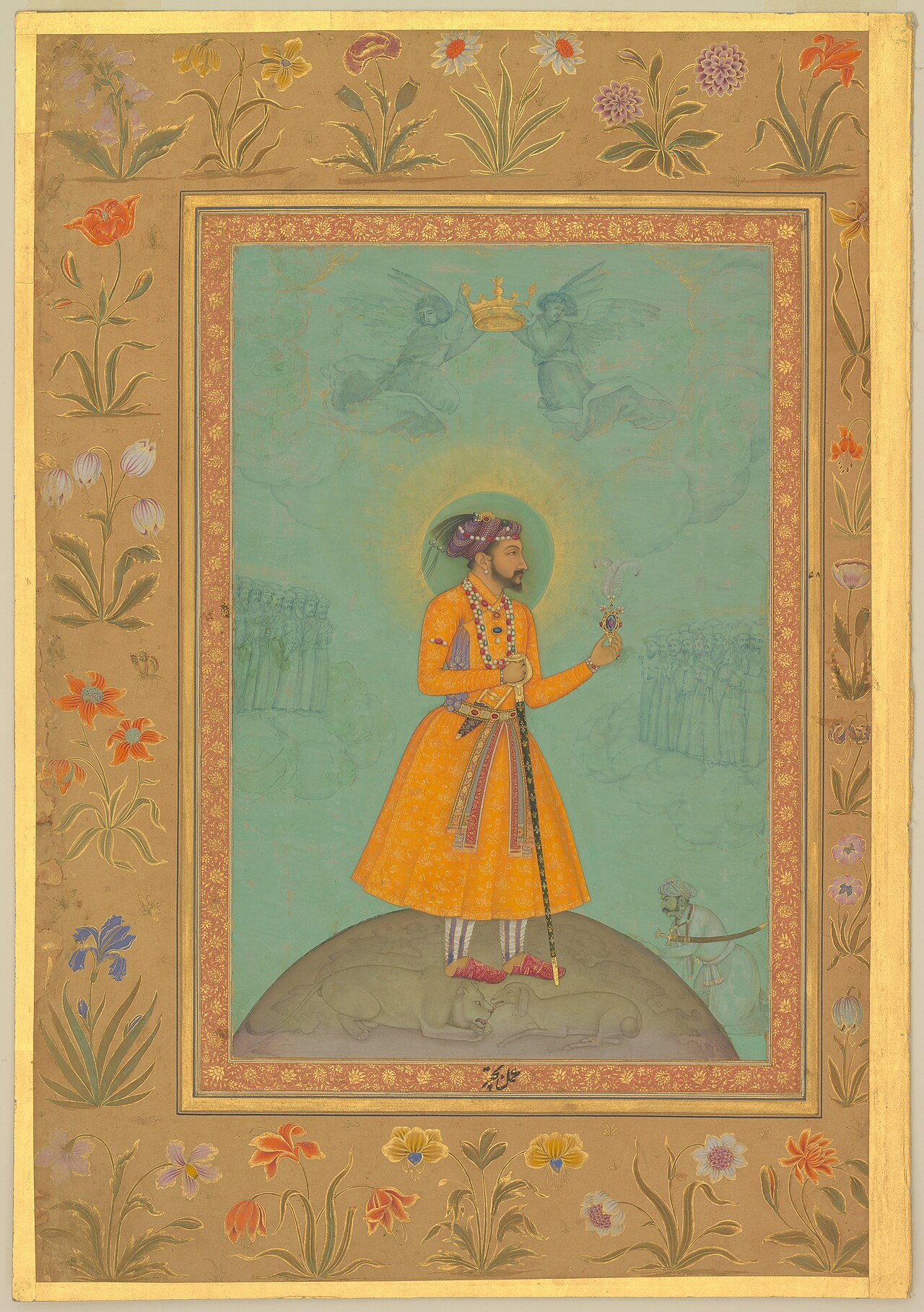
Mughal Emperor Shah Jahan standing on a globe
Bichitr · c. 1630
Free account
Read every Shah Jahan source
Sign up free →
Ready when you are
Start chatting with Shah Jahan now.
20 messages free · No credit card · Available in 50+ languages.