


Primary sourceBook1606
Page from De Stella Nova
Johannes Kepler · 1606
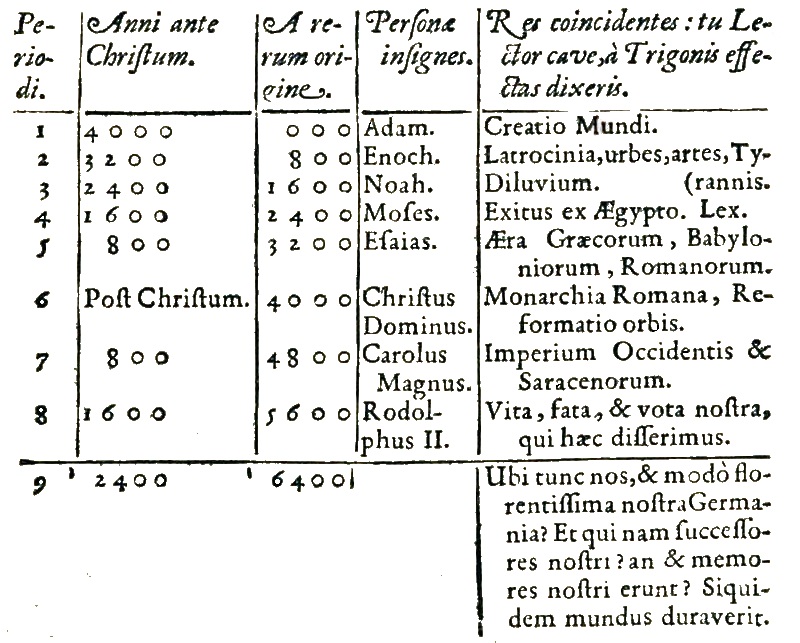
A page from Kepler's own book on the 1604 supernova, showing a chronological table of history.
This page comes from Kepler's own book analyzing the supernova he observed in 1604.
About this source
What it is
This is page 29 from Johannes Kepler's book De Stella Nova in Pede Serpentarii, his study of the new star (supernova) observed in 1604. The page shows a printed chronological table in Latin, listing historical periods, figures such as Adam, Noah, Moses and Rodolphus II, and events linked to each period.
Why it matters
Kepler used this new star to explore questions about time, history and the heavens together, reflecting how astronomy in his day was tied to ideas about cosmic signs and historical chronology. The table shows his attempt to connect celestial events to the broader sweep of human history.
Look closer
- Why might an astronomy book include a table of biblical and historical figures?
- What does this table suggest about how people in 1606 understood the relationship between the sky and history?
- What is left out of this table that a modern history timeline would include?
This book is part of the curated material that grounds the AI version of Johannes Kepler on Humy.ai — when students ask about related events, the AI can quote it and cite it.
More Johannes Kepler sources
Meet the AI Johannes Kepler →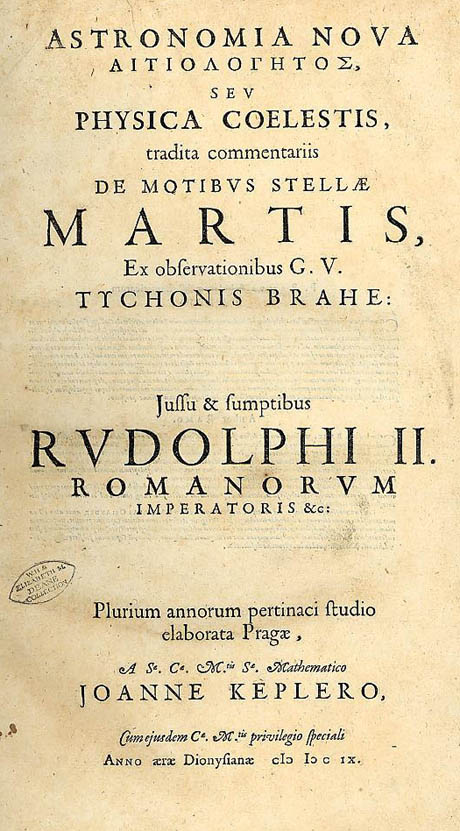 Book
Secondary source
Astronomia Nova
Johannes Kepler · 1609
 Book
Primary source
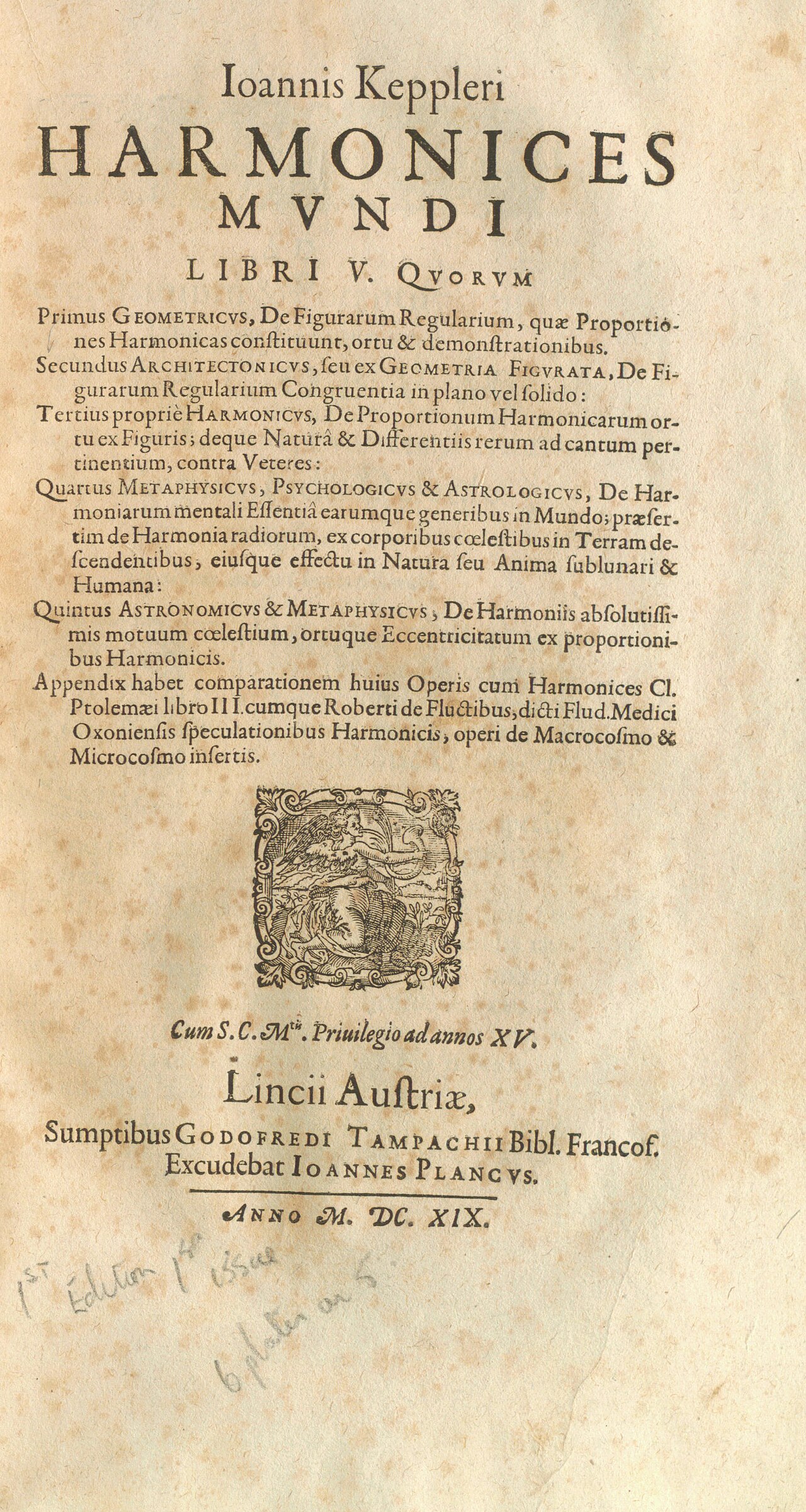
Harmonices Mundi
Johannes Kepler · 1619
 Book
Secondary source
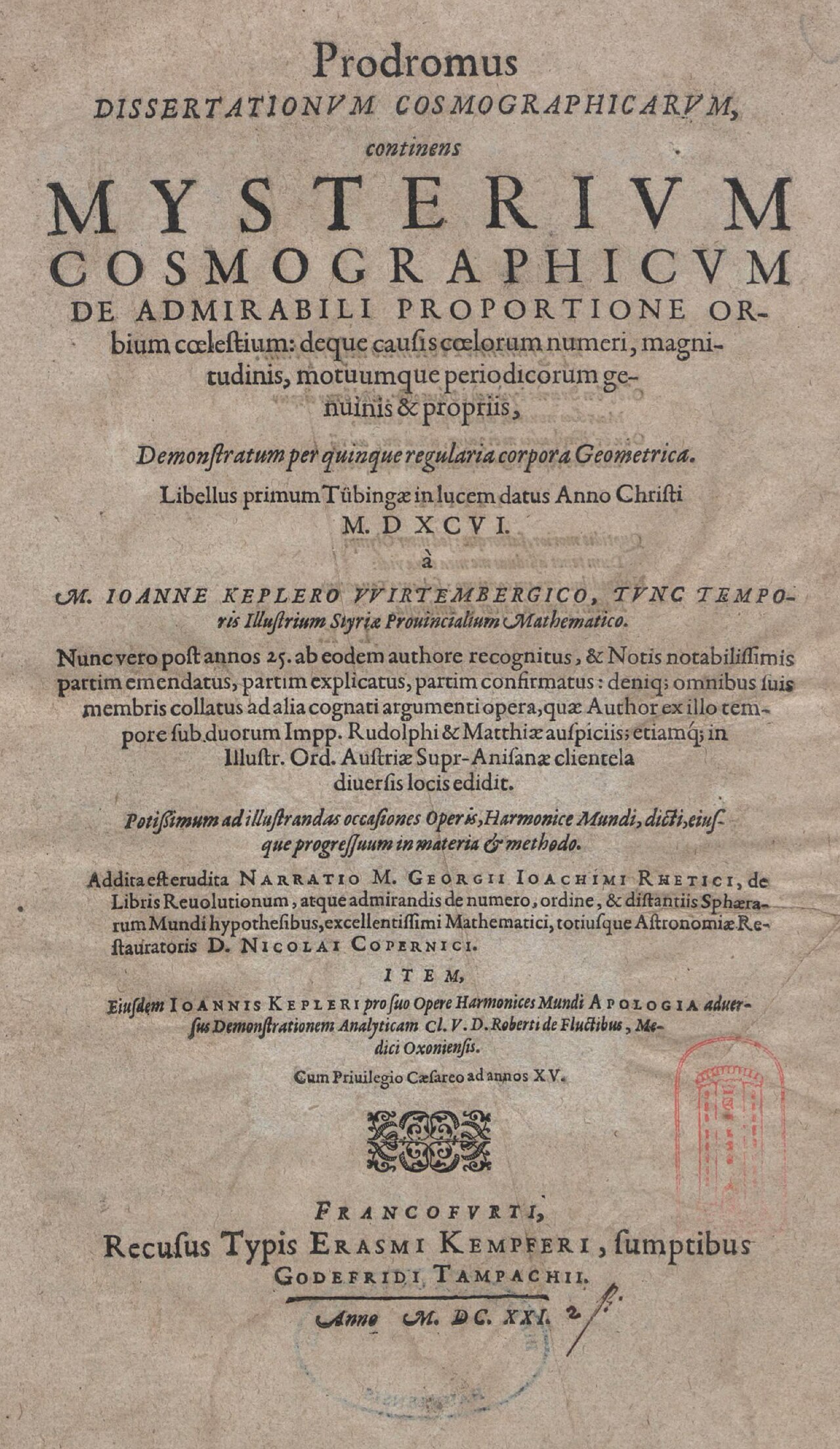
Mysterium Cosmographicum
Johannes Kepler · 1596 (2nd edition 1621)
Secondary source
The Martyrs of Science: Galileo, Tycho Brahe and Kepler
David Brewster
 Book
Secondary source
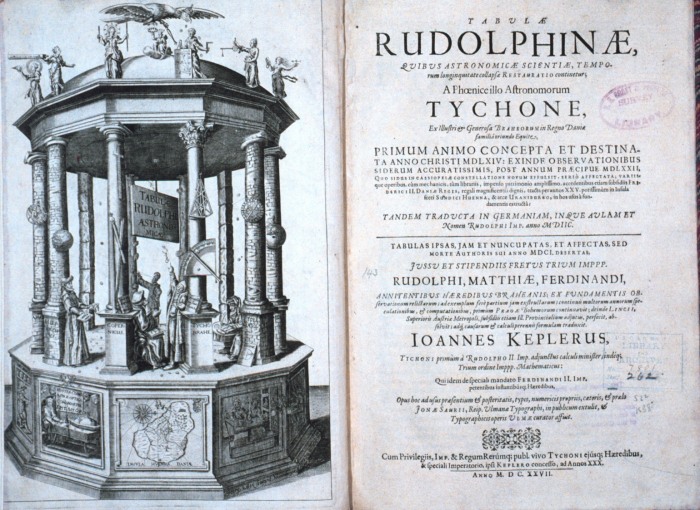
Rudolphine Tables
Johannes Kepler · 1627
Ready when you are
Start chatting with Johannes Kepler now.
20 messages free · No credit card · Available in 50+ languages.