


Primary sourceBook13th century (copy)
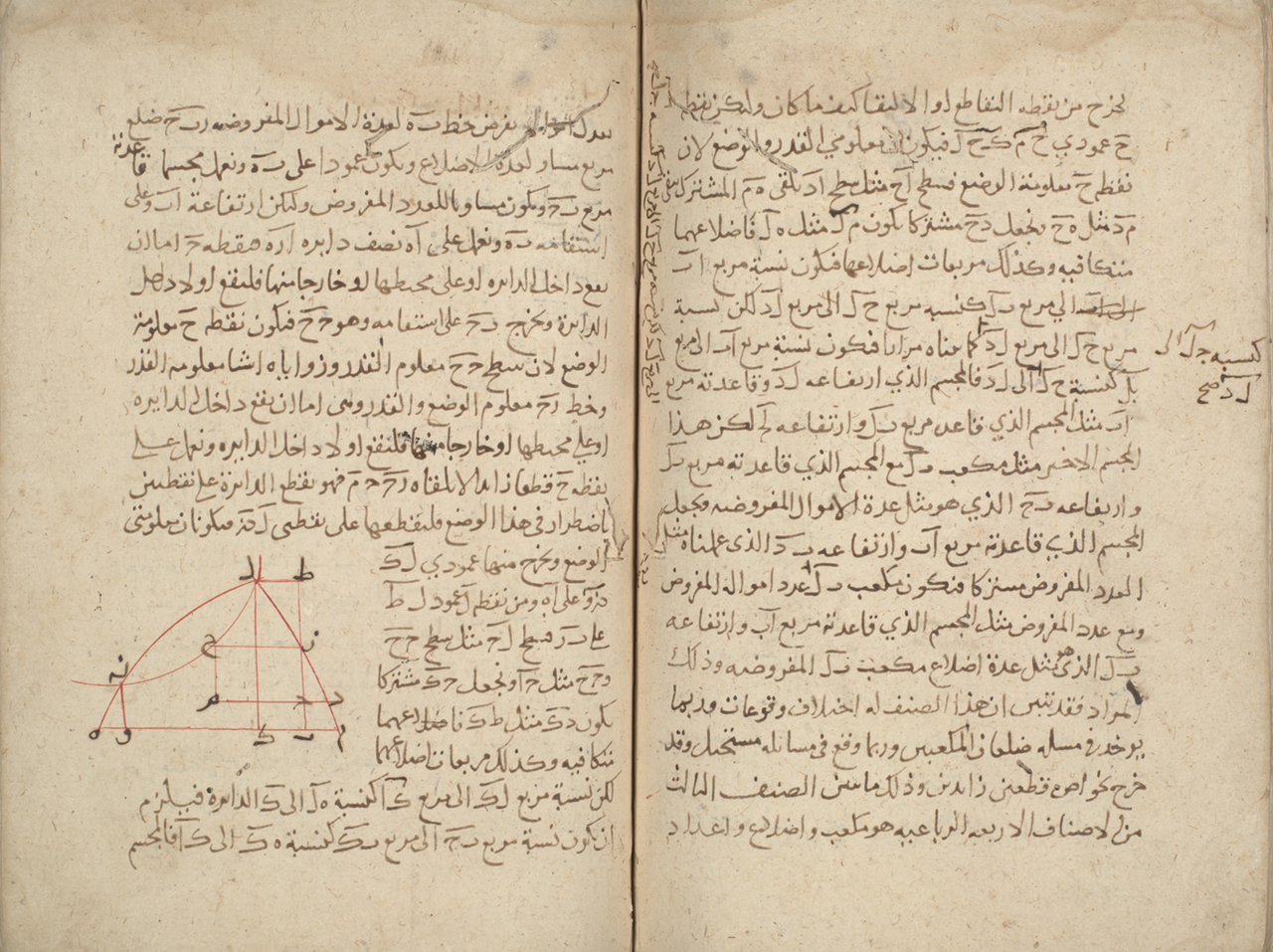
Page from Omar Khayyam's Treatise on Algebra
Omar Khayyám · 13th century (copy)
A page from a 13th-century copy of Khayyám's own algebra treatise, with text and a geometric diagram.
This page from a copy of Khayyám's own algebra treatise demonstrates his original mathematical work.
About this source
What it is
This is a page from a 13th-century copy of Omar Khayyám's treatise on algebra (Maqālah fī al-jabr wa al-muqābalah). It is written in Arabic and includes a geometric diagram drawn in red ink alongside the text.
Why it matters
Khayyám's algebra treatise was a major contribution to mathematics, tackling cubic equations using geometric methods centuries before algebra took its modern form. This copy, made long after Khayyám's own lifetime, shows how his mathematical work was preserved and transmitted by later scribes, and it lets students see his geometry-based approach to algebra directly.
Look closer
- Why do you think the diagram is drawn in red ink while the text is in brown?
- What might the labeled points and lines in the diagram tell you about how Khayyám solved equations using geometry rather than symbols?
- This is a copy made centuries after Khayyám wrote the original — what does that tell you about how old mathematical texts survive?
This book is part of the curated material that grounds the AI version of Omar Khayyam on Humy.ai — when students ask about related events, the AI can quote it and cite it.
More Omar Khayyam sources
Meet the AI Omar Khayyam →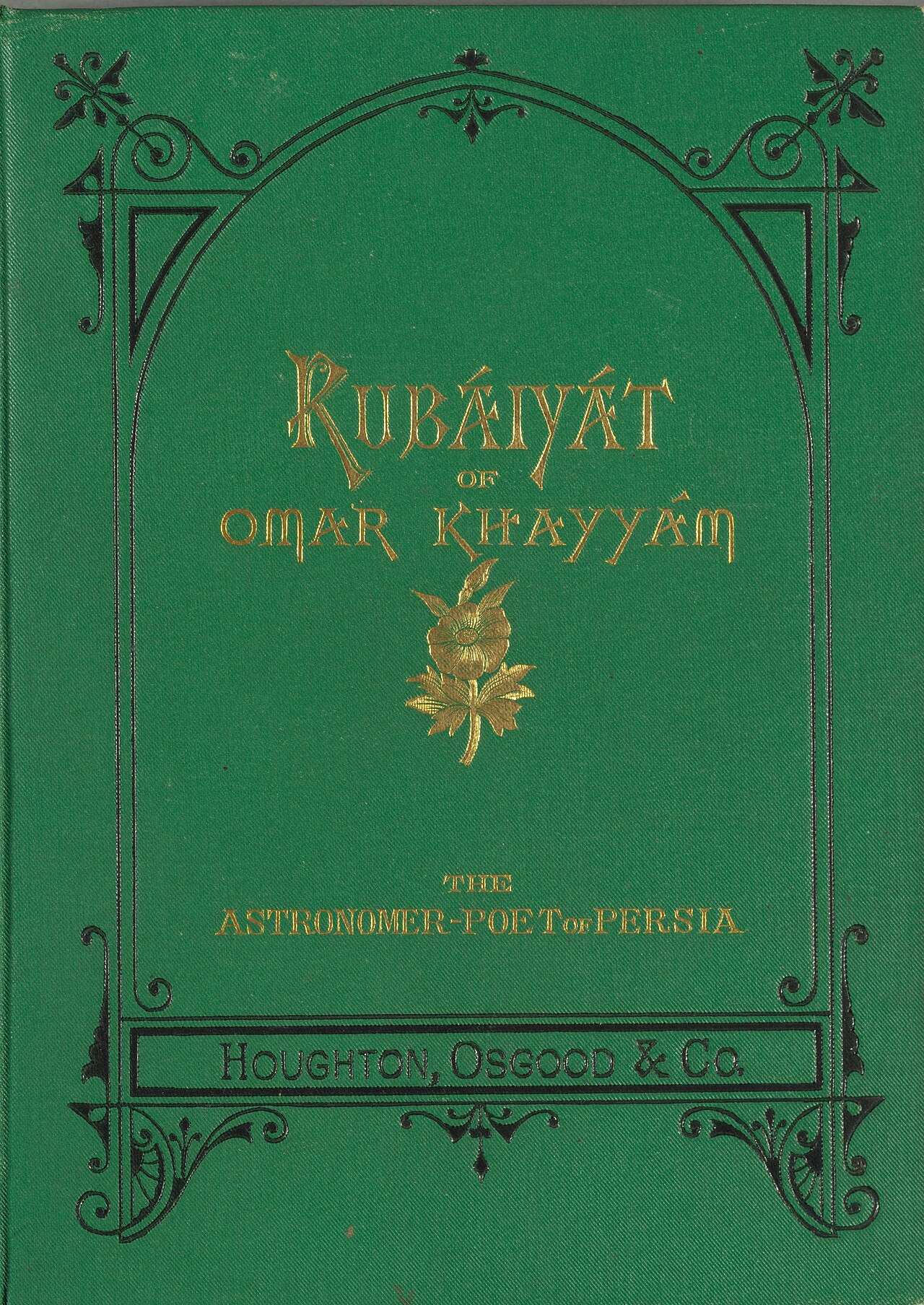 Book
Secondary source
Rubáiyát of Omar Khayyám
Edward FitzGerald · 1878
 Document
Primary source
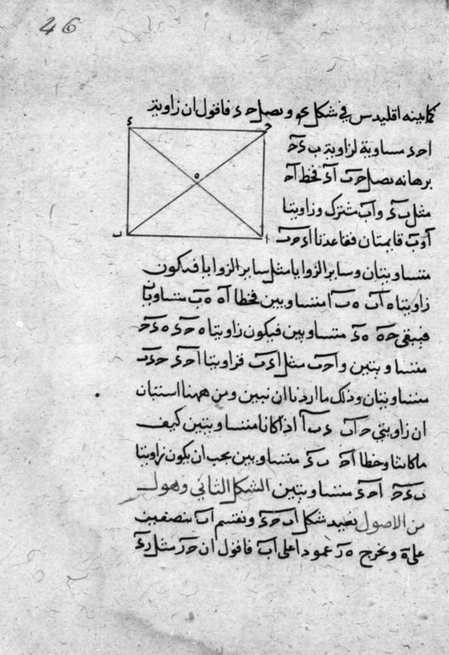
Khayyam Geometry Manuscript
Omar Khayyám
Secondary source
The Rubaiyat of Omar Khayyam (First Edition)
Edward FitzGerald · 1859
 Book
Secondary source
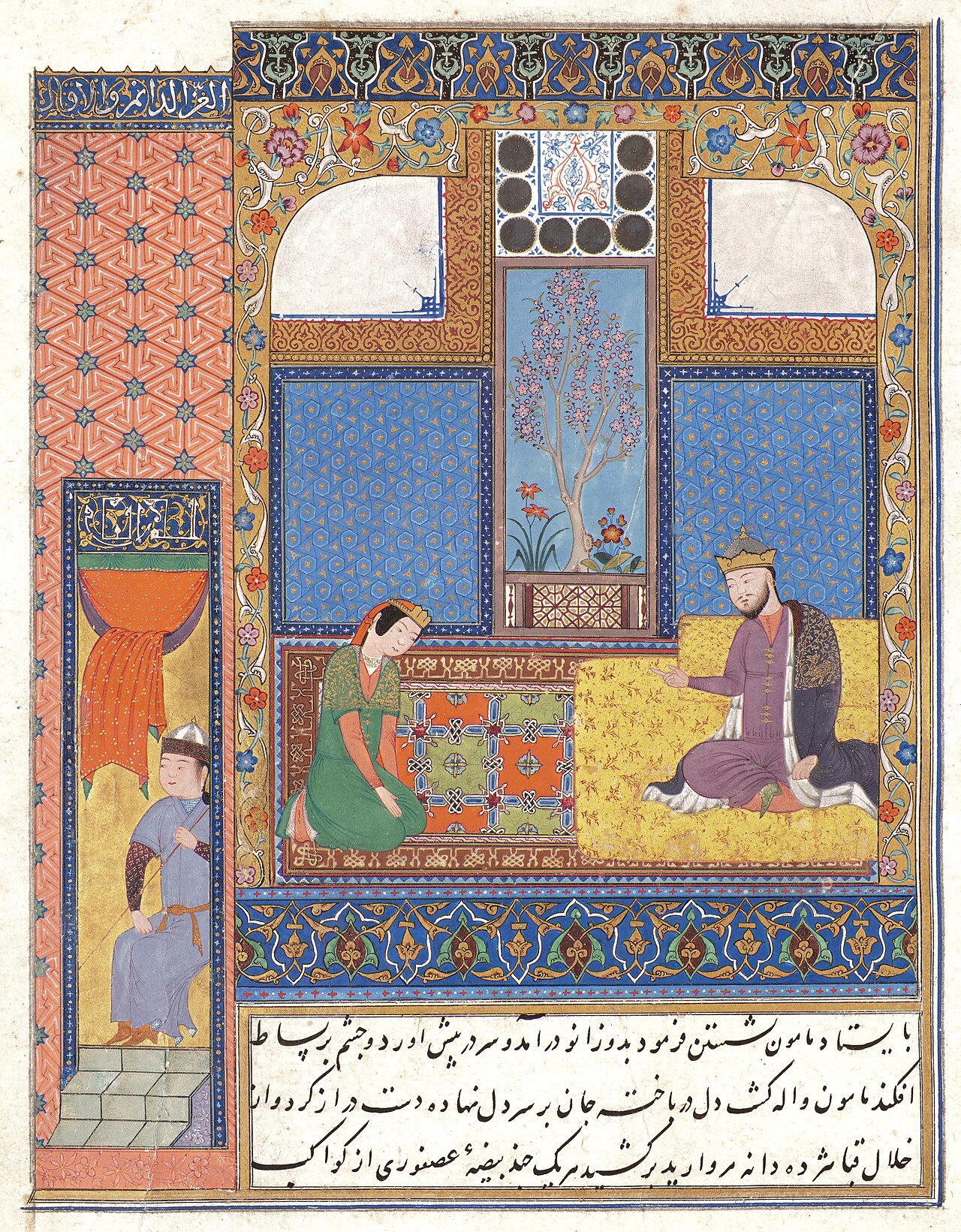
Chahar Maqala
Nizami Aruzi · 1155–1157
 Artifact
Secondary source
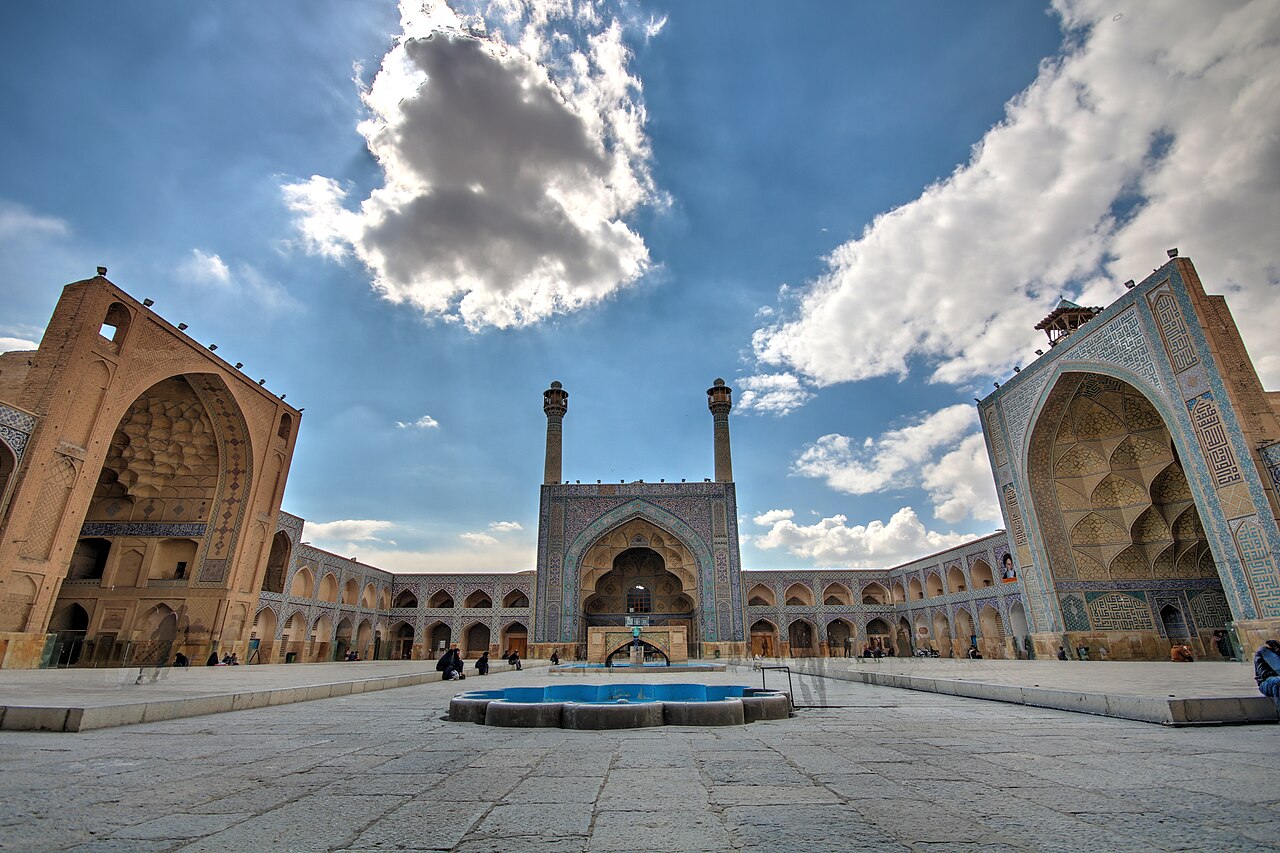
Jameh Mosque of Isfahan
841 (rebuilt 1086-1089 under Khayyám's patrons)
Ready when you are
Start chatting with Omar Khayyam now.
20 messages free · No credit card · Available in 50+ languages.