


Primary sourceBookc. 1280
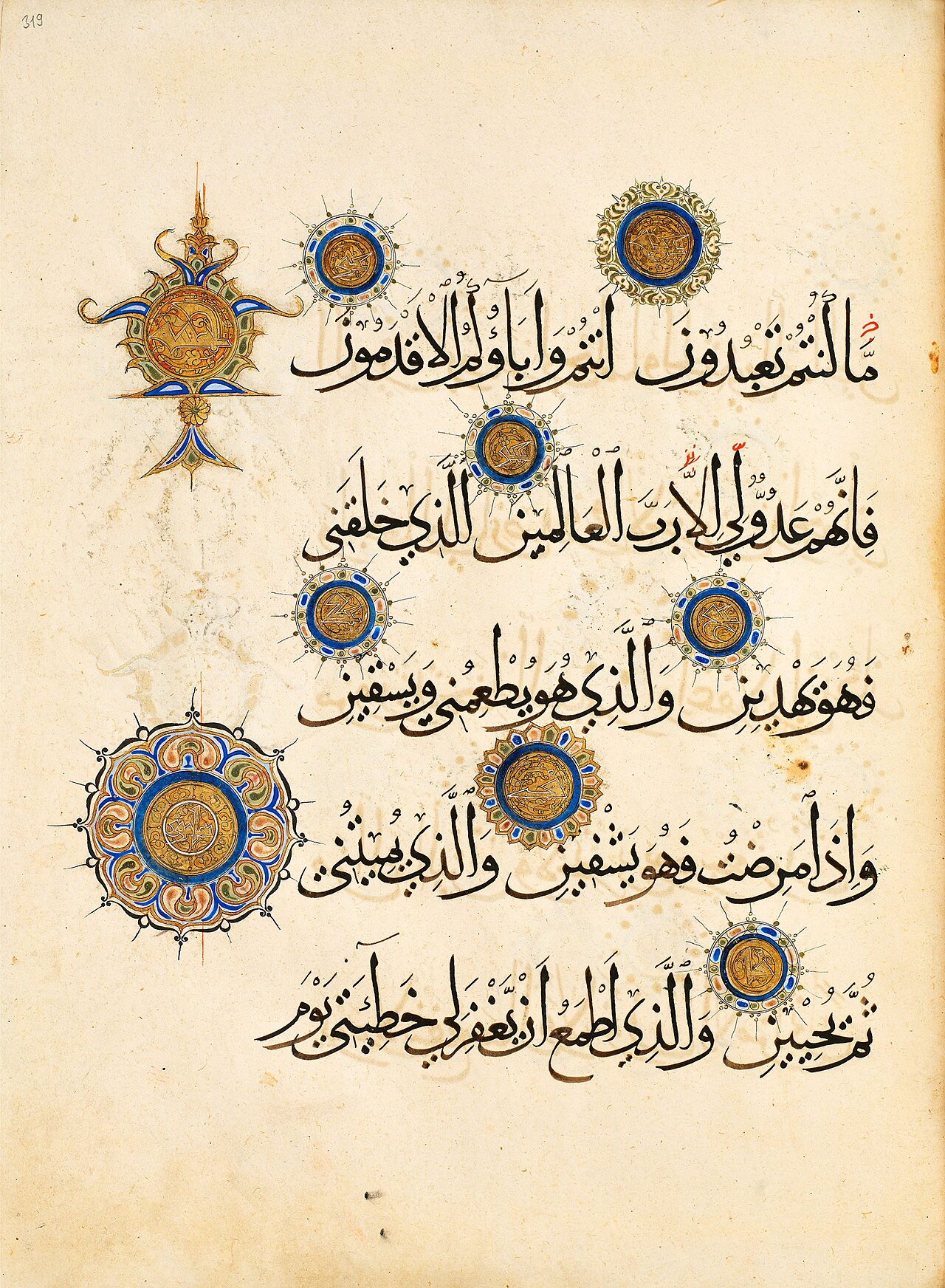
Page from the Second Volume of a Three-Part Seljuq Qur'an
Mahmud ibn Ramadan · c. 1280
A page from a three-volume Qur'an copied in Konya around 1280, the year Ertuğrul is said to have died, showing the craft of his era.
Made around the year of Ertuğrul's death, this page shows the Anatolian world he lived in rather than Ertuğrul himself.
About this source
What it is
This is a page from the second volume of a three-part Qur'an copied, illuminated and bound by Mahmud ibn Ramadan, probably in Konya during the Seljuq period around 1280. It was originally kept at the tomb of Ala' al-Din Kay Qubad I in Konya and was transferred to the Turkish and Islamic Arts Museum in 1917.
Why it matters
This page was made around the time of Ertuğrul's death and shows the artistic and religious culture of the Anatolian Seljuq world in which he and his followers lived, just before his son Osman began building the Ottoman state. It reflects the skill of craftsmen like Mahmud ibn Ramadan, not Ertuğrul directly.
Look closer
- What do the gold roundels and careful calligraphy suggest about who commissioned this Qur'an?
- Why might this manuscript have been kept at a ruler's tomb rather than in daily use?
- What is missing from this page that would help you understand daily life under the Seljuqs?
This book is part of the curated material that grounds the AI version of Ertuğrul on Humy.ai — when students ask about related events, the AI can quote it and cite it.
More Ertuğrul sources
Browse all 35 →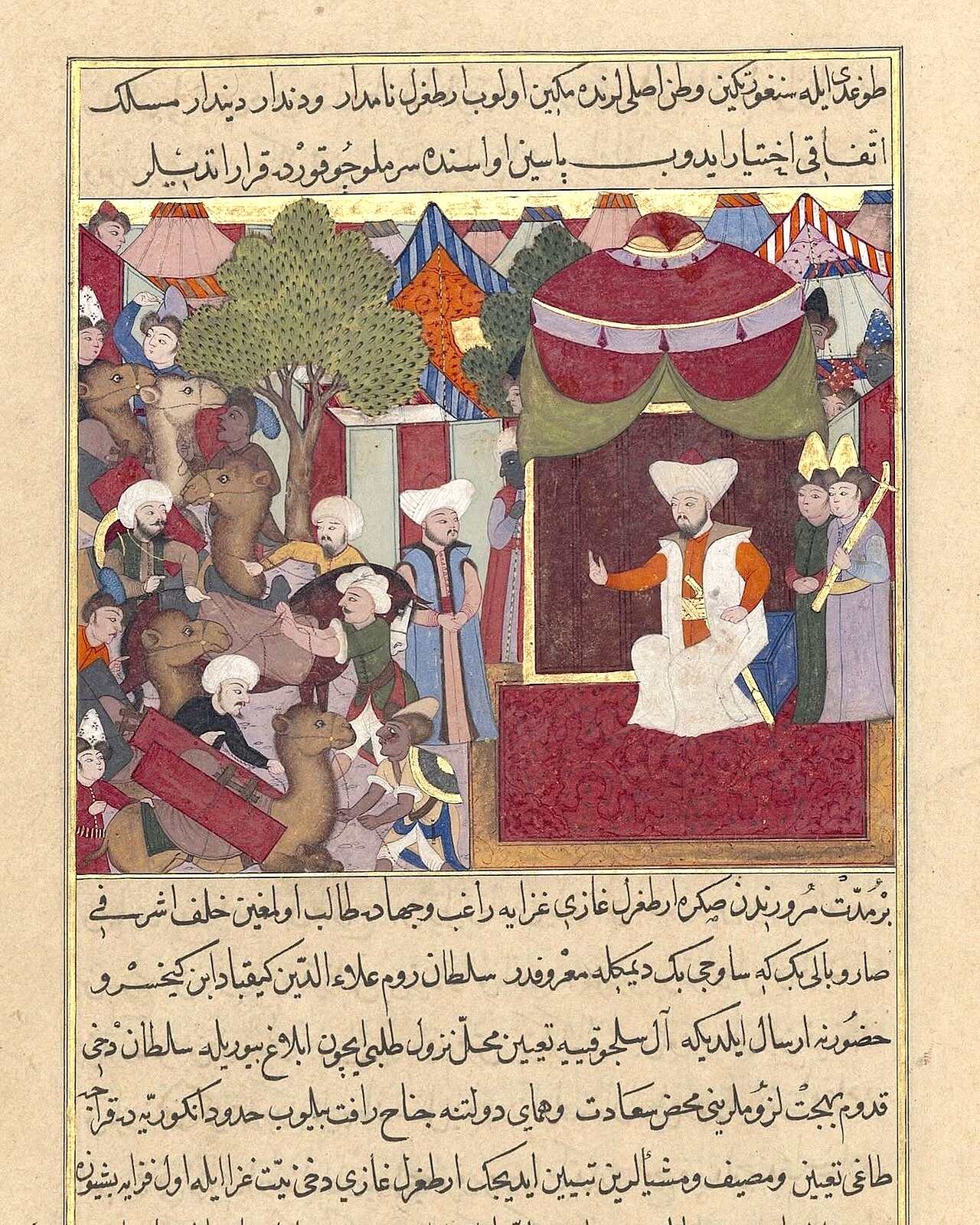 Painting
Primary source
Ertugrul Sends Savci Bey
1616
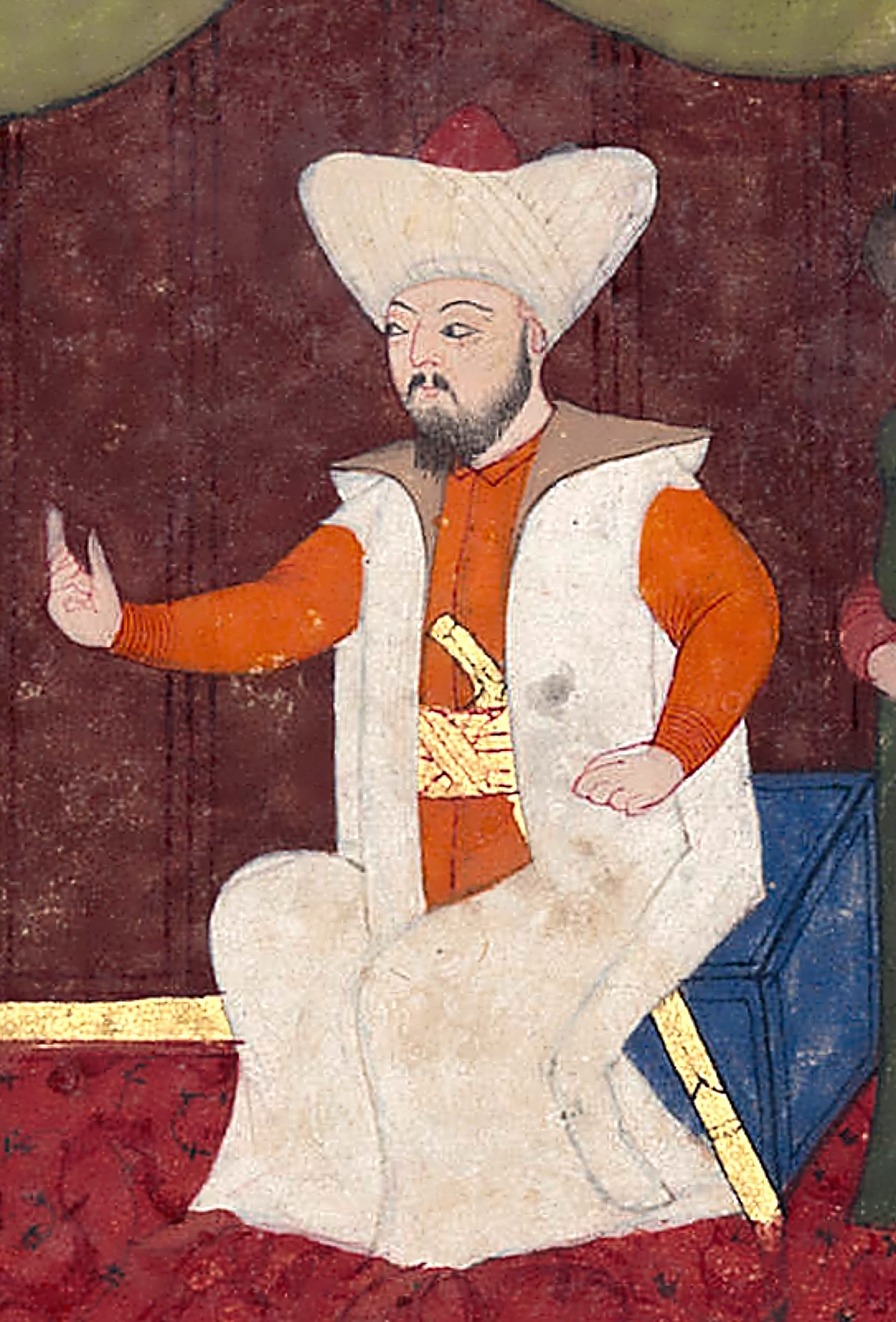 Painting
Secondary source
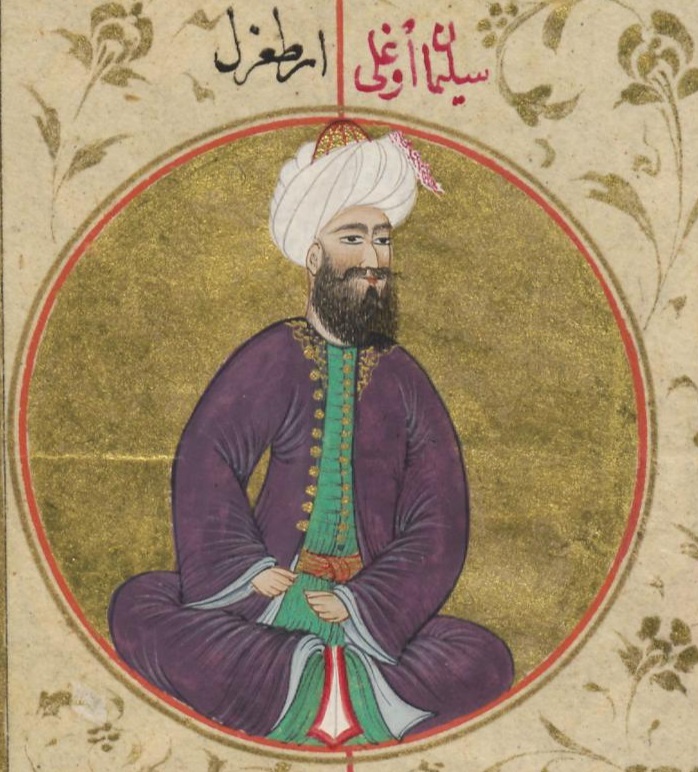
Portrait of Ertuğrul (Enthroned)
Unknown 1616 court artist · 1616
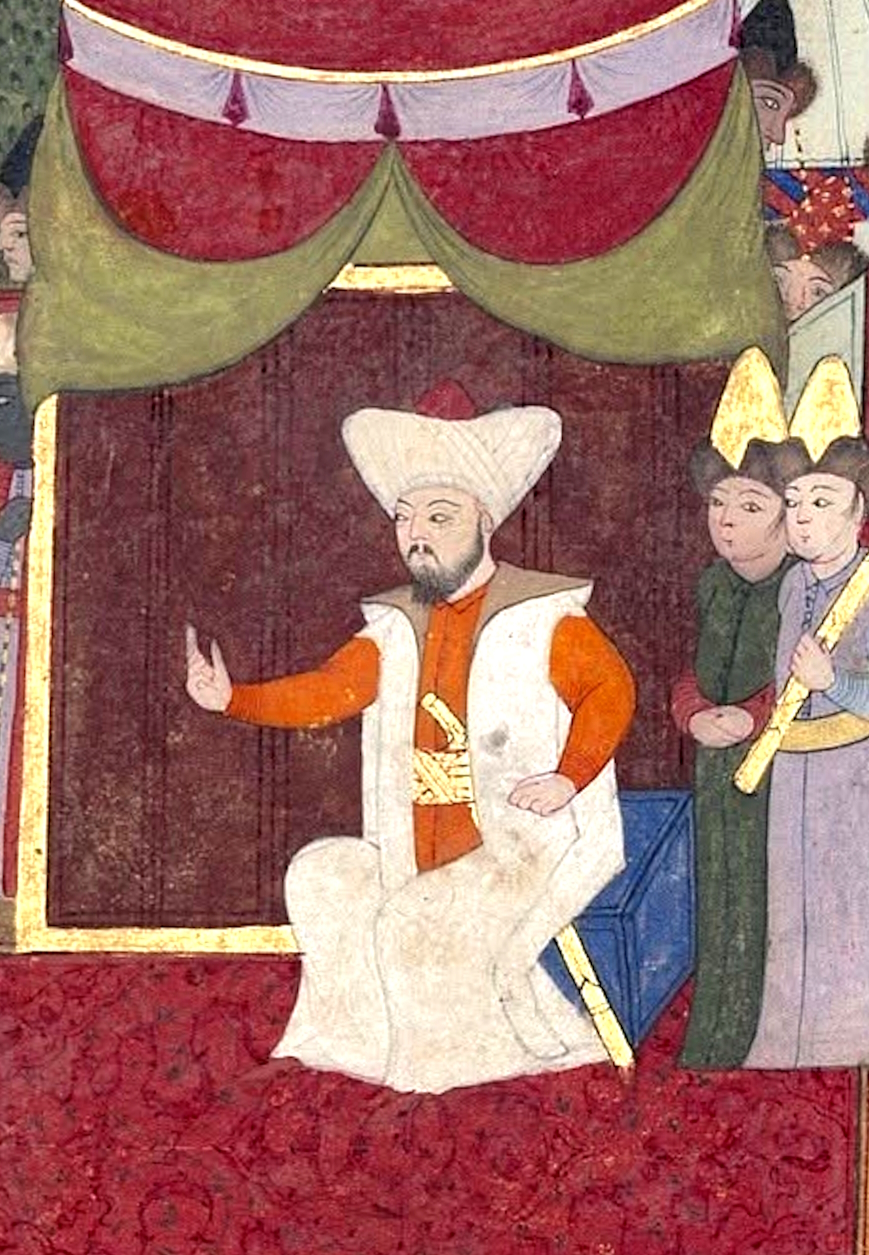 Painting
Secondary source
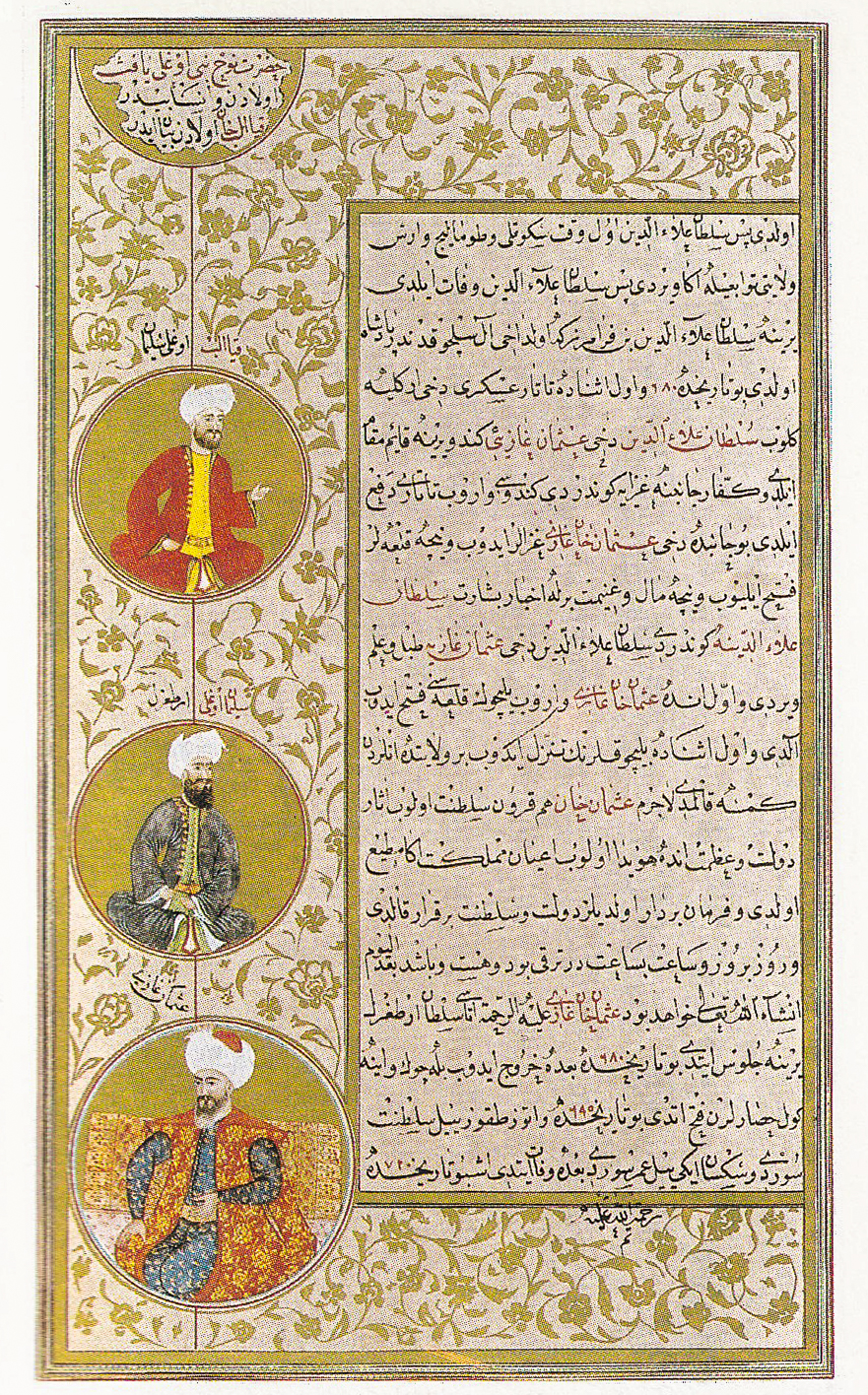
Ertuğrul (Enthroned), Taj al-Tawarikh Miniature
Unknown 1616 court artist · 1616
 Artifact
Secondary source
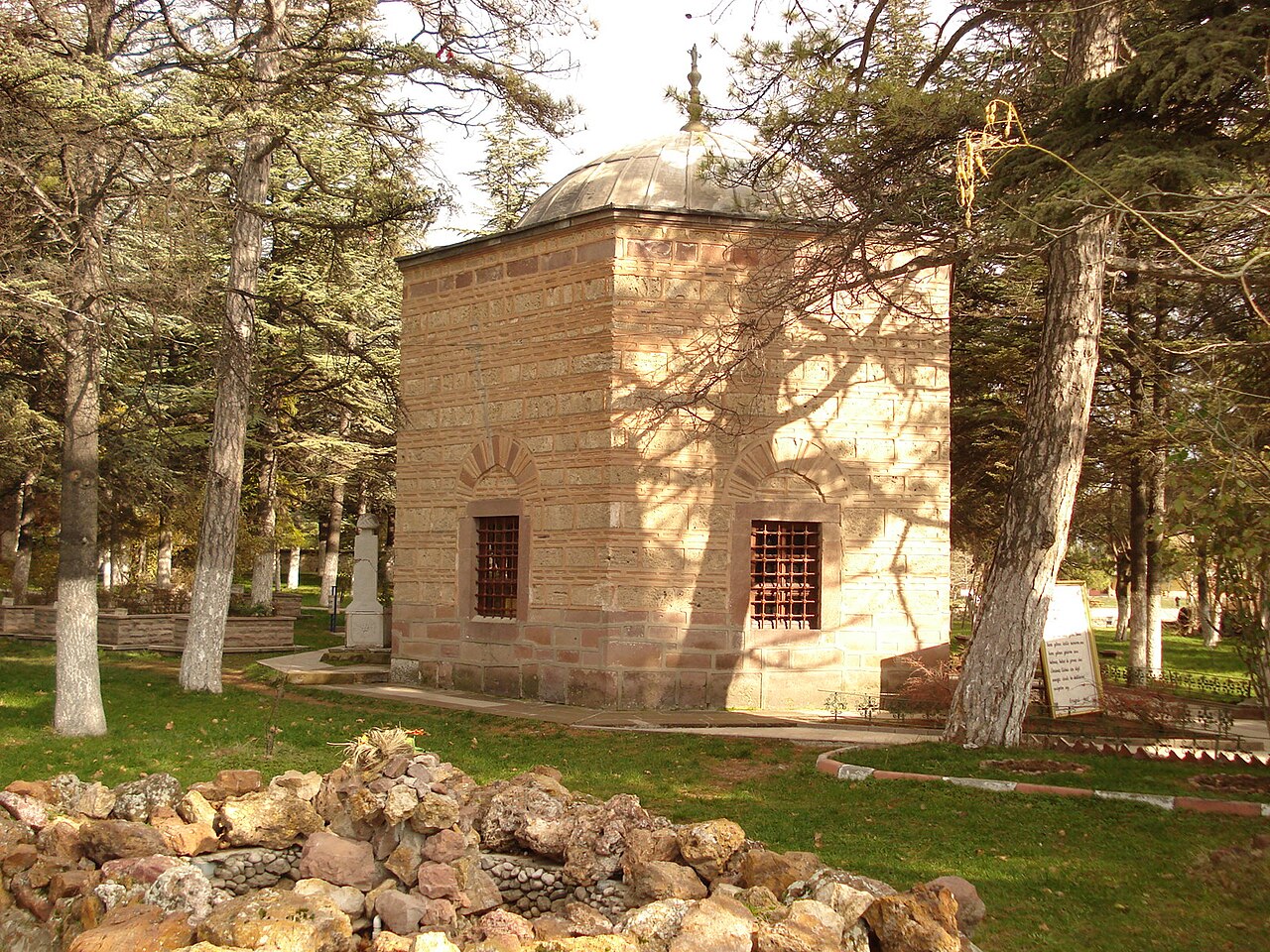
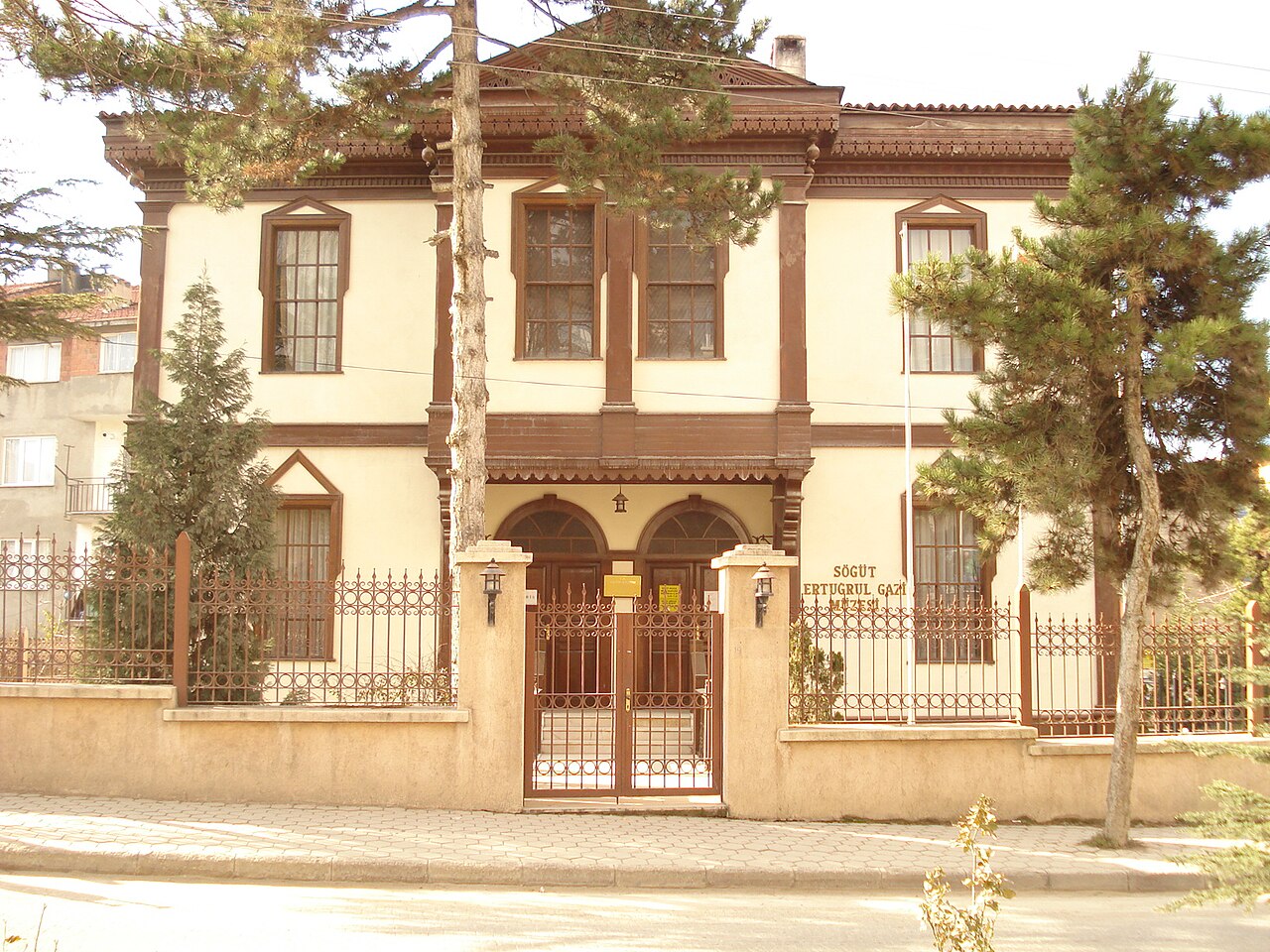
Tomb of Ertuğrul Gazi, Söğüt
Traditionally Osman I; rebuilt under Abdülhamid II · Late 13th century (tradition); rebuilt 1880s
Free account
Read every Ertuğrul source
Sign up free →
Ready when you are
Start chatting with Ertuğrul now.
20 messages free · No credit card · Available in 50+ languages.