


Primary sourcePhotograph
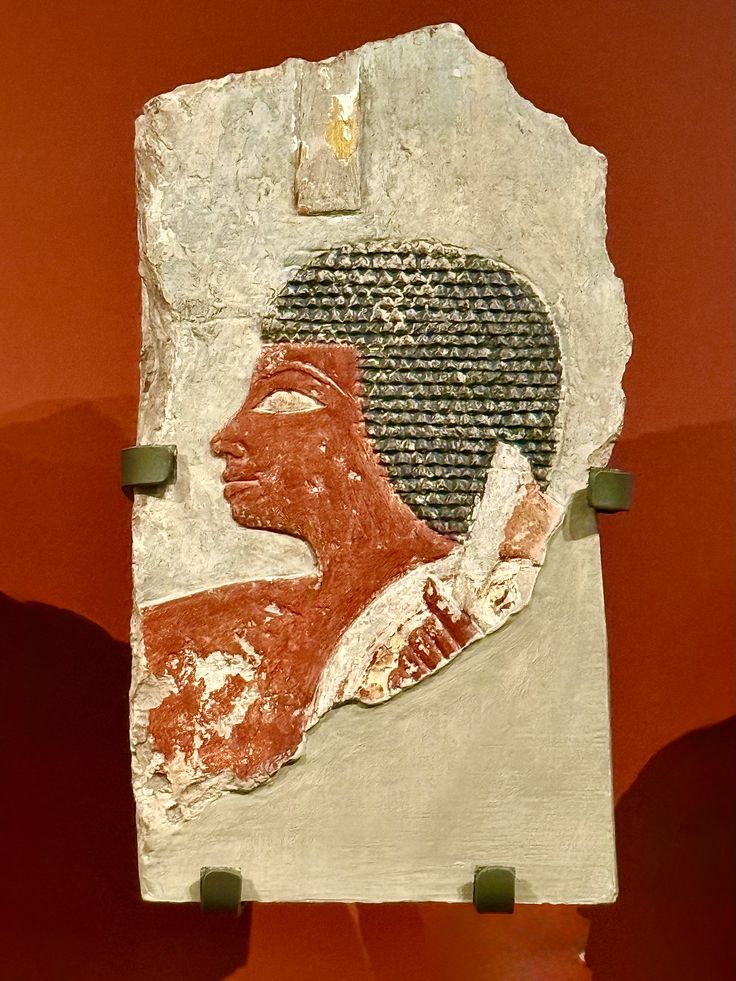
Painted Limestone Fragment of a Marine with an Axe
SpeakingArch
A painted relief fragment from Hatshepsut's mortuary temple showing a soldier or sailor from her reign.
From Hatshepsut's mortuary temple, showing the people who served during her reign as her artists portrayed them.
About this source
What it is
This is a photograph of a painted limestone relief fragment from the New Kingdom, originally part of the decoration of Hatshepsut's mortuary temple at Deir el-Bahari. It shows the head and shoulders of a figure in profile, with reddish-brown skin and a black wig. It is housed at the Ashmolean Museum in Oxford.
Why it matters
This fragment shows how Hatshepsut's own artists depicted the soldiers and sailors who served during her reign, giving us a glimpse of ordinary people connected to her rule rather than just the ruler herself.
Look closer
- What details in the figure's clothing, wig, or skin colour help identify his role?
- Why might scenes of soldiers or sailors have been included in a mortuary temple dedicated to a pharaoh?
- What is missing from this fragment that might help us understand the full scene it came from?
This photograph is part of the curated material that grounds the AI version of Hatshepsut on Humy.ai — when students ask about related events, the AI can quote it and cite it.
More Hatshepsut sources
Meet the AI Hatshepsut →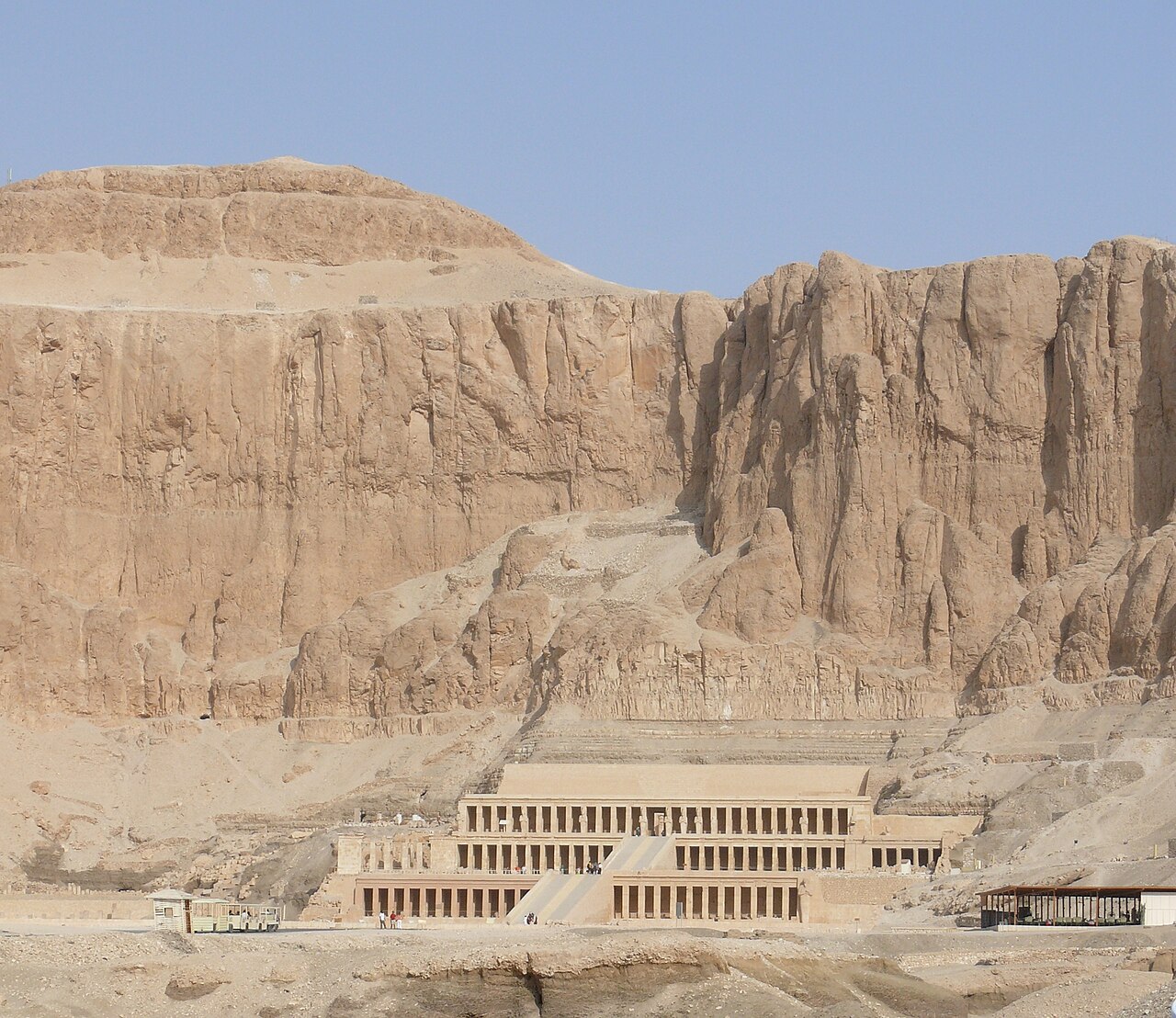 Artifact
Primary source
Mortuary Temple of Hatshepsut
Senenmut and/or Hapuseneb (attributed) · c. 1479–1458 BCE
 Photograph
Secondary source
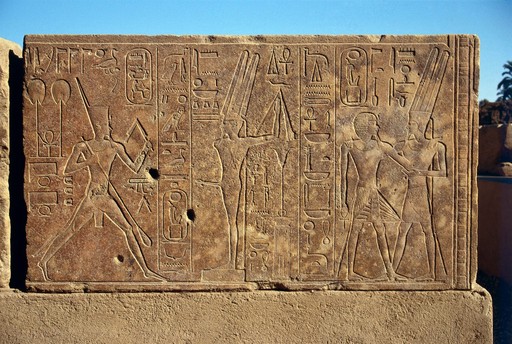
Hatshepsut Dancing Before Min, Karnak Relief
Carole Reeves · 1989
 Sculpture
Primary source
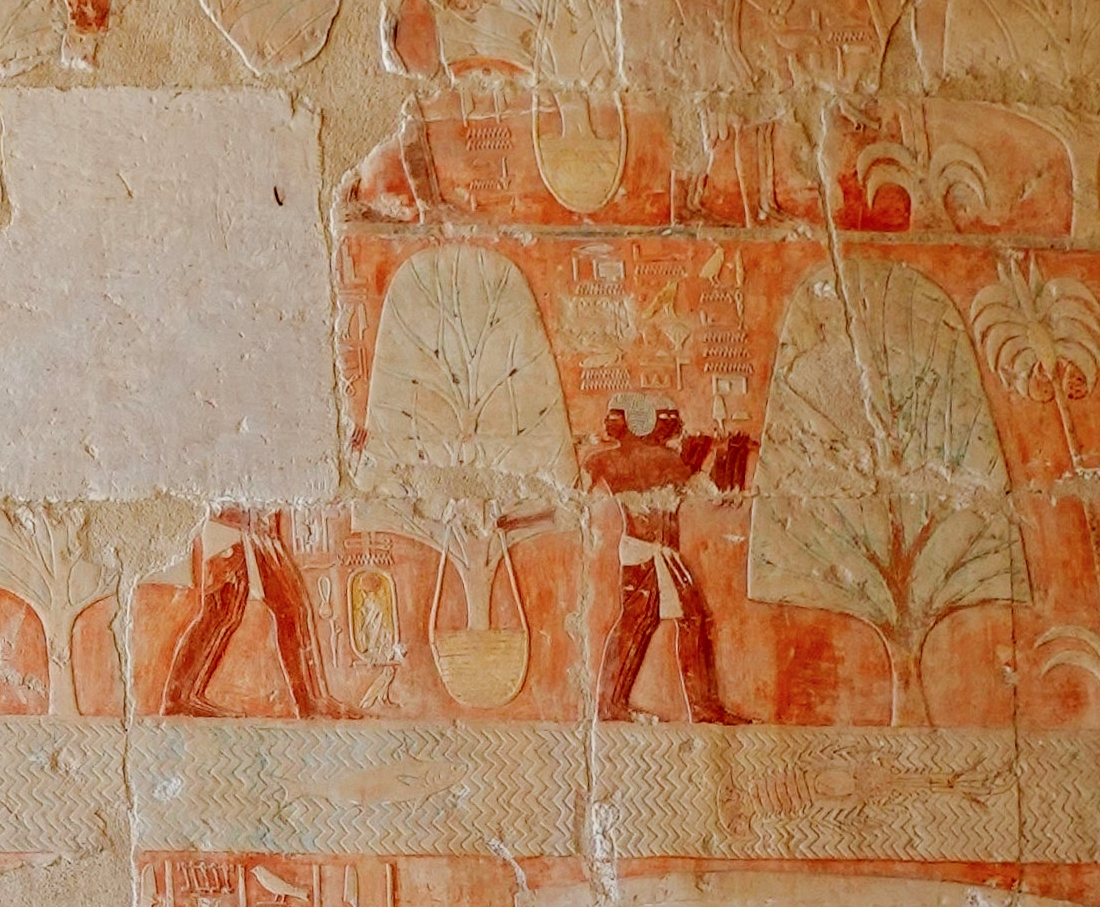
Punt Expedition Reliefs
Royal workshops of Hatshepsut · c. 1470 BCE
 Sculpture
Primary source
Sculpture Head Probably of Hatshepsut
 Sculpture
Primary source
Seated Statue of Hatshepsut
c. 1466 BCE
Ready when you are
Start chatting with Hatshepsut now.
20 messages free · No credit card · Available in 50+ languages.