


Primary sourcePaintingc. 1908-1913
Paintings by Adolf Hitler
Adolf Hitler · c. 1908-1913
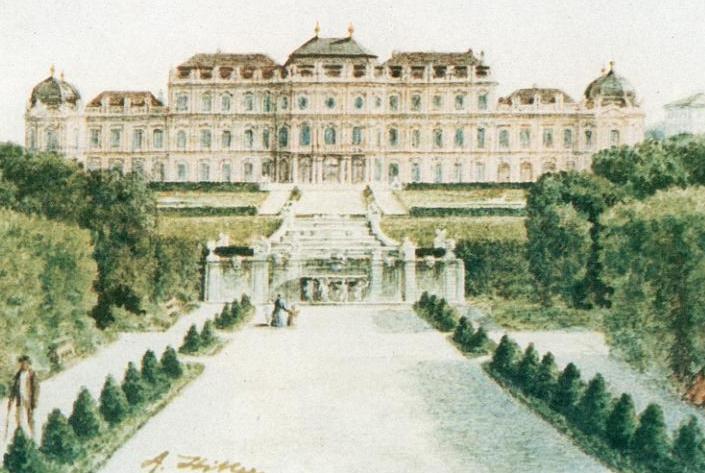
A watercolour of Vienna's Belvedere Palace, one of hundreds of architectural paintings Hitler produced during his failed career as a young artist.
Painted by Hitler himself during his youth, documenting his failed ambitions as an artist before his political career.
About this source
What it is
This is a watercolour painting by Adolf Hitler, showing the Belvedere Palace in Vienna with its gardens and fountain. Hitler painted it during his years in Vienna (1908–1913), when he tried to make a living as a professional artist after being rejected twice by the Academy of Fine Arts Vienna.
Why it matters
Hitler's preferred subject was architecture, painted in a conventional, borrowed style drawing on classicism and the Renaissance. His buyers, arranged through businessman Samuel Morgenstern, were mostly Jewish—a detail that complicates the later antisemitic path of his life. These paintings reveal a failed artistic ambition that he later tried to erase by buying back and destroying many of his early works.
Look closer
- What does the choice of subject—grand historical architecture—suggest about Hitler's tastes?
- Why might Hitler later have wanted to track down and destroy his own early paintings?
- Does knowing who bought these paintings change how you see them?
This painting is part of the curated material that grounds the AI version of Adolf Hitler on Humy.ai — when students ask about related events, the AI can quote it and cite it.
More Adolf Hitler sources
Browse all 96 →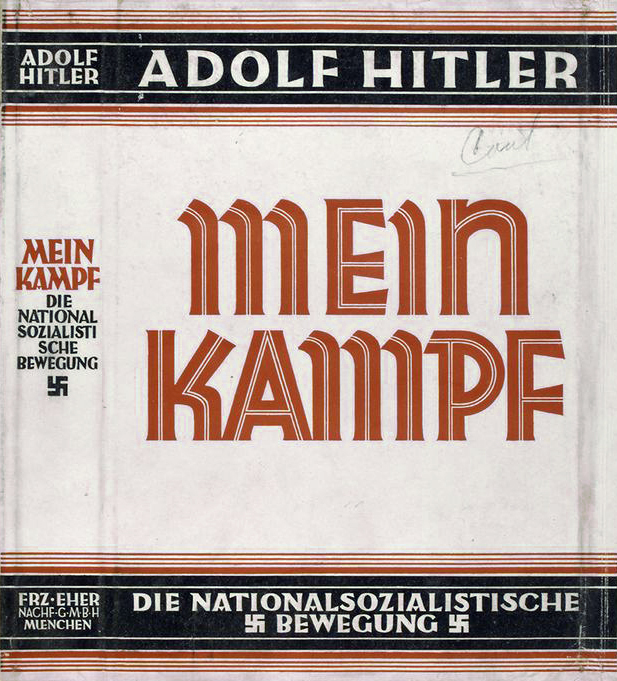 Book
Primary source
Mein Kampf
Adolf Hitler · 1925–1926
 Document
Primary source
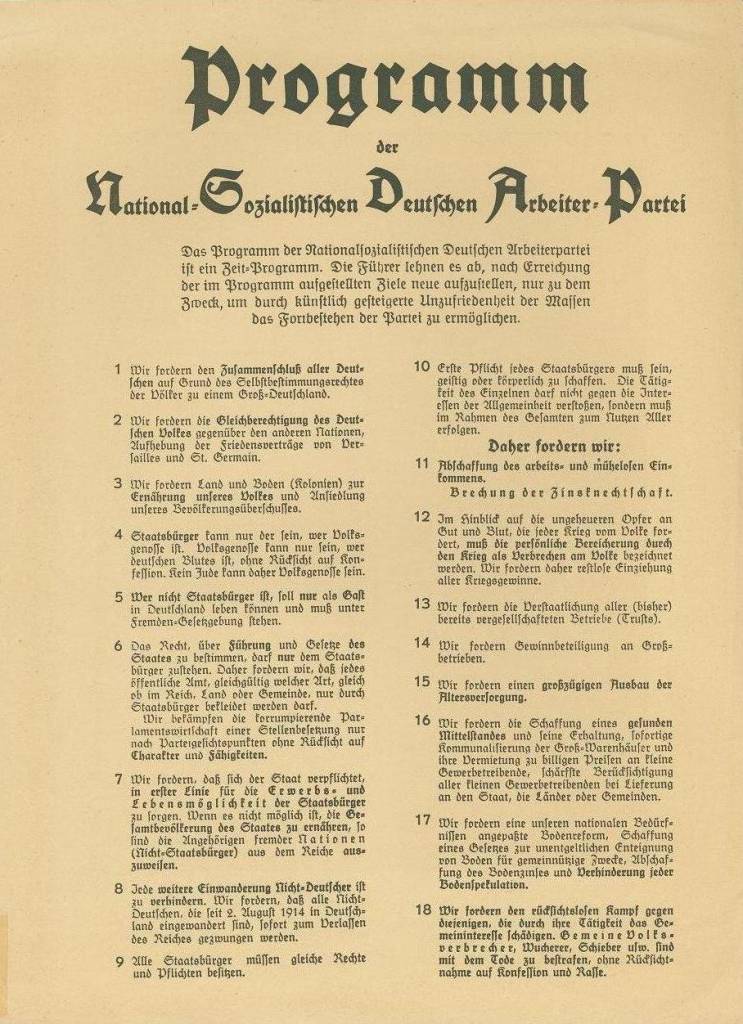
National Socialist Program
Adolf Hitler · 24 February 1920
Primary source
Enabling Act of 1933
24 March 1933
Primary source
Reichstag Fire Decree
28 February 1933
Free account
Read every Adolf Hitler source
Sign up free →
Ready when you are
Start chatting with Adolf Hitler now.
20 messages free · No credit card · Available in 50+ languages.