


Primary sourceArtifact1515 (begun); Michelangelo's additions after 1534
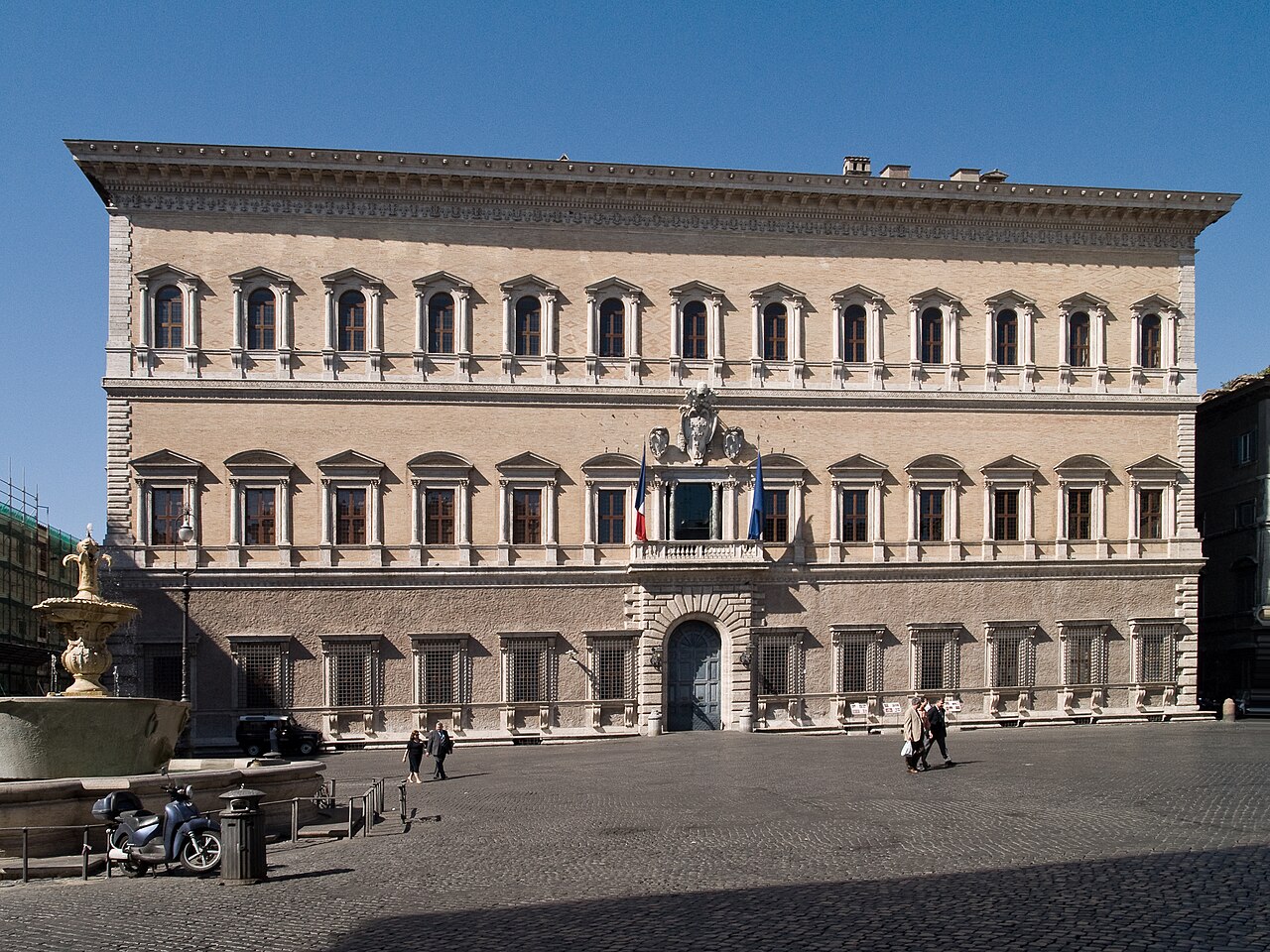
Palazzo Farnese
Antonio da Sangallo the Younger; completed by Michelangelo · 1515 (begun); Michelangelo's additions after 1534
A grand Renaissance palace in Rome whose top storey and cornice Michelangelo completed after the original architect's death.
Michelangelo completed this palace's top storey and cornice after Sangallo's death, shaping its final imposing look.
About this source
What it is
Palazzo Farnese is a large Renaissance palace in Rome, begun in 1515 for the Farnese family under the architect Antonio da Sangallo the Younger. After Sangallo died, Michelangelo took over the project, adding the massive projecting cornice, revising the courtyard and central window, and designing the upper storey. It is now owned by Italy and used as the French Embassy.
Why it matters
The palace shows how architecture could express power: when Alessandro Farnese became Pope Paul III, the building grew to reflect his new status. Michelangelo's contribution, especially the dramatic cornice, shows how he could reshape another architect's design and leave his own mark on a building associated with one of Rome's most powerful families.
Look closer
- What effect does the deep cornice have on how the facade looks from the piazza below?
- Why might a pope want his private palace to look this imposing?
- What parts of the building were designed by other architects, and how might you tell?
This artifact is part of the curated material that grounds the AI version of Michelangelo Buonarroti on Humy.ai — when students ask about related events, the AI can quote it and cite it.
More Michelangelo Buonarroti sources
Meet the AI Michelangelo Buonarroti →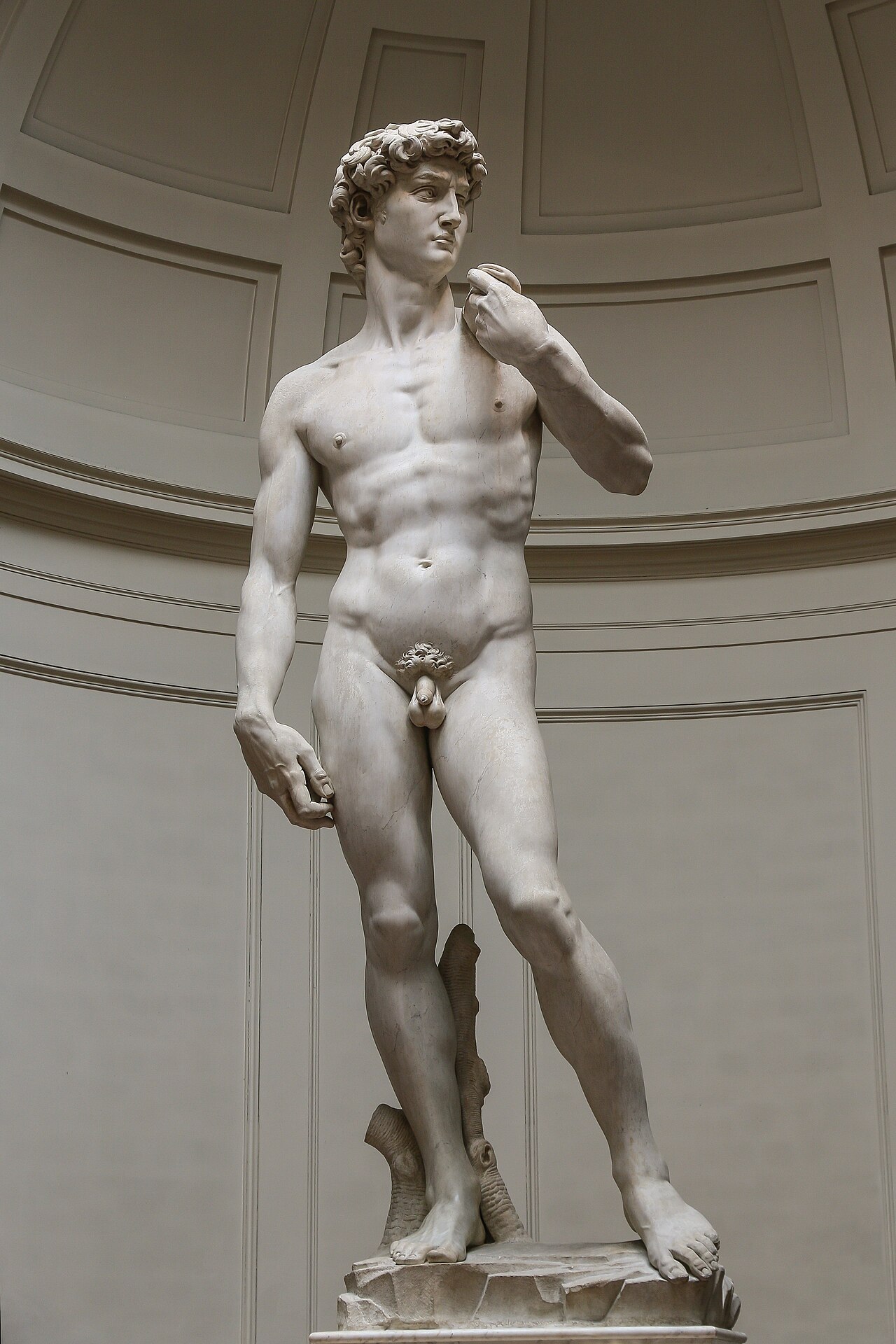 Sculpture
Primary source
David
Michelangelo · 1501-1504
 Artifact
Primary source
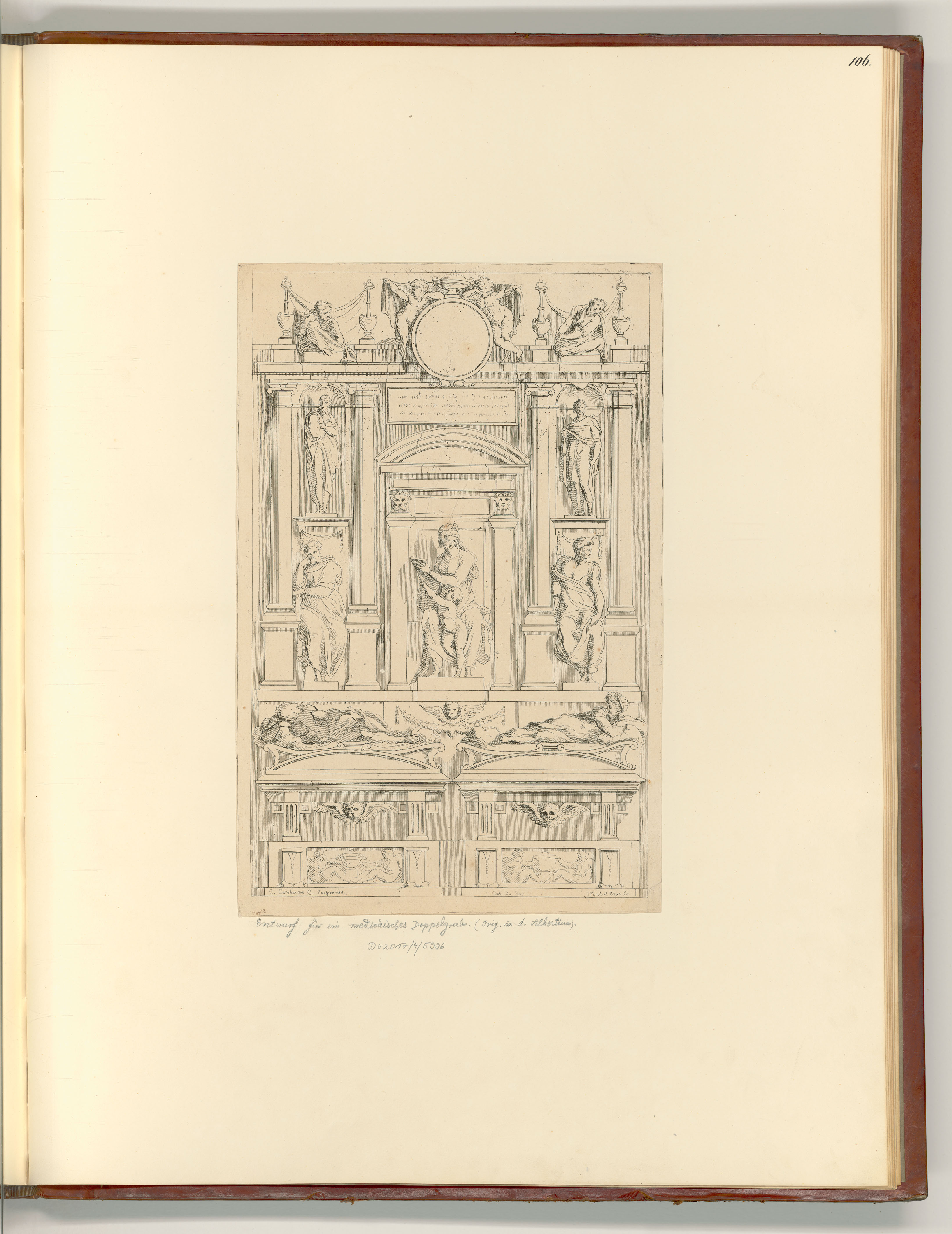
Elevation of a Planned Double Tomb for the Magnifici, Medici Chapel
unbestimmt
 Painting
Primary source
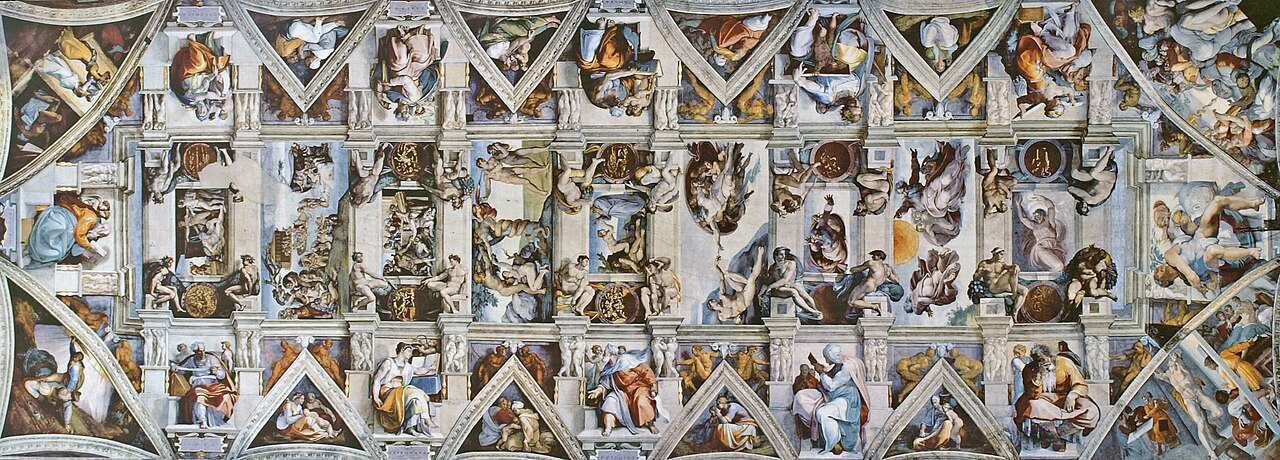
Sistine Chapel ceiling
Michelangelo · 1508-1512
 Painting
Secondary source
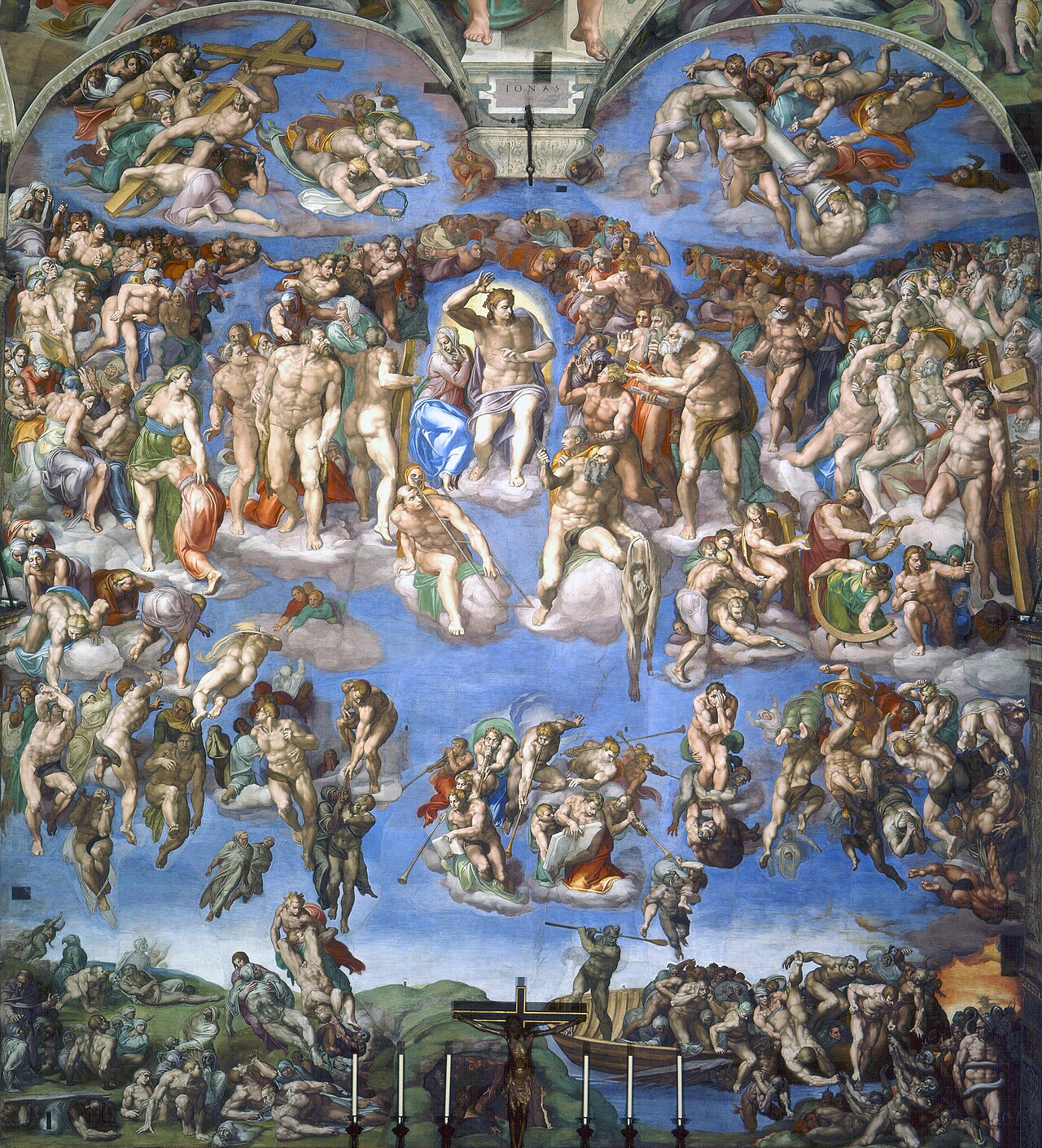
The Last Judgment
Michelangelo · 1536-1541
 Photograph
Secondary source
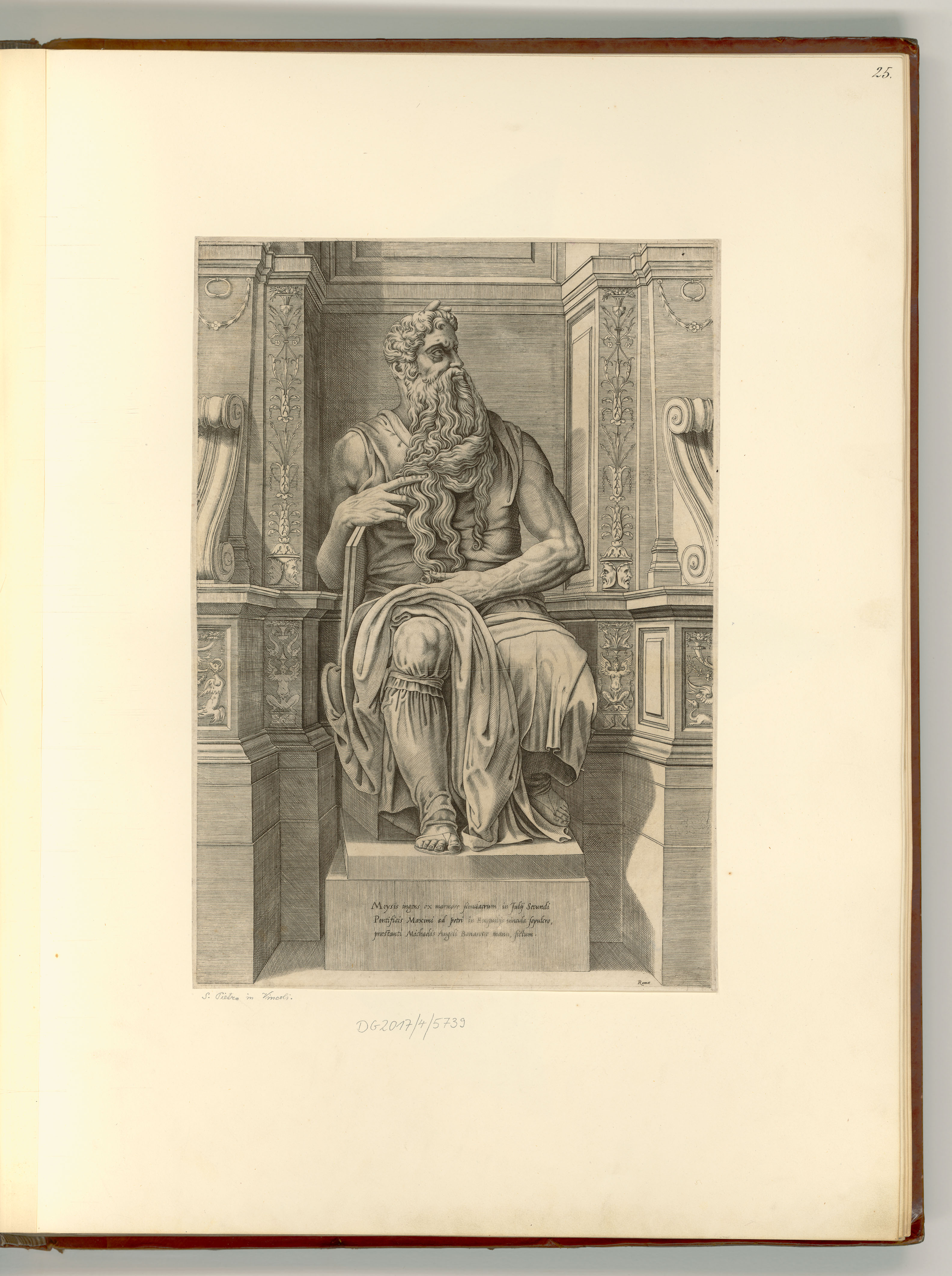
Statue of Moses by Michelangelo, San Pietro in Vincoli
unbestimmt
Ready when you are
Start chatting with Michelangelo Buonarroti now.
20 messages free · No credit card · Available in 50+ languages.