


Secondary sourceSculptureNineteenth century (statue; exact date not given)
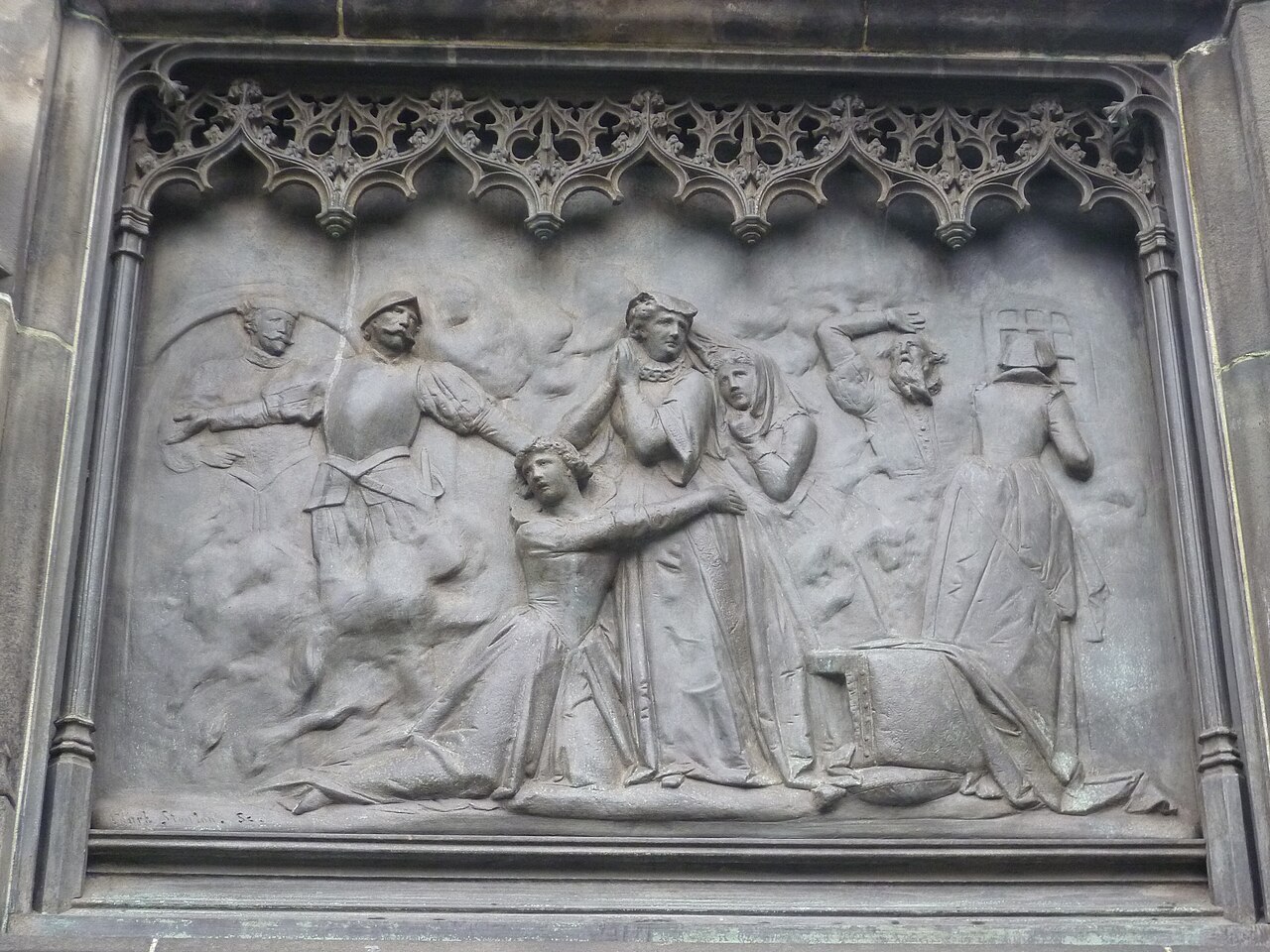
Panel on the statue of the 5th Duke of Buccleuch
Kim Traynor · Nineteenth century (statue; exact date not given)
A bronze relief panel on a 19th-century statue in Edinburgh. It was first described as showing the 1566 murder of David Rizzio, but a later correction says it shows the 1548 burning of Catslack Tower.
A later family memorial whose panel was first linked to Mary's secretary David Rizzio, though a correction now says it shows a different 1548 event.
About this source
What it is
This is a bronze relief panel in a gothic-arched frame on the statue of the 5th Duke of Buccleuch (1806-1884), which stands outside the High Kirk of St. Giles in Edinburgh. The statue has four panels showing incidents in the family history of the Scotts of Buccleuch. The panel was uploaded by Kim Traynor, with a record date of 6 May 2011. Its original description named the murder of David Rizzio inside Holyrood Palace in 1566. A later correction says the panel actually depicts the burning of Catslack Tower in Yarrow by the English in 1548, when Lady Buccleuch (Elizabeth Kerr of Cessford) and her household perished.
Why it matters
The panel is a later memorial, made long after the events it shows, so it reflects how a 19th-century family chose to remember its past rather than an eyewitness record. Rizzio was Mary's secretary, and his death in 1566 is one of the best-known episodes of her reign. Because the correction places this panel's scene in 1548, it does not record Mary's court. Students should check corrections and descriptions against each other before drawing conclusions from a sculpture.
Look closer
- What do the figures' clothing and gestures suggest about the period the sculptor wanted to show?
- Why might a family choose to honour its ancestors on a public statue, and what story does it want to tell?
- Which parts of the story are left out when a scene is reduced to one panel?
This sculpture is part of the curated material that grounds the AI version of Mary, Queen of Scots on Humy.ai — when students ask about related events, the AI can quote it and cite it.
More Mary, Queen of Scots sources
Browse all 88 →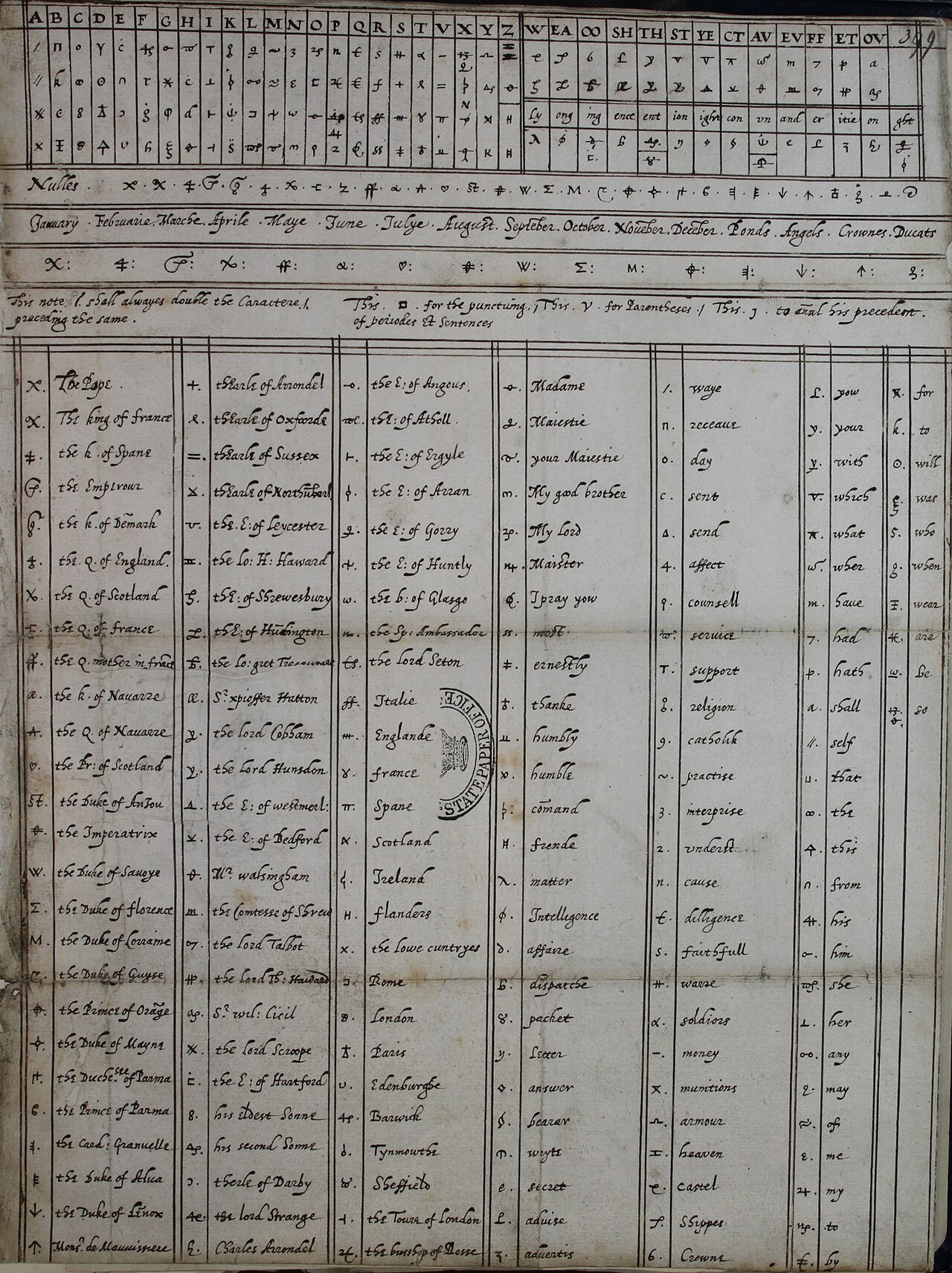 Document
Primary source
Cipher and Code Tables of Mary, Queen of Scots
Mary, Queen of Scots
 Painting
Primary source
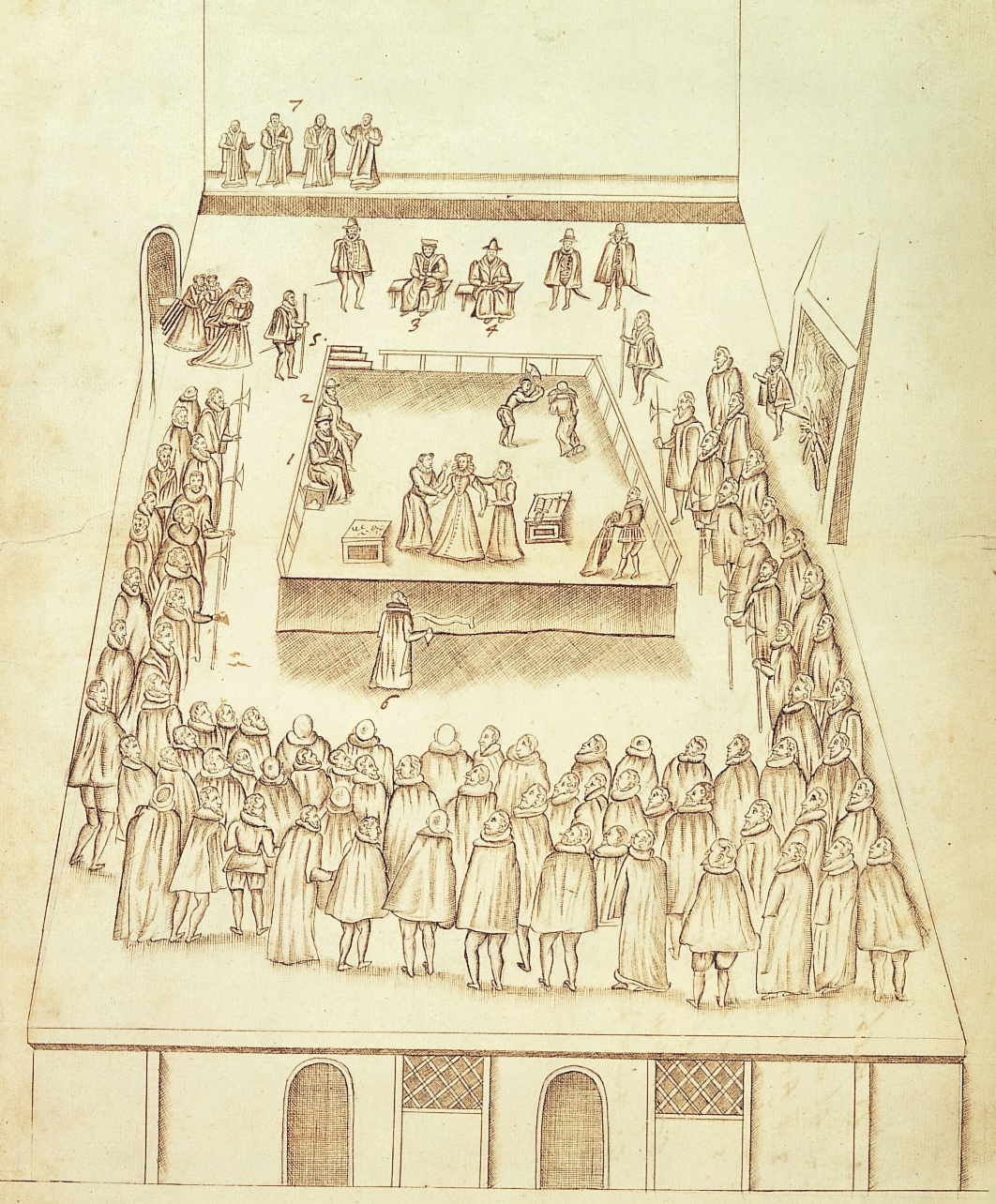
Drawing of the Execution of Mary, Queen of Scots at Fotheringhay
Unknown artist (Beale papers) · 1587
 Painting
Primary source
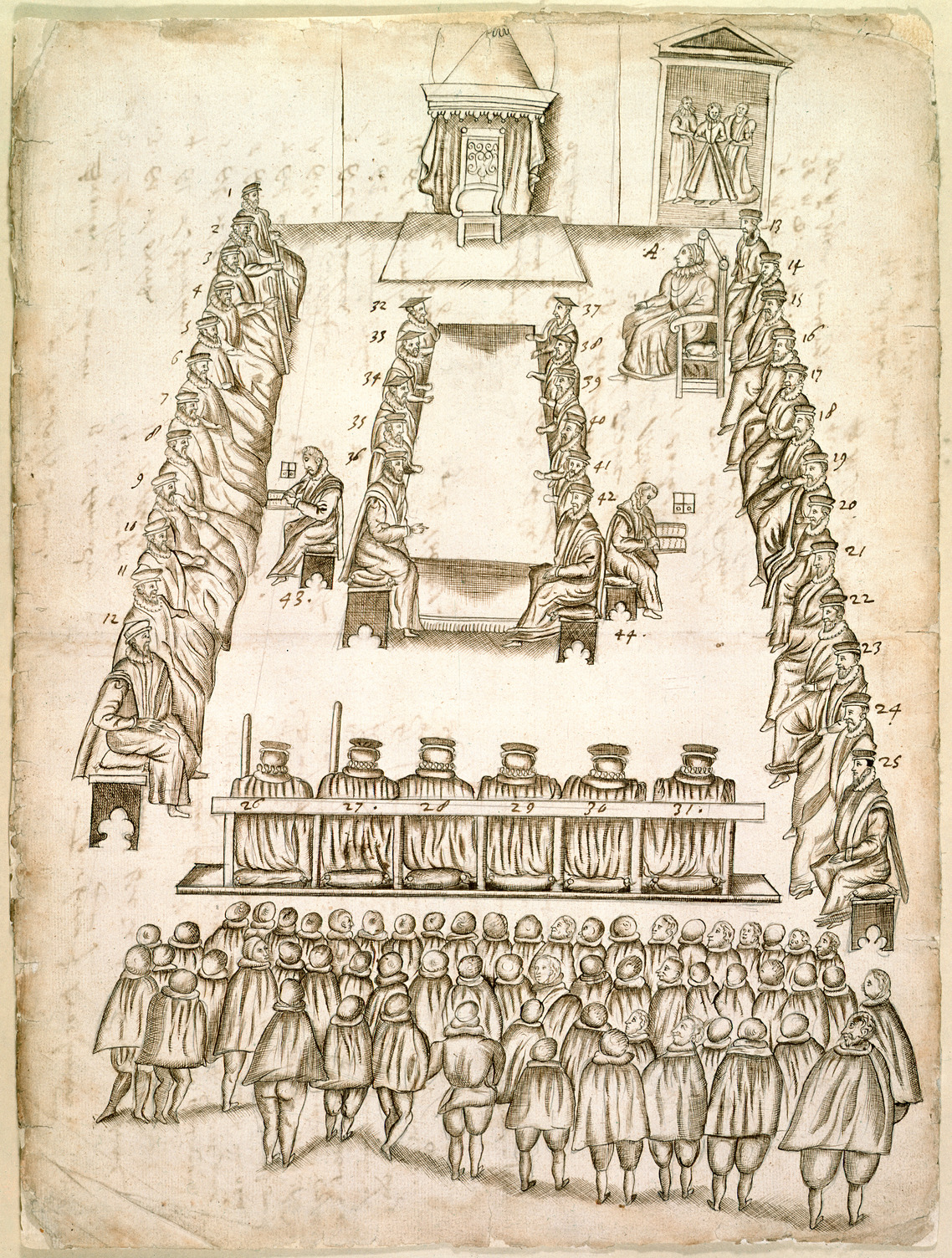
Drawing of the Trial of Mary, Queen of Scots
Unknown artist · 14-15 October 1586
 Letter
Primary source
Casket Letters
Attributed to Mary, Queen of Scots (disputed) · January-April 1567
Free account
Read every Mary, Queen of Scots source
Sign up free →
Ready when you are
Start chatting with Mary, Queen of Scots now.
20 messages free · No credit card · Available in 50+ languages.