


Secondary sourceArtifactfounded 996
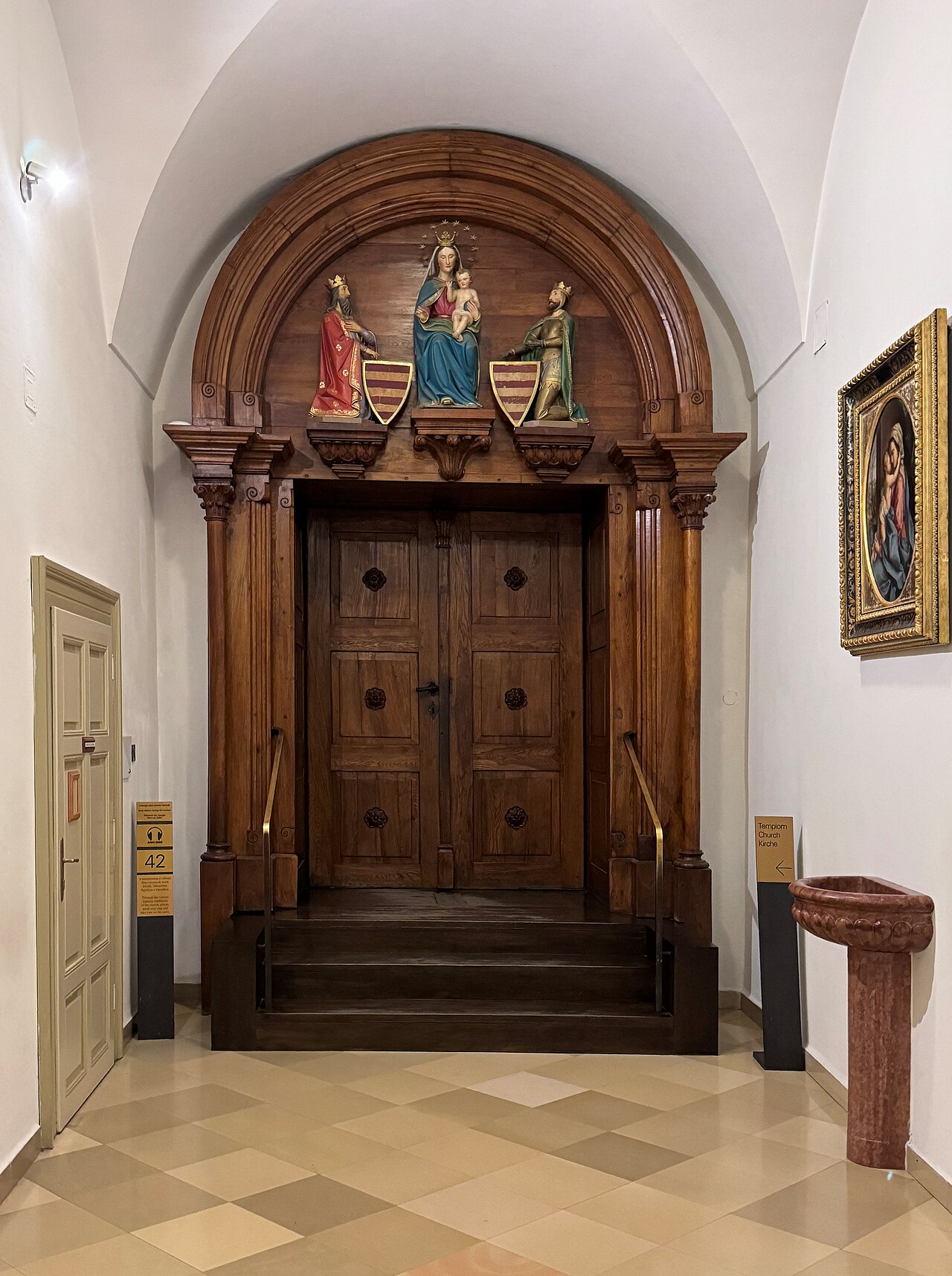
Pannonhalma Archabbey
founded 996
A Benedictine monastery endowed by King Stephen I with lands once belonging to his rival Koppány, still standing today.
Stephen endowed this abbey with tithes from Koppány's former lands, showing his use of religion to secure royal power.
Free Humy account · No credit card · 120,912 sources to read
About this source
What it is
Pannonhalma Archabbey is a Benedictine monastery in Hungary, founded in 996 by Prince Géza as the first Hungarian Benedictine house. Géza's son, King Stephen I, later donated estates and privileges to the monastery, including tithes from the lands of his defeated rival Koppány. The site has been rebuilt and expanded many times over its long history and is now a UNESCO World Heritage Site.
Why it matters
The abbey shows how Stephen I used religious foundations to strengthen Christianity and royal power in Hungary, rewarding the church with lands taken from defeated opponents. It remains a working monastery today, connecting the modern world directly to the Christianization of Hungary under Géza and Stephen.
Look closer
- Why would a king give land from a defeated rival to a monastery?
- What does the long survival of this building suggest about its importance?
- How might religious buildings have helped kings control their territory?
This artifact is part of the curated material that grounds the AI version of Stephen I of Hungary on Humy.ai — when students ask about related events, the AI can quote it and cite it.
More Stephen I of Hungary sources
Browse all 87 →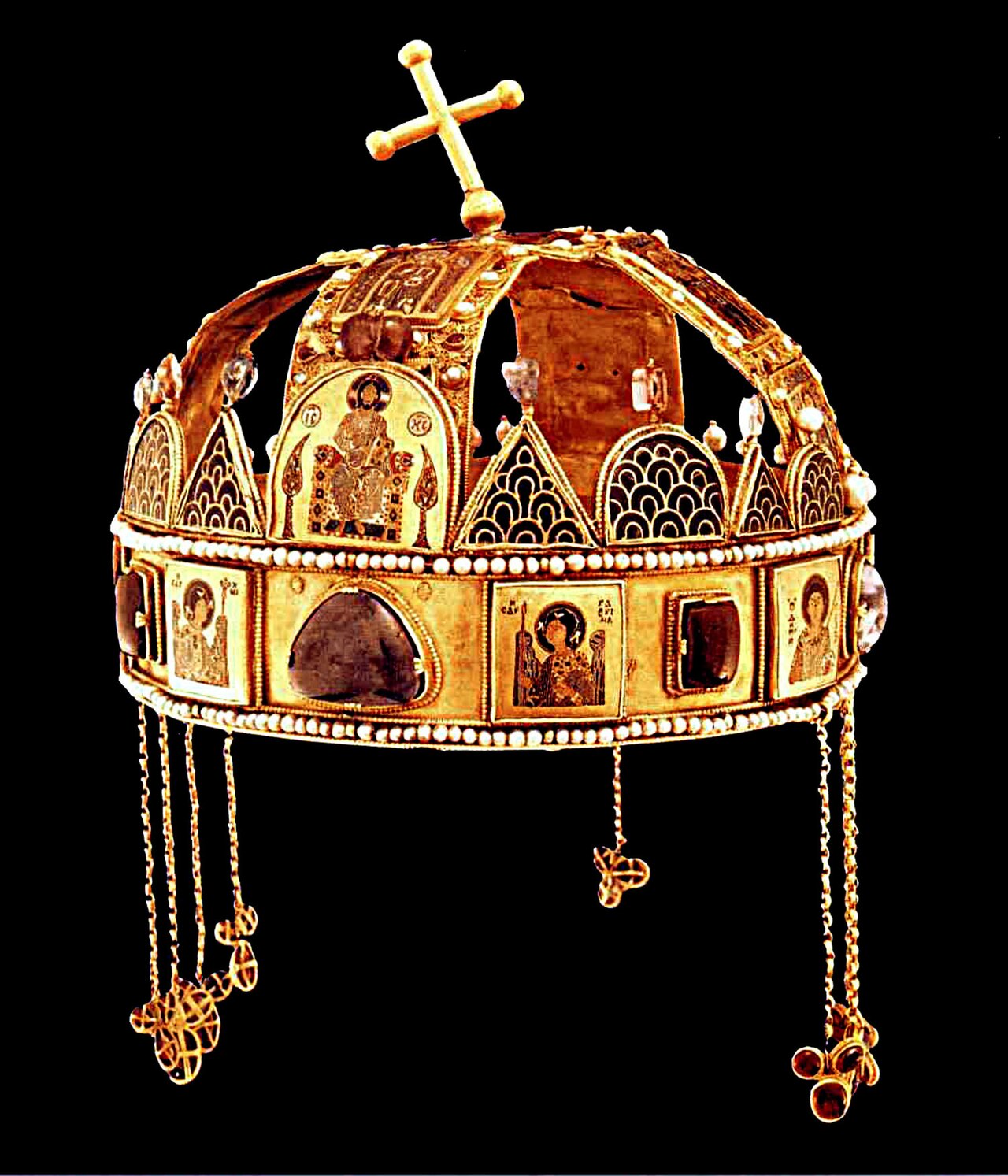 Artifact
Secondary source
Holy Crown of Hungary
1070s, present form c. late 12th century
 Document
Primary source
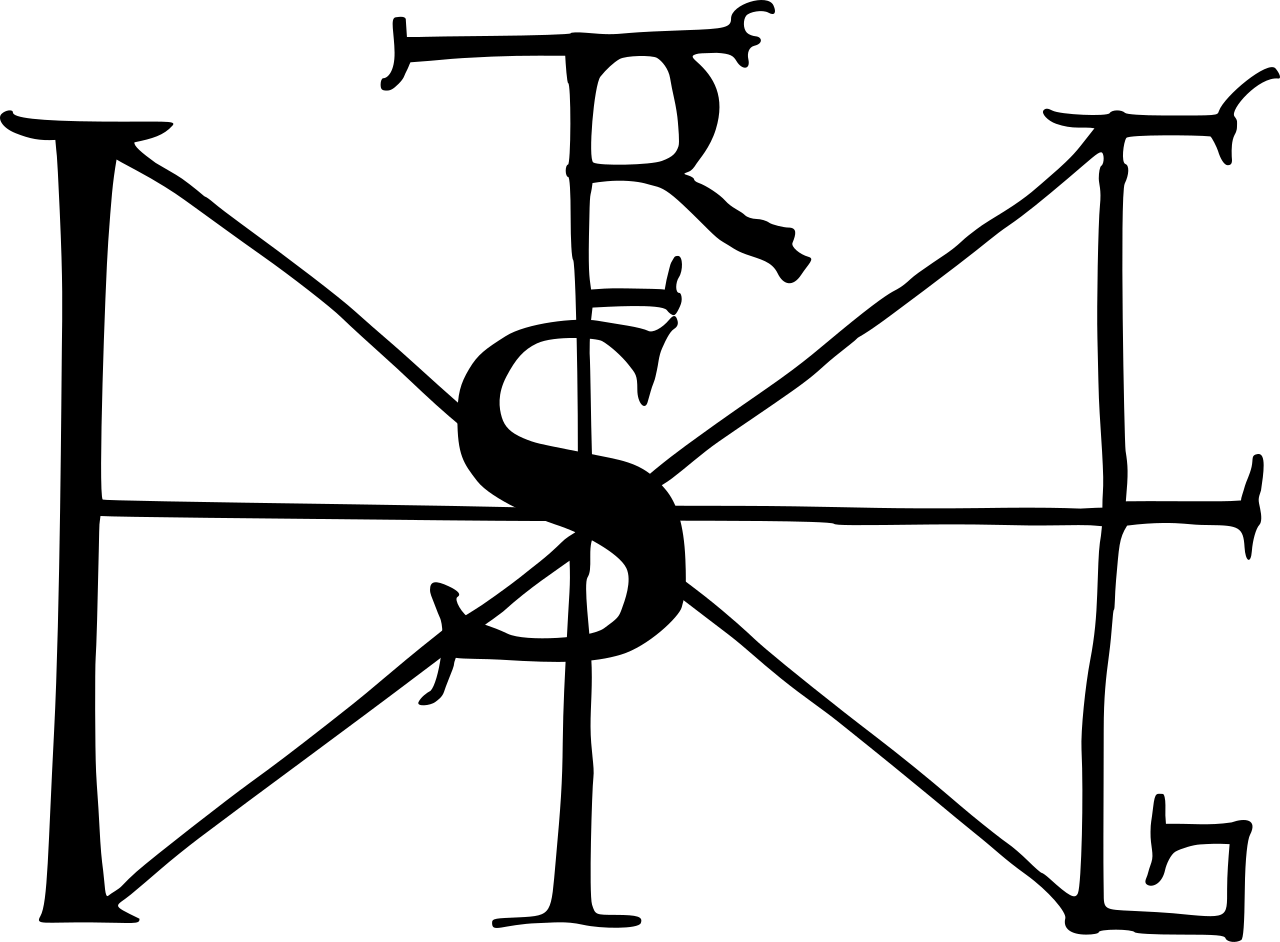
Signature of Stephen I of Hungary
Stephen I of Hungary
 Artifact
Secondary source
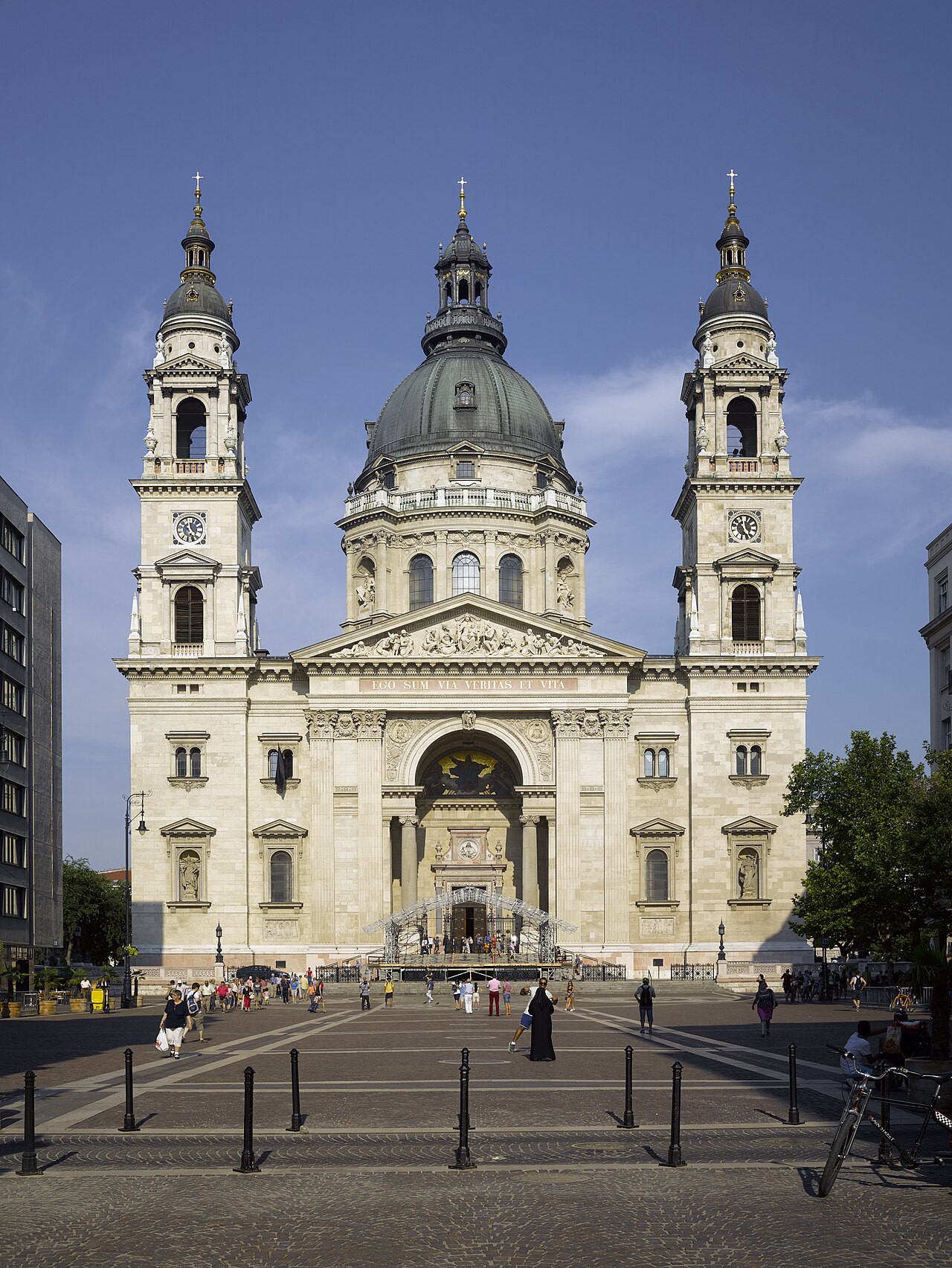
St. Stephen's Basilica
József Hild, Miklós Ybl, József Kauser · completed 1905
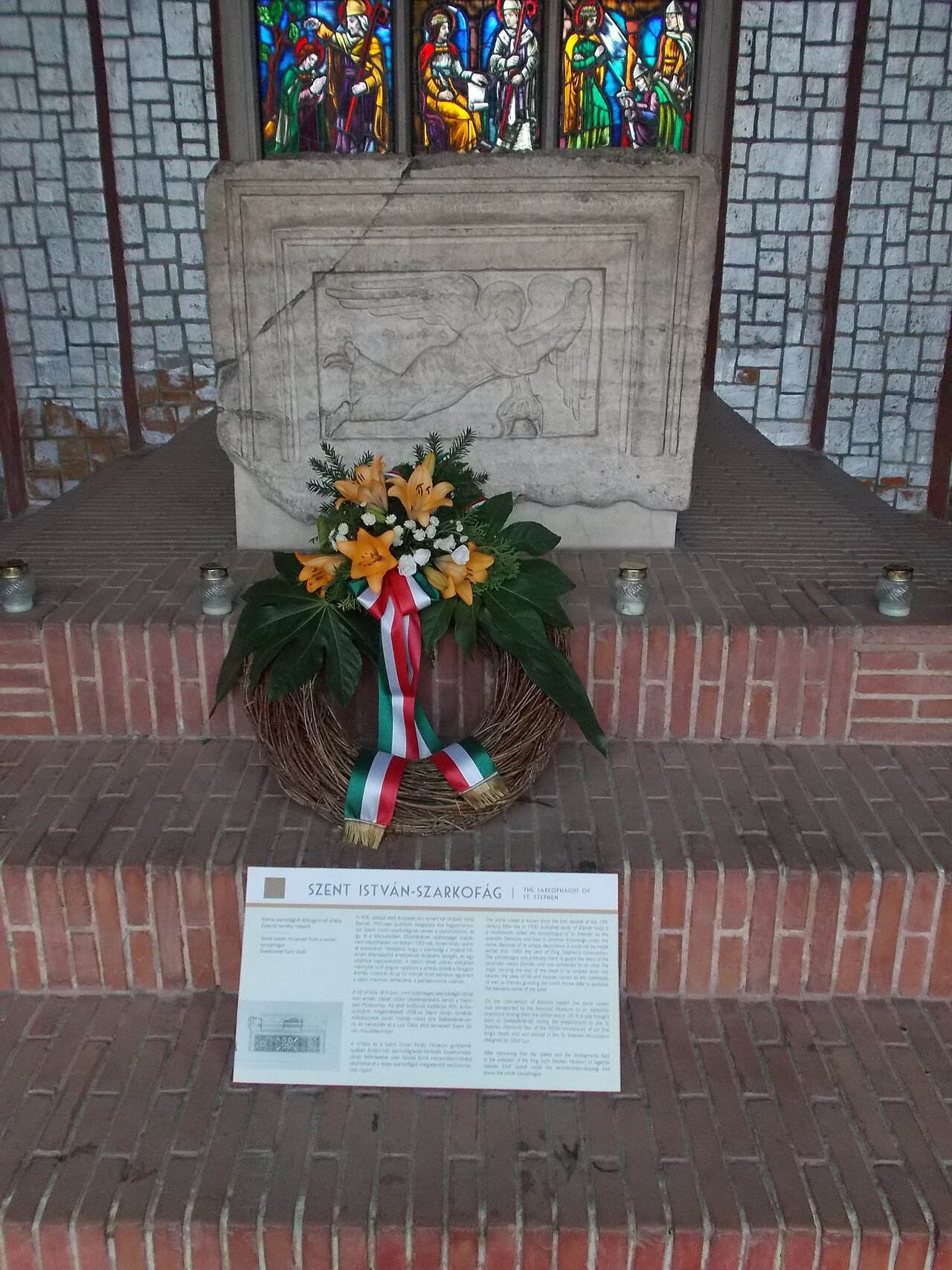 Sculpture
Secondary source
St. Stephen's Sarcophagus
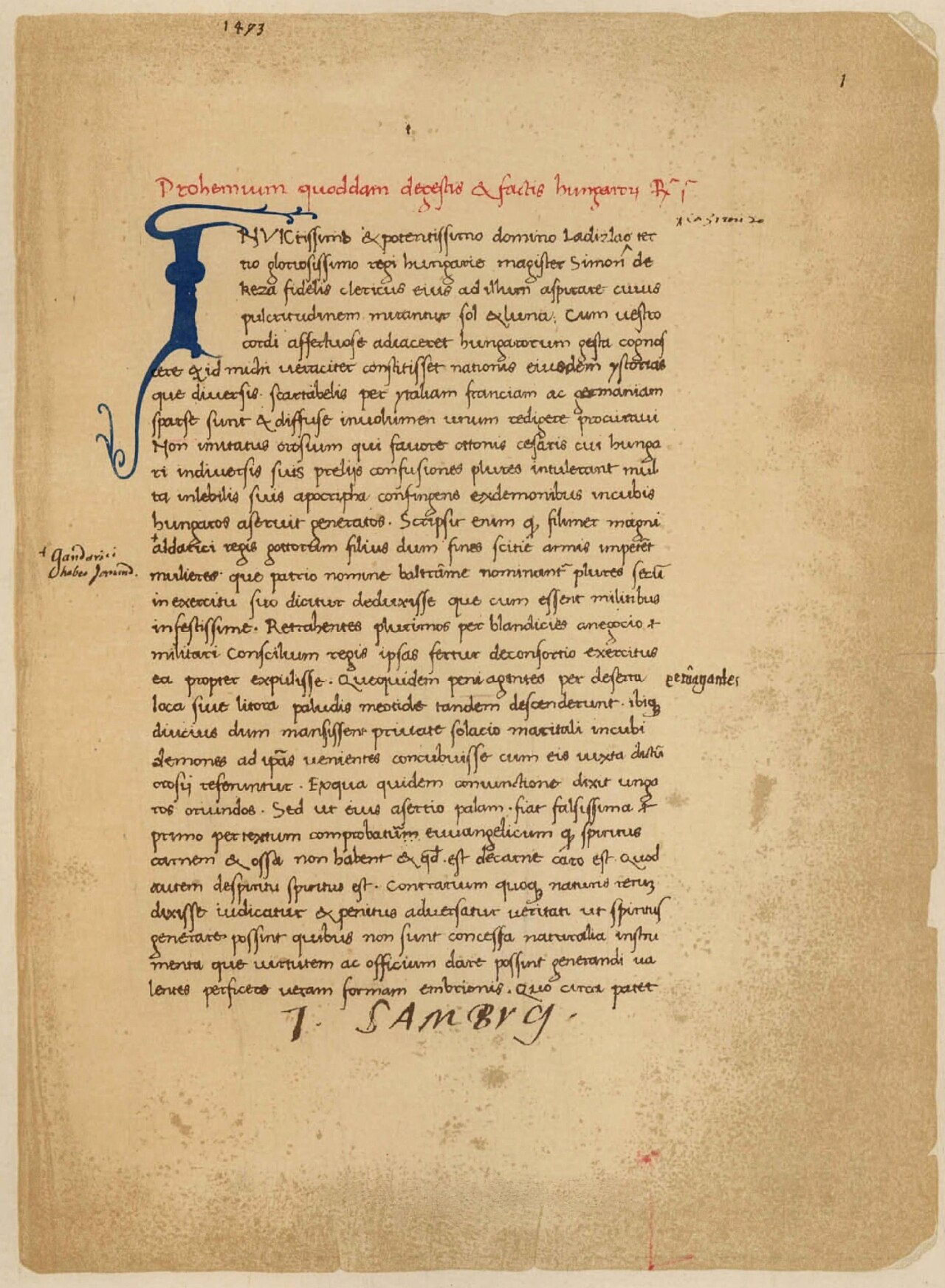
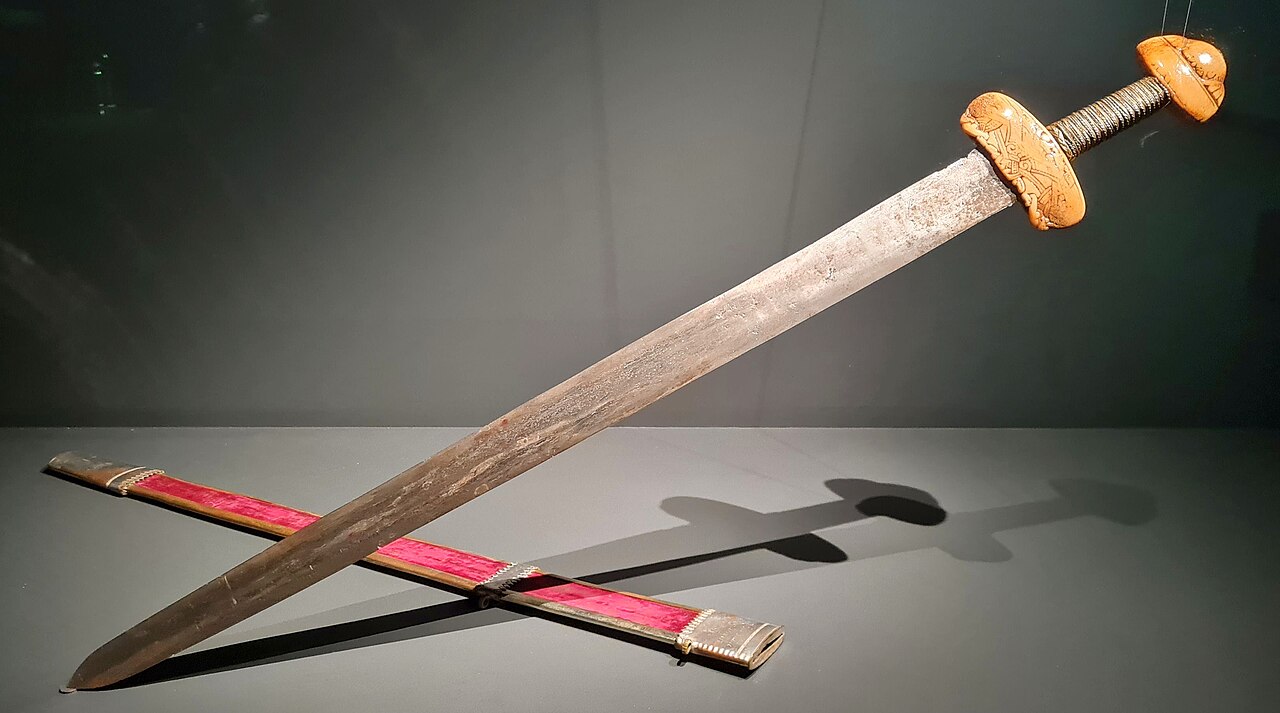
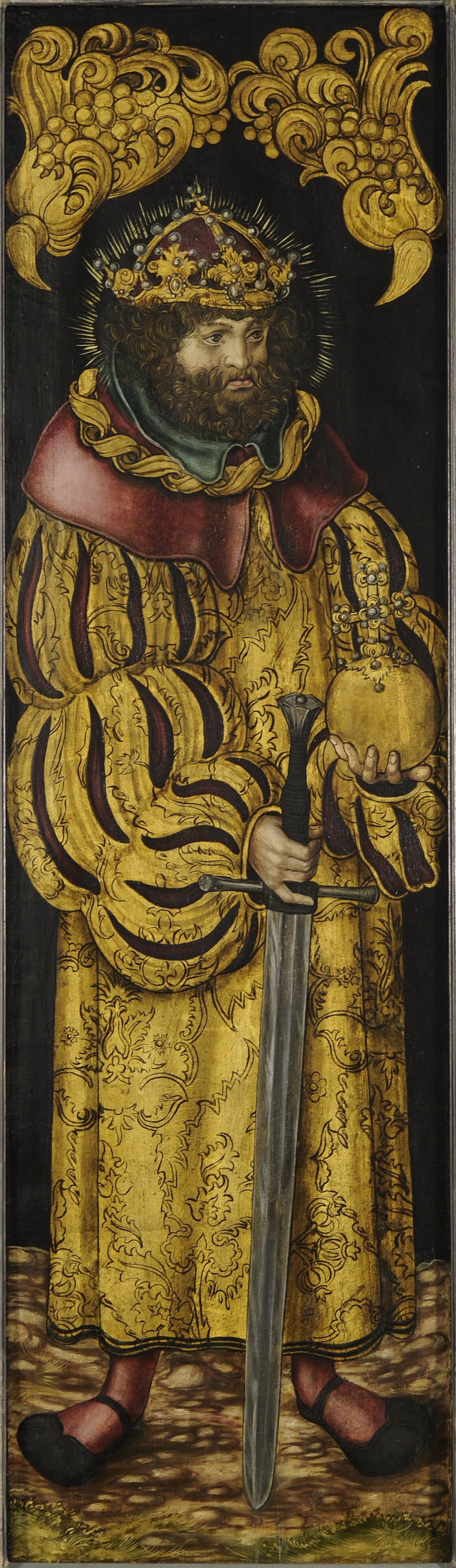
Free account
Read every Stephen I of Hungary source
Sign up free →
Ready when you are
Start chatting with Stephen I of Hungary now.
20 messages free · No credit card · Available in 50+ languages.