


Secondary sourceSculpture
St. Stephen's Sarcophagus
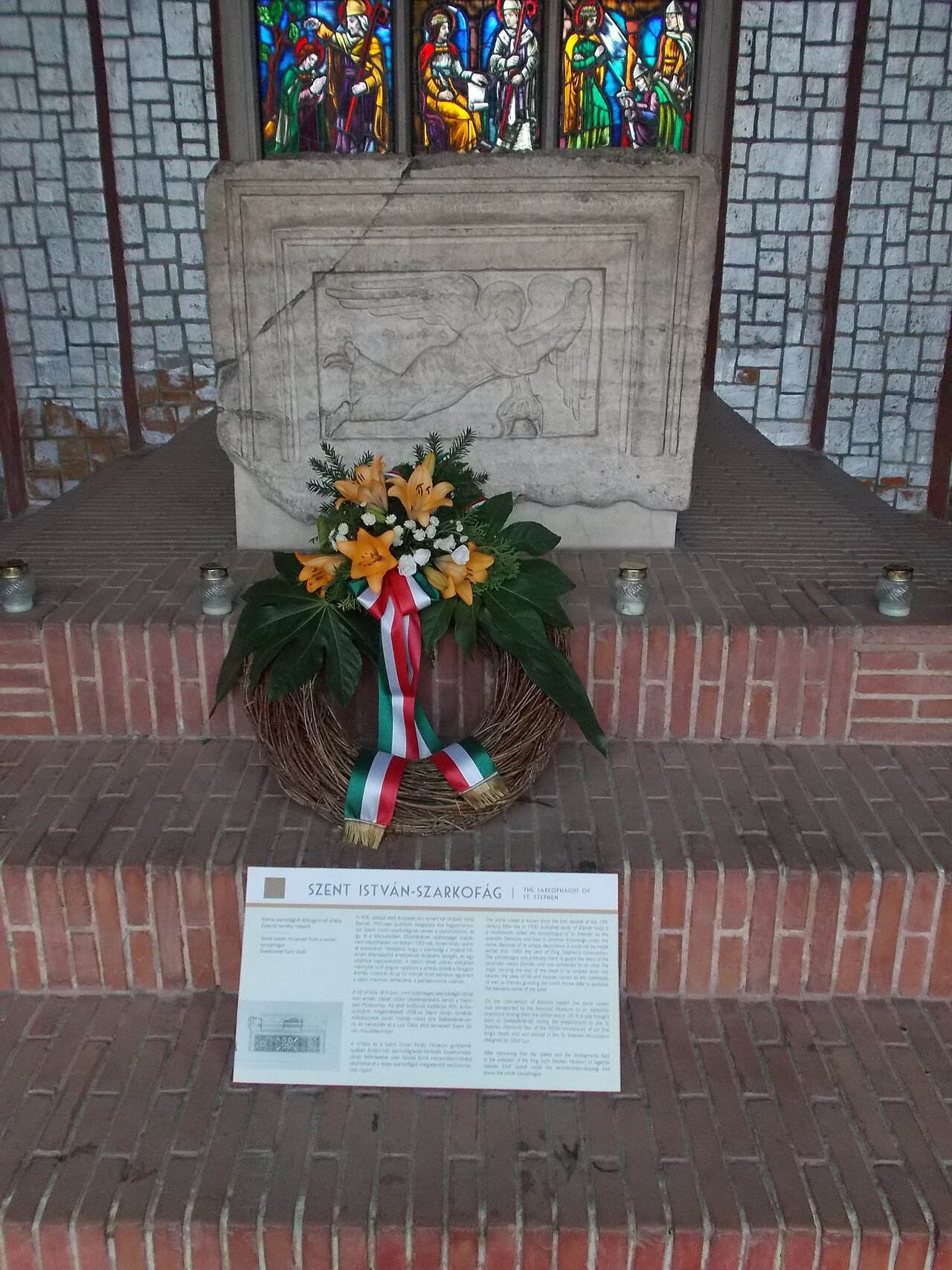
A reused Roman sarcophagus in Székesfehérvár traditionally believed to be the tomb of King Stephen I from his own basilica.
This sarcophagus is traditionally held to be Stephen's own tomb from his basilica in Székesfehérvár.
About this source
What it is
This carved stone sarcophagus, decorated with angels, stands in the Medieval Ruin Garden in Székesfehérvár, Hungary. It was originally a Roman sarcophagus, later reused and traditionally identified as the tomb of King Stephen I, who was buried in the basilica he founded in this city.
Why it matters
The sarcophagus connects to the memory of Stephen I, Hungary's first king and later a saint, and shows how later generations honoured him at the site of his own church. The reuse of a Roman object for a medieval Christian king's burial reflects how early Hungarian rulers drew on older traditions to build their own legitimacy.
Look closer
- What details on the sarcophagus suggest it was carved long before Stephen's time?
- Why might a wreath and candles still be placed here today?
- What does the reuse of an older object tell us about how medieval rulers presented themselves?
This sculpture is part of the curated material that grounds the AI version of Stephen I of Hungary on Humy.ai — when students ask about related events, the AI can quote it and cite it.
More Stephen I of Hungary sources
Browse all 87 →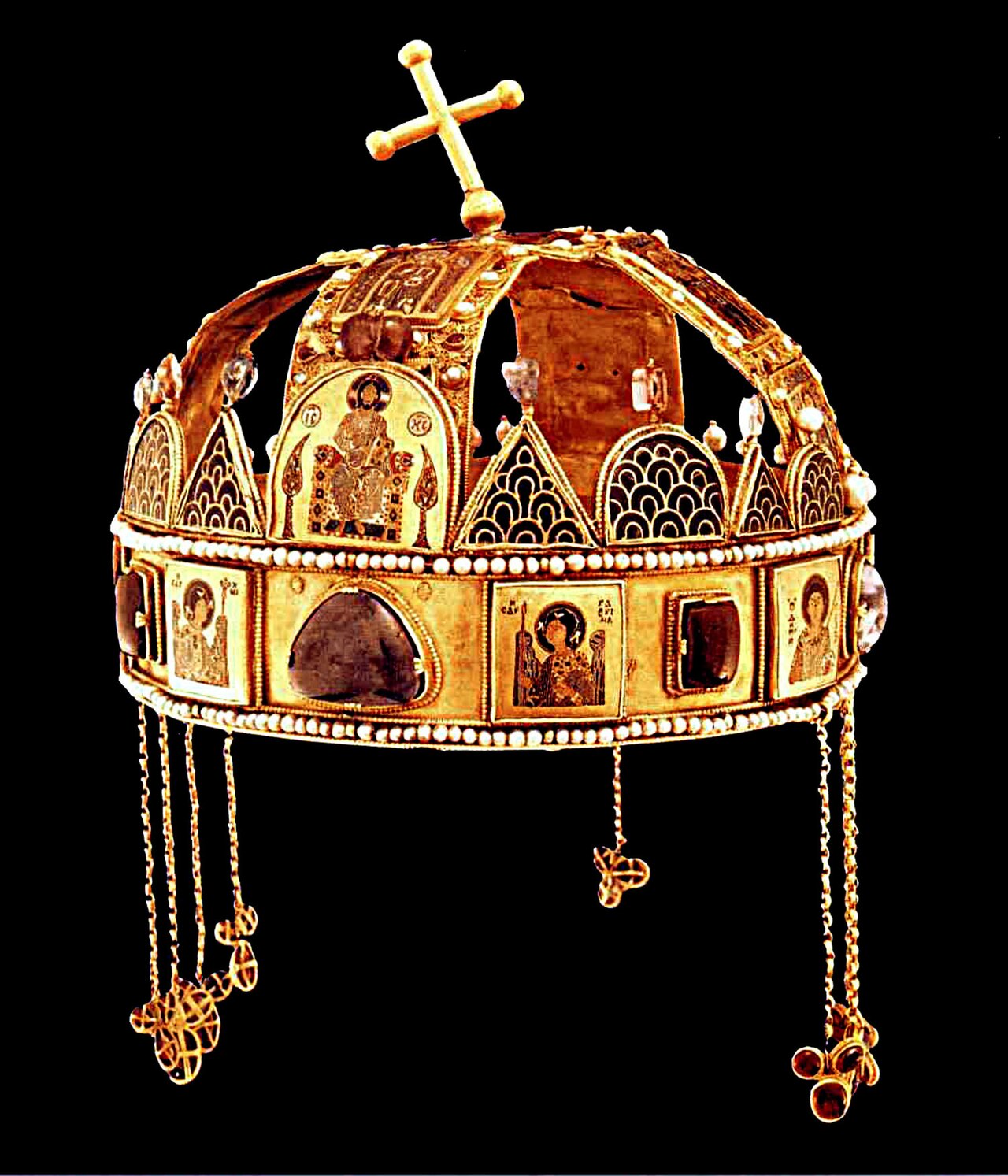 Artifact
Secondary source
Holy Crown of Hungary
1070s, present form c. late 12th century
 Document
Primary source
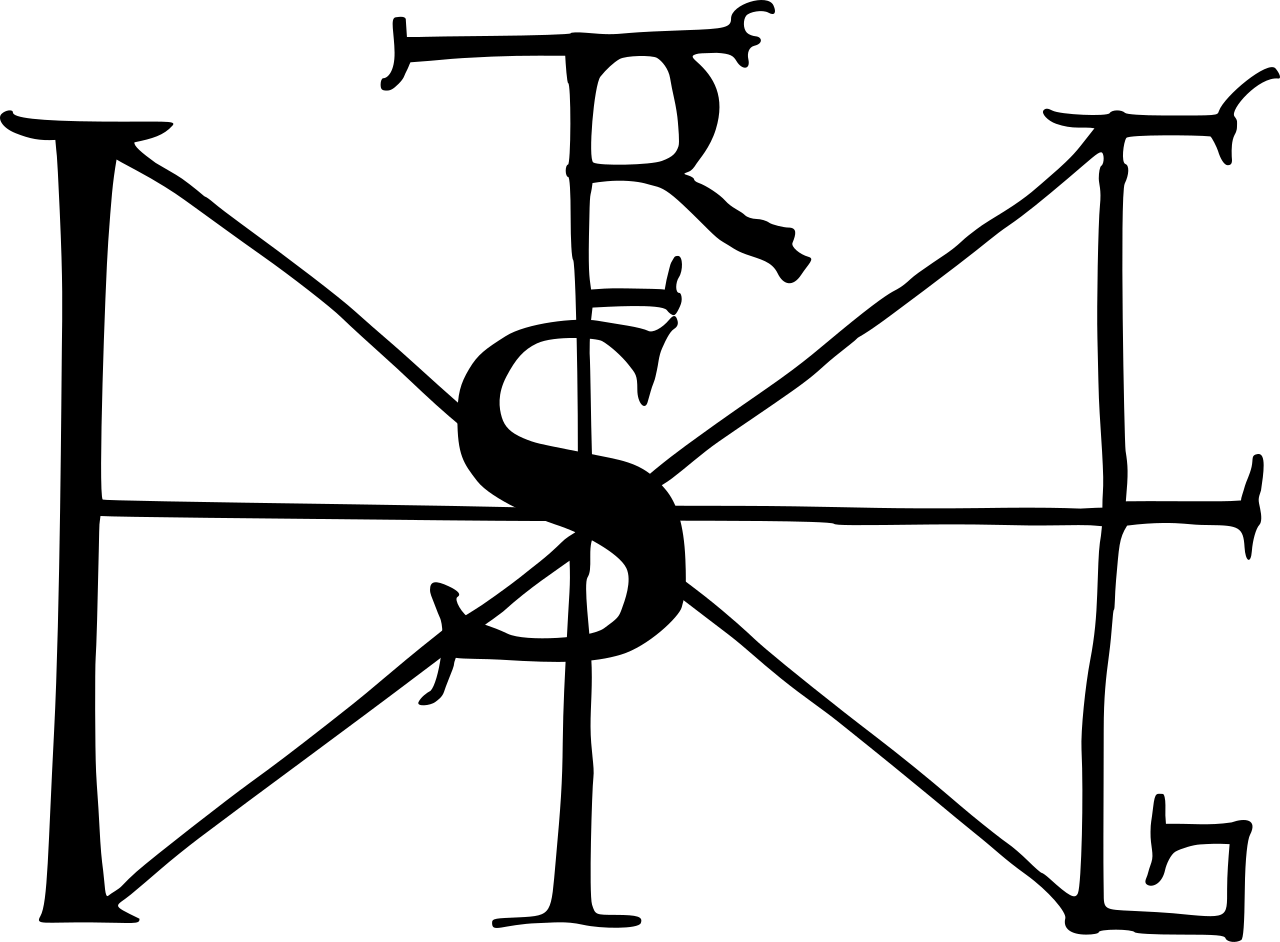
Signature of Stephen I of Hungary
Stephen I of Hungary
 Artifact
Secondary source
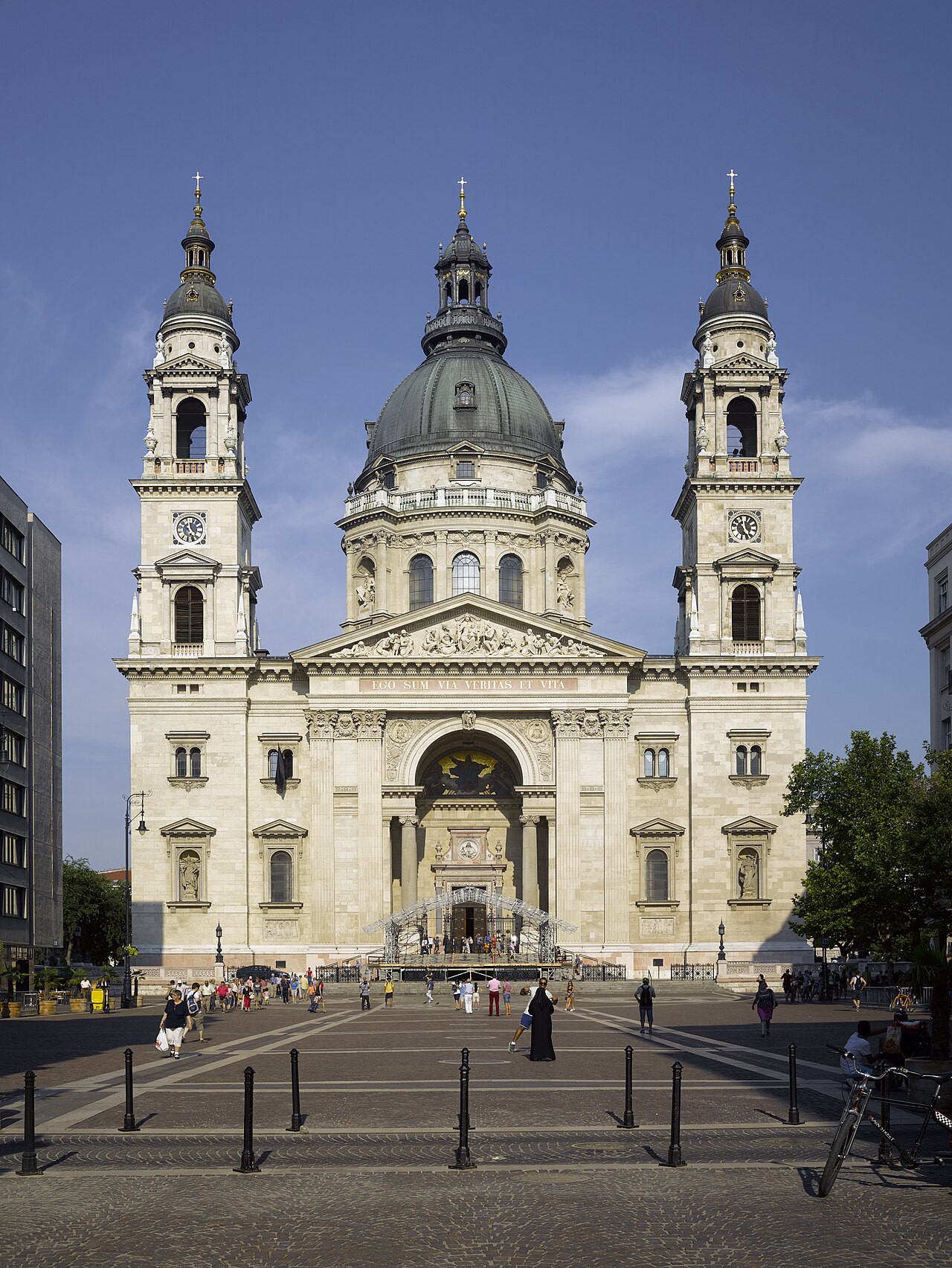
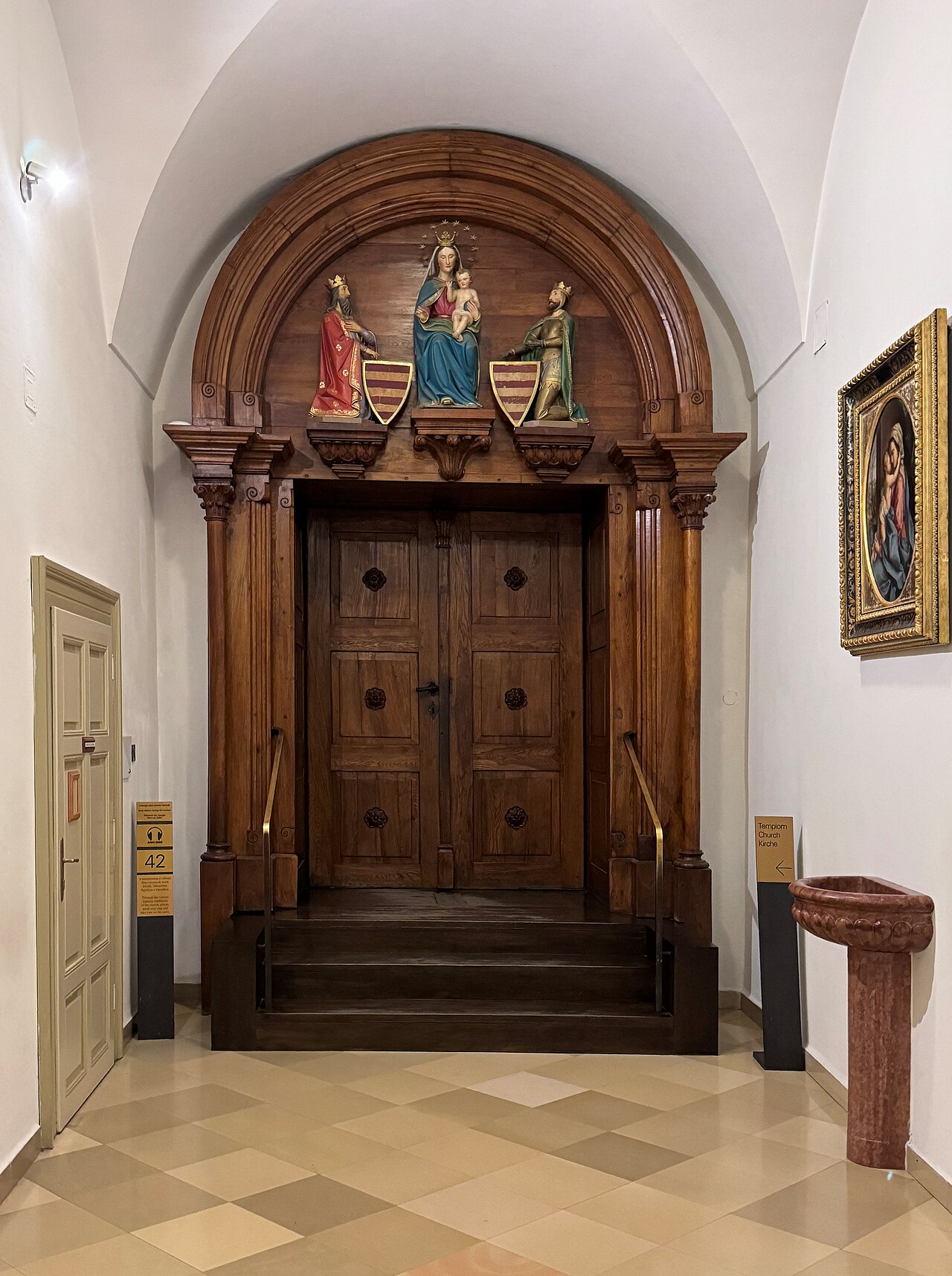
St. Stephen's Basilica
József Hild, Miklós Ybl, József Kauser · completed 1905
 Artifact
Secondary source
Pannonhalma Archabbey
founded 996
Free account
Read every Stephen I of Hungary source
Sign up free →
Ready when you are
Start chatting with Stephen I of Hungary now.
20 messages free · No credit card · Available in 50+ languages.