


Secondary sourcePaintingearly to mid-16th century
Pantheon Pediment and Pilaster Details
early to mid-16th century
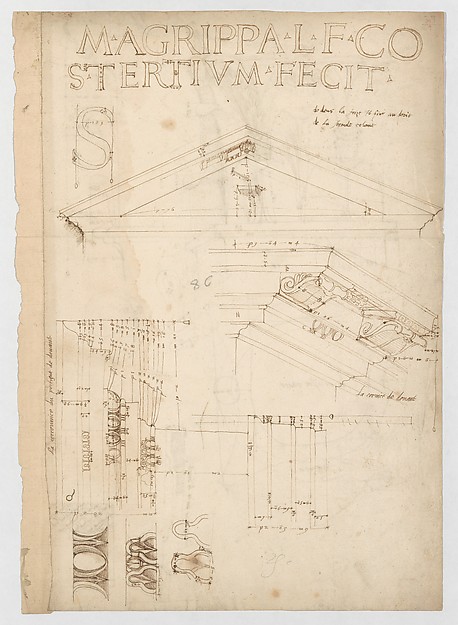
A sixteenth-century French drawing of the Pantheon's pediment and pilasters. Its inscription names Agrippa as the builder, linking the design to him.
Its inscription names Agrippa as the builder, showing how a Renaissance artist recorded his link to the Pantheon.
About this source
What it is
This is a drawing by an anonymous French artist of the early to mid-sixteenth century, held by The Metropolitan Museum of Art. It is made in dark brown ink, black chalk and incised lines. The recto is titled Pantheon, pediment details. The verso shows a pilaster capital profile, a projected elevation, a column diagram and a bronze door detail. The drawing carries the inscription M AGRIPPA L F CO S TERTIVM FECIT across the top. It shows a triangular pediment with a central relief figure, a large letter S, and cornice moldings with measurement notes.
Why it matters
The inscription names Agrippa, the son of Lucius, consul for the third time, as the builder of the Pantheon. Sixteenth-century artists copied such inscriptions carefully, so the drawing shows how Agrippa's name was read and passed on in the Renaissance. It is a later study, not Agrippa's own record.
Look closer
- Why does the drawer copy an inscription naming Agrippa at the top of the sheet?
- Which details are measured and which are only sketched, and what does that suggest about the artist's purpose?
- What does this sheet leave out about the people who worked on the building or lived near it?
This painting is part of the curated material that grounds the AI version of Marcus Vipsanius Agrippa on Humy.ai — when students ask about related events, the AI can quote it and cite it.
More Marcus Vipsanius Agrippa sources
Browse all 97 →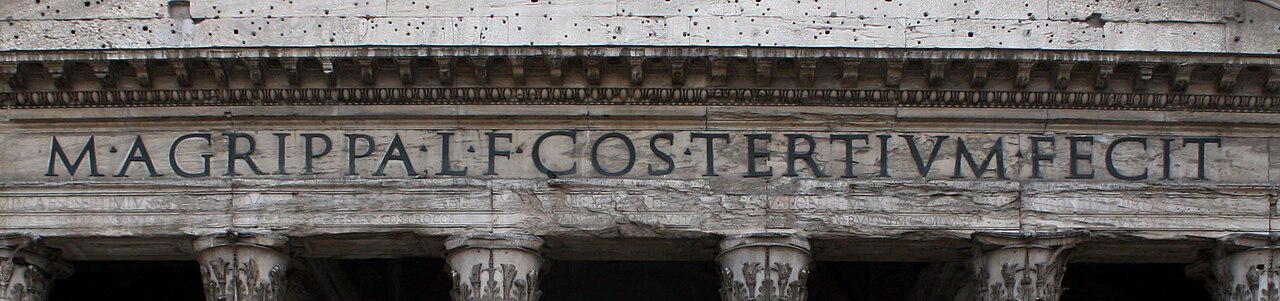 Document
Secondary source
CIL VI, 896 (Pantheon Dedication Inscription)
126 (copying text of 27 BC)
 Sculpture
Primary source
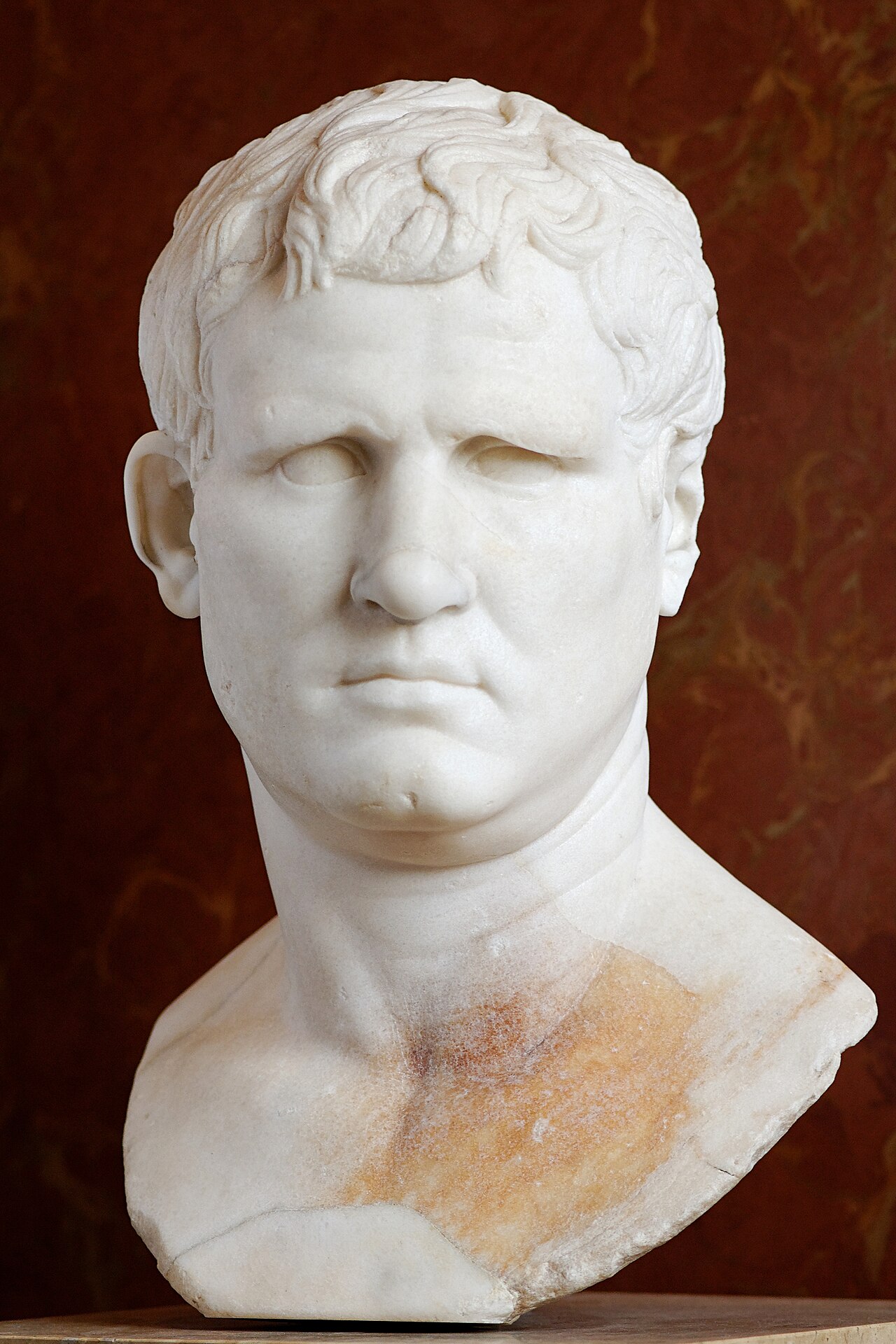
Portrait of Marcus Vipsanius Agrippa (Gabii type)
c. 25–24 BC
 Artifact
Primary source
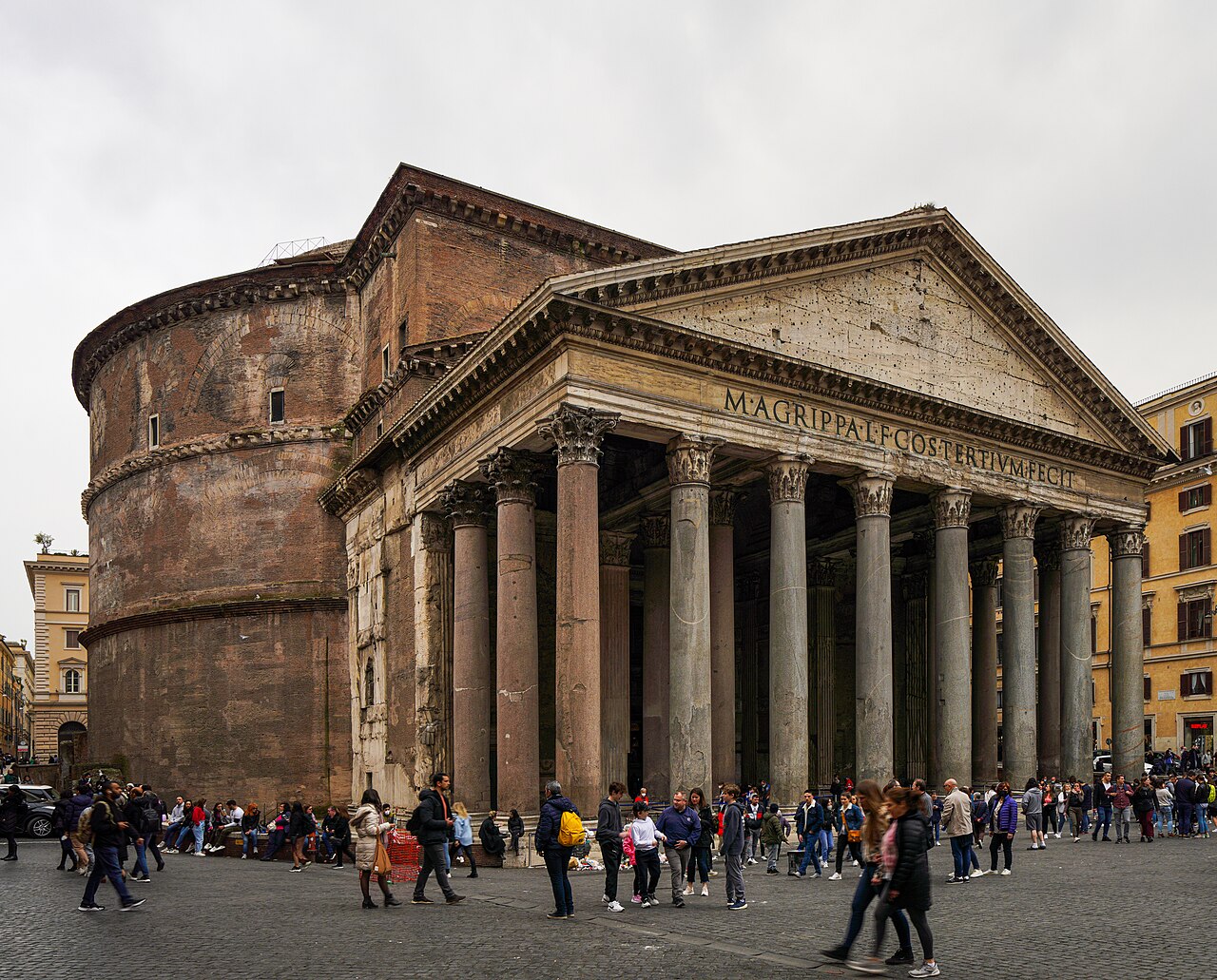
Pantheon
Hadrian · c. AD 126-128
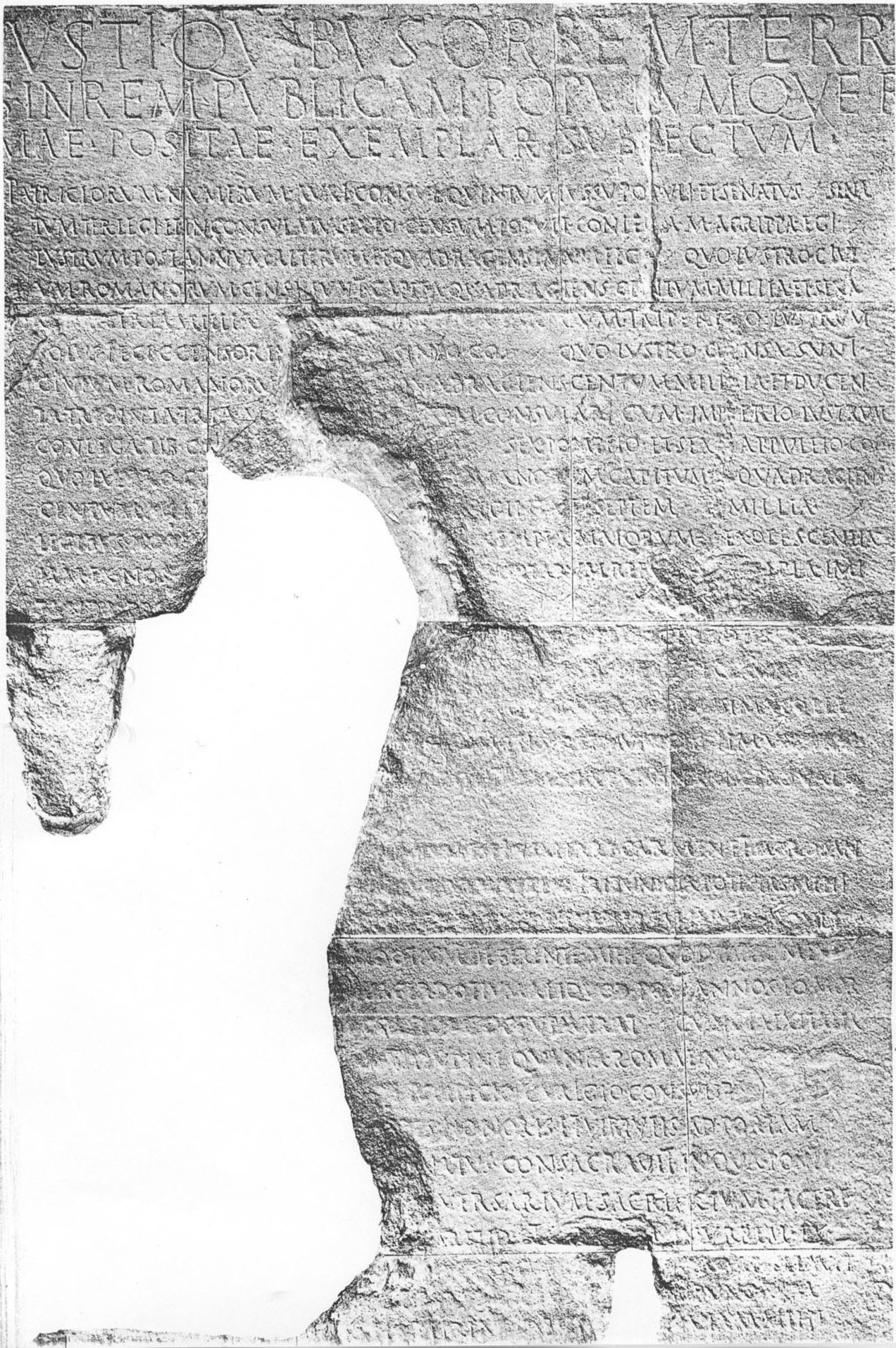 Document
Primary source
Res Gestae Divi Augusti
Augustus · 14 AD
Free account
Read every Marcus Vipsanius Agrippa source
Sign up free →
Ready when you are
Start chatting with Marcus Vipsanius Agrippa now.
20 messages free · No credit card · Available in 50+ languages.