


Secondary sourcePaintingearly to mid-16th century
Pantheon Portico Plan and Details
early to mid-16th century
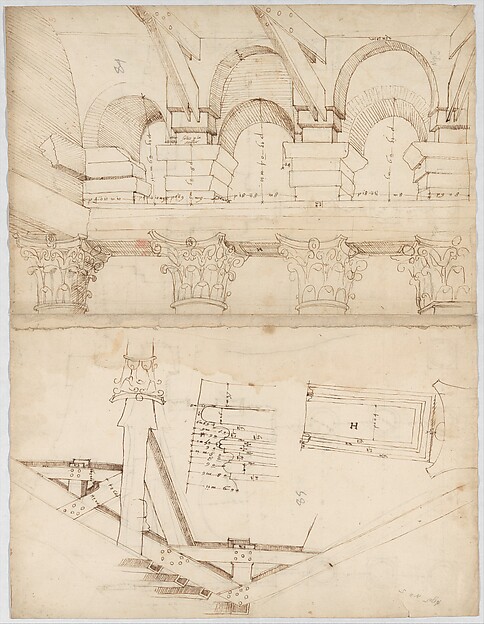
A sixteenth-century French pen and ink drawing of the Pantheon portico. It records the building that Agrippa founded, as seen by a later architect.
It records the Pantheon portico, the building Agrippa founded, as studied by a later architect.
About this source
What it is
This is a drawing by an anonymous French artist of the early to mid-sixteenth century, held by The Metropolitan Museum of Art. It is made in dark brown ink, black chalk and incised lines. The recto is titled Pantheon, portico, plan, and the verso is titled Pantheon, portico, details and perspective. The sheet shows arches, capitals and entablature sections at the top, and a plan with a column, rectangular outlines and roof timber framing below. Measurements and annotations appear throughout.
Why it matters
The Pantheon was the building Agrippa founded in Rome. Renaissance artists and architects studied Roman buildings closely, measuring them and drawing their details. This sheet reveals how sixteenth-century Europeans tried to understand ancient architecture, and it shows that Agrippa's building was still a model for later designers.
Look closer
- Which parts of the drawing show the building's structure, and which parts show decoration?
- Why would an architect write measurements and notes on a drawing of an ancient building?
- What does this drawing leave out about the Pantheon's later history or about the people who built it?
This painting is part of the curated material that grounds the AI version of Marcus Vipsanius Agrippa on Humy.ai — when students ask about related events, the AI can quote it and cite it.
More Marcus Vipsanius Agrippa sources
Browse all 97 →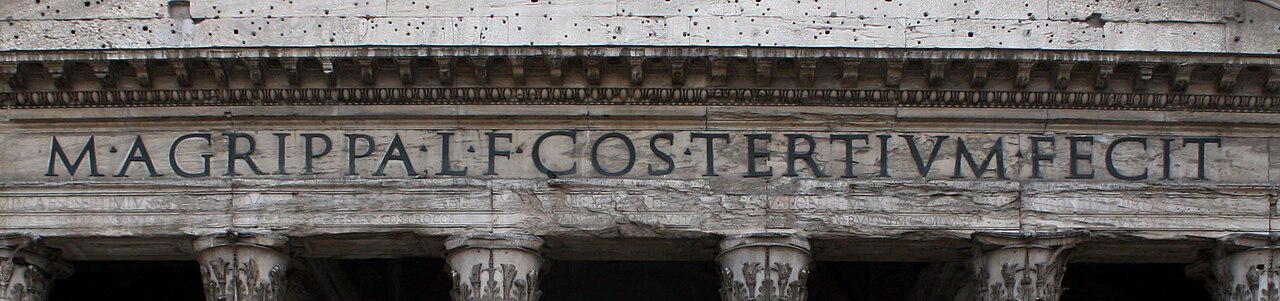 Document
Secondary source
CIL VI, 896 (Pantheon Dedication Inscription)
126 (copying text of 27 BC)
 Sculpture
Primary source
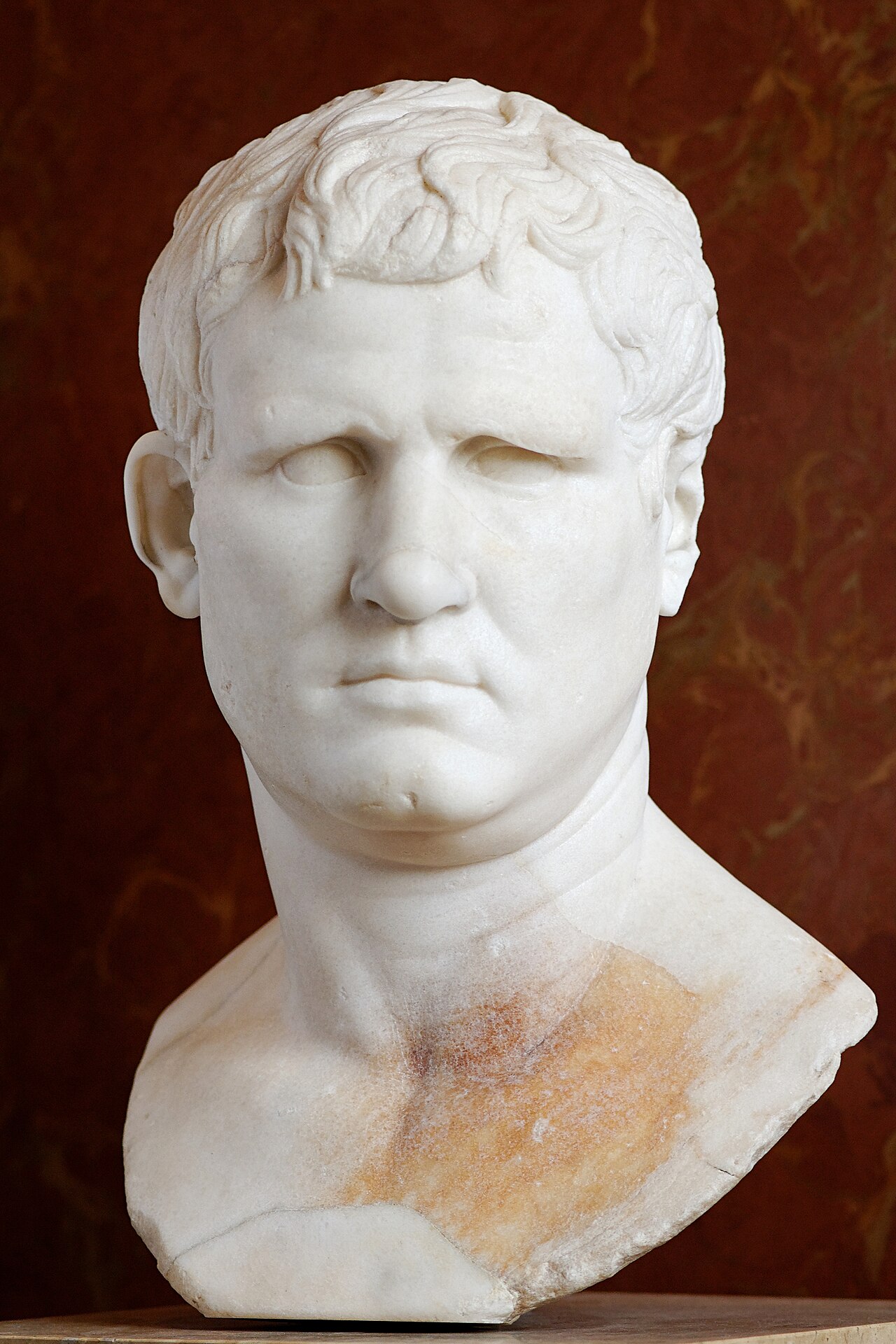
Portrait of Marcus Vipsanius Agrippa (Gabii type)
c. 25–24 BC
 Artifact
Primary source
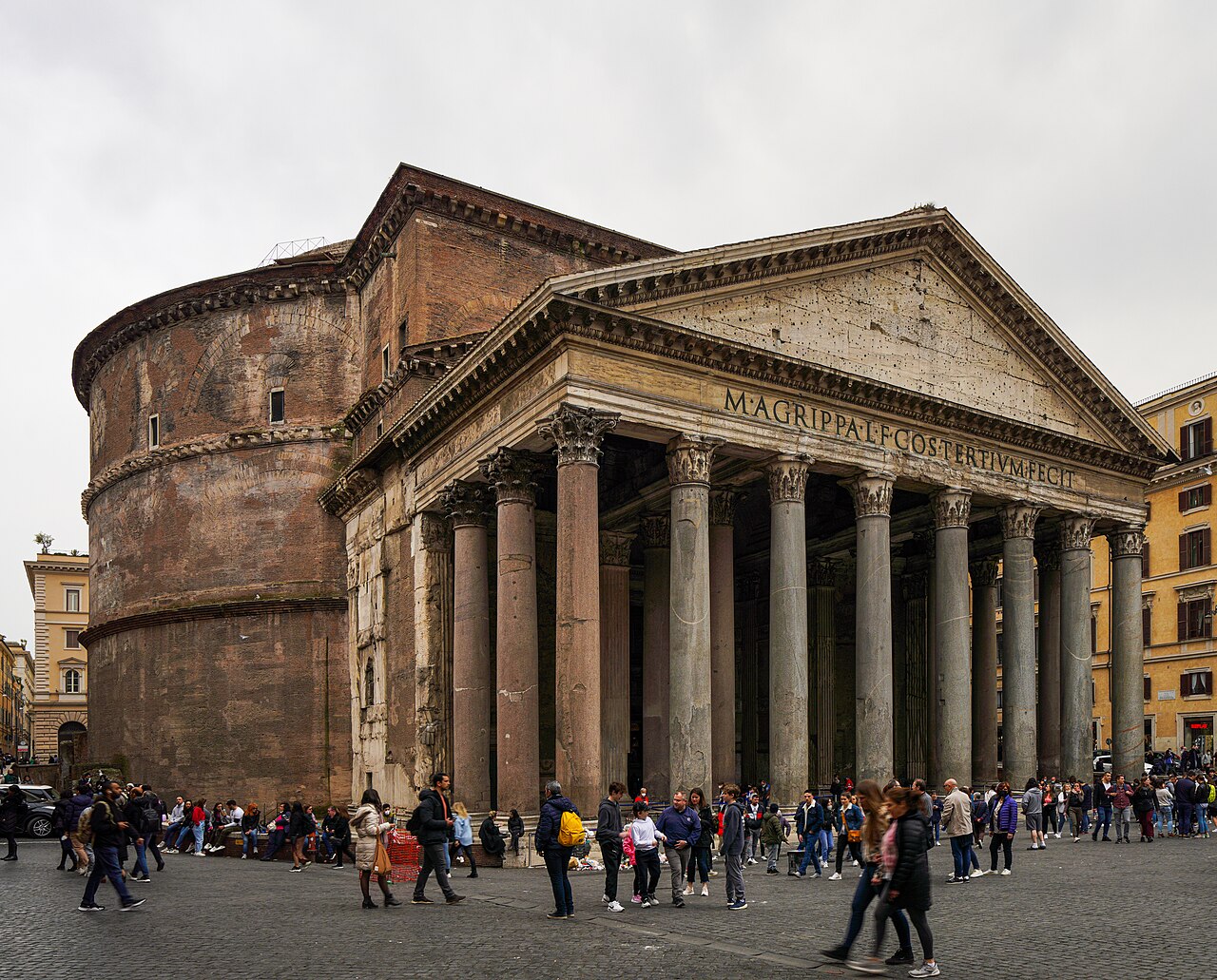
Pantheon
Hadrian · c. AD 126-128
 Document
Primary source
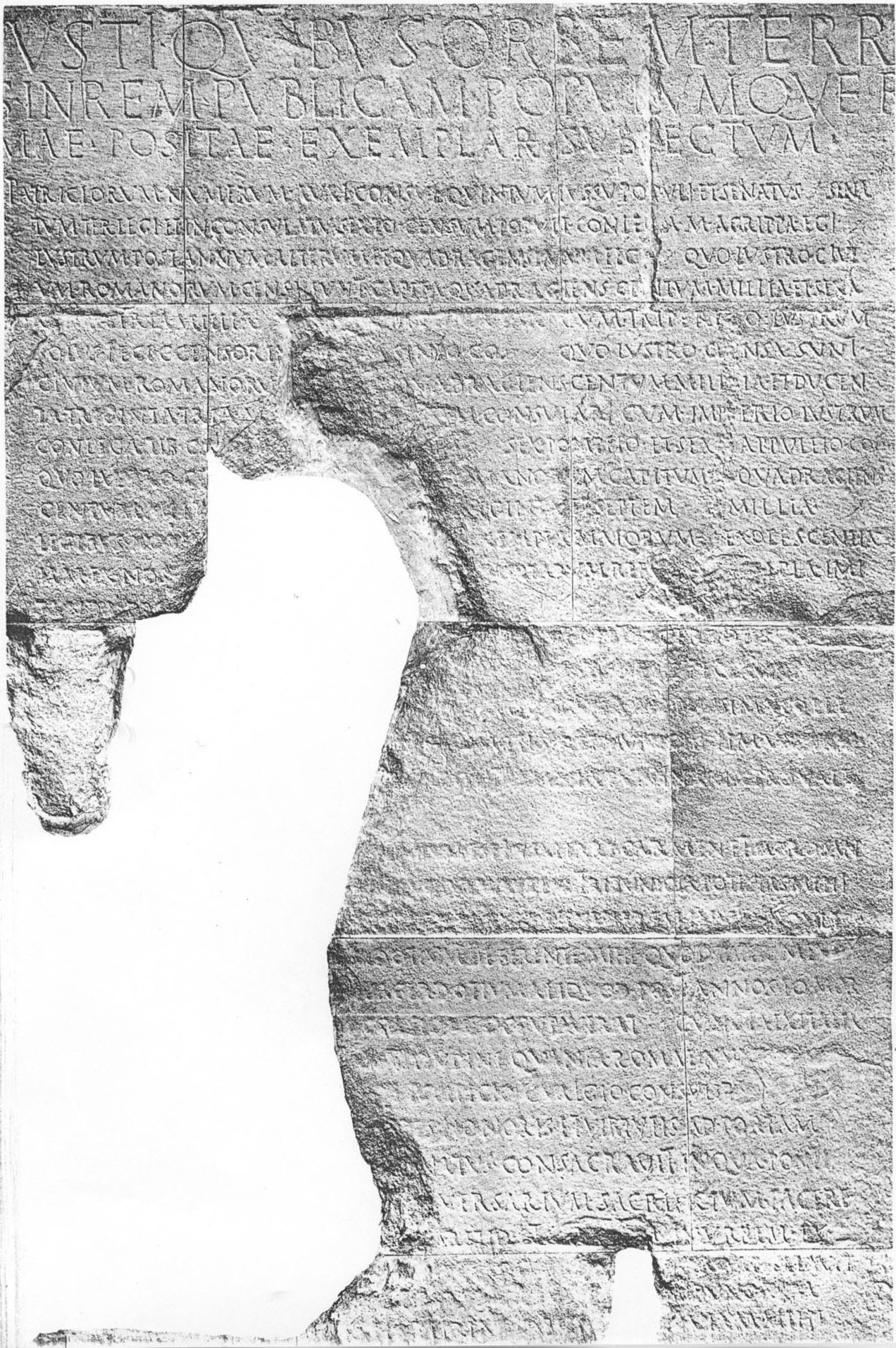
Res Gestae Divi Augusti
Augustus · 14 AD
Free account
Read every Marcus Vipsanius Agrippa source
Sign up free →
Ready when you are
Start chatting with Marcus Vipsanius Agrippa now.
20 messages free · No credit card · Available in 50+ languages.