


Primary sourceArtifactc. 285-250 BCE
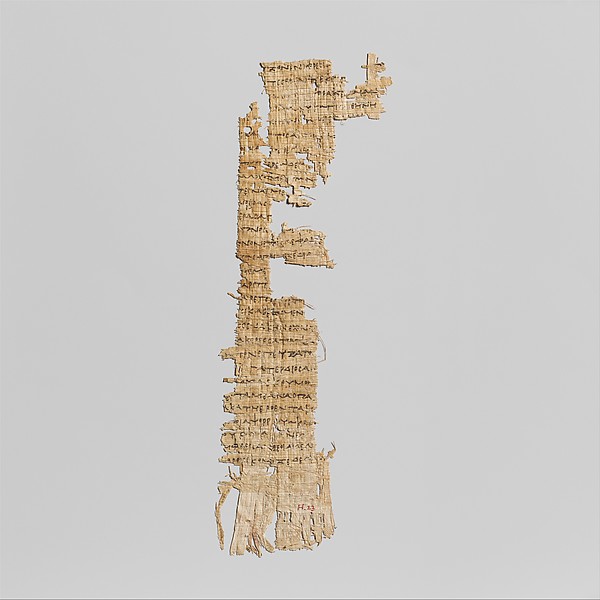
Papyrus Fragment with Lines from Homer's Odyssey
c. 285-250 BCE
An early Hellenistic Greek papyrus scrap carrying lines from the Odyssey, the kind of text copied and studied in the Alexandrian Library that Eratosthenes headed.
A papyrus of the kind copied and studied in the Alexandrian Library that Eratosthenes directed.
About this source
What it is
A narrow, torn fragment of papyrus with small Greek handwriting, carrying lines from Homer's Odyssey. It was made in Ptolemaic Egypt in the early Hellenistic period and is now held by The Metropolitan Museum of Art.
Why it matters
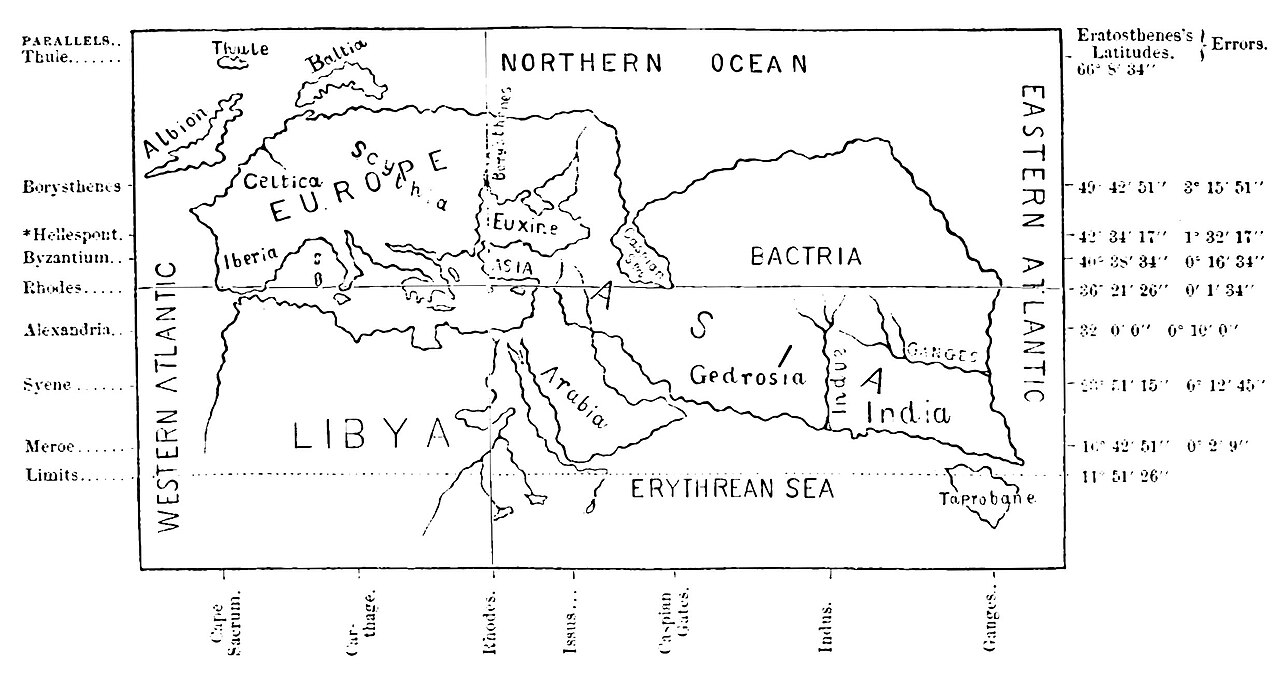
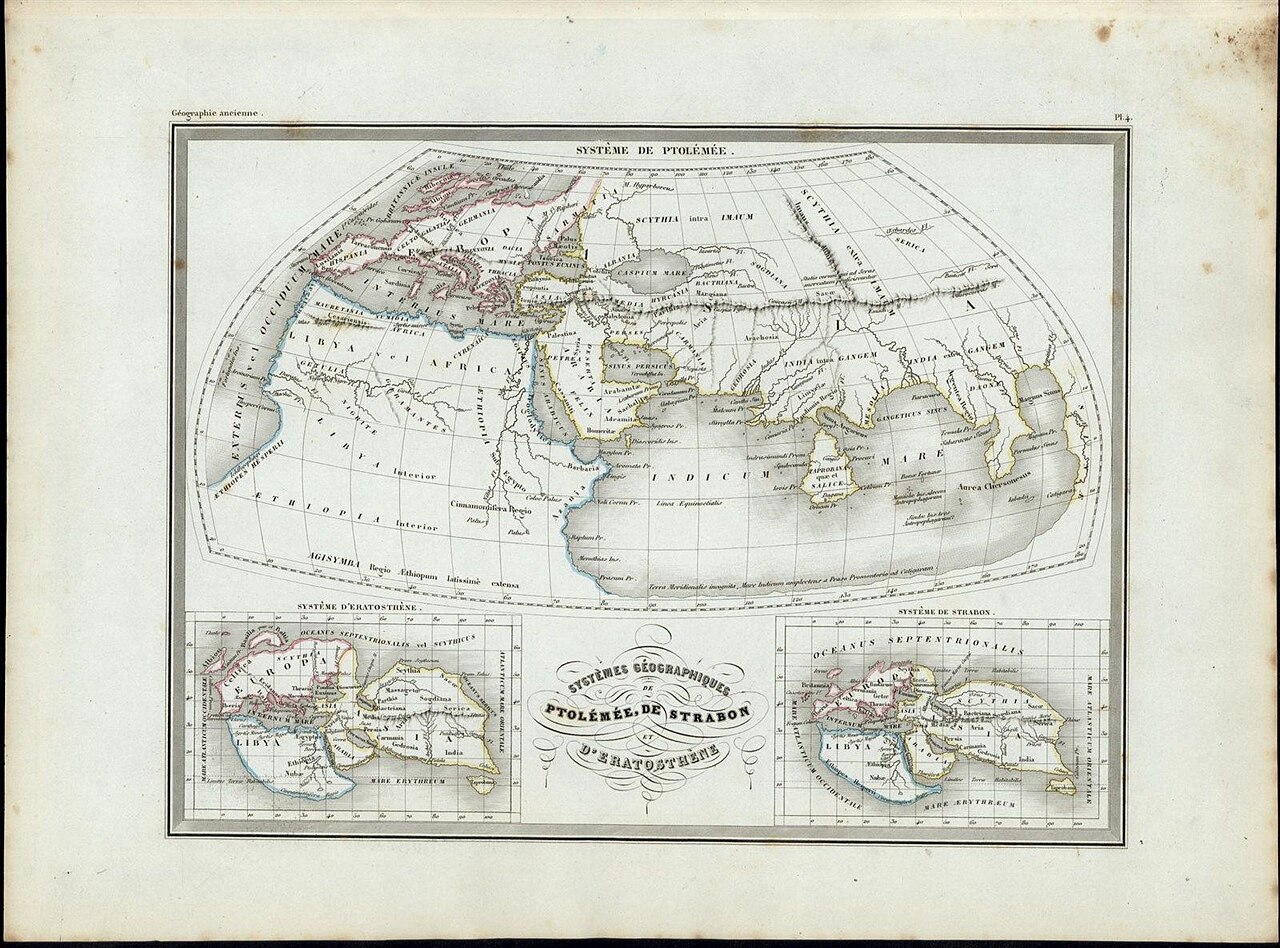
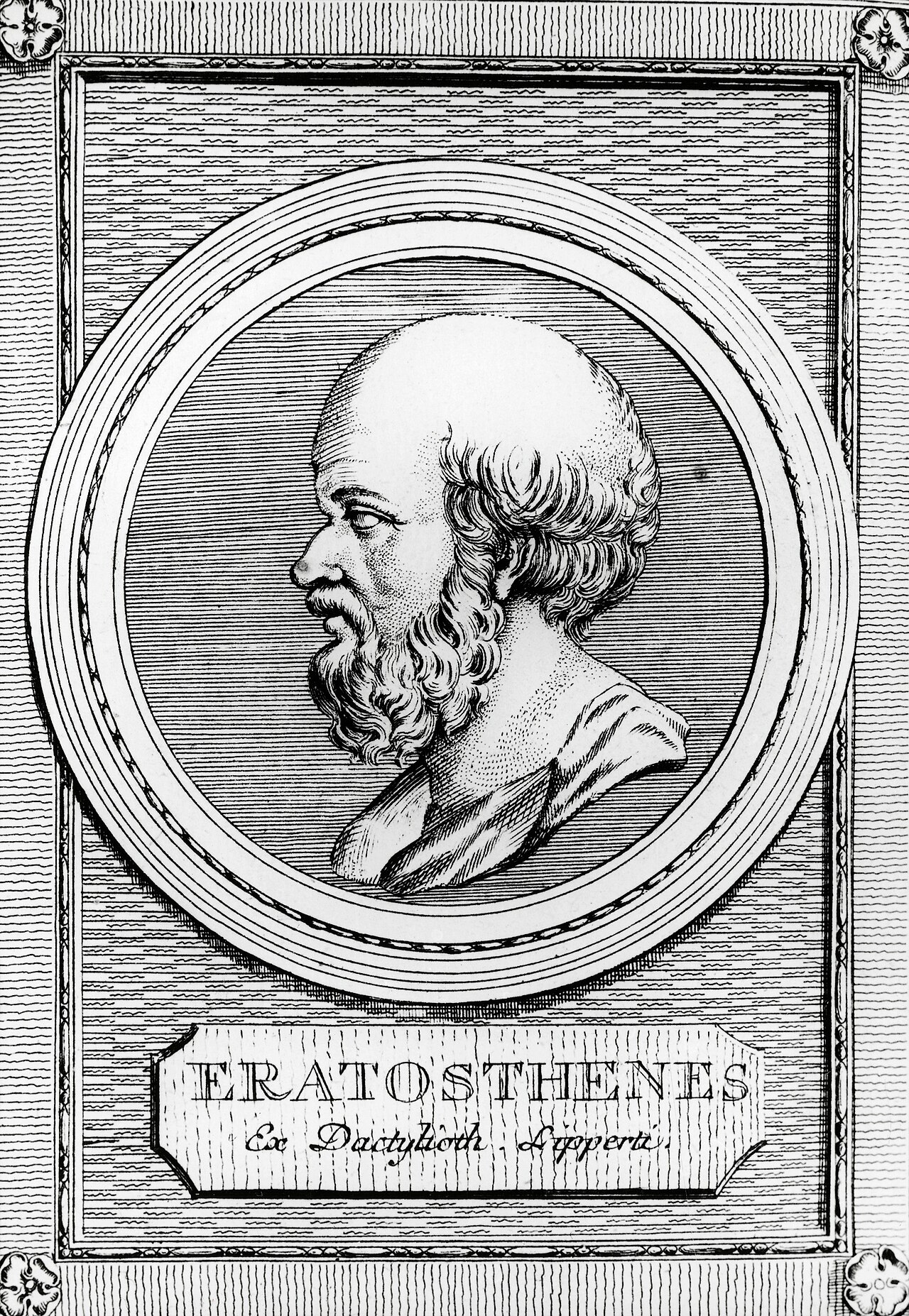
Texts like this were copied, collected and corrected in the great Library of Alexandria, the institution Eratosthenes directed. Studying and preserving works such as Homer's poems was central to the Library's mission, and scholars there worked to establish accurate versions of famous texts.
Look closer
- What does the handwriting tell you about who may have copied this text?
- Why might a library want many careful copies of an old poem like the Odyssey?
- What is missing from this fragment that makes it hard to know its full context?
This artifact is part of the curated material that grounds the AI version of Eratosthenes on Humy.ai — when students ask about related events, the AI can quote it and cite it.
More Eratosthenes sources
Browse all 52 →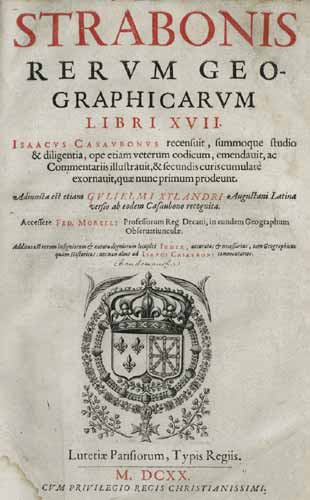 Book
Secondary source
Geography
Strabo · c. 20 AD
 Letter
Primary source
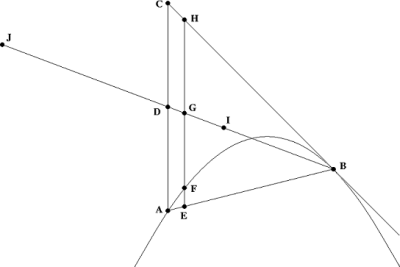
The Method of Mechanical Theorems
Archimedes · c. 250 BCE
 Document
Secondary source
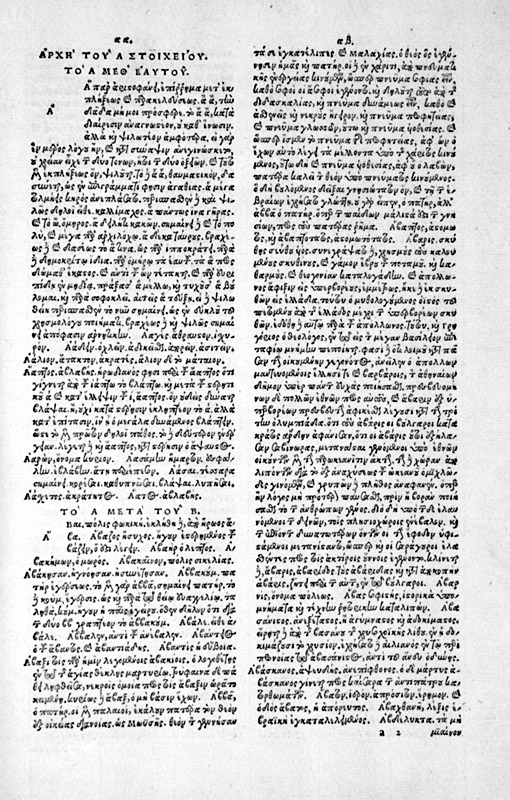
Suda
various authors · c. 1000
Secondary source
Natural History, Book 2, on Eratosthenes' Earth Measurement
Pliny the Elder · c. 77 CE
Free account
Read every Eratosthenes source
Sign up free →
Ready when you are
Start chatting with Eratosthenes now.
20 messages free · No credit card · Available in 50+ languages.