


Secondary sourceDocumentc. 1000
Suda
various authors · c. 1000
A 10th-century Byzantine encyclopedia that preserves the traditional count of Sophocles' plays and victories and credits him with dramatic innovations.
This Byzantine encyclopedia preserves the traditional record of Sophocles' output of plays and competition wins.
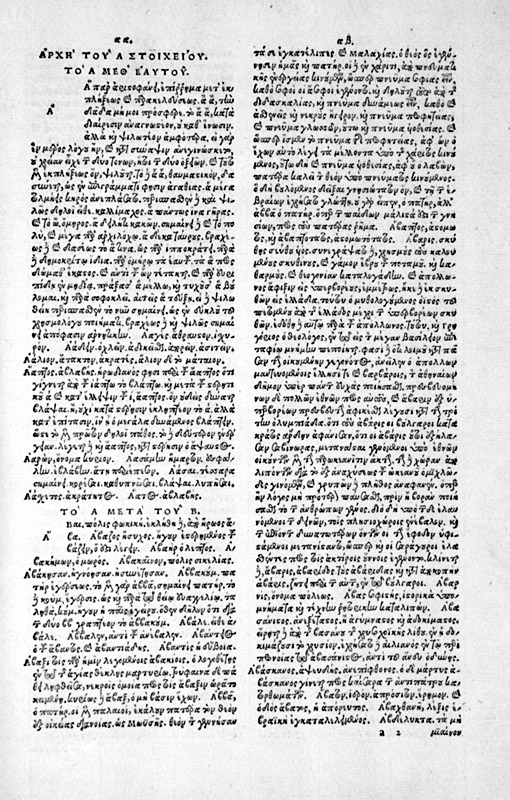
About this source
What it is
The Suda is a huge Byzantine lexicon and encyclopedia compiled around the 10th century CE by various unknown authors, drawing on older sources now mostly lost. It contains thousands of entries on words, history, and famous figures of the ancient world.
Why it matters
Because so much ancient writing has been lost, the Suda is one of the few places where details about Sophocles survive, including the traditional totals of 123 plays and 24 competition victories, and notes on the innovations he brought to Greek drama. It shows how later Byzantine scholars tried to preserve and organize knowledge about earlier Greek culture.
Look closer
- Why might numbers like '123 plays' be called 'traditional' rather than certain?
- What problems arise when information passes through many centuries of copying and compiling?
- How does an encyclopedia written centuries after someone's life differ from a source written during their lifetime?
This document is part of the curated material that grounds the AI version of Sophocles on Humy.ai — when students ask about related events, the AI can quote it and cite it.
More Sophocles sources
Meet the AI Sophocles →Primary source
Oedipus Rex
Sophocles · c. 429 BCE
Primary source
Antigone
Sophocles · c. 441 BCE
Primary source
Oedipus at Colonus
Sophocles · written shortly before 406 BCE; first performed 401 BCE
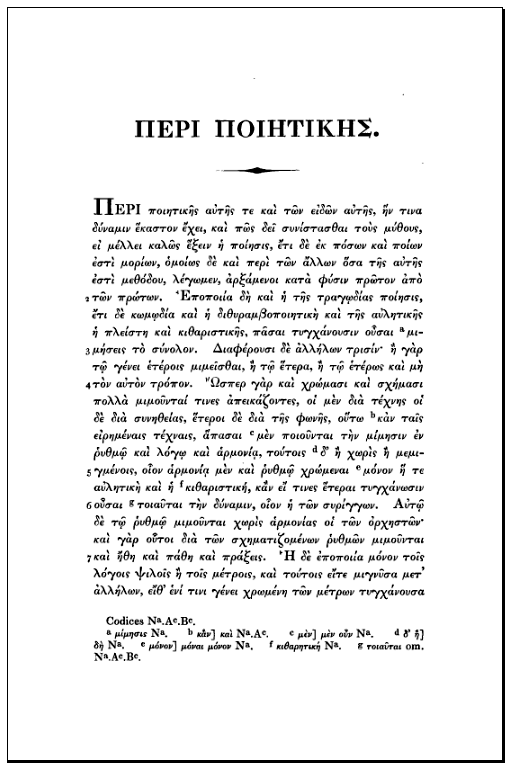 Book
Secondary source
Poetics
Aristotle · c. 335 BCE
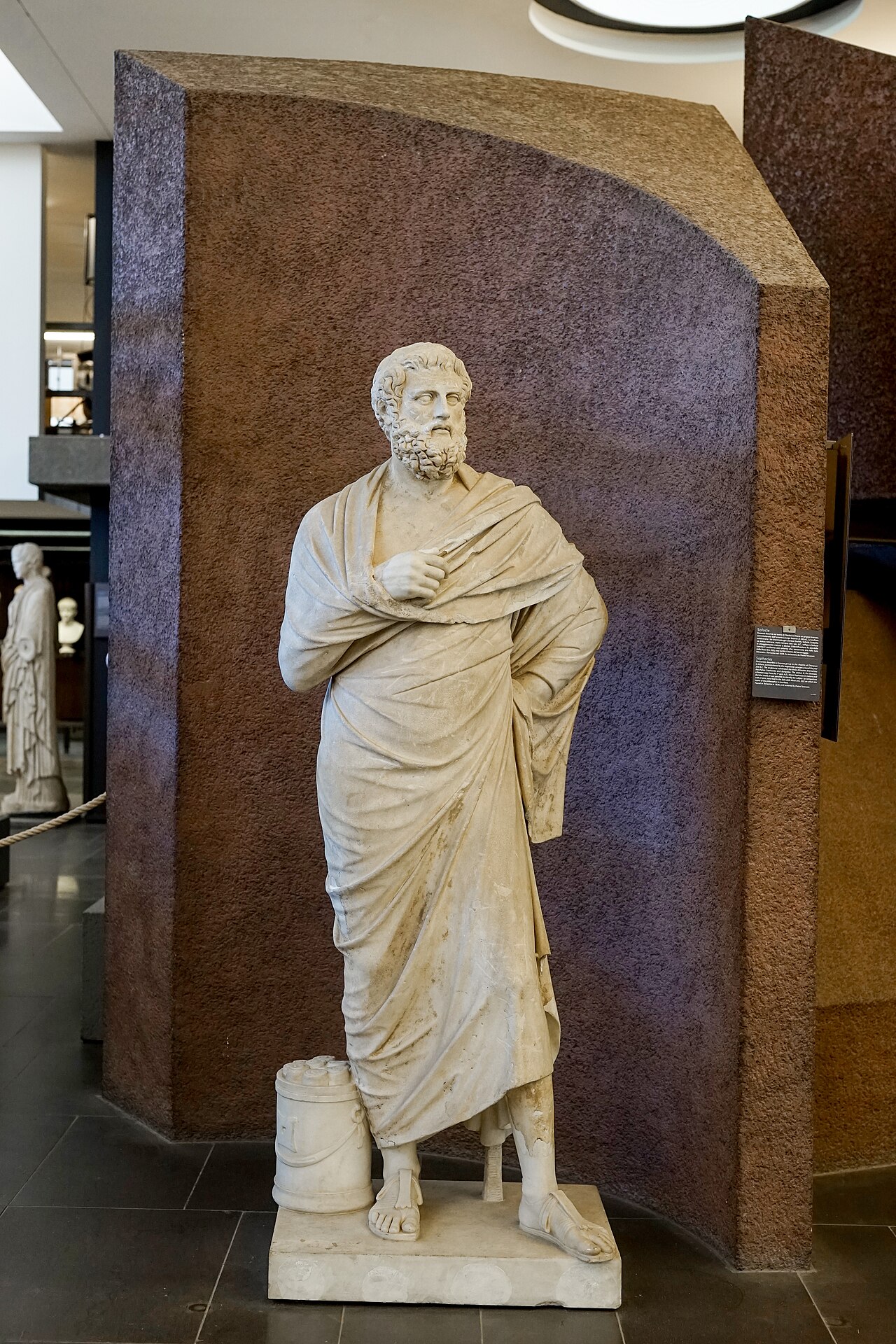 Sculpture
Secondary source
Statue of Sophocles (Lateran type)
Roman copy, 1st century CE, of a Greek original of the 4th century BCE
Ready when you are
Start chatting with Sophocles now.
20 messages free · No credit card · Available in 50+ languages.