


Primary sourceSpeech1st century AD
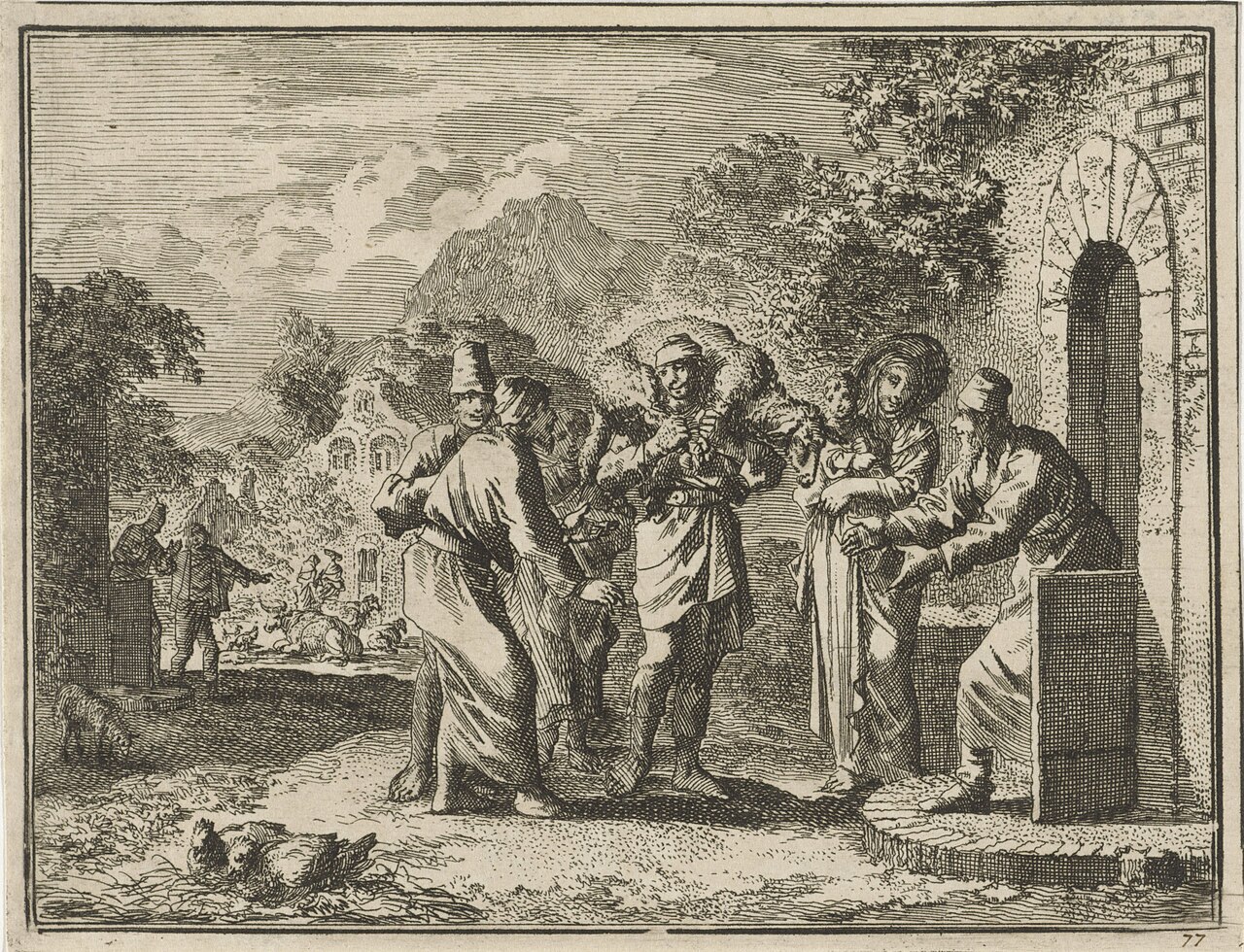
Parable of the Lost Sheep
Jesus Christ · 1st century AD
A parable of Jesus about a shepherd who leaves ninety-nine sheep to search for one that is lost, found in Matthew and Luke.
The parable is told by Jesus and became the basis for the Good Shepherd image associated with him in Christian art.
About this source
What it is
This parable is attributed to Jesus and appears in the Gospels of Matthew and Luke. It tells of a shepherd who leaves his flock of ninety-nine sheep to search for the one that is missing, and rejoices with his friends and neighbours when he finds it. In Luke, it is the first of three parables about redemption that Jesus tells after being criticised for welcoming sinners.
Why it matters
The parable became central to Christian imagery of Jesus as the 'Good Shepherd,' and later writers and artists used it to explore ideas of God's compassion for those considered lost or sinful. It shows how Jesus used simple pastoral scenes, familiar to his listeners, to respond to criticism from religious leaders and to explain his own mission.
Look closer
- Why might the shepherd's joy at finding one sheep matter more than the ninety-nine that were never lost?
- How does this story respond to people who criticised Jesus for the company he kept?
- Why has this image of the shepherd carrying a sheep become so common in later Christian art?
This speech is part of the curated material that grounds the AI version of Jesus Christ on Humy.ai — when students ask about related events, the AI can quote it and cite it.
More Jesus Christ sources
Meet the AI Jesus Christ →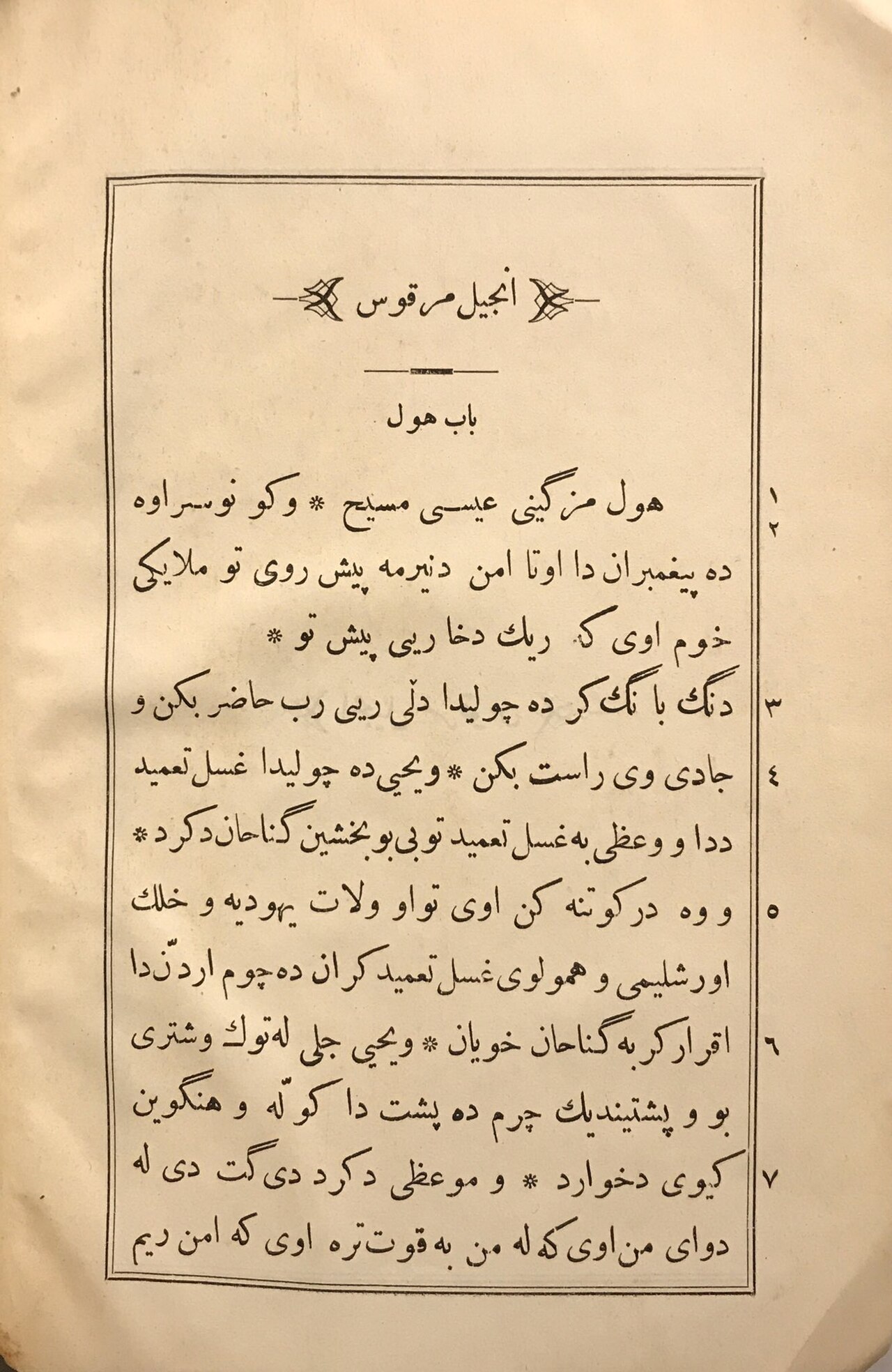 Book
Secondary source
Gospel of Mark
Mark the Evangelist · c. AD 66-75
 Artifact
Secondary source
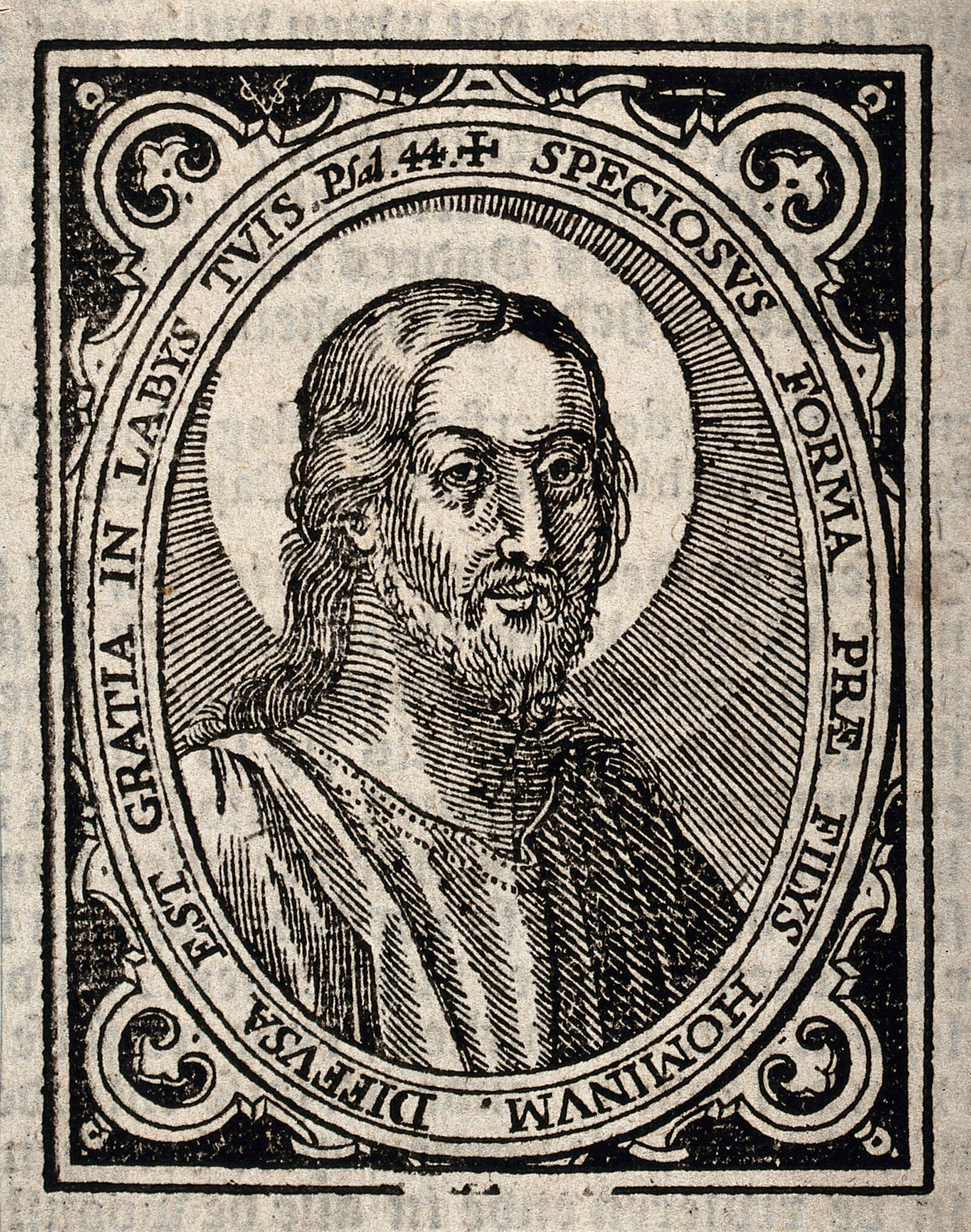
Jesus Christ, woodcut by Christoffel van Sichem III
Christoffel van Sichem III · c. 1645
 Book
Secondary source
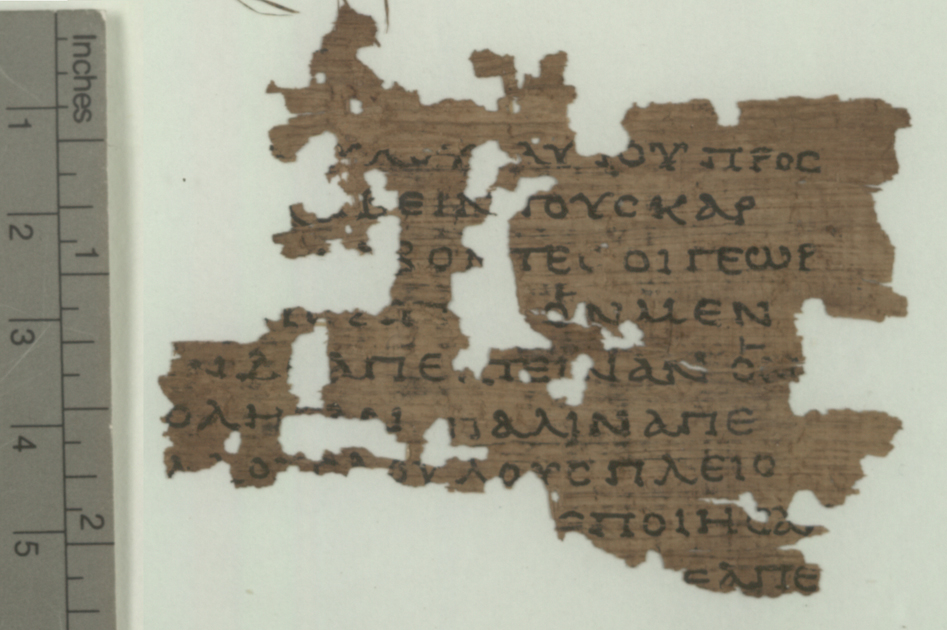
Gospel of Matthew
Matthew the Apostle · late 1st century AD
 Painting
Secondary source
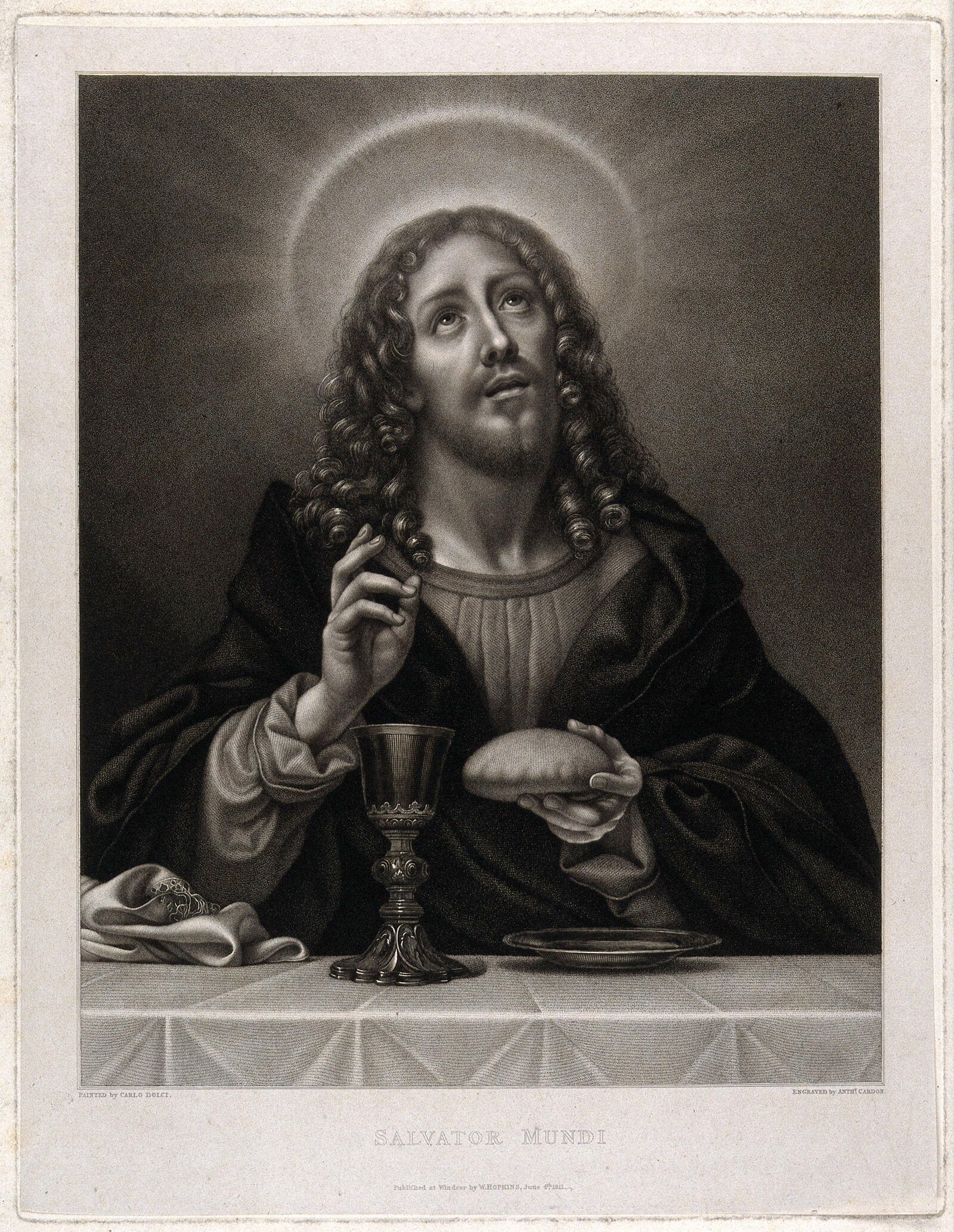
Jesus Christ blessing the Host
Carlo Dolci (painting); Anth. Cardon (engraving) · 4 June 1811
 Painting
Secondary source
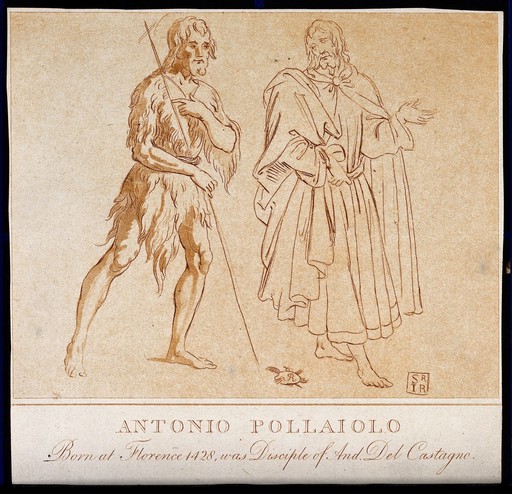
John the Baptist Meets Jesus Christ
Antonio Pollaiuolo
Ready when you are
Start chatting with Jesus Christ now.
20 messages free · No credit card · Available in 50+ languages.