


Primary sourceBook1667
Paradise Lost
John Milton · 1667
Milton's blank-verse epic on the Fall of Man, first published in 1667, is the work on which his reputation as a poet rests.
Milton wrote this epic after going blind; it is the work on which his lasting reputation as a poet rests.
Free Humy account · No credit card · 120,288 sources to read
About this source
What it is
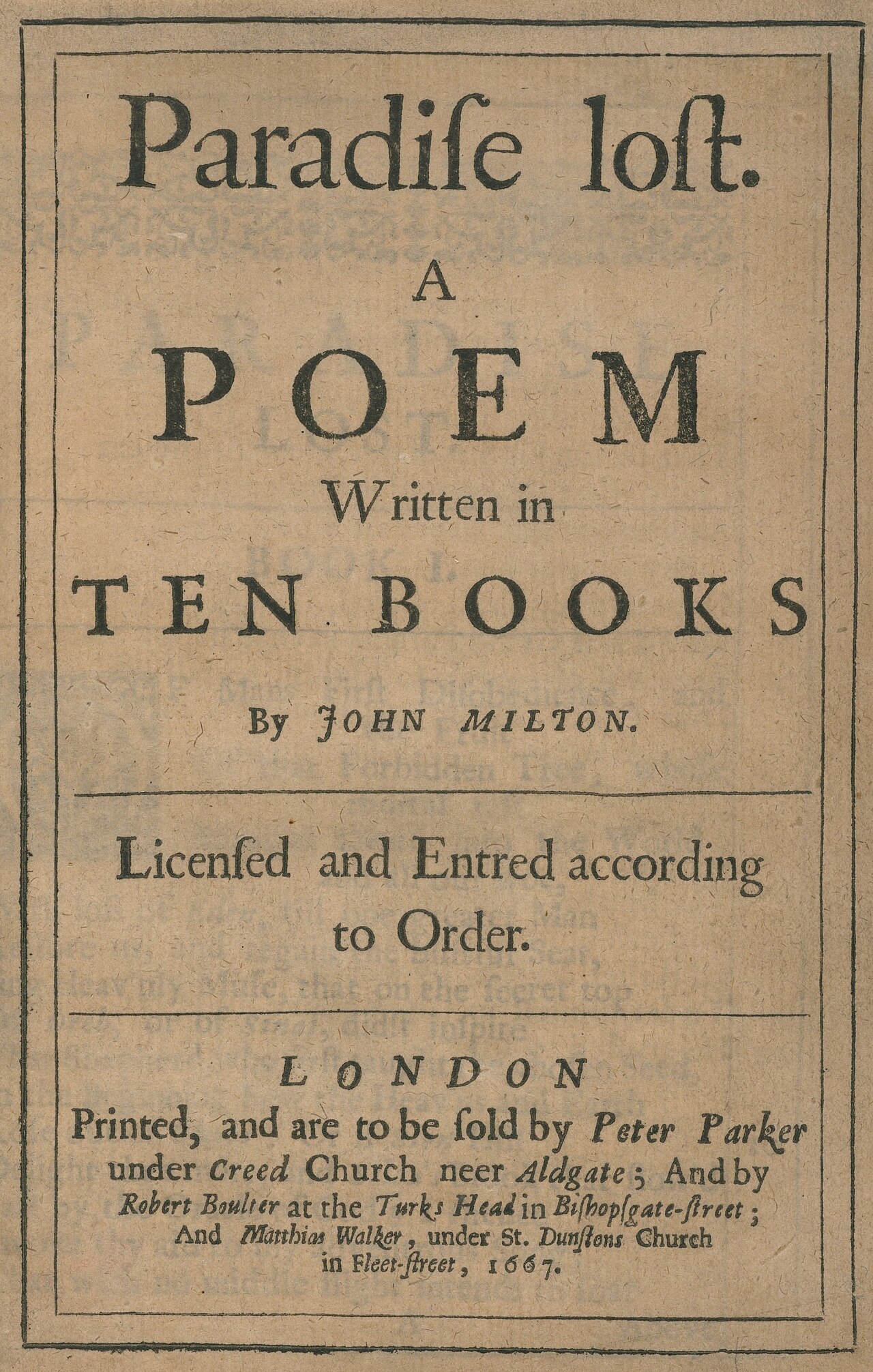
Paradise Lost is an epic poem in blank verse written by John Milton. He dictated it after losing his sight, and it was first published in 1667 in ten books, later rearranged into twelve books in a 1674 edition.
The poem retells the biblical story of the Fall: Satan's rebellion and expulsion from Heaven, and the temptation and fall of Adam and Eve in the Garden of Eden.
Why it matters
Written by a blind former government official who had supported the execution of the king, the poem explores themes of obedience, free will and rebellion that were central to Milton's own political and religious life. It became regarded as his masterpiece and one of the greatest poems in English.
Look closer
- Why might a blind poet choose to dictate such a long and complex poem rather than give up writing?
- What does Milton's sympathetic portrayal of Satan's rhetoric suggest about his view of rebellion and persuasion?
- What does the title page tell you about how books were licensed and sold in 1667 London?
This book is part of the curated material that grounds the AI version of John Milton on Humy.ai — when students ask about related events, the AI can quote it and cite it.
More John Milton sources
Browse all 91 →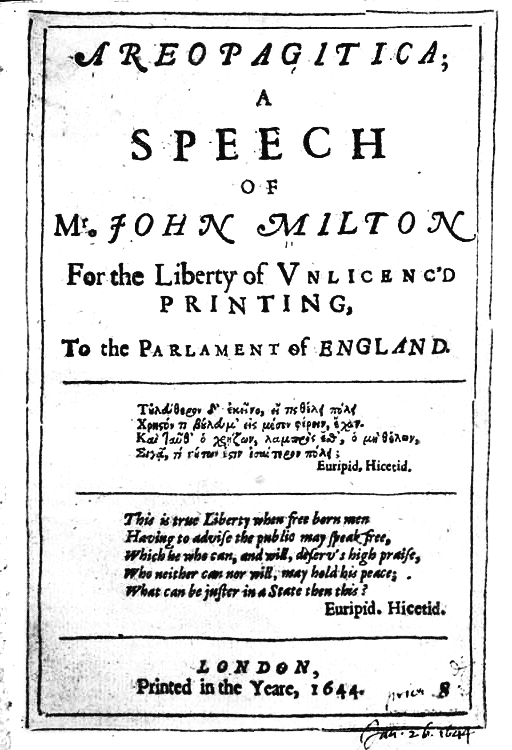 Book
Primary source
Areopagitica
John Milton · 23 November 1644
Primary source
When I Consider How My Light is Spent
John Milton · c. 1655
 Painting
Primary source
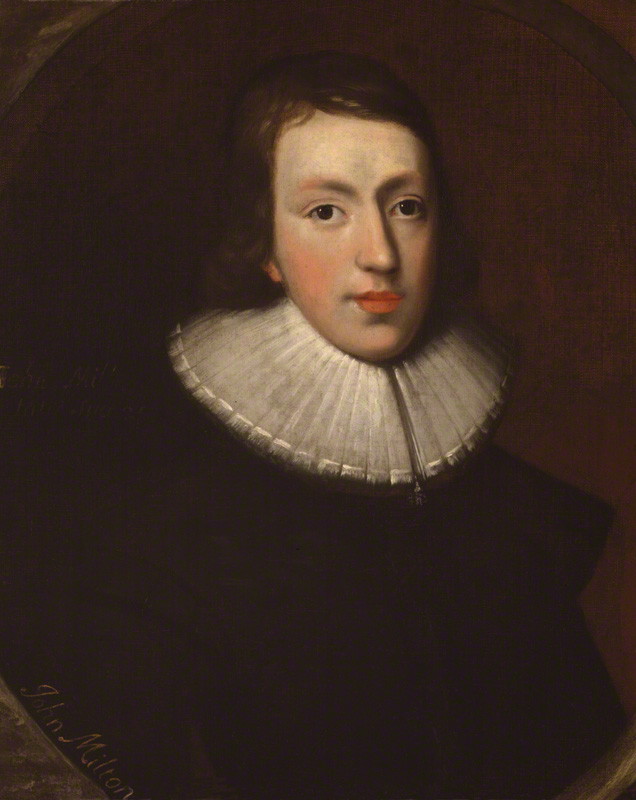
Portrait of John Milton
Unknown painter · 1629
 Book
Secondary source
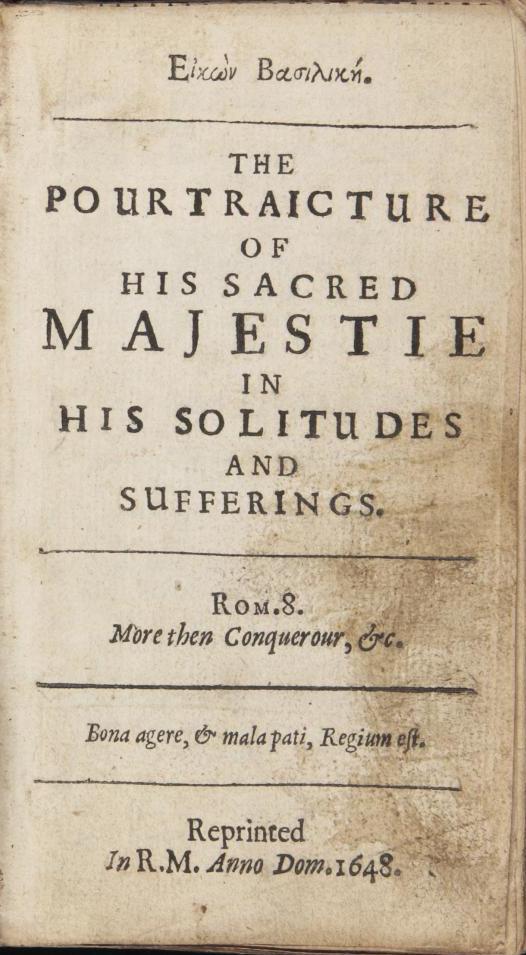
Eikon Basilike
Attributed to Charles I (possibly John Gauden) · 1649
Free account
Read every John Milton source
Sign up free →
Ready when you are
Start chatting with John Milton now.
20 messages free · No credit card · Available in 50+ languages.