


Primary sourceBookc. 1655
When I Consider How My Light is Spent
John Milton · c. 1655
Milton's sonnet on his blindness, also known as On His Blindness, reflects on serving God despite the loss of his sight.
Milton wrote this sonnet reflecting on his own blindness and his continuing sense of duty.
Free Humy account · No credit card · 120,912 sources to read
About this source
What it is
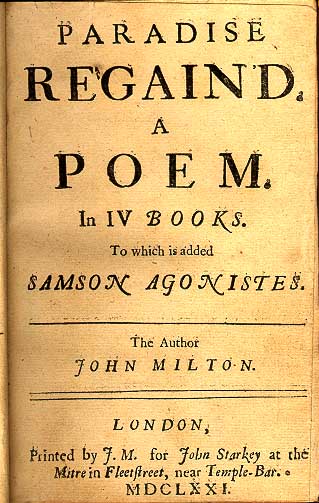
This sonnet by John Milton is often known by the later title On His Blindness, though Milton himself did not use that title. It survives in Milton's autograph notebook, the 'Trinity Manuscript,' now held at Trinity College, Cambridge, and was later included in his published Poems of 1673.
The poem was likely written sometime in the 1650s, around the time Milton's blindness became complete.
Why it matters
The sonnet records Milton's personal struggle to reconcile his blindness with his sense of duty, ending with the famous line 'They also serve who only stand and wait.' It shows a private, reflective side of a poet otherwise known for grand public arguments and epic verse.
Look closer
- What does the poem suggest Milton feared he could no longer do because of his blindness?
- Why might later editors have given the poem a title Milton never used, and how could that change how readers understand it?
- How does the ending of the poem answer the doubts raised at its beginning?
This book is part of the curated material that grounds the AI version of John Milton on Humy.ai — when students ask about related events, the AI can quote it and cite it.
More John Milton sources
Browse all 91 →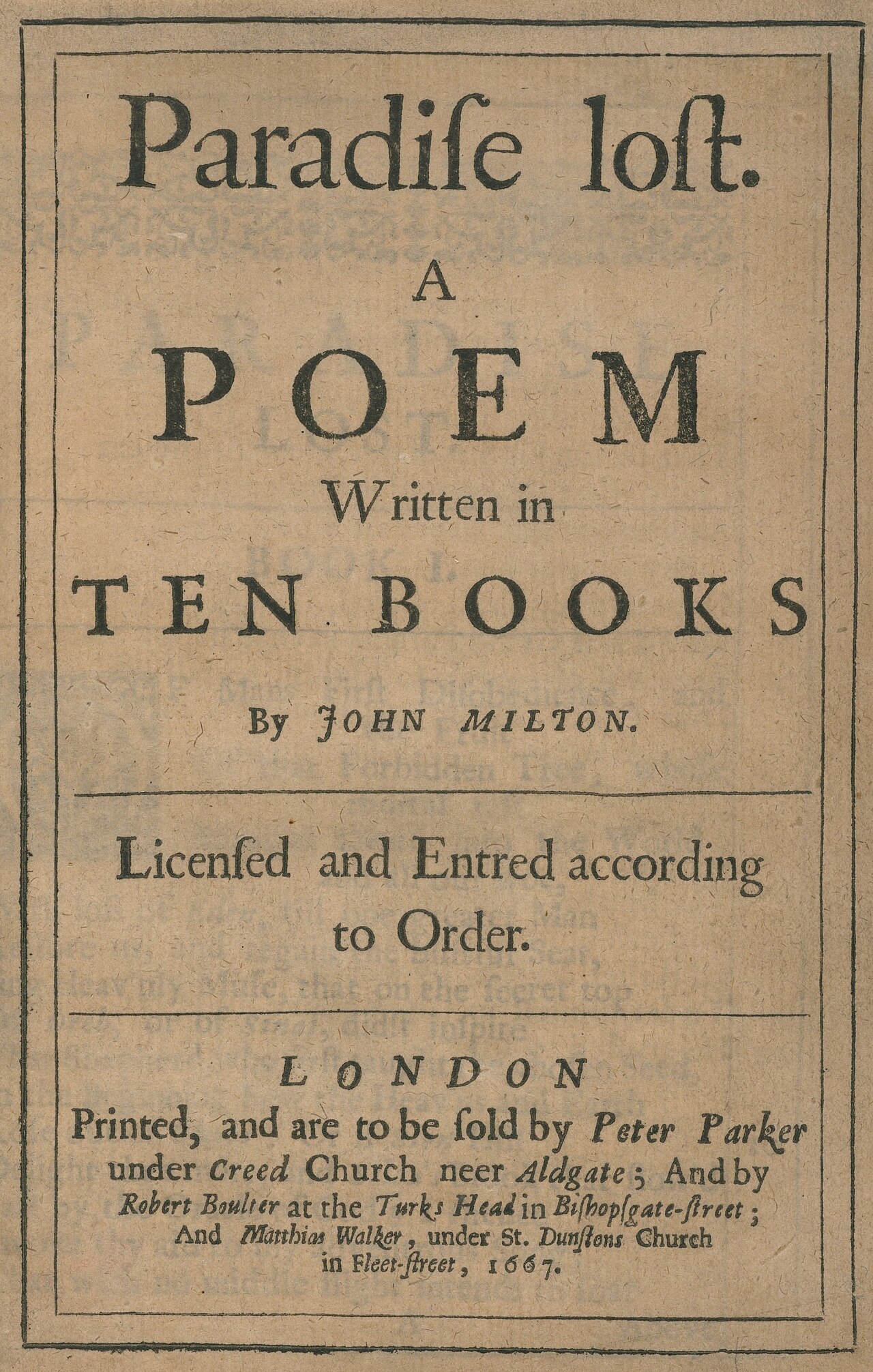 Book
Primary source
Paradise Lost
John Milton · 1667
 Book
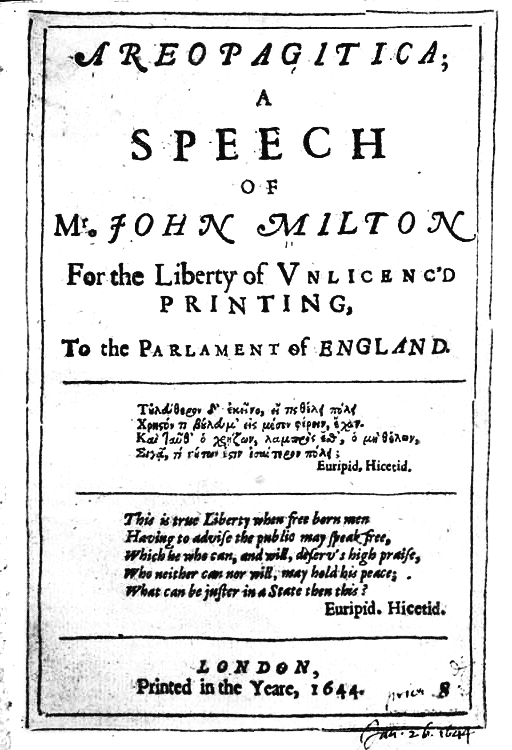
Primary source
Areopagitica
John Milton · 23 November 1644
 Painting
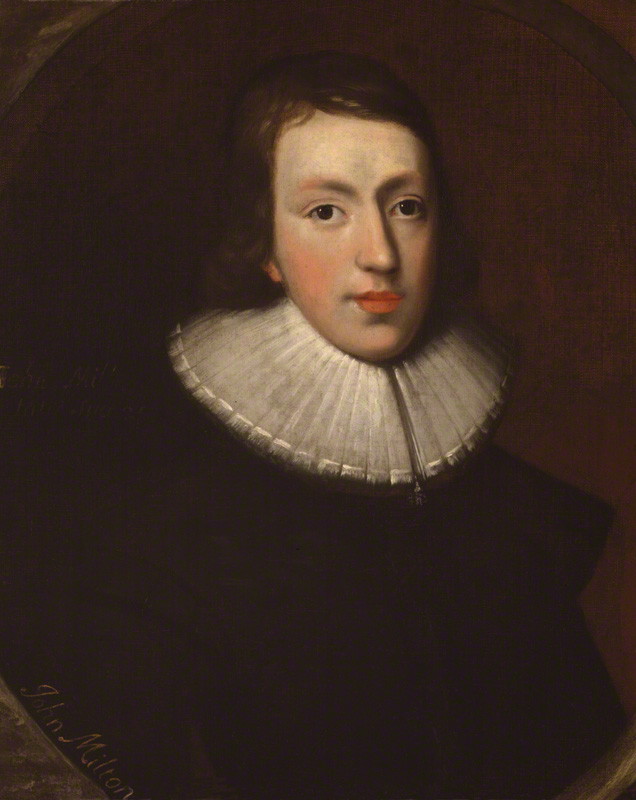
Primary source
Portrait of John Milton
Unknown painter · 1629
 Book
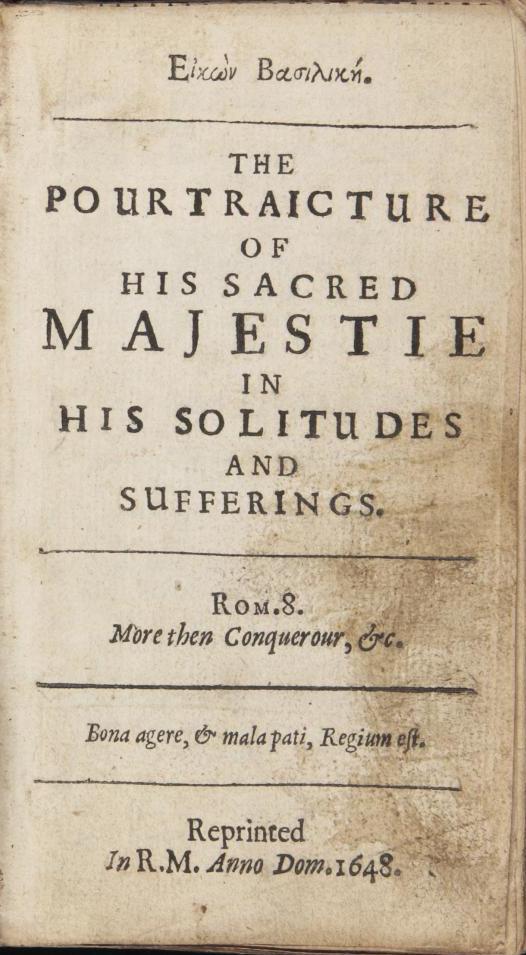
Secondary source
Eikon Basilike
Attributed to Charles I (possibly John Gauden) · 1649
Free account
Read every John Milton source
Sign up free →
Ready when you are
Start chatting with John Milton now.
20 messages free · No credit card · Available in 50+ languages.