


Primary sourceArtifact
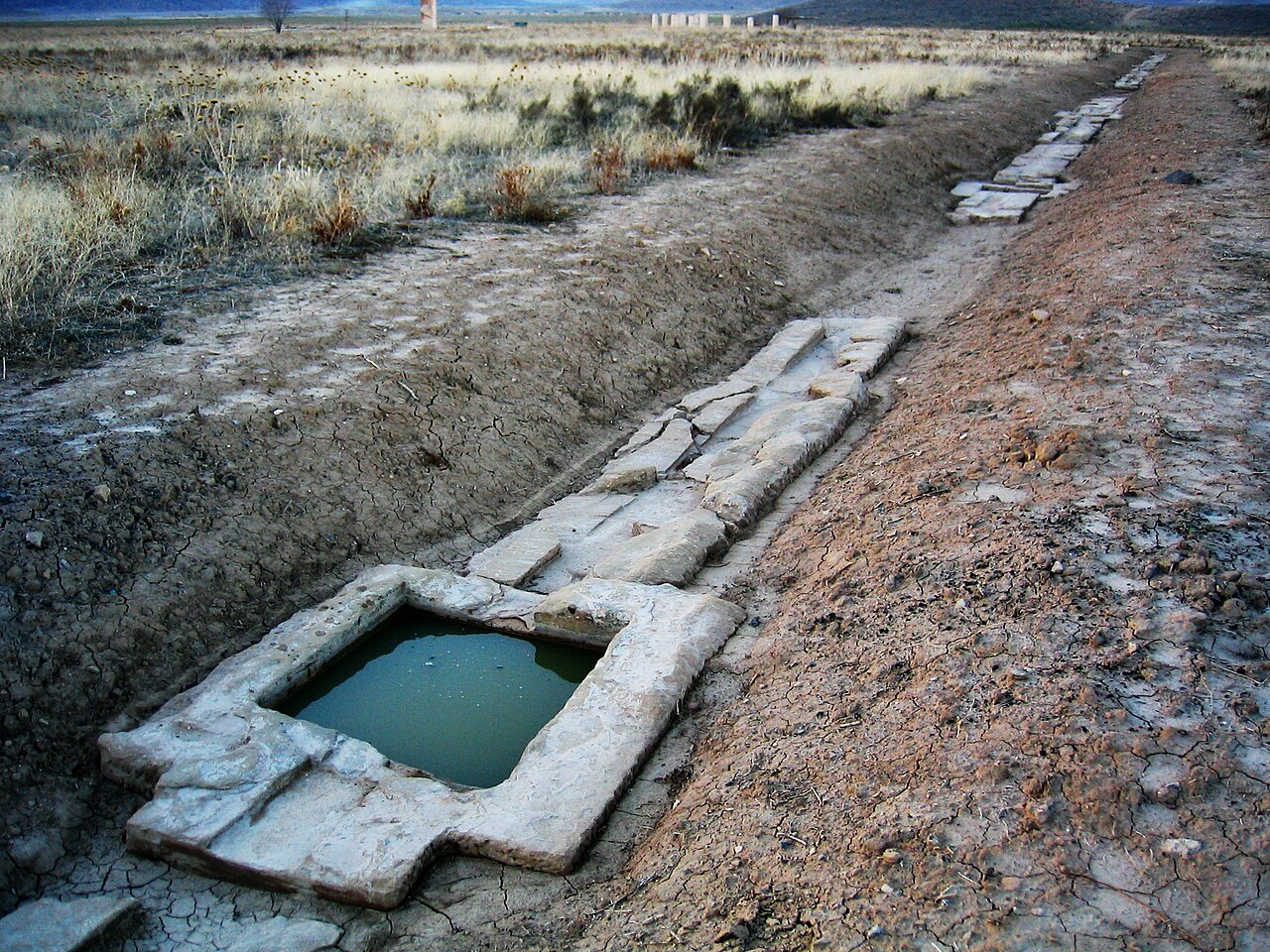
Pasargadae Garden
The earliest known example of a fourfold Persian garden, laid out by Cyrus the Great at his capital.
This garden, laid out at Cyrus's own capital, shows his role in shaping the physical design of his empire.
About this source
What it is
This garden at Pasargadae, Cyrus the Great's capital, survives today as stone-lined water channels and basins set among the site's ruins. It is recognized as the earliest known example of the fourfold Persian garden layout.
Why it matters
The garden shows how Cyrus shaped not just political institutions but also the physical and artistic environment of his empire, introducing a garden design that would influence Persian architecture for centuries. It reflects the resources and planning available to an early Achaemenid capital.
Look closer
- What does the engineering of water channels and basins tell you about the planning behind this garden?
- Why might a capital city's ruler invest resources in gardens rather than only military or religious buildings?
- What has survived of the garden, and what has likely been lost over time?
This artifact is part of the curated material that grounds the AI version of Cyrus the Great on Humy.ai — when students ask about related events, the AI can quote it and cite it.
More Cyrus the Great sources
Meet the AI Cyrus the Great →



Ready when you are
Start chatting with Cyrus the Great now.
20 messages free · No credit card · Available in 50+ languages.