


Primary sourceArtifact1652
Pascaline
Blaise Pascal · 1652
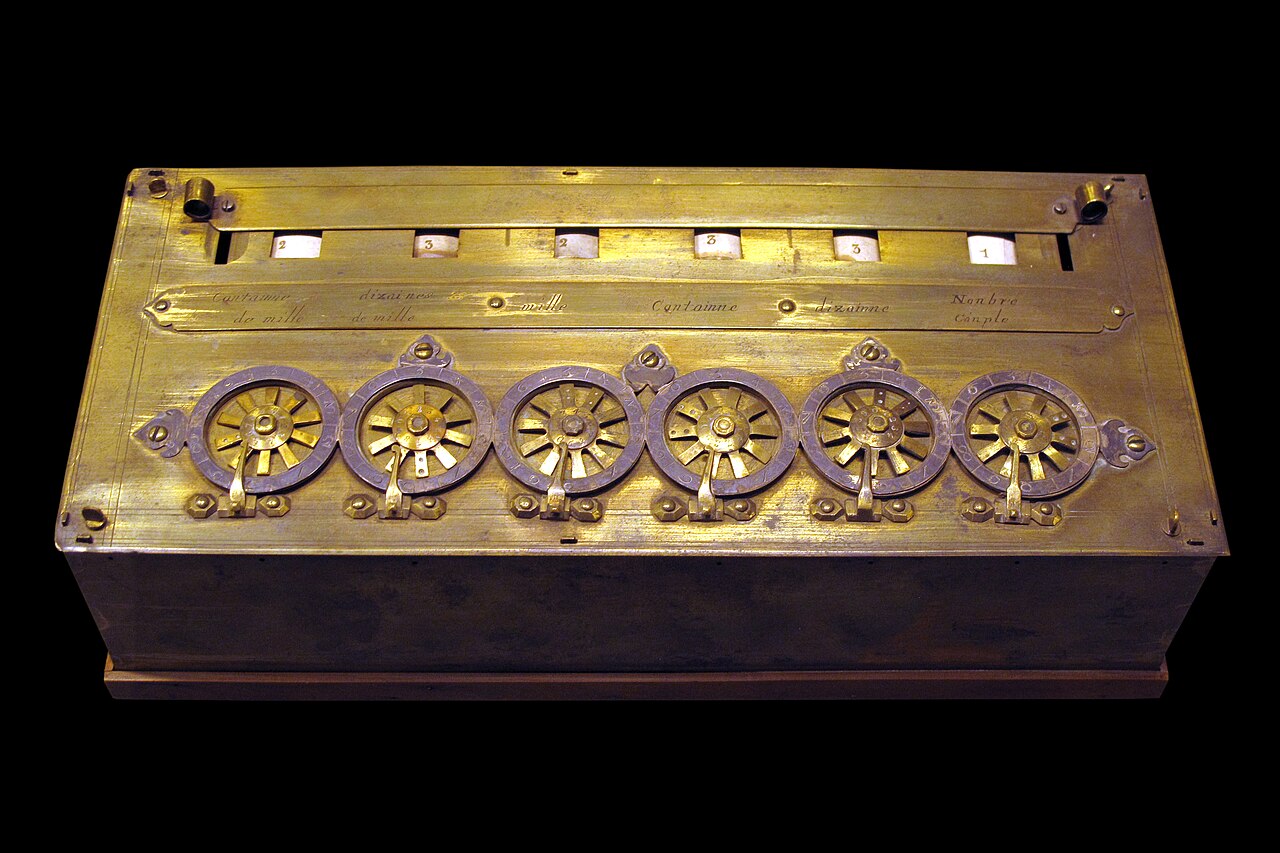
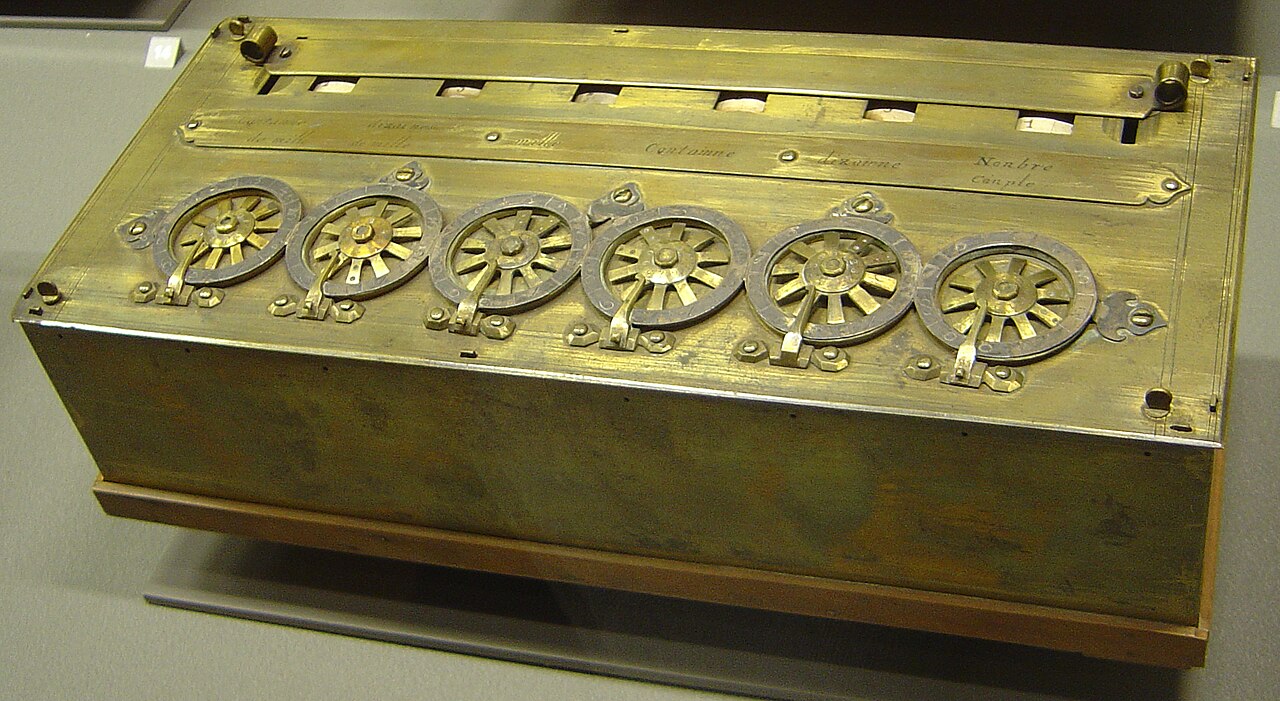
A surviving brass mechanical calculator built by Pascal in 1652, one of the machines from his own production run.
This is a Pascaline calculating machine built by Pascal himself in 1652, one of his best-known inventions.
About this source
What it is
This is a Pascaline, a mechanical calculating machine invented by Blaise Pascal, dated 1652. It is made of brass set in a rectangular box, with six dial wheels and matching number windows labelled in French. It is held today by the Conservatoire national des Arts et Métiers in its Musée des Arts et Métiers.
Why it matters
Pascal designed this machine to help with calculations, reportedly to assist his father's work handling tax accounts. It is one of the earliest mechanical calculators and shows Pascal's talent as an inventor as well as a mathematician. Surviving examples like this one let students see an early attempt to make arithmetic automatic, centuries before electronic calculators existed.
Look closer
- How do you think someone would have used the dials and windows to add or subtract numbers?
- What does the care taken in engraving and building this machine suggest about who it was made for?
- What are the limits of a machine like this compared with the calculators or computers used today?
This artifact is part of the curated material that grounds the AI version of Blaise Pascal on Humy.ai — when students ask about related events, the AI can quote it and cite it.
More Blaise Pascal sources
Browse all 91 →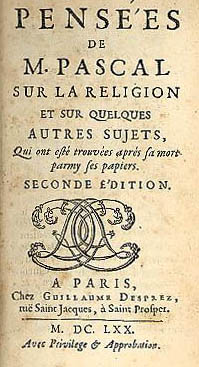 Book
Secondary source
Pensées
Blaise Pascal · 1670
 Book
Primary source
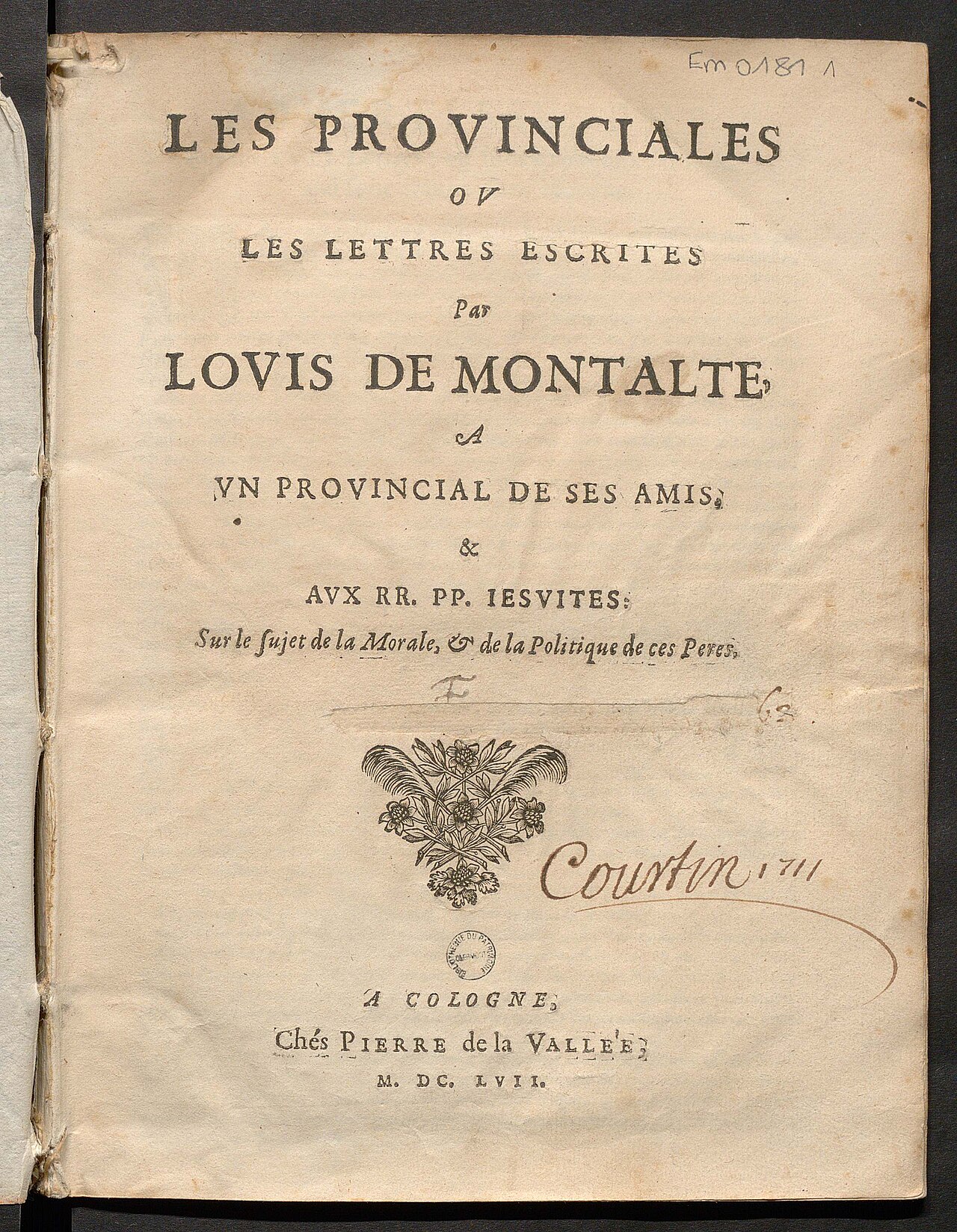
Lettres provinciales
Blaise Pascal · 1656–1657
 Diary entry
Primary source
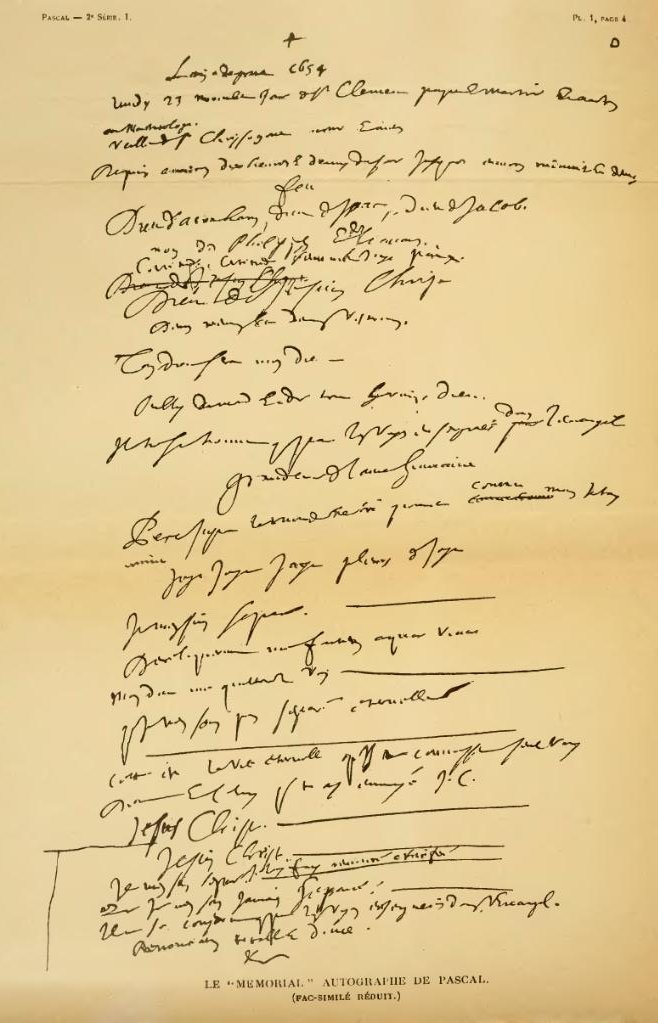
Le Mémorial
Blaise Pascal · 23 November 1654
 Artifact
Primary source
Pascal's calculator
Blaise Pascal · 1642
Free account
Read every Blaise Pascal source
Sign up free →
Ready when you are
Start chatting with Blaise Pascal now.
20 messages free · No credit card · Available in 50+ languages.