


Primary sourceArtifact1700
Pascaline Calculating Machine
Blaise Pascal · 1700
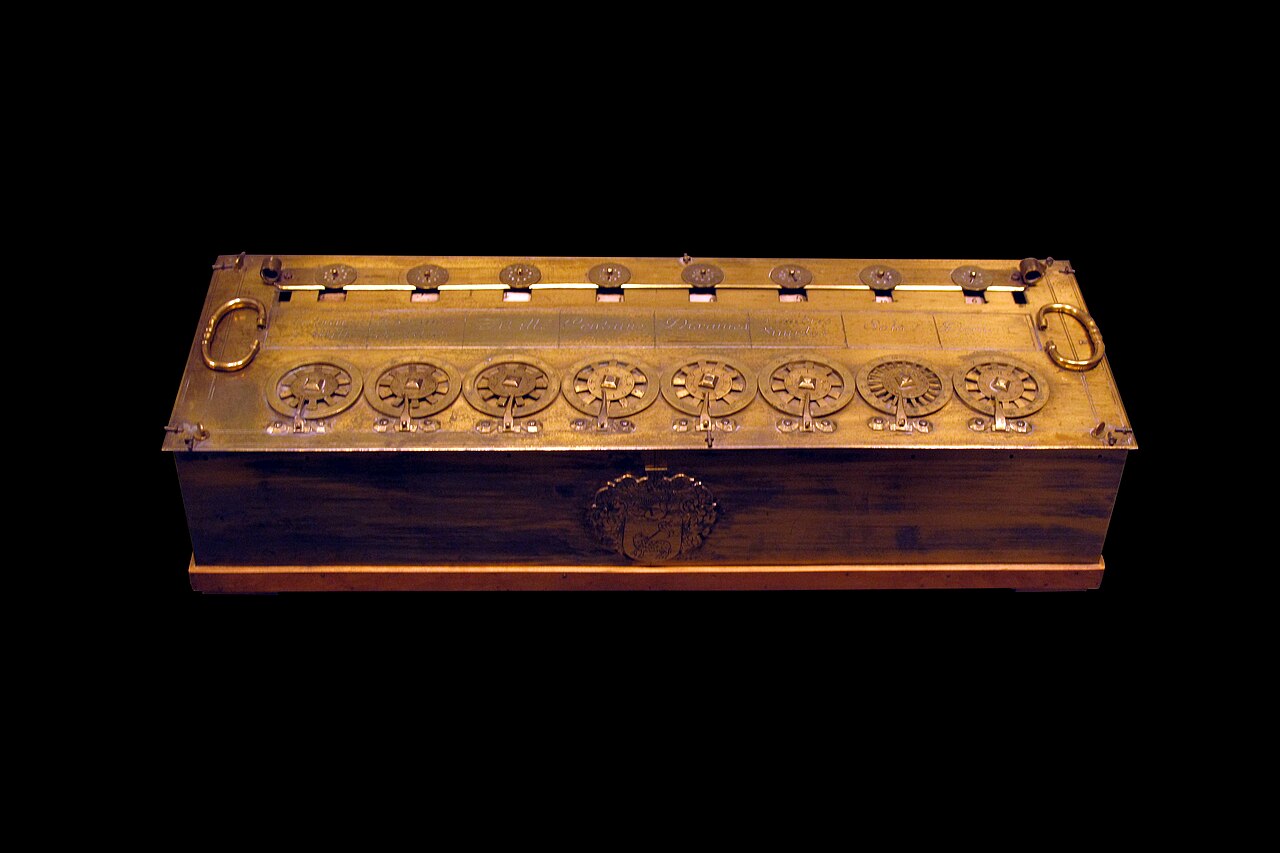
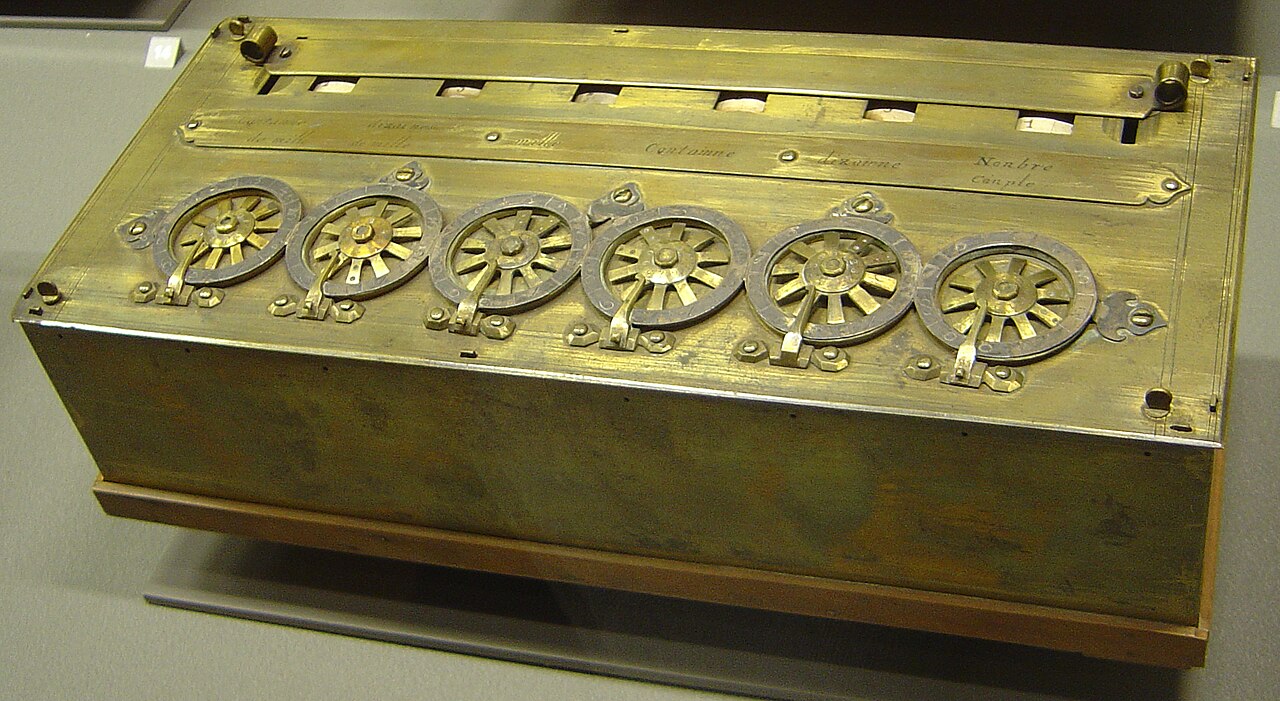
A mechanical calculator invented by Blaise Pascal, built to handle France's non-decimal currency.
Pascal designed this calculating machine, demonstrating his practical engineering skill alongside his mathematics.
About this source
What it is
This is a six-figure mechanical calculating machine, known as a Pascaline, designed by Blaise Pascal. This surviving example, dated 1700, includes wheels for sous and deniers, the units of French currency at the time. It is held by the Conservatoire national des Arts et Métiers in Paris.
Why it matters
Pascal built his calculating machines to help with the tax calculations his father was responsible for, showing how his mathematical genius grew out of practical family work. The non-decimal currency wheels reveal how the machine had to be adapted to the messy, irregular money system of the era rather than a clean decimal one.
Look closer
- Why would a machine need special wheels for sous and deniers instead of simple tens?
- What does this invention tell you about the problems people needed solved in the 1600s?
- How is this early calculator similar to or different from a modern calculator?
This artifact is part of the curated material that grounds the AI version of Blaise Pascal on Humy.ai — when students ask about related events, the AI can quote it and cite it.
More Blaise Pascal sources
Browse all 91 →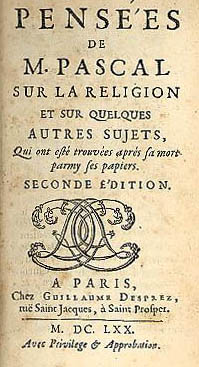 Book
Secondary source
Pensées
Blaise Pascal · 1670
 Book
Primary source
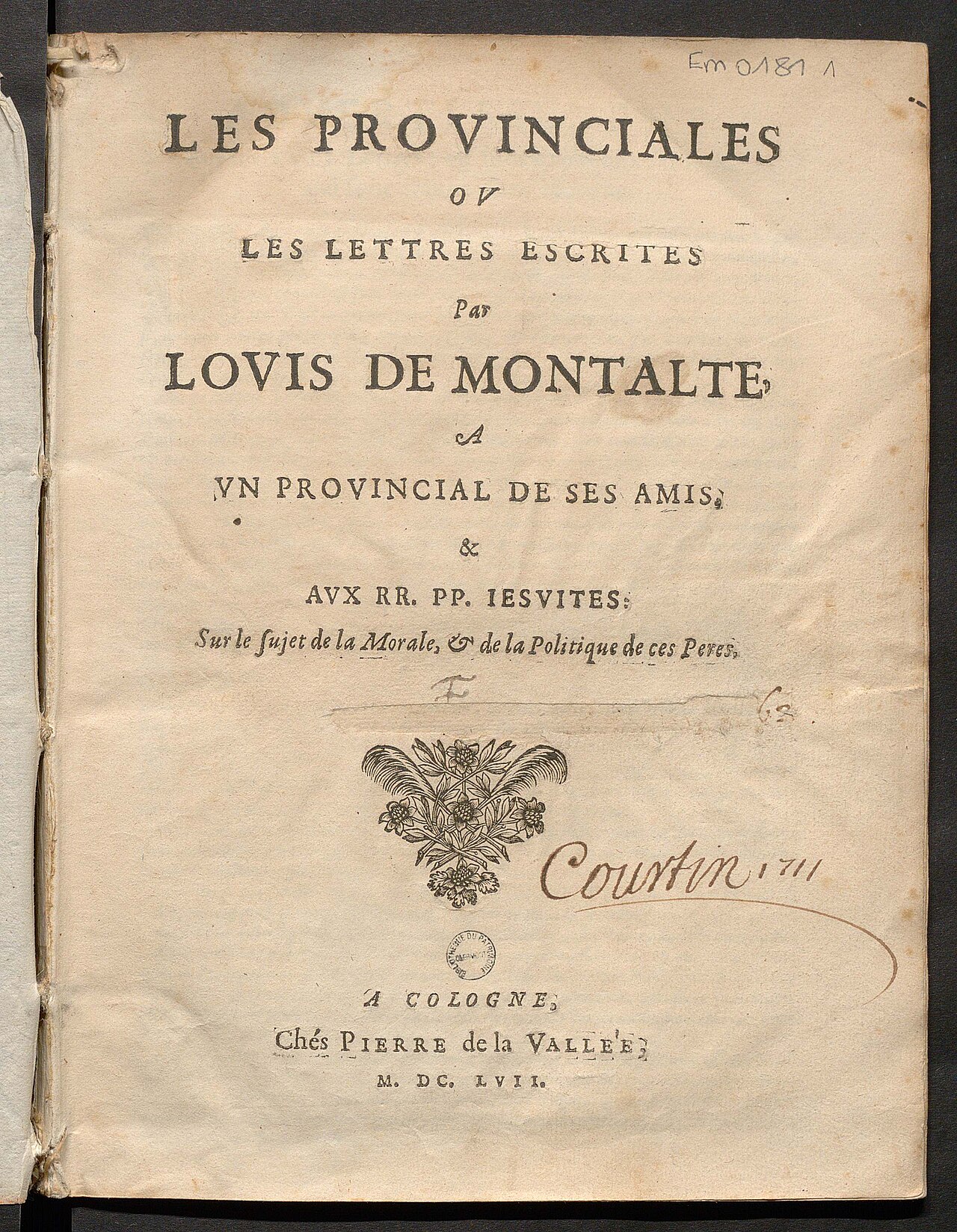
Lettres provinciales
Blaise Pascal · 1656–1657
 Diary entry
Primary source
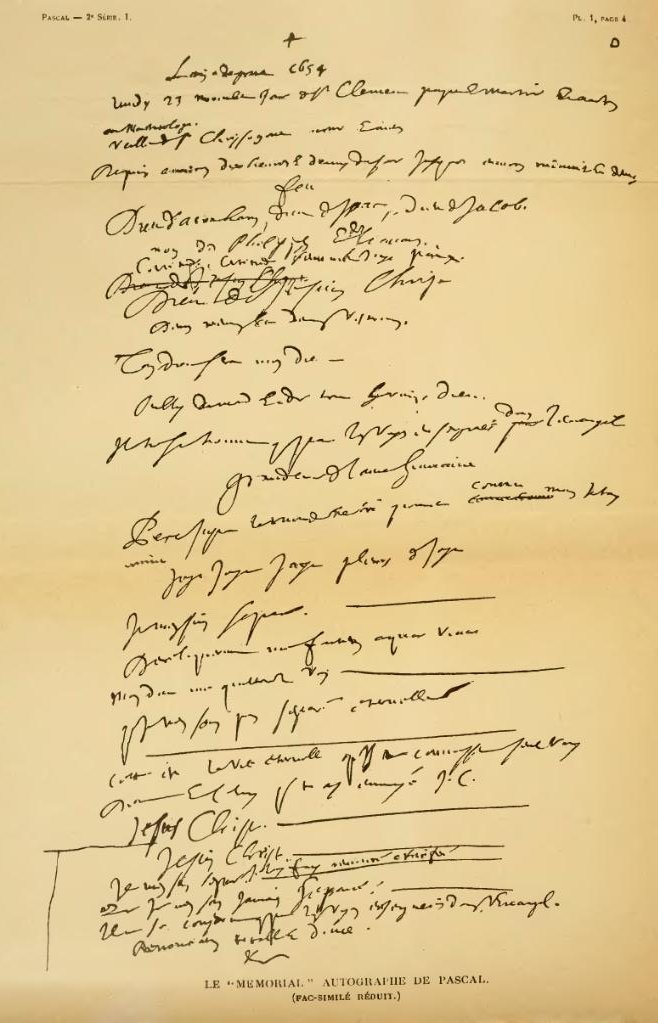
Le Mémorial
Blaise Pascal · 23 November 1654
 Artifact
Primary source
Pascal's calculator
Blaise Pascal · 1642
Free account
Read every Blaise Pascal source
Sign up free →
Ready when you are
Start chatting with Blaise Pascal now.
20 messages free · No credit card · Available in 50+ languages.