


Secondary sourceArtifact1823
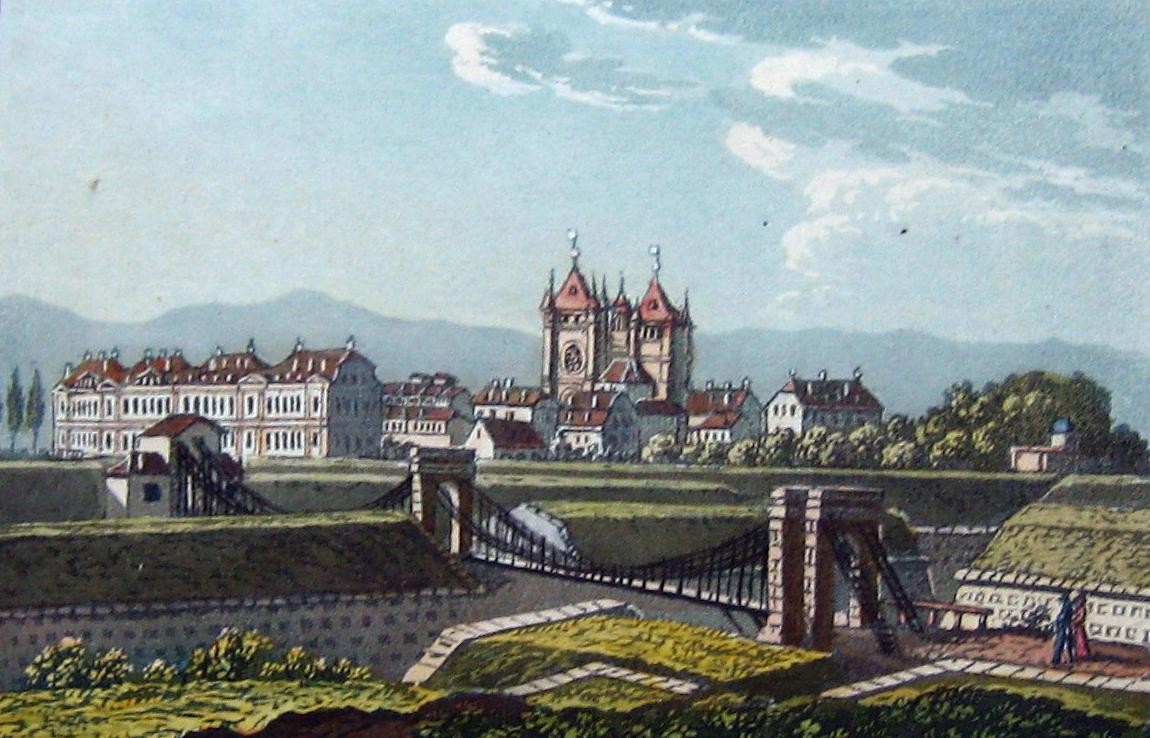
Passerelle de Saint-Antoine
1823
A pioneering suspension footbridge in Geneva, built by Dufour in 1823 and considered the world's first permanent wire-cable suspension bridge.
Dufour designed and built this bridge in 1823, early evidence of his engineering innovation before his military and cartographic career.
About this source
What it is
This colorized print shows the Passerelle de Saint-Antoine, a suspension footbridge with stone towers and iron chains crossing a river toward the town of Geneva, built in 1823.
Why it matters
The bridge is credited as the world's first permanent wire-cable suspension bridge, built while Dufour worked as an engineer. It shows a side of his career separate from his later military and mapmaking fame, revealing him as an innovator in civil engineering during a period of rapid technical change in Europe.
Look closer
- What details in the print show how the bridge was constructed and supported?
- Why might a new kind of bridge like this have mattered to the people of Geneva at the time?
- What does the surrounding town in the image tell you about the setting this bridge served?
This artifact is part of the curated material that grounds the AI version of Guillaume Henri Dufour on Humy.ai — when students ask about related events, the AI can quote it and cite it.
More Guillaume Henri Dufour sources
Browse all 97 →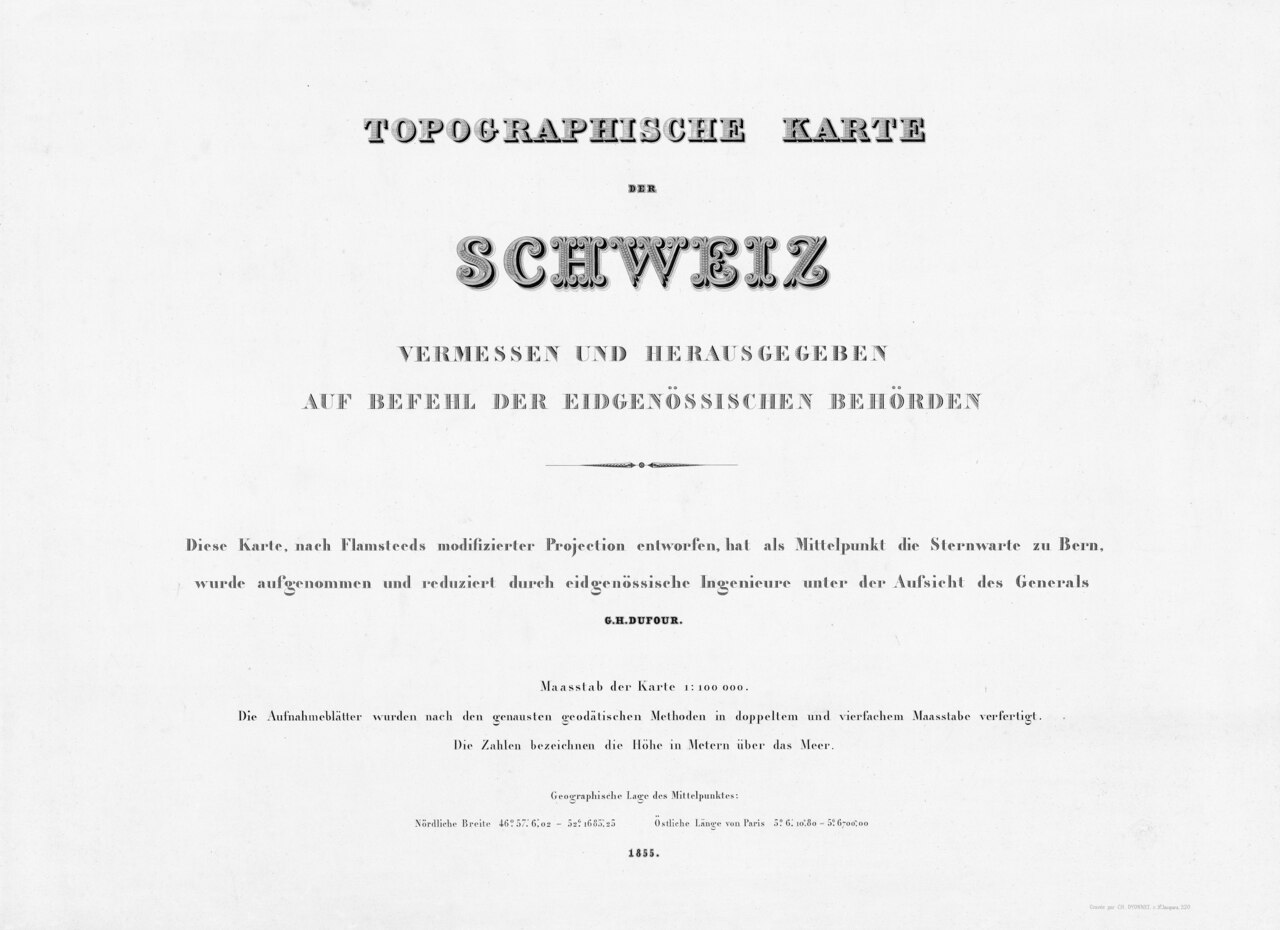 Document
Primary source
Dufour Map
Guillaume Henri Dufour / Federal Topographic Bureau · 1845–1865
 Document
Primary source
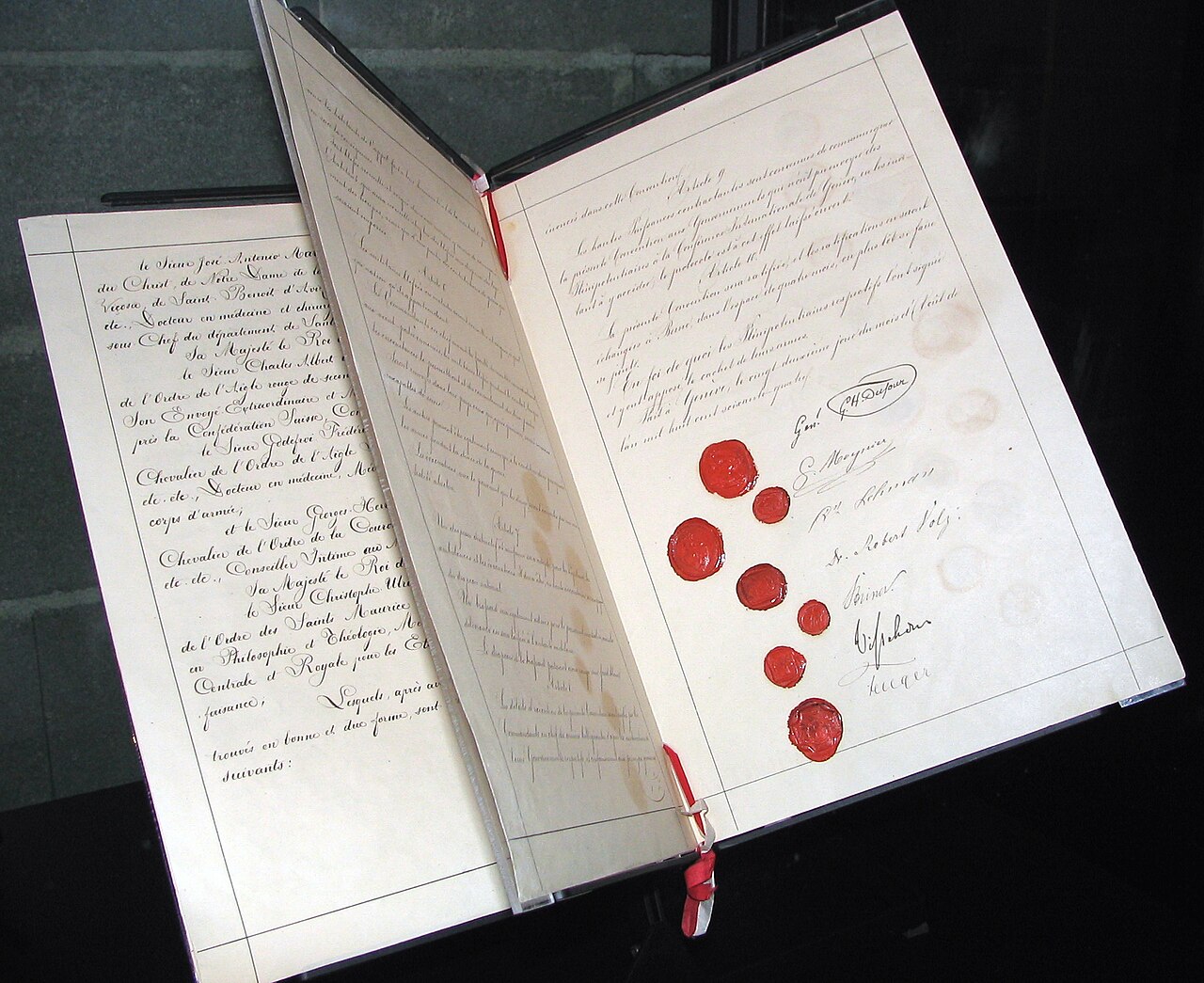
Geneva Convention of 1864
1864
 Photograph
Primary source
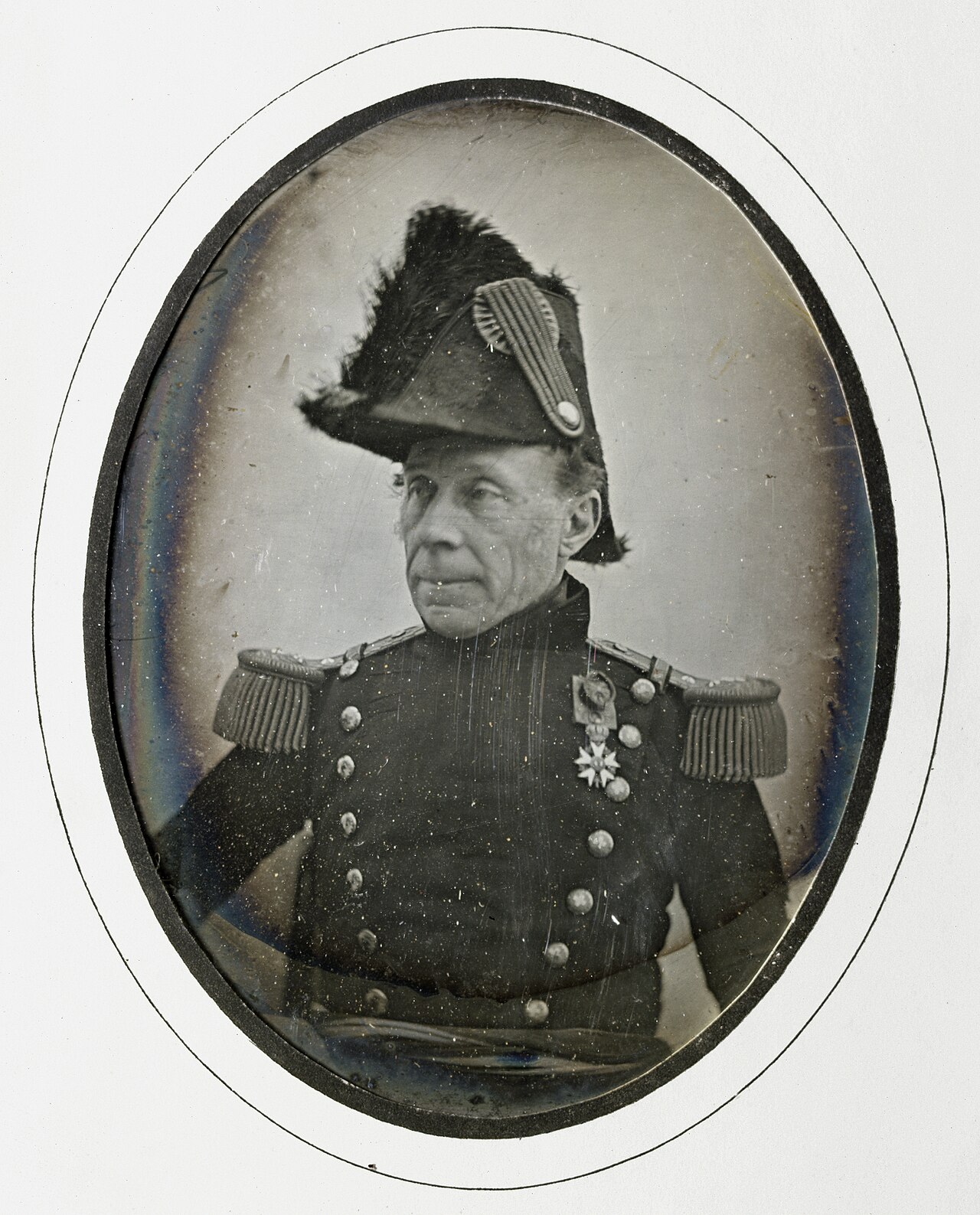
Daguerreotype Portrait of Guillaume Henri Dufour
Jean de Humnicki · c. 1850
 Photograph
Primary source
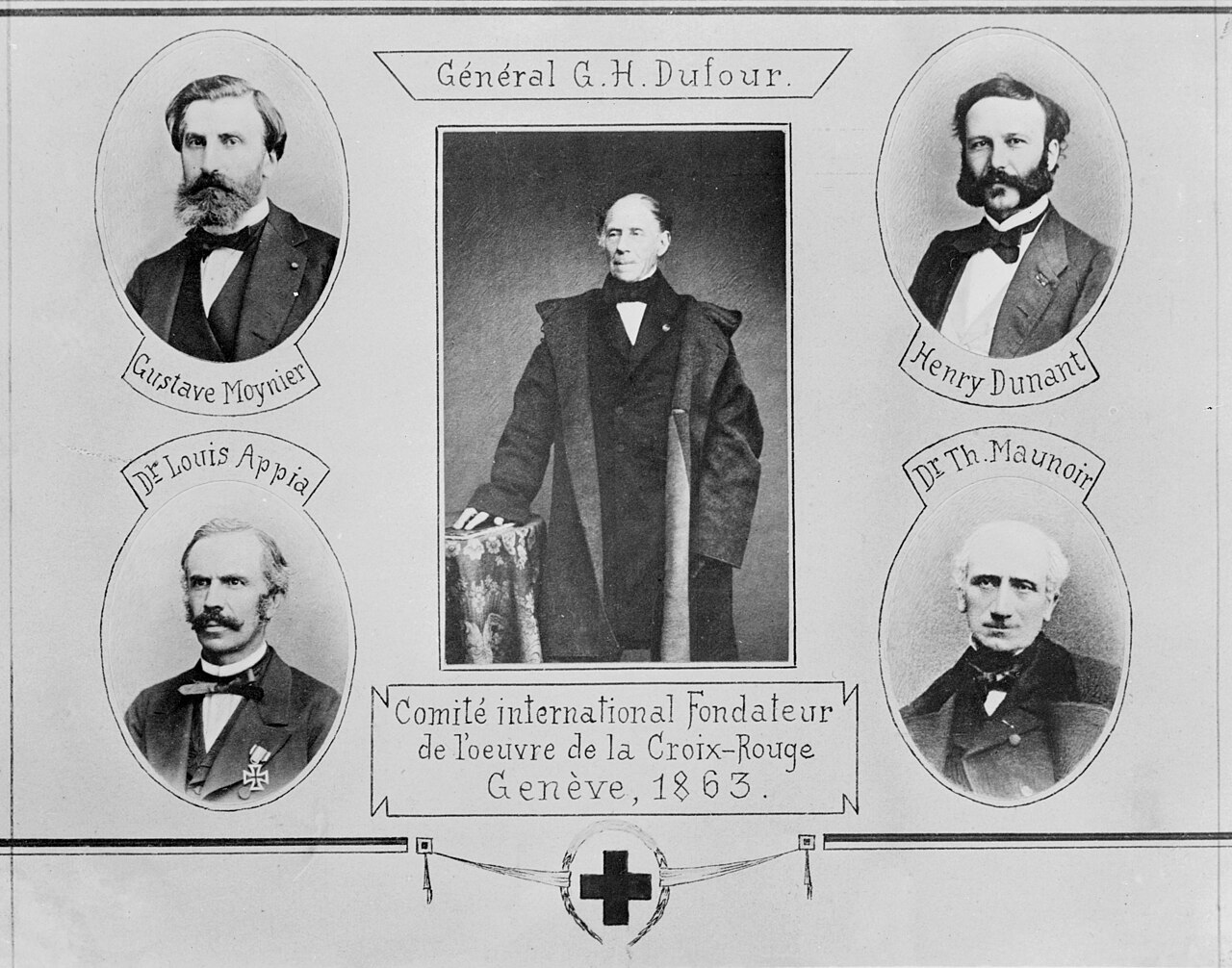
Committee of the Five
ICRC Audiovisual archives · 1863
Free account
Browse every Guillaume Henri Dufour source
Sign up free →
Ready when you are
Start chatting with Guillaume Henri Dufour now.
20 messages free · No credit card · Available in 50+ languages.