


Primary sourceArtifactc. 1800
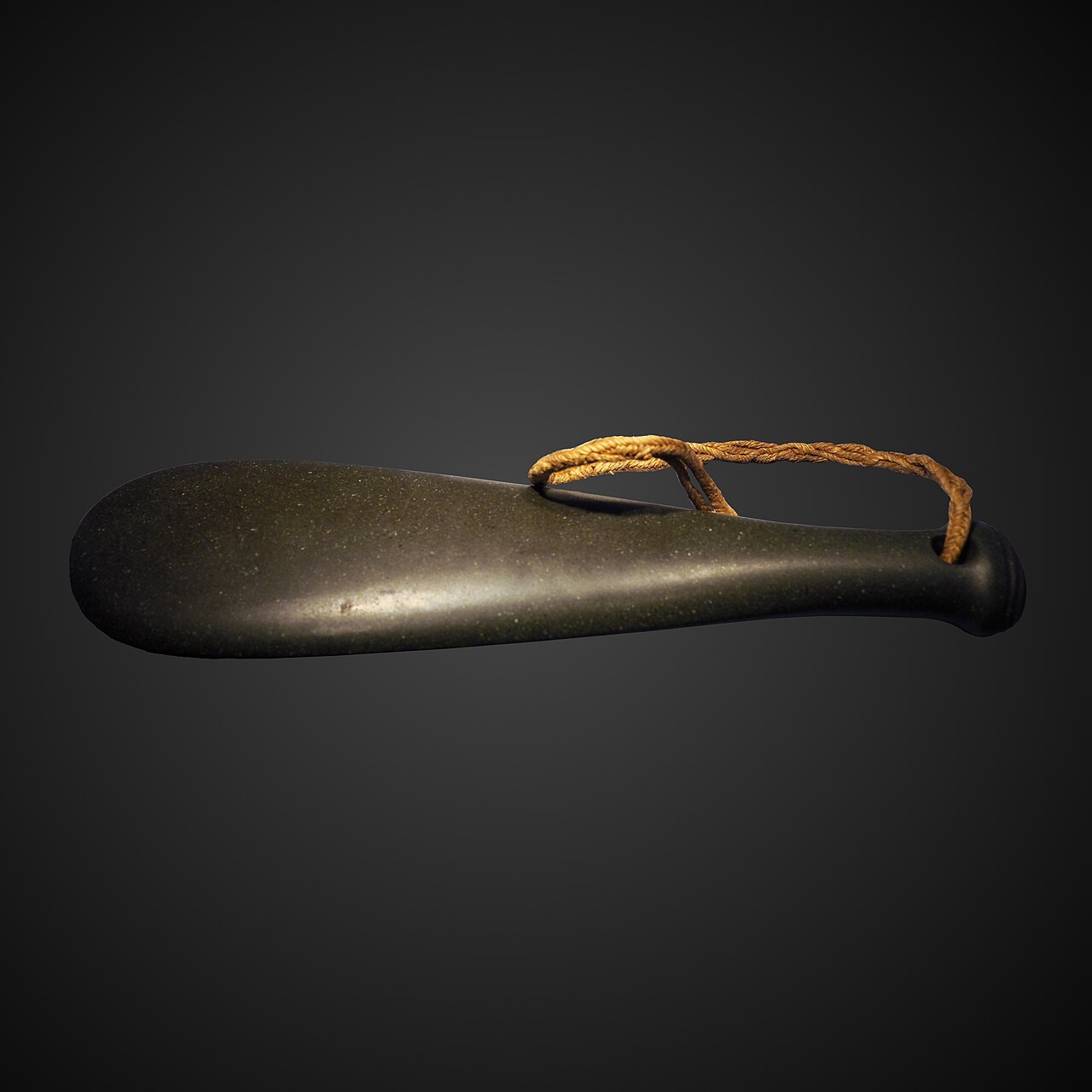
Patu
c. 1800
A Māori basalt club signed by Webber and Cook, acquired during the Cook voyages and now in Bern.
A Māori weapon signed by Cook and Webber, linking Cook to objects gathered during his Pacific voyages.
About this source
What it is
This is a basalt patu, a flat Māori hand club, dated around 1800. It bears the signatures of John Webber and James Cook and is held today at the Historical Museum of Bern, having come to Europe through Webber's collection.
Why it matters
Objects like this patu came into European hands through exchange and trade during Cook's voyages. It shows how Pacific and Māori material culture moved into European collections, and connects Cook and his expedition artist Webber directly to Māori craftsmanship.
Look closer
- What does the presence of Cook's and Webber's names on the object tell us about how it was collected or valued?
- Why might a weapon like this have been exchanged rather than taken by force?
- What is missing from this object alone about the Māori maker and their intentions?
This artifact is part of the curated material that grounds the AI version of James Cook on Humy.ai — when students ask about related events, the AI can quote it and cite it.
More James Cook sources
Meet the AI James Cook →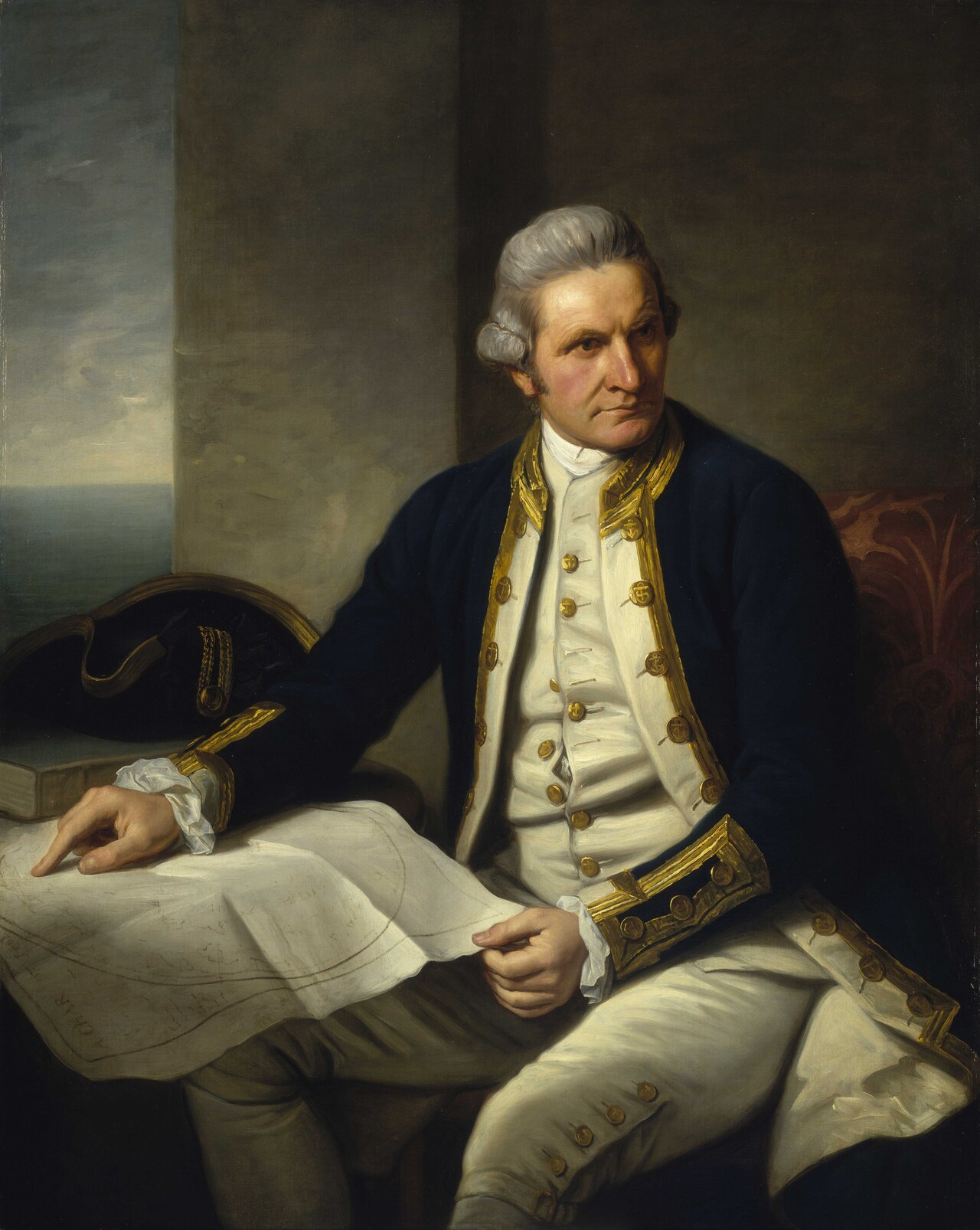 Painting
Primary source
Captain James Cook, 1728-79
Nathaniel Dance-Holland · c. 1775-1776
 Painting
Secondary source
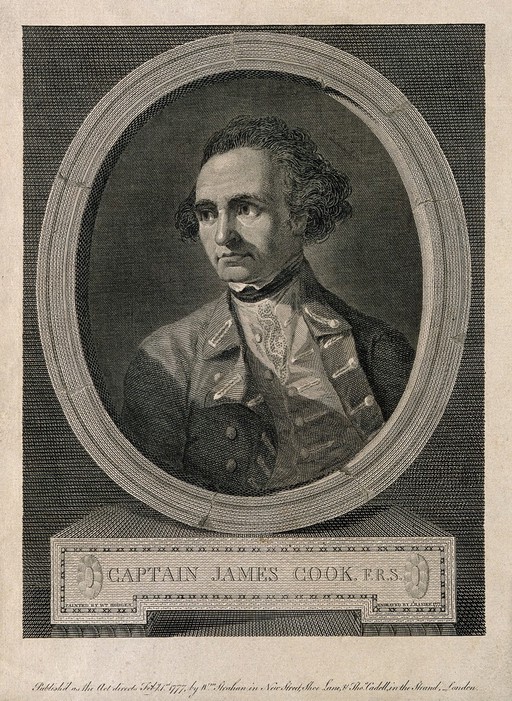
James Cook, line engraving by Basire after Hodges
William Hodges · 1777
 Document
Primary source
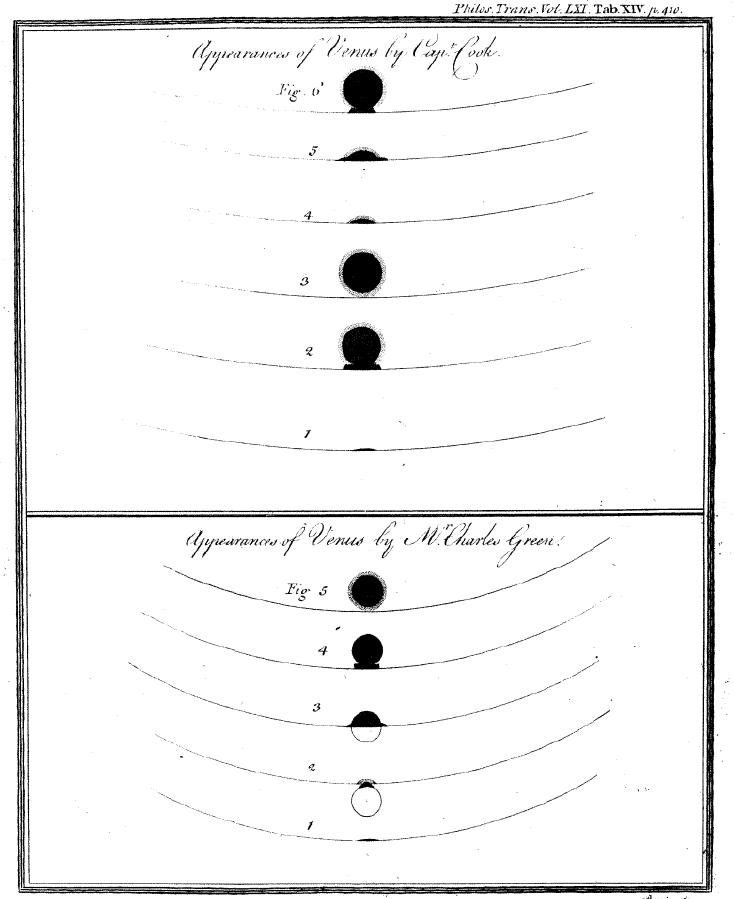
Sketchings of the 1769 Venus Transit
James Cook and Charles Green · 1769
 Painting
Primary source
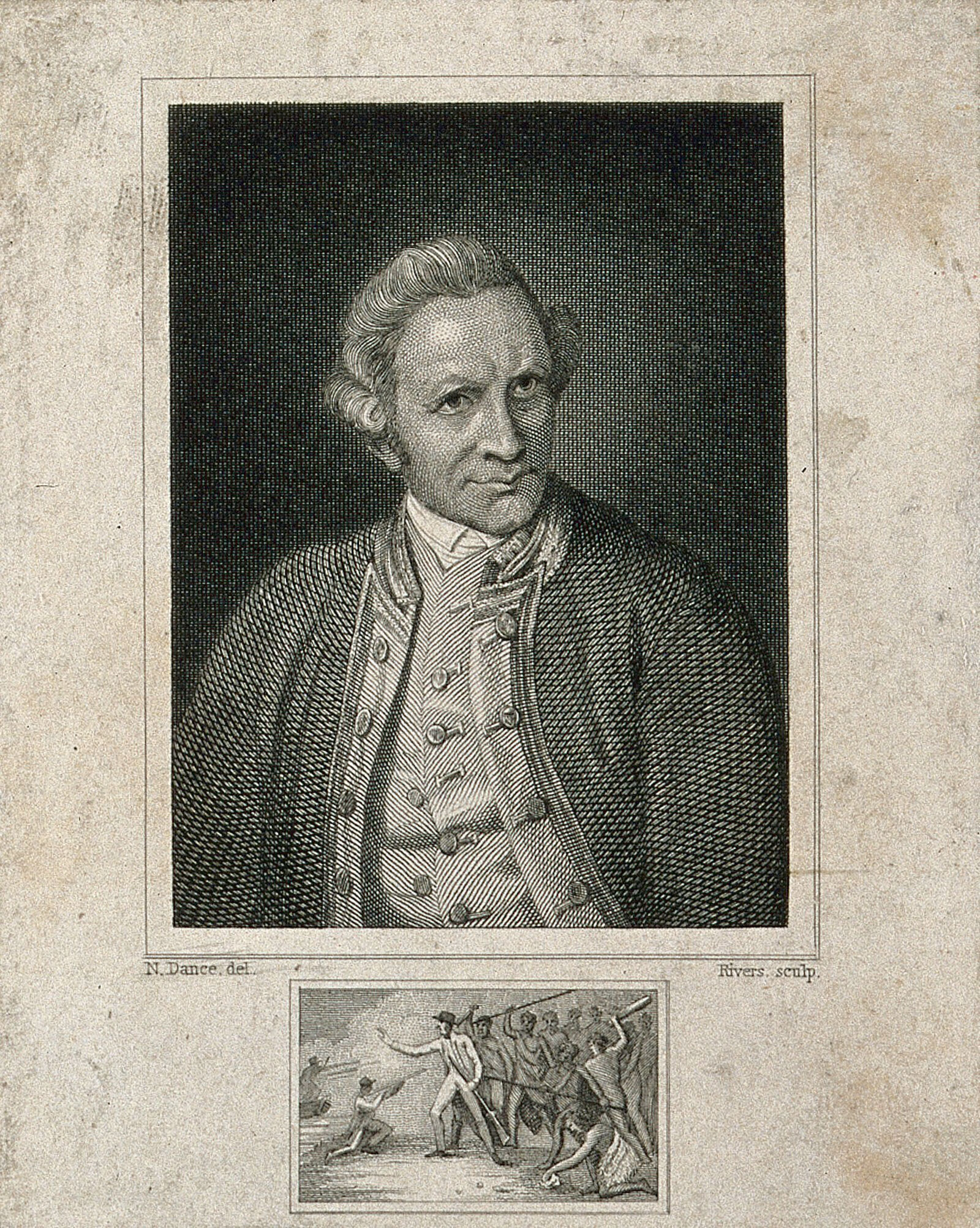
James Cook, engraving by Rivers after Dance-Holland
Nathaniel Dance-Holland · 1776
 Document
Primary source
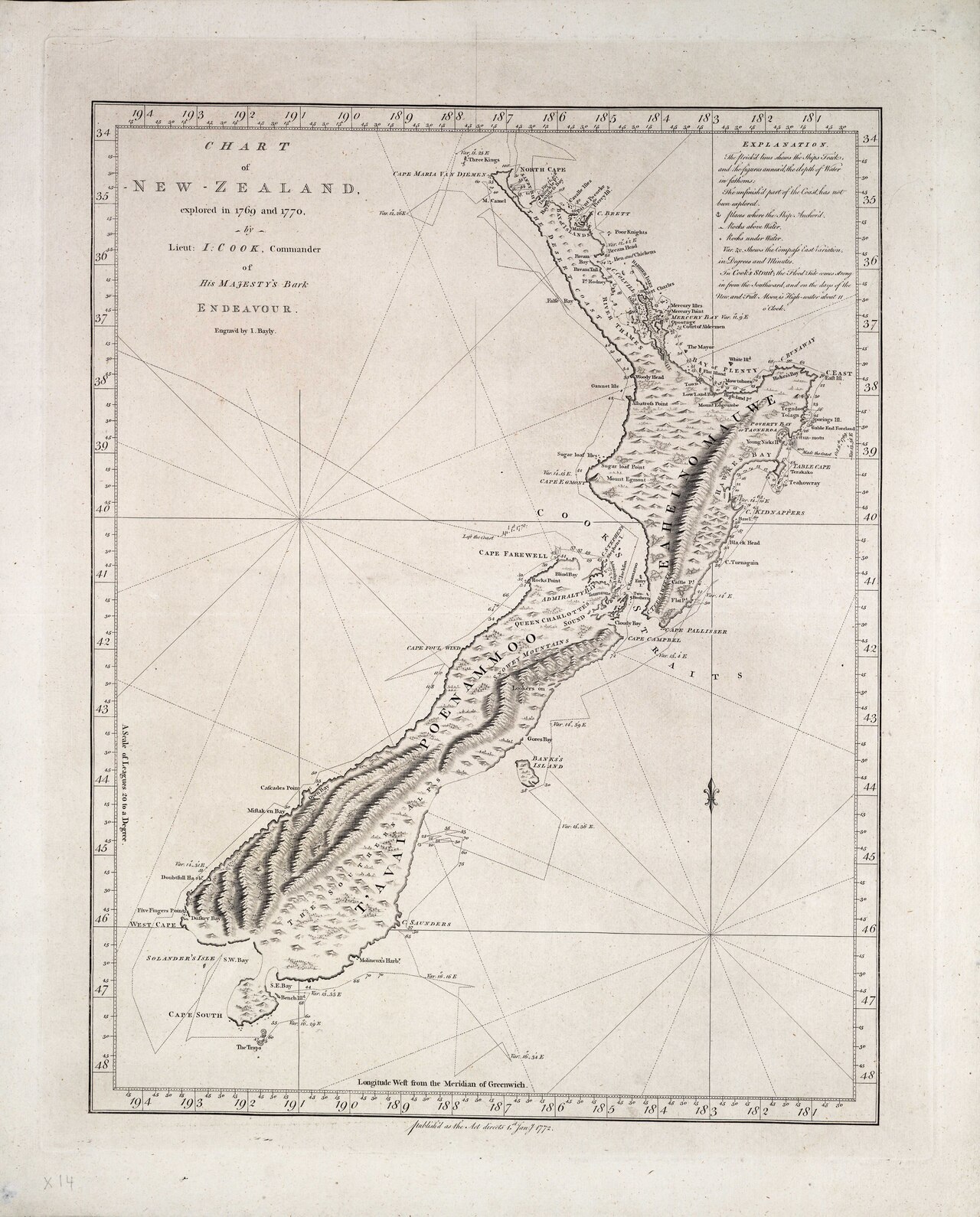
Chart of New Zealand, explored in 1769 and 1770
James Cook · 1770
Ready when you are
Start chatting with James Cook now.
20 messages free · No credit card · Available in 50+ languages.