


Primary sourceDocument5 February 1679
Peace of Nijmegen
5 February 1679
A printed German treaty text dated 5 February 1679, ending the Dutch War with peace articles for the Emperor and for Sweden. It names Leopold I among the rulers who agreed to it.
Leopold I is named in this treaty as Emperor, showing his role as a ruler bound by the peace that ended the Dutch War.
Free Humy account · No credit card · 120,912 sources to read
About this source
What it is
This is the text of a peace treaty concluded at Nijmegen and dated 5 February 1679. Its title describes it as an Imperial and French peace agreement, together with articles agreed with the Swedish king. The text is in German and names Leopold I as Elected Roman Emperor, listing his many titles and lands. The copy here comes from a modern transcription on Wikisource, a volunteer-edited online library. Volunteers added extra paragraph breaks to make it easier to read, so it is not the printed original itself.
Why it matters
The treaty ended the Dutch War, a conflict that had begun several years earlier and in which the Empire and Leopold took part. Peace settlements like this show how rulers divided land, made promises and tried to limit future fighting. For Leopold, the text records the diplomatic side of his wars with France. A single document cannot show how soldiers or ordinary people experienced the fighting.
Look closer
- Which rulers and kingdoms are named in the title, and why would a peace treaty list so many titles?
- This copy was retyped by volunteers: what might change or be lost when a document is copied by hand or by typing?
- What does the treaty leave out about the people who lived in the lands it divided?
This document is part of the curated material that grounds the AI version of Leopold I, Holy Roman Emperor on Humy.ai — when students ask about related events, the AI can quote it and cite it.
More Leopold I, Holy Roman Emperor sources
Browse all 92 →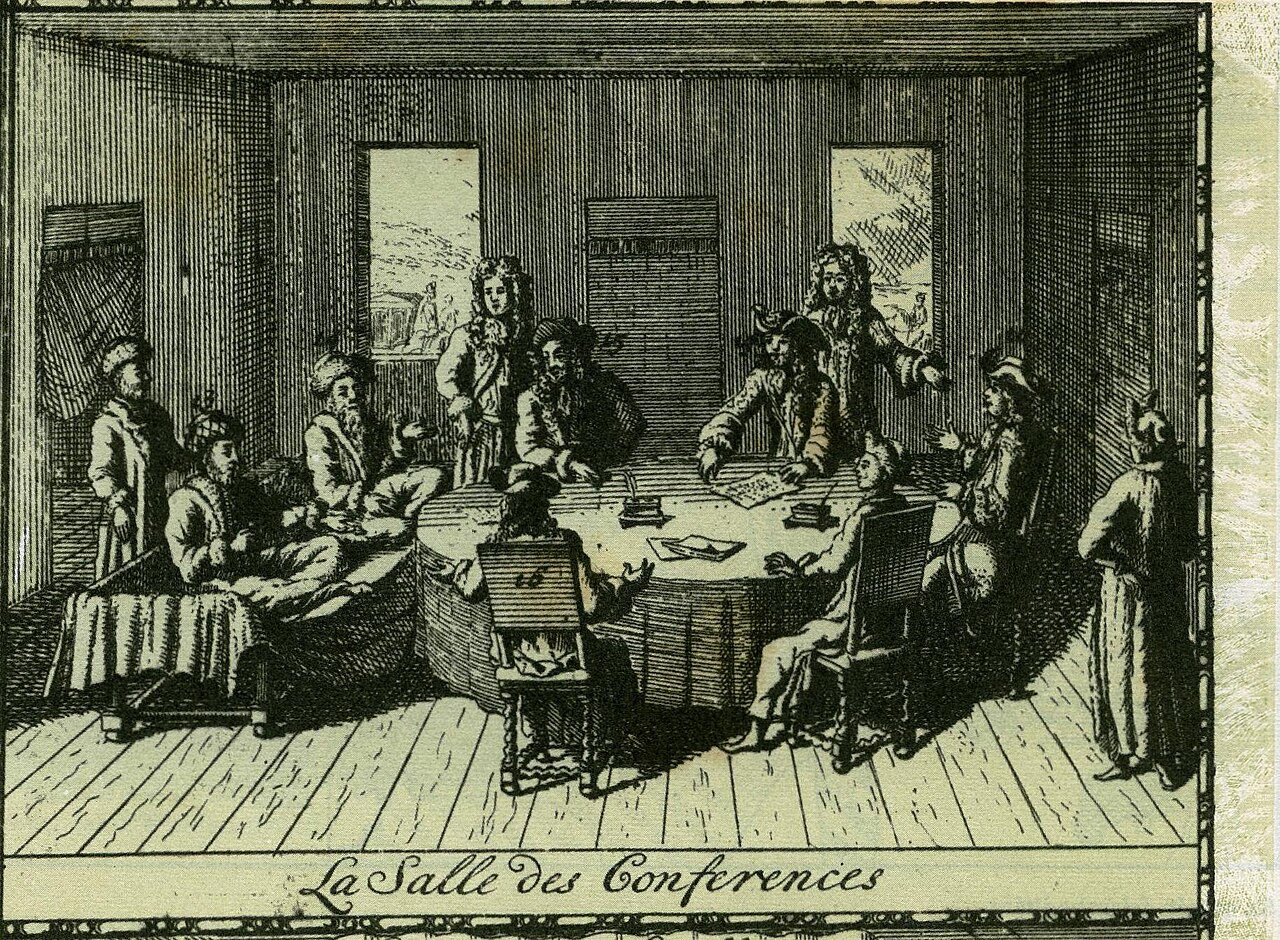 Document
Primary source
Treaty of Karlowitz
26 January 1699
 Sculpture
Primary source
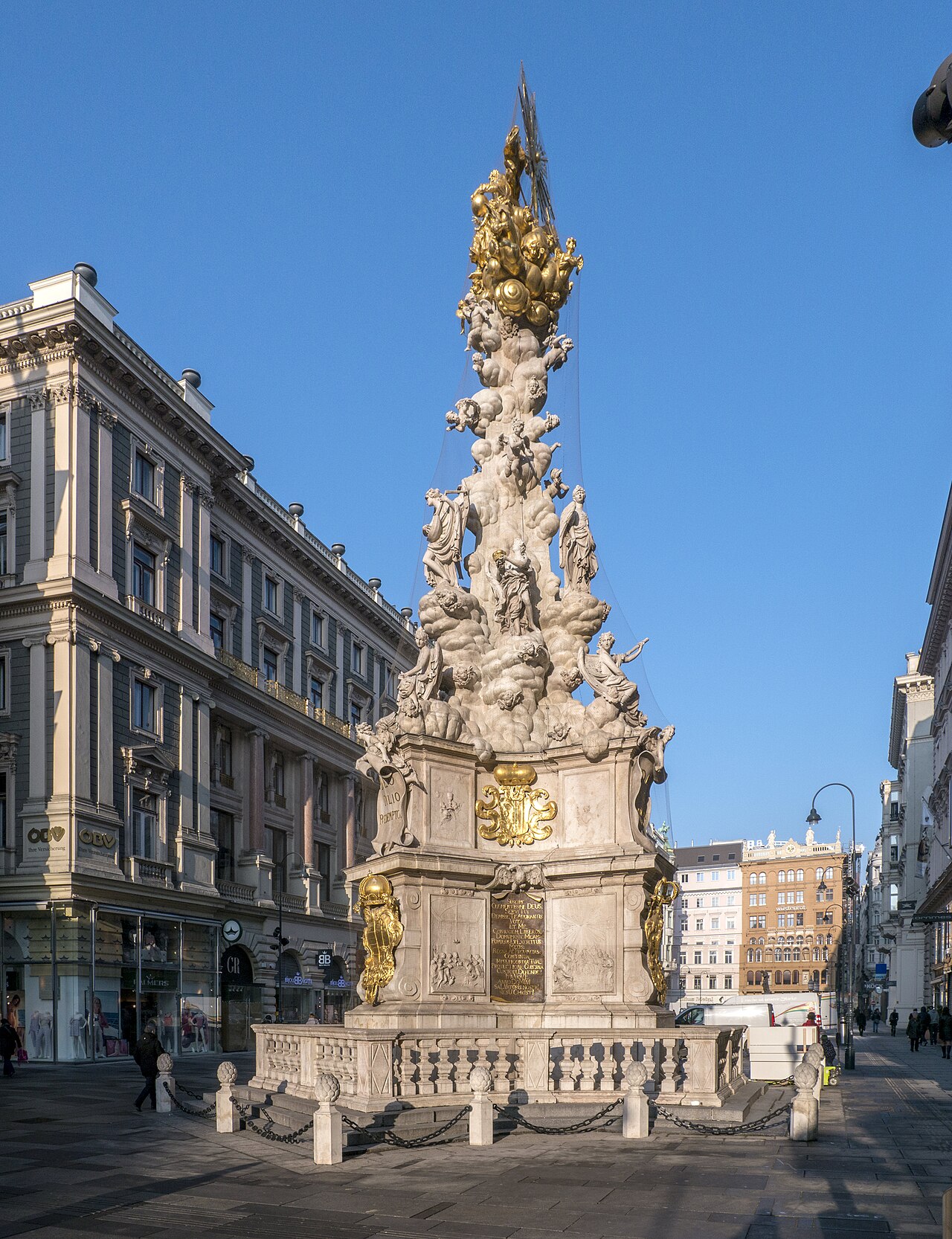
Pestsäule
Johann Bernhard Fischer von Erlach · 1679-1694
 Document
Primary source
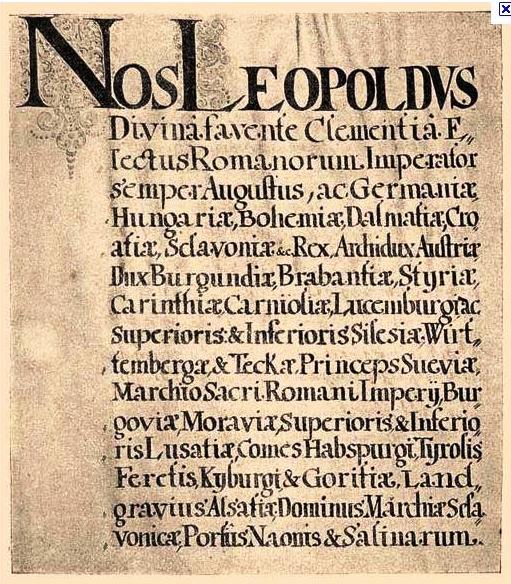
Diploma Leopoldinum
Leopold I, Holy Roman Emperor · 1690
 Painting
Primary source
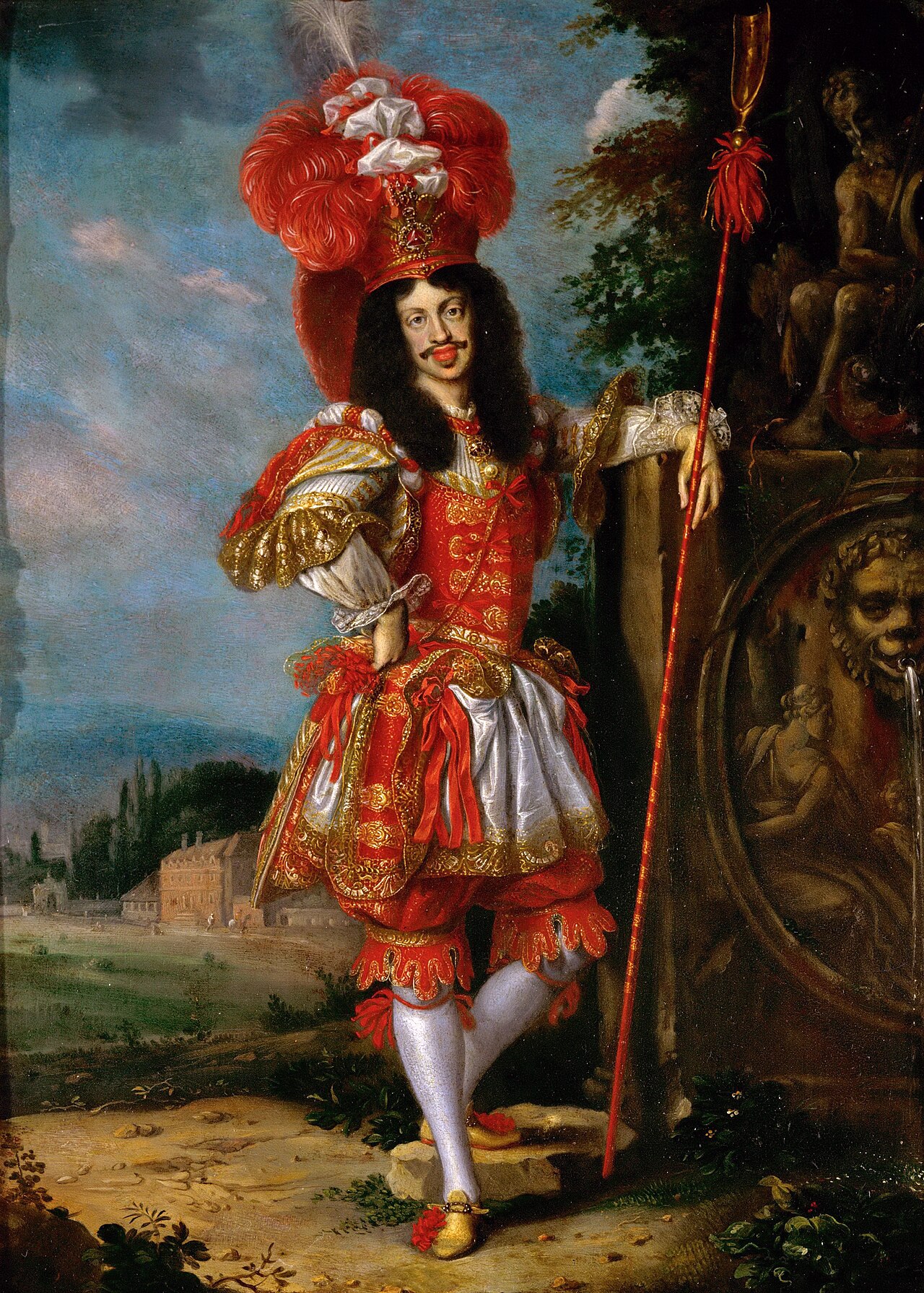
Leopold I as Acis in La Galatea
Jan Thomas van Ieperen · 1667
Free account
Read every Leopold I, Holy Roman Emperor source
Sign up free →
Ready when you are
Start chatting with Leopold I, Holy Roman Emperor now.
20 messages free · No credit card · Available in 50+ languages.