


Primary sourceArtifact1635
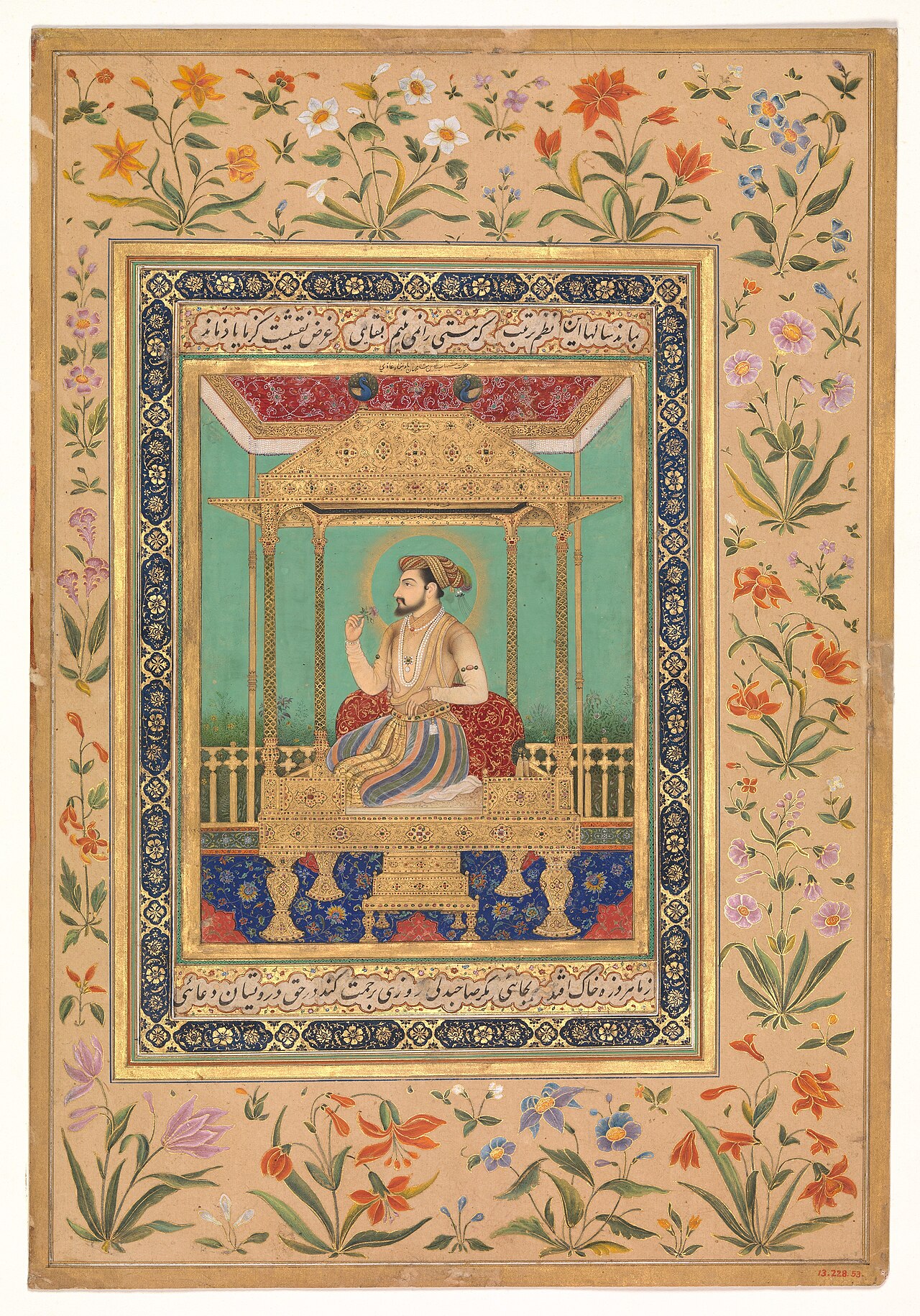
Peacock Throne
Said Gilani · 1635
The jewel-covered imperial throne commissioned by Shah Jahan, symbol of Mughal wealth and later looted by Nader Shah in 1739.
Shah Jahan commissioned this throne as the centerpiece of his court, symbolizing his wealth and legitimacy as emperor.
About this source
What it is
The Peacock Throne was the imperial throne of the Mughal emperors, commissioned in the early 17th century by Emperor Shah Jahan for his Hall of Private Audiences in the Red Fort of Delhi. Master goldsmith Said Gilani led its construction, which took seven years and used huge amounts of gold, jewels and pearls. It was inaugurated in 1635. The original was taken by Nader Shah as a war trophy in 1739, and a later replacement disappeared after 1857.
Why it matters
The throne was meant to recall the legendary Throne of Solomon, showing Shah Jahan as a just ruler close to heaven. Its cost, reportedly twice that of building the Taj Mahal, reveals the extravagance of his court at the height of Mughal power. Poets such as Muhammad Qudsi and Abu-Talib Kalim composed verses praising it, showing how art, poetry and politics combined around the emperor.
Look closer
- Why would an emperor want a throne this expensive and elaborate, even though only a few people would ever see it?
- What happened to the throne after Shah Jahan's reign, and what does that tell you about the fortunes of empires?
- Since the original throne no longer exists, how do we know what it looked like?
This artifact is part of the curated material that grounds the AI version of Shah Jahan on Humy.ai — when students ask about related events, the AI can quote it and cite it.
More Shah Jahan sources
Browse all 99 → Artifact
Primary source
Taj Mahal
Ustad Ahmad Lahori · 1631-1653
 Book
Primary source
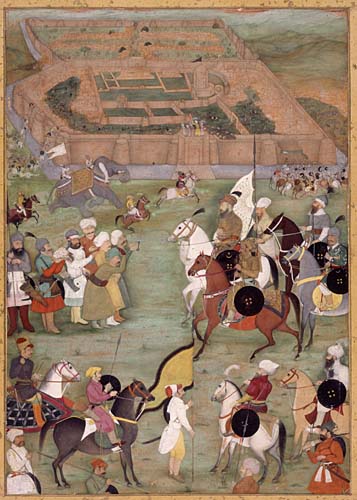
Padshahnama
Abdul Hamid Lahori · 1630-1657
 Artifact
Primary source
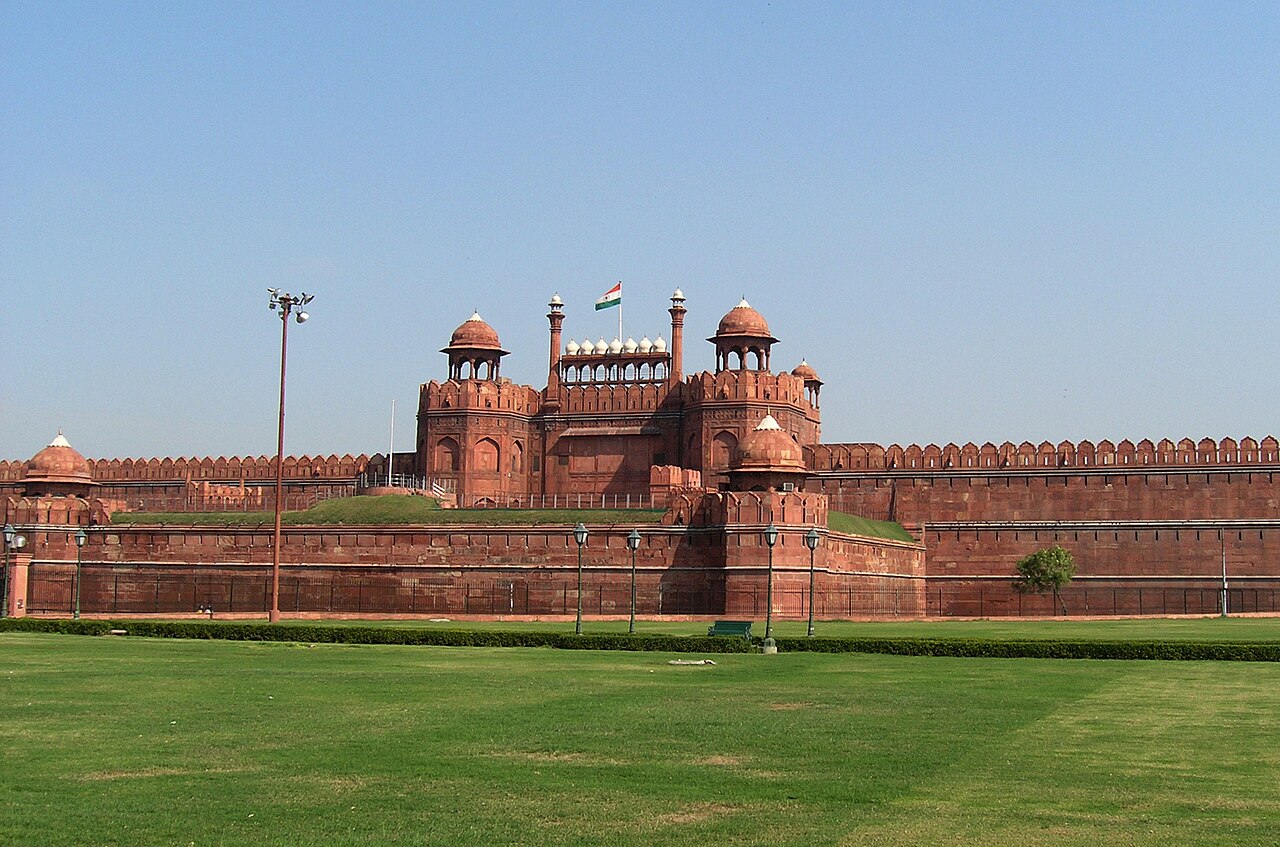
Red Fort
Ustad Ahmad Lahori · 1638-1648
 Painting
Primary source
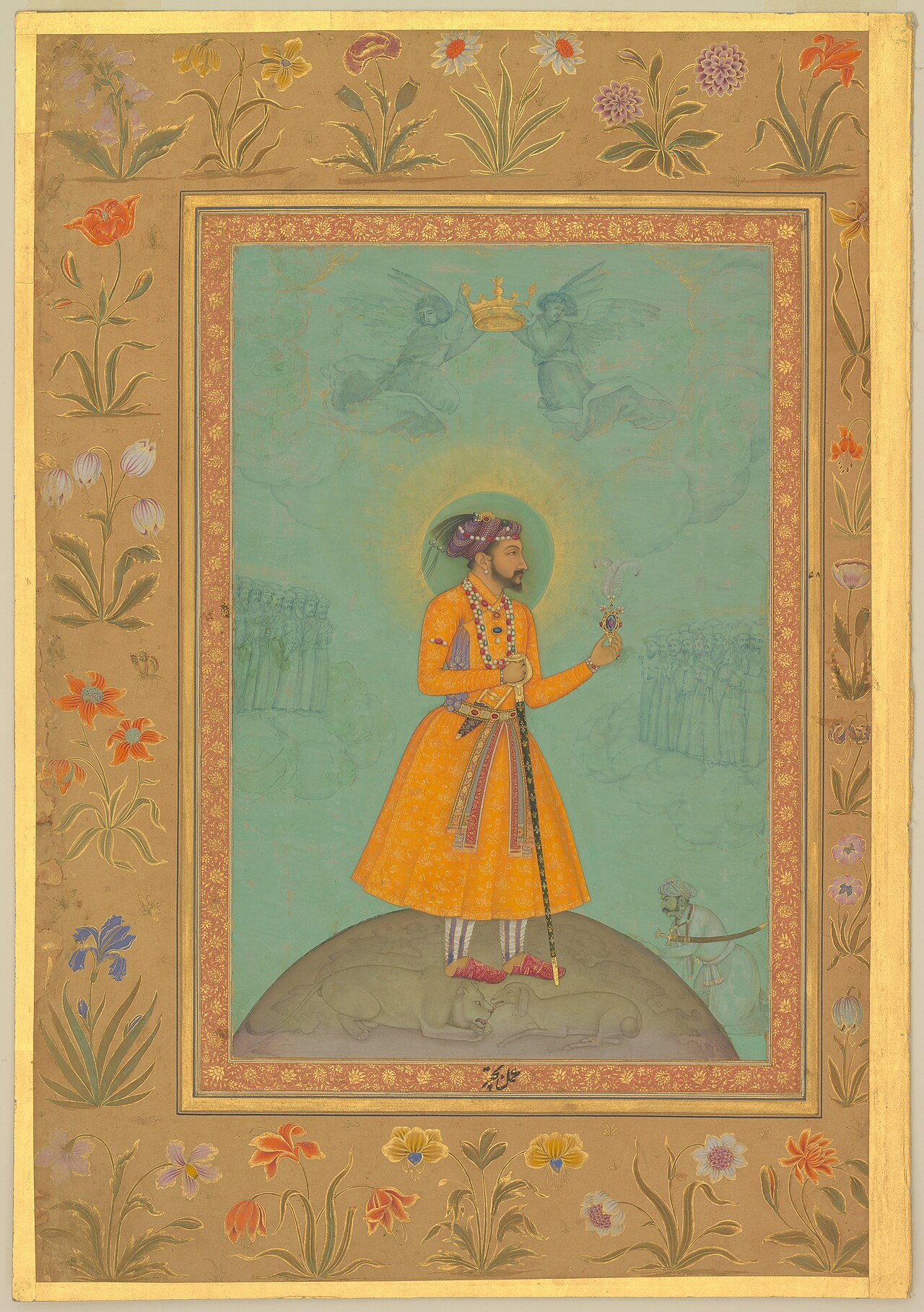
Mughal Emperor Shah Jahan standing on a globe
Bichitr · c. 1630

Free account
Read every Shah Jahan source
Sign up free →
Ready when you are
Start chatting with Shah Jahan now.
20 messages free · No credit card · Available in 50+ languages.