


Primary sourceArtifact1952
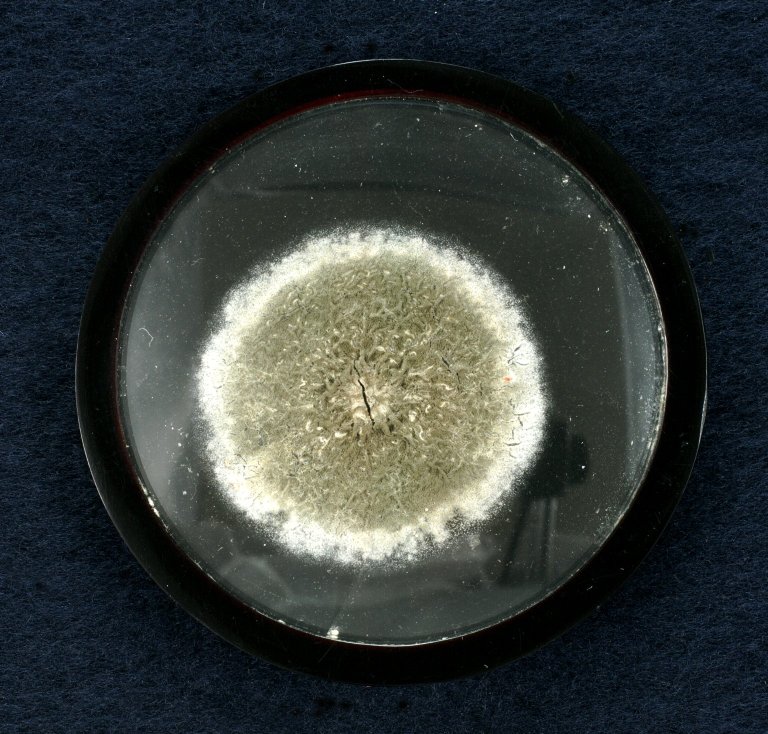
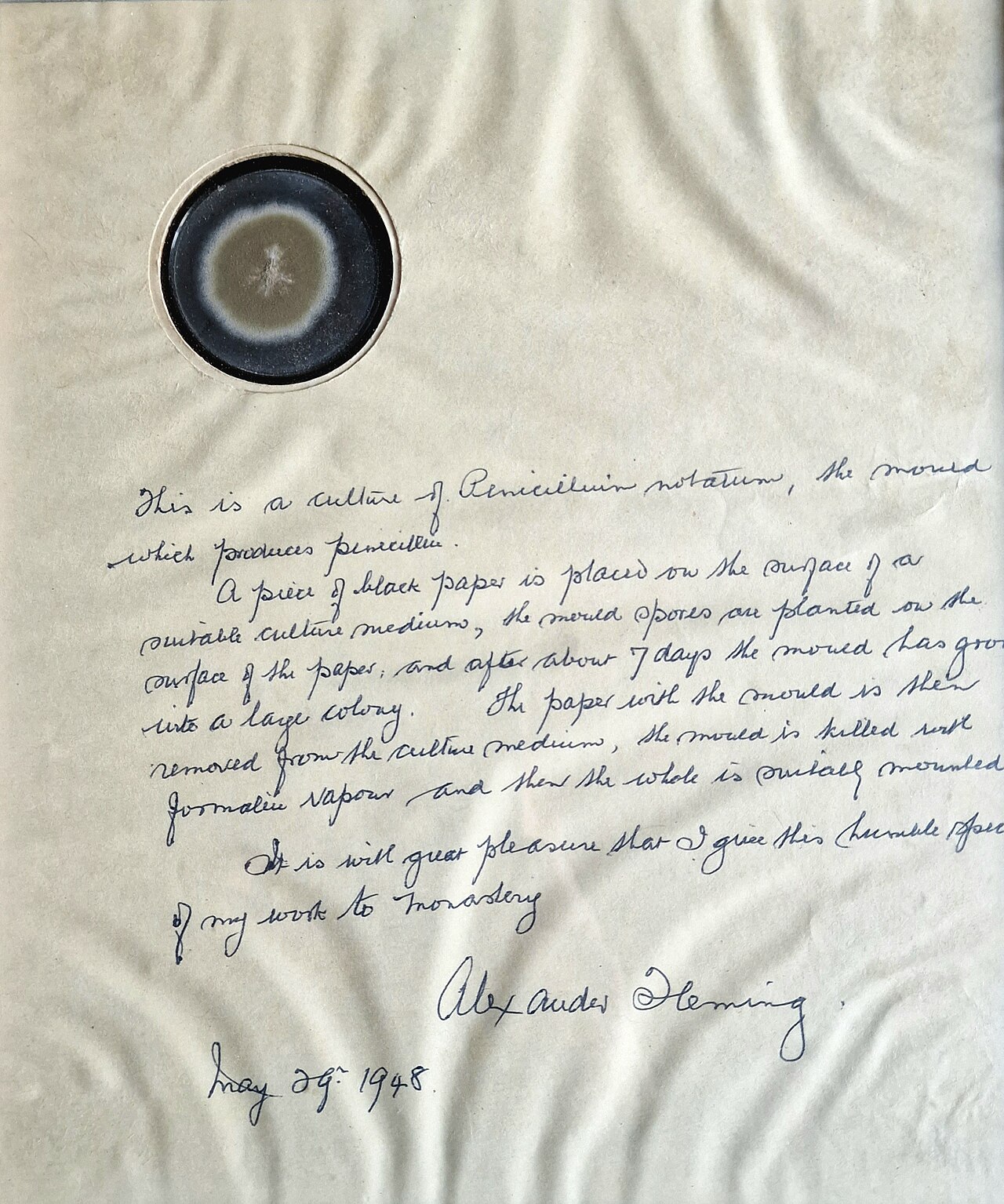
Penicillin Mould Presented by Fleming to the Student Representative Council
Alexander Fleming · 1952
A sample of penicillin mould that Fleming gave to Edinburgh students in 1952 after being elected Rector.
Fleming personally gave this mould sample to Edinburgh students, a direct physical link to his penicillin discovery.
About this source
What it is
A dish containing penicillin mould, presented by Sir Alexander Fleming to the Student Representative Council of the University of Edinburgh in 1952, the year he was elected Rector of the university. It is now held by the University of Edinburgh.
Why it matters
This object is a physical trace of the mould that led to the discovery of penicillin, one of the most important medical breakthroughs of the twentieth century. Fleming's gift to students shows how he used his position as Rector to share a tangible piece of his scientific legacy directly with a new generation.
Look closer
- Why might Fleming have chosen to give students an actual sample of the mould rather than, say, a written account?
- What can looking closely at the mould colony tell you about how penicillin was studied in the laboratory?
- What questions does this object raise that a written document cannot answer?
This artifact is part of the curated material that grounds the AI version of Alexander Fleming on Humy.ai — when students ask about related events, the AI can quote it and cite it.
More Alexander Fleming sources
Browse all 85 →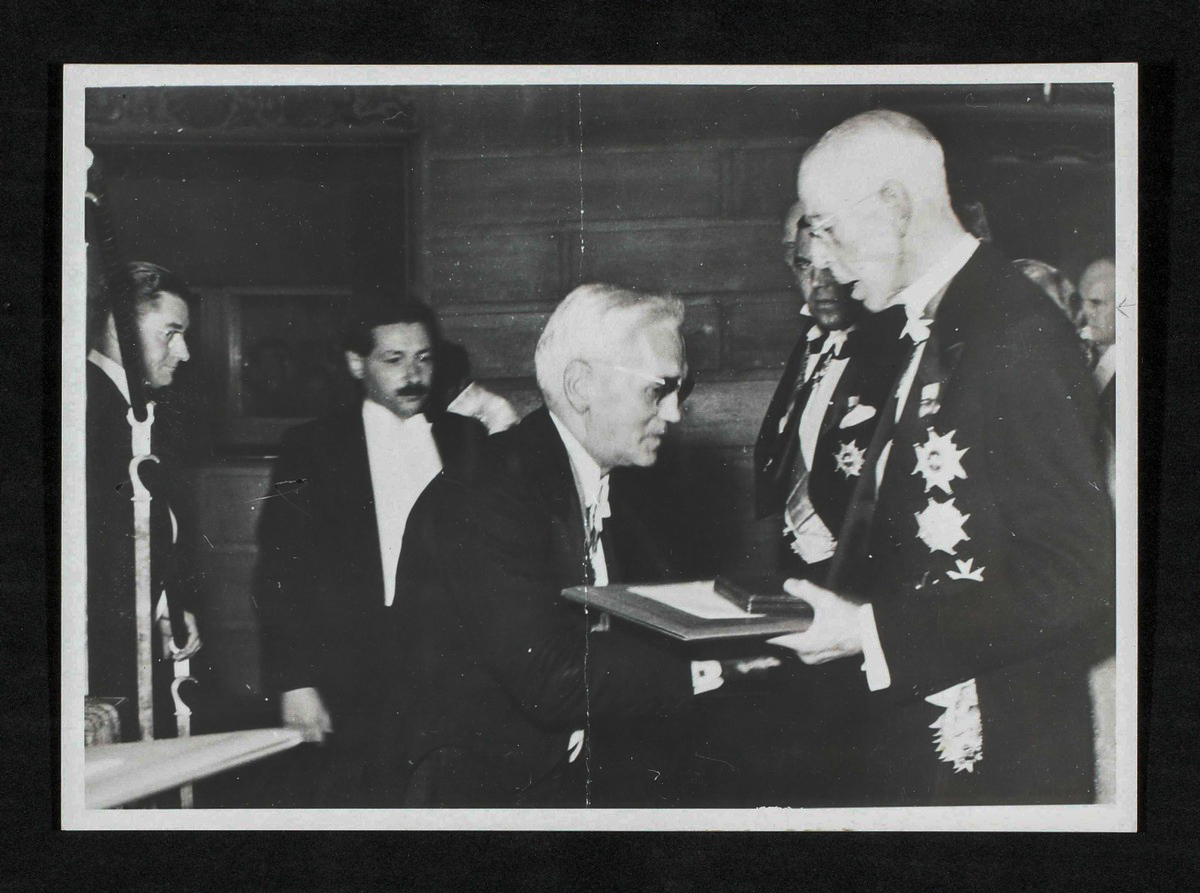 Photograph
Primary source
Fleming Receiving the Nobel Prize
Unknown · 1945
 Photograph
Primary source
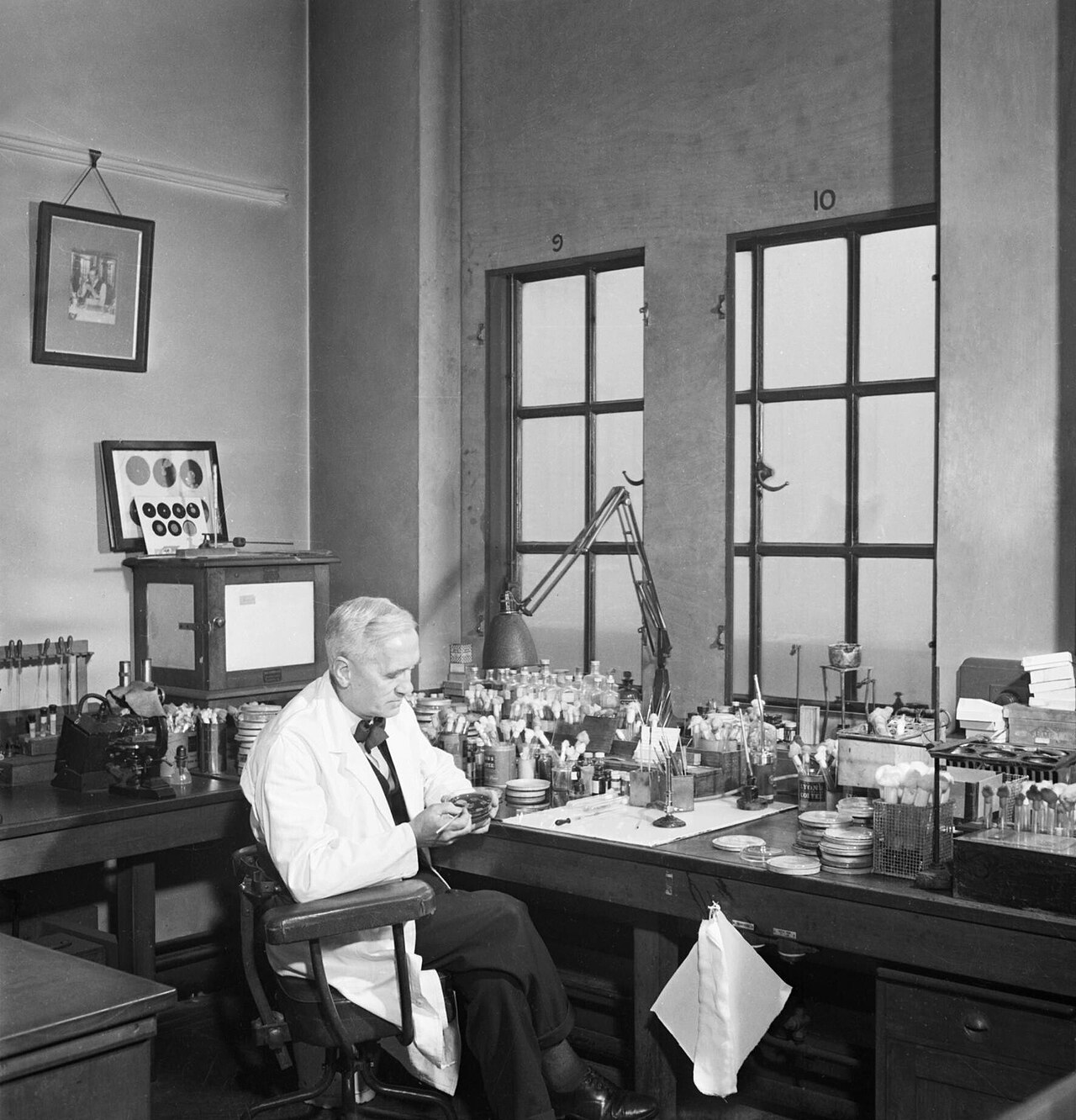
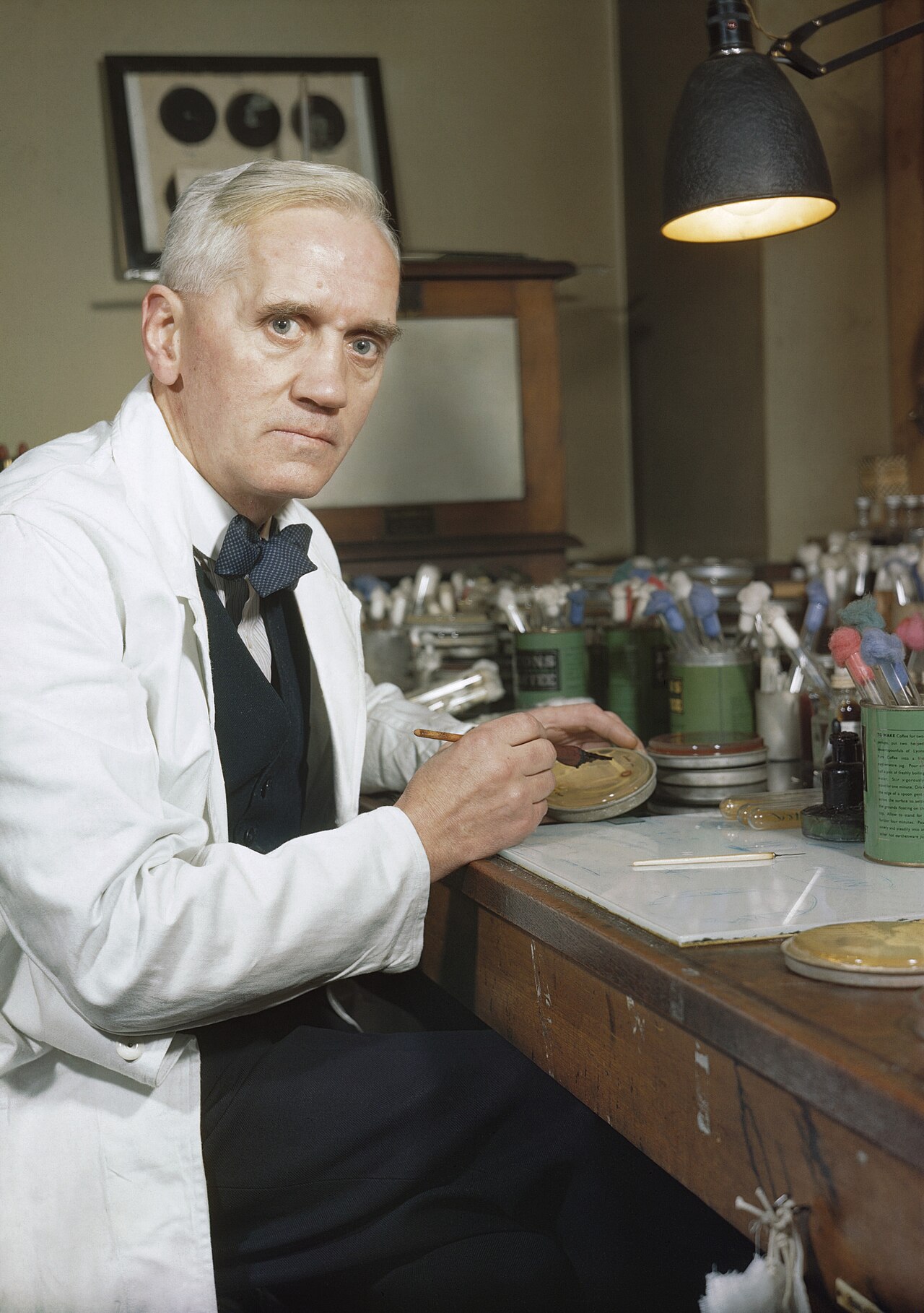
Fleming at Work in His Wartime Laboratory
Ministry of Information Photo Division Photographer · Second World War (c. 1943)
 Artifact
Primary source
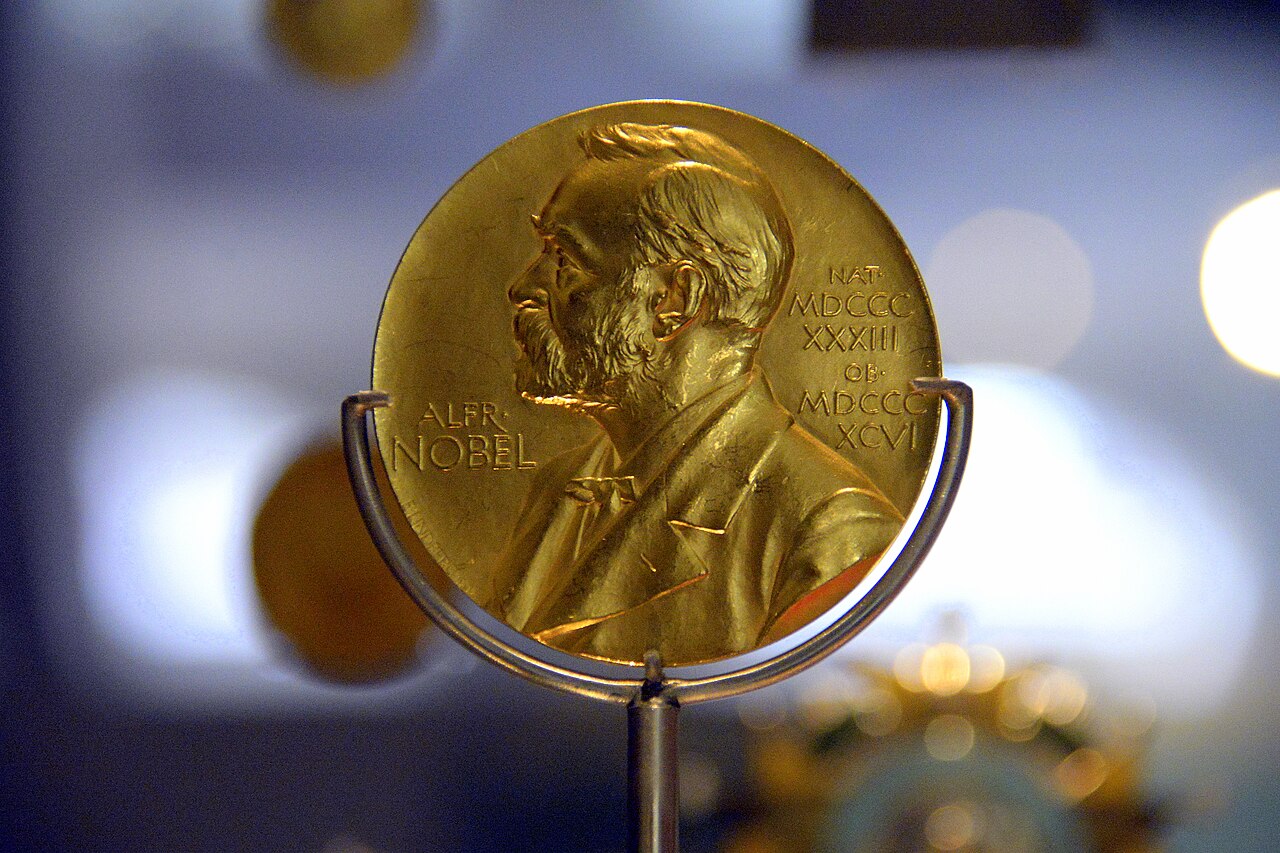
Fleming's Nobel Prize Medal for Medicine
1945
 Photograph
Primary source
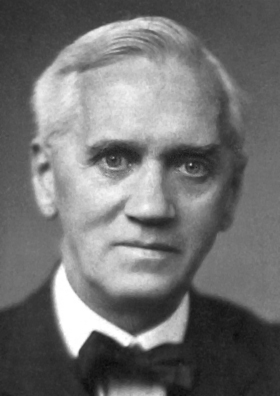
Official Nobel Portrait of Alexander Fleming
Nobel Foundation · 1945
Free account
Read every Alexander Fleming source
Sign up free →
Ready when you are
Start chatting with Alexander Fleming now.
20 messages free · No credit card · Available in 50+ languages.