


Primary sourceArtifact1935
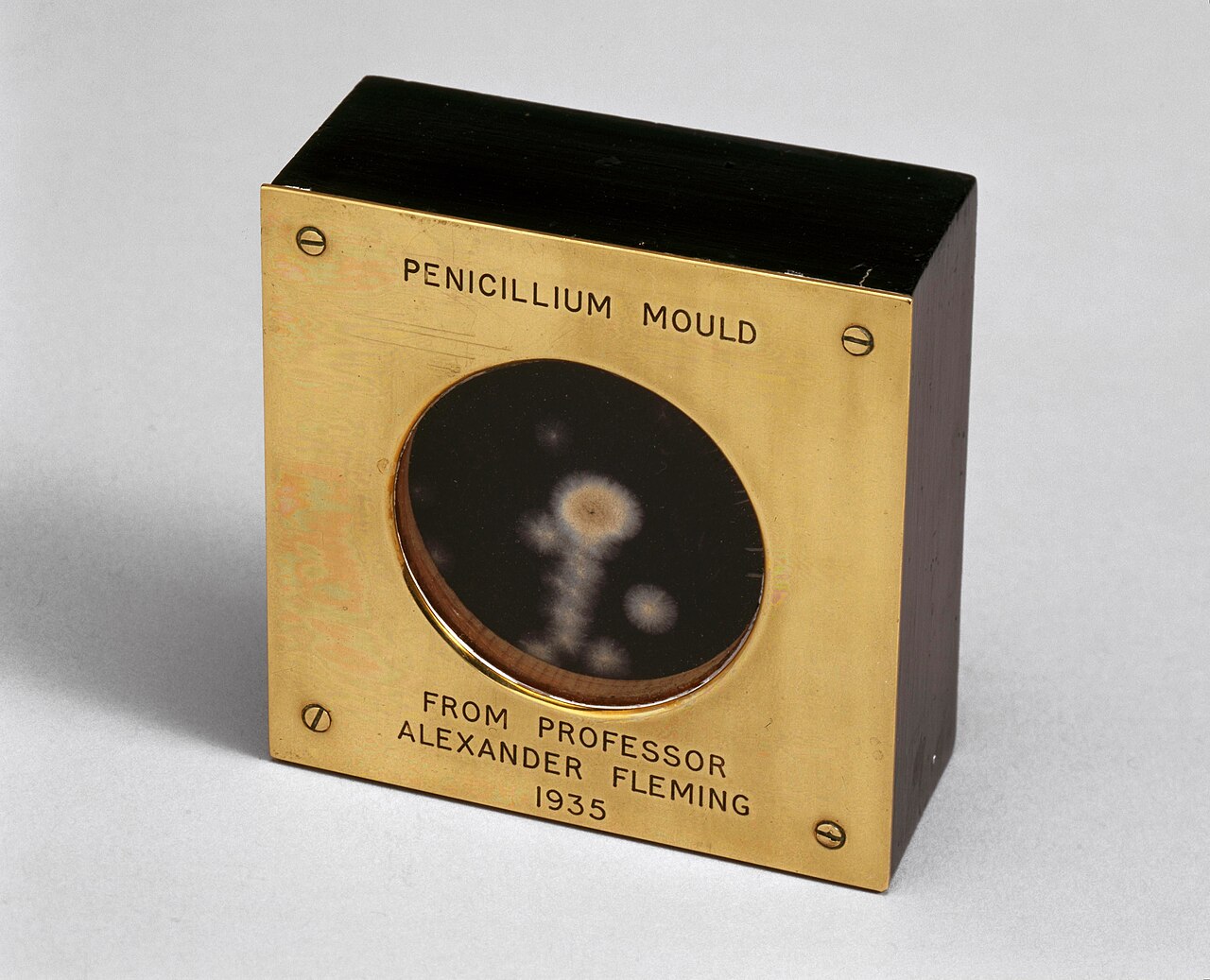
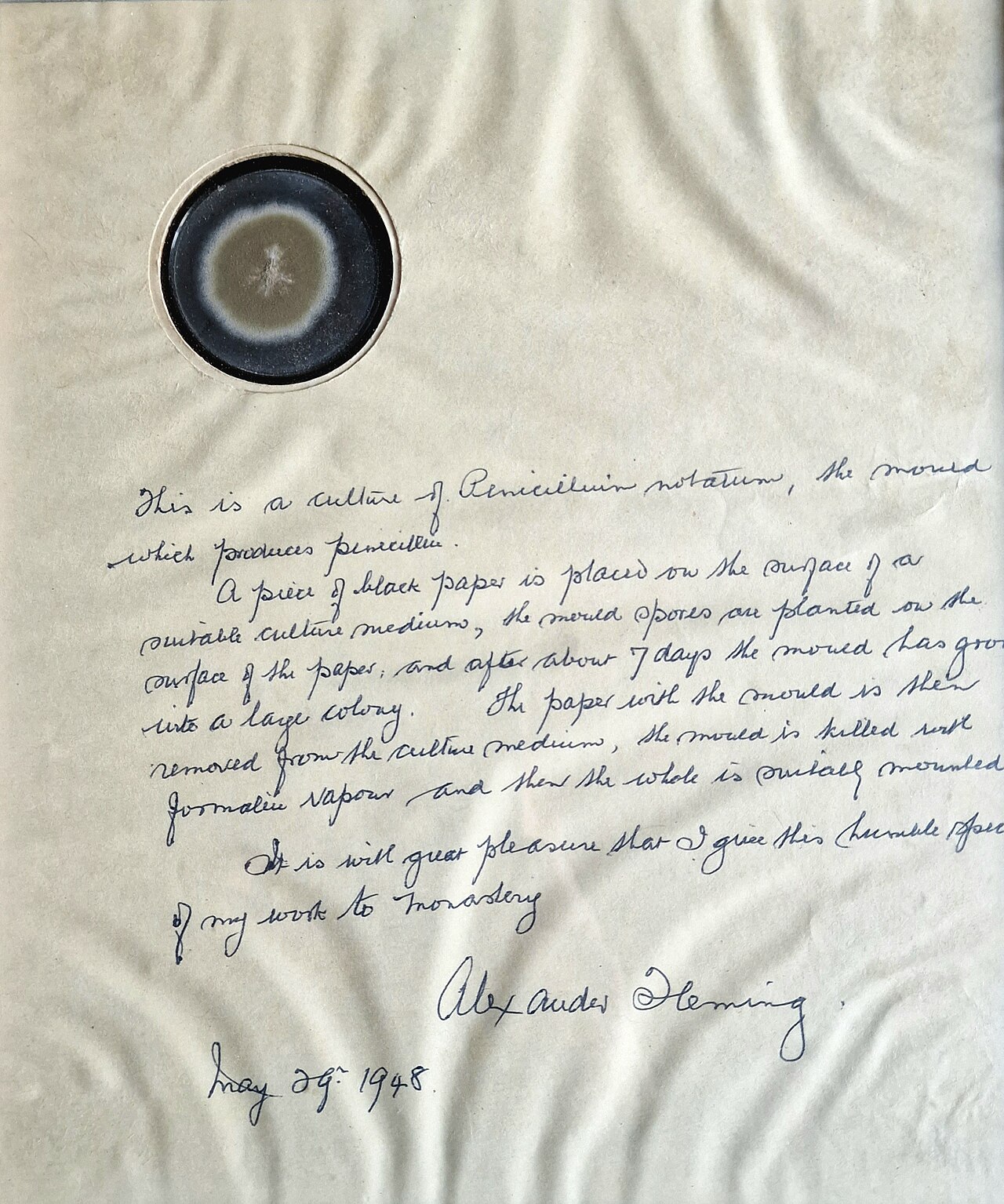
Penicillin Mould Sample Given to Douglas Macleod
1935
A sample of penicillin mould that Fleming personally gave to his colleague Douglas Macleod in 1935.
A mould sample Fleming personally gave to a colleague, directly tying him to the discovery of penicillin.
About this source
What it is
This is a physical sample of Penicillium mould, mounted in a brass-framed case with a glass window, engraved with Alexander Fleming's name and the date 1935. Fleming presented it to his colleague Douglas Macleod. It is held by the Science Museum, London, and photographed by the Science and Society Picture Library.
Why it matters
This object is a direct, physical link to Fleming's famous discovery of penicillin. By giving a sample to a colleague, Fleming shared evidence of his work, showing how scientific discoveries were passed between researchers and valued as important artifacts even in their own time.
Look closer
- Why do you think Fleming chose to preserve and give away a sample like this rather than just writing about his findings?
- What does the careful mounting and labelling tell you about how the sample was valued?
- What can't you learn about penicillin's effects just from looking at the mould itself?
This artifact is part of the curated material that grounds the AI version of Alexander Fleming on Humy.ai — when students ask about related events, the AI can quote it and cite it.
More Alexander Fleming sources
Browse all 85 →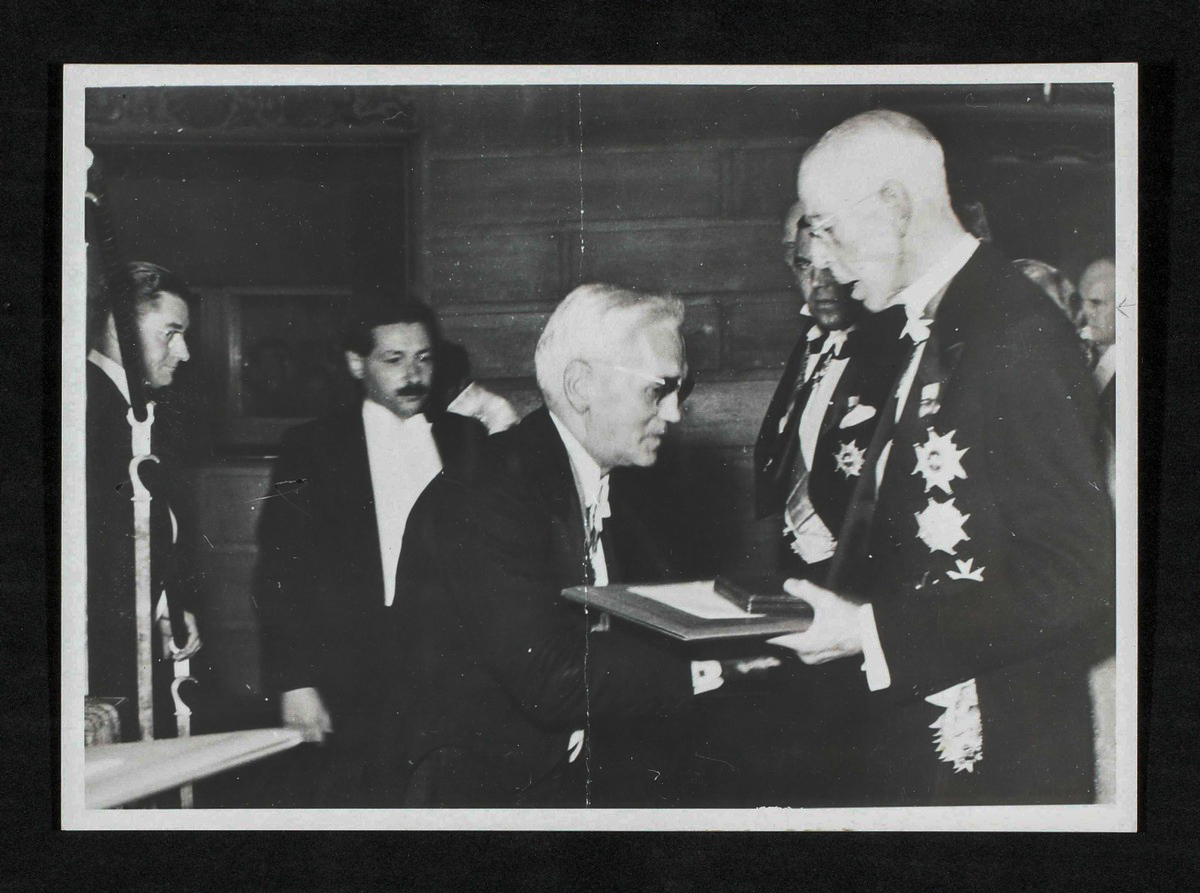 Photograph
Primary source
Fleming Receiving the Nobel Prize
Unknown · 1945
 Photograph
Primary source
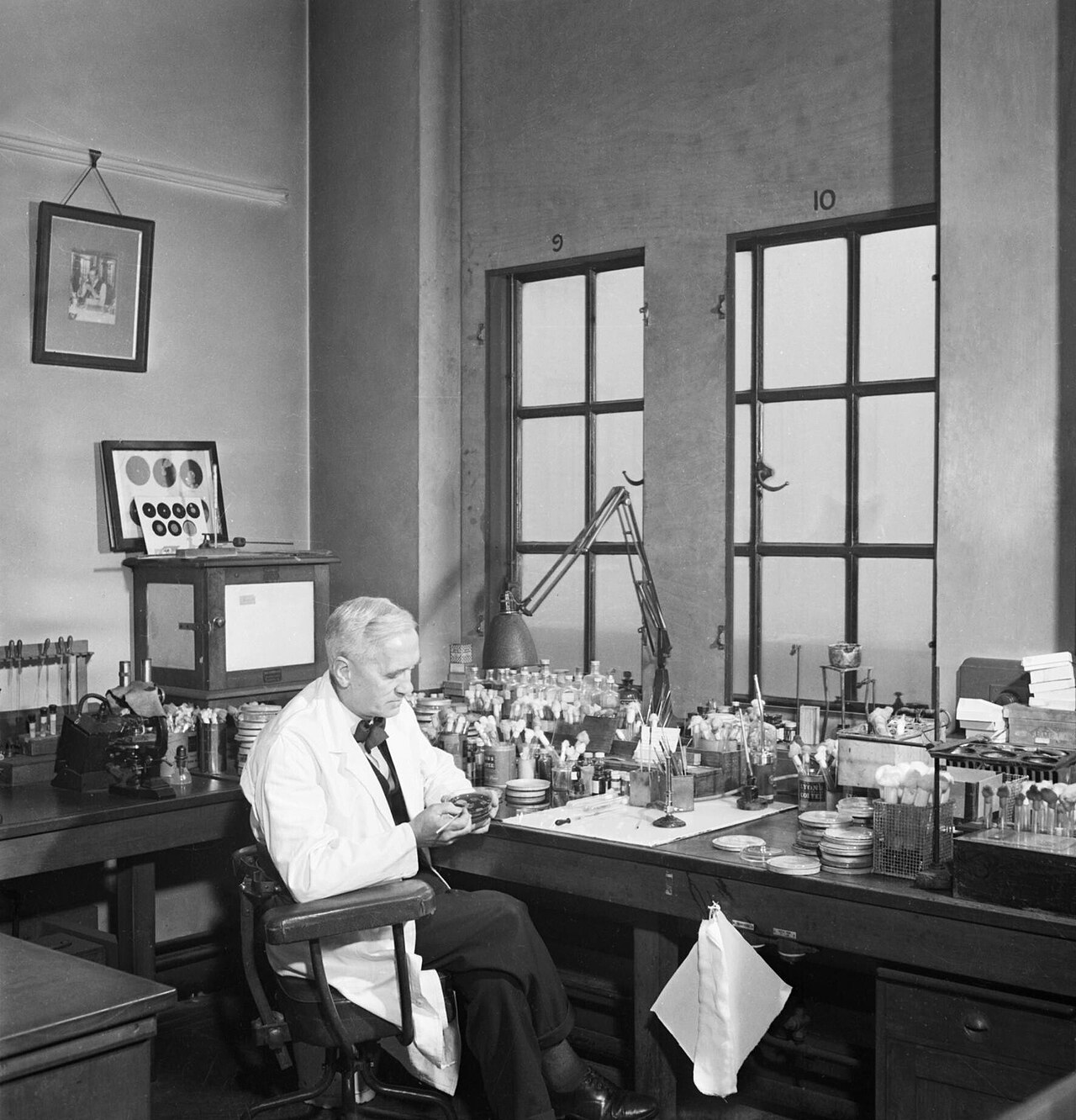
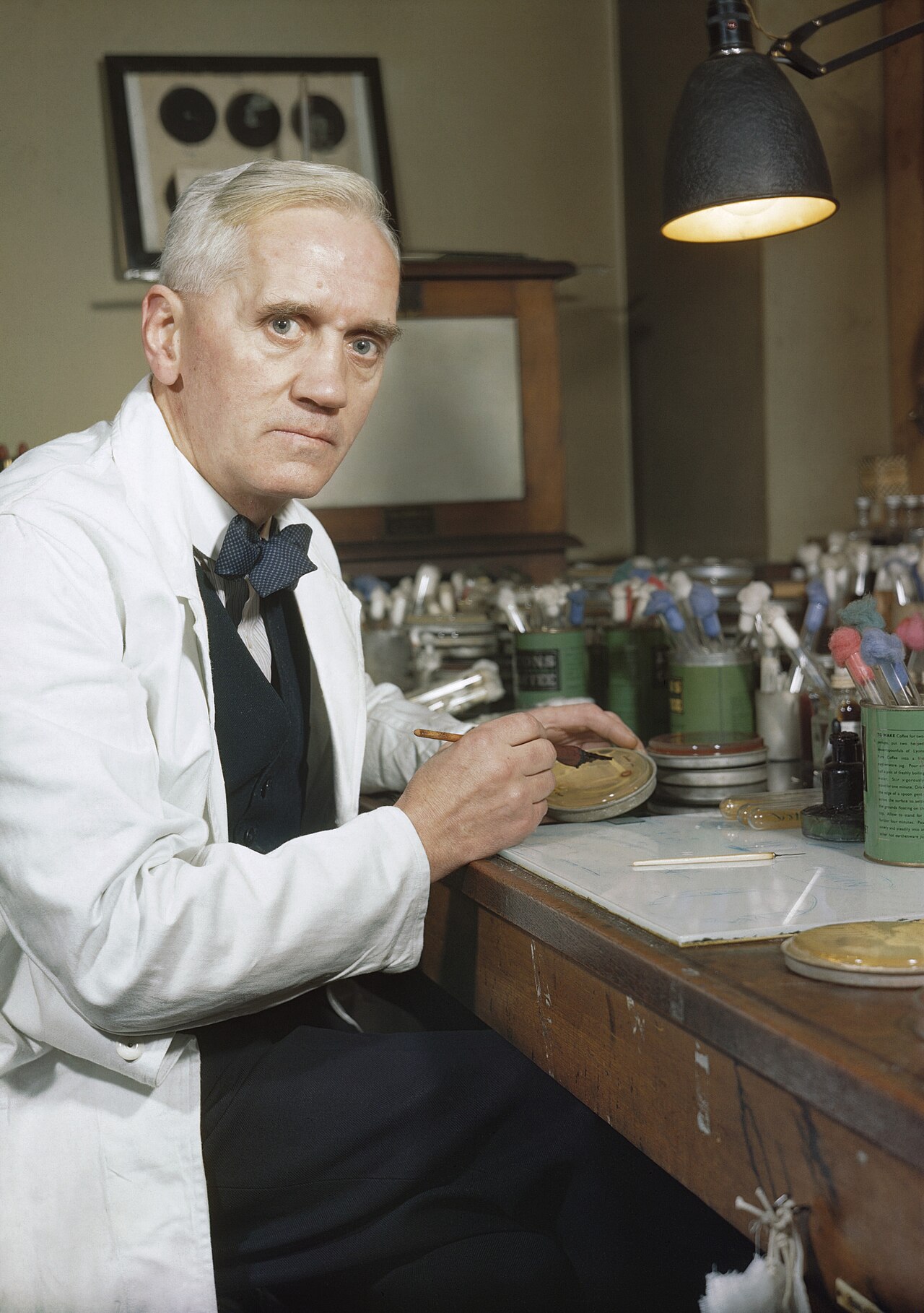
Fleming at Work in His Wartime Laboratory
Ministry of Information Photo Division Photographer · Second World War (c. 1943)
 Artifact
Primary source
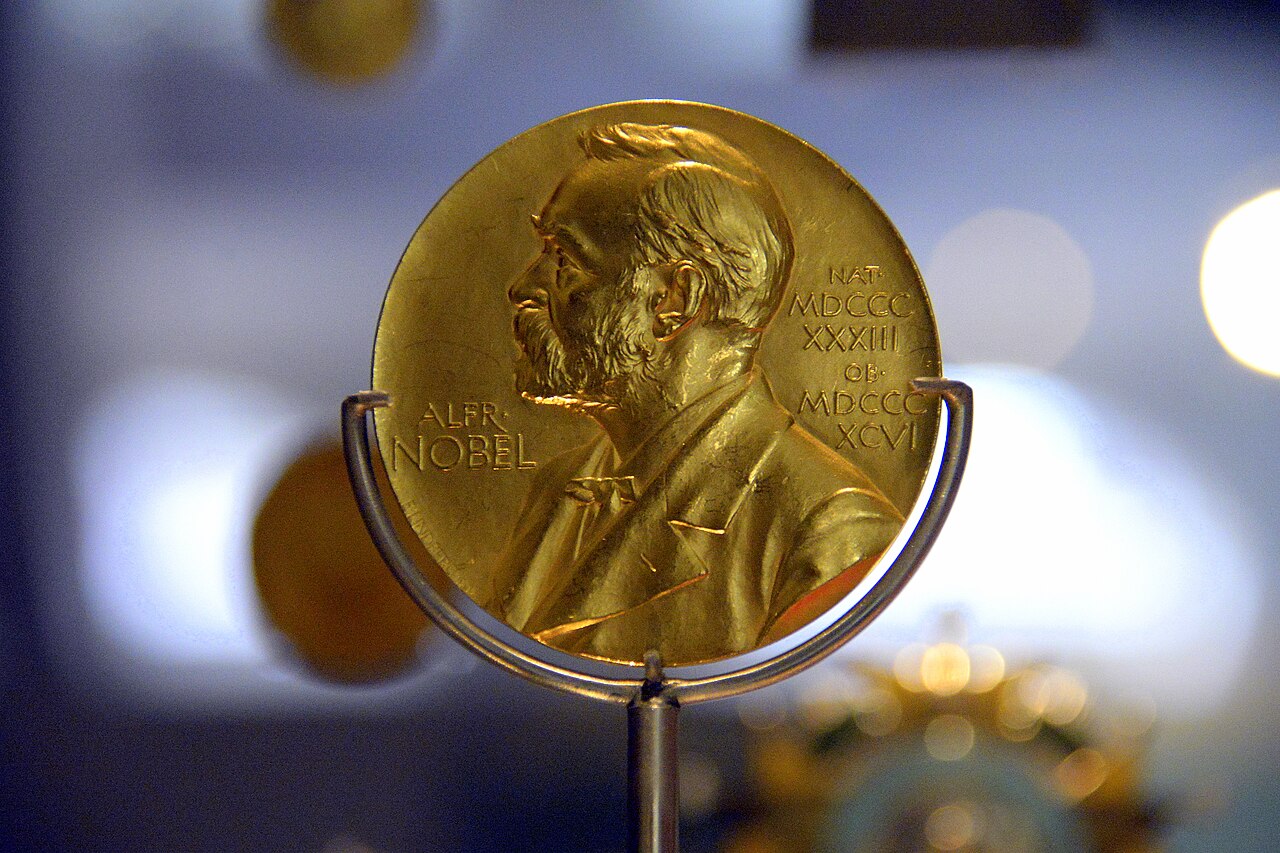
Fleming's Nobel Prize Medal for Medicine
1945
 Photograph
Primary source
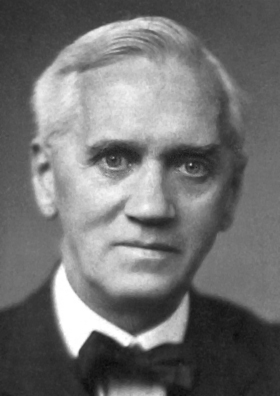
Official Nobel Portrait of Alexander Fleming
Nobel Foundation · 1945
Free account
Read every Alexander Fleming source
Sign up free →
Ready when you are
Start chatting with Alexander Fleming now.
20 messages free · No credit card · Available in 50+ languages.