


Primary sourceArtifactbetween 1209 and 1217
Penny of King John, London mint
between 1209 and 1217
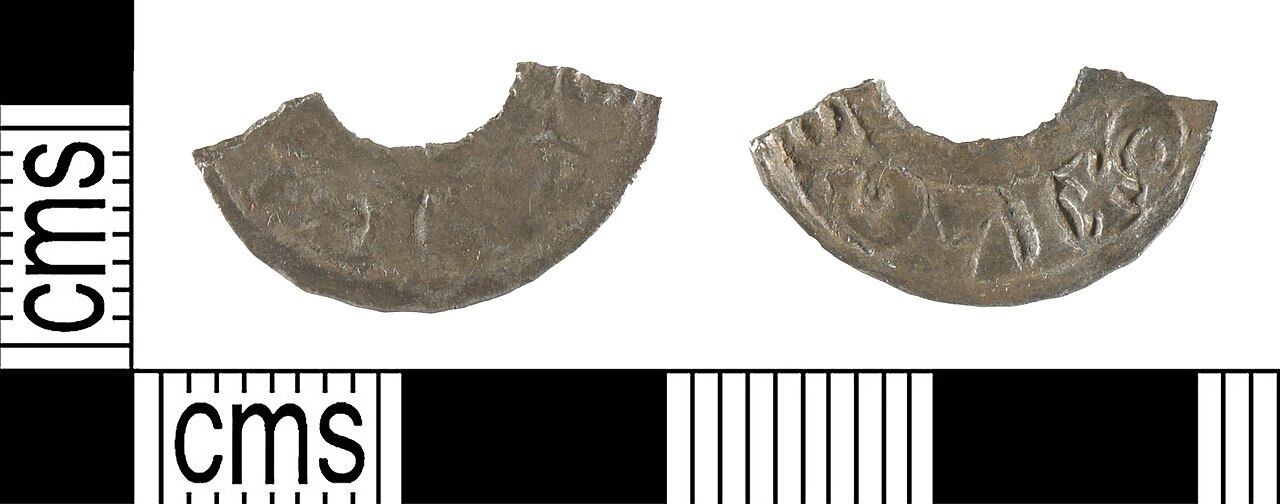
An incomplete silver penny from the London mint, from the reign of King John. Only about a third of the coin survives, and its moneyer was Ilger.
A London penny from King John's reign, the king who agreed Magna Carta in 1215, shown here as a damaged survivor of the royal coinage.
About this source
What it is
This is a fragment of a silver penny from the London mint, dating from the reign of King John. The record says roughly one third of the coin remains, and its central part with the bust and cross is missing. Two photographs show the curved, worn fragment with a short cross design and a scale bar. The coin is a short cross type, class 6a2, and its moneyer was Ilger.
Why it matters
Magna Carta was agreed in 1215 during John's reign, and coins from the London mint were the everyday money of his kingdom. A broken coin shows that money was valued and reused, sometimes cut or damaged, and that it moved through many hands. Such objects help students connect the king's government to the lives of people who handled his money.
Look closer
- Which parts of the coin survive, and which parts are missing?
- What might have happened to this coin to make it incomplete?
- What can a broken object tell us that a complete coin cannot?
This artifact is part of the curated material that grounds the AI version of Magna Carta on Humy.ai — when students ask about related events, the AI can quote it and cite it.
More Magna Carta sources
Meet the AI Magna Carta →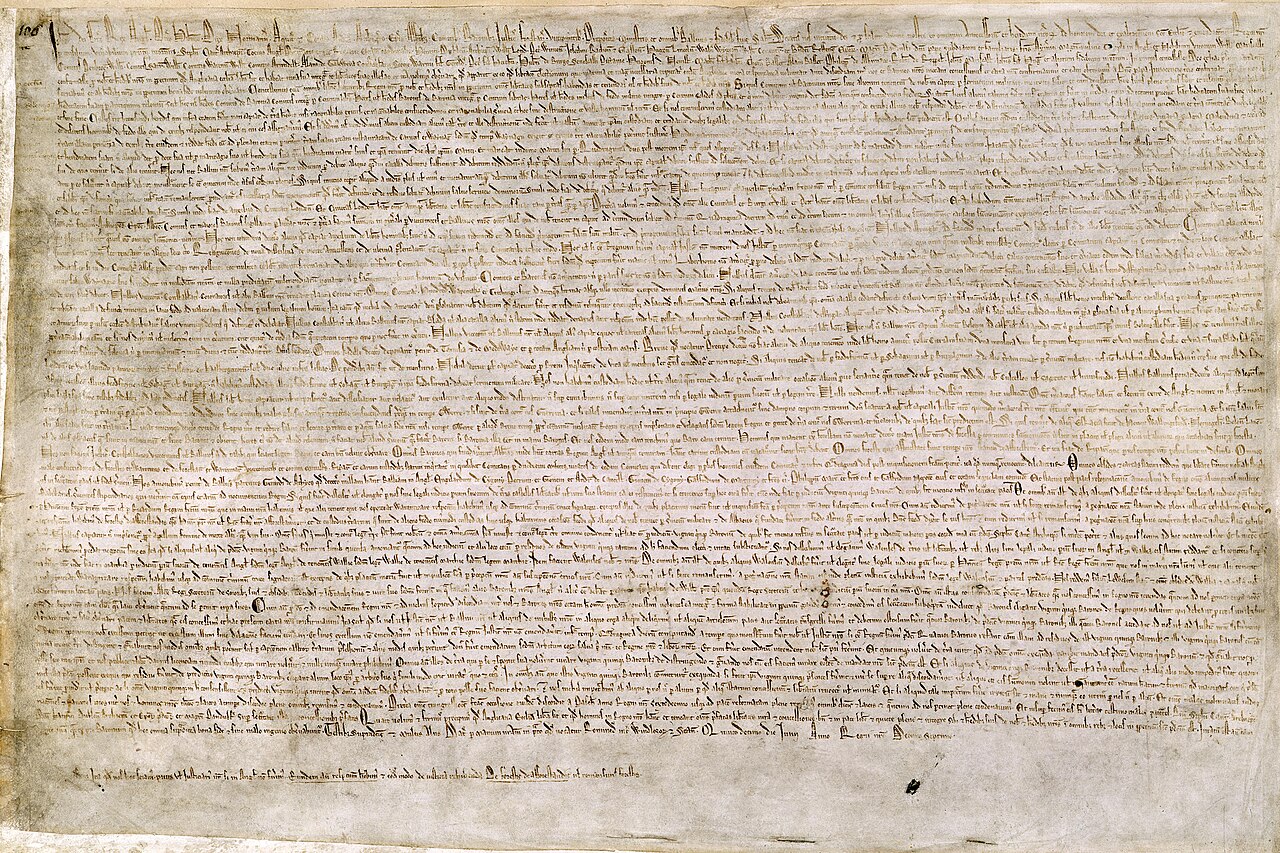 Document
Primary source
Magna Carta (1215 Exemplification)
1215
 Document
Primary source
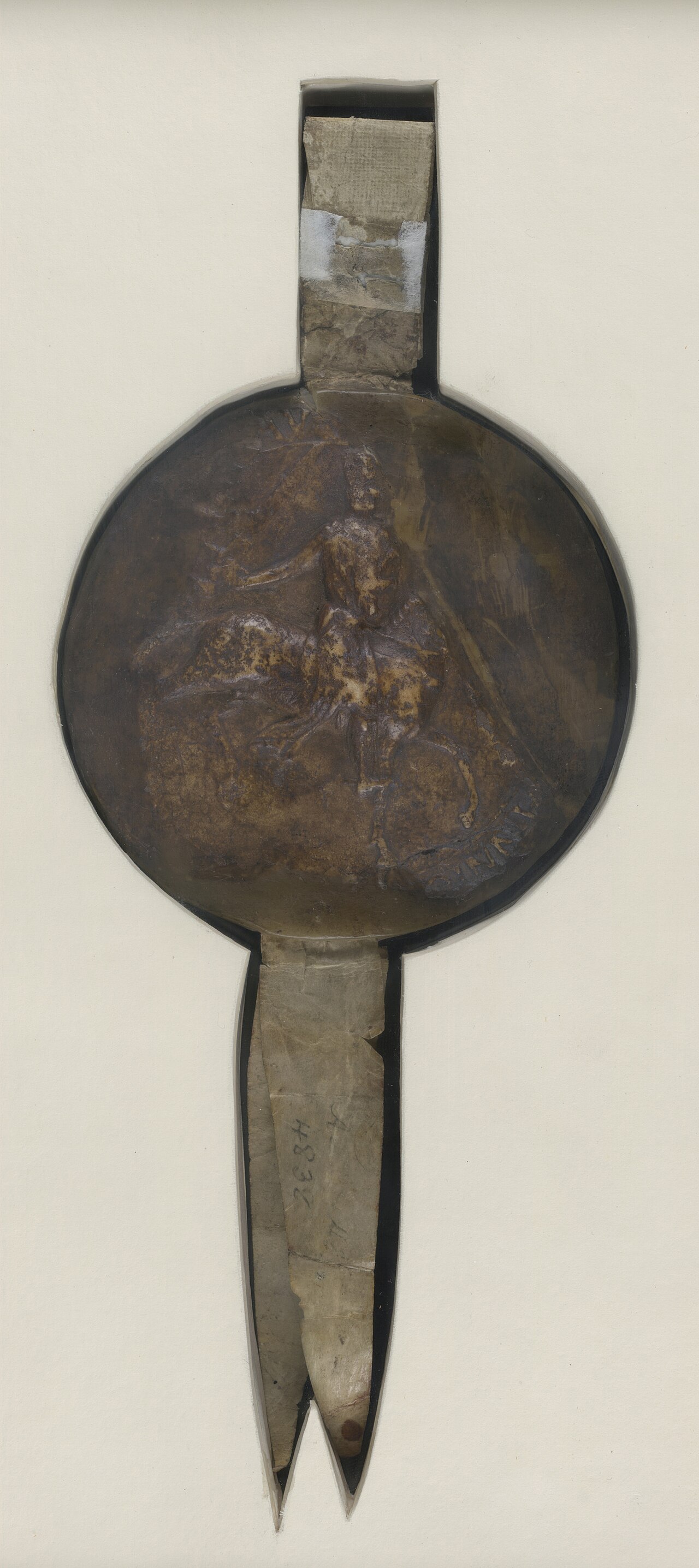
Articles of the Barons
1215
 Document
Primary source
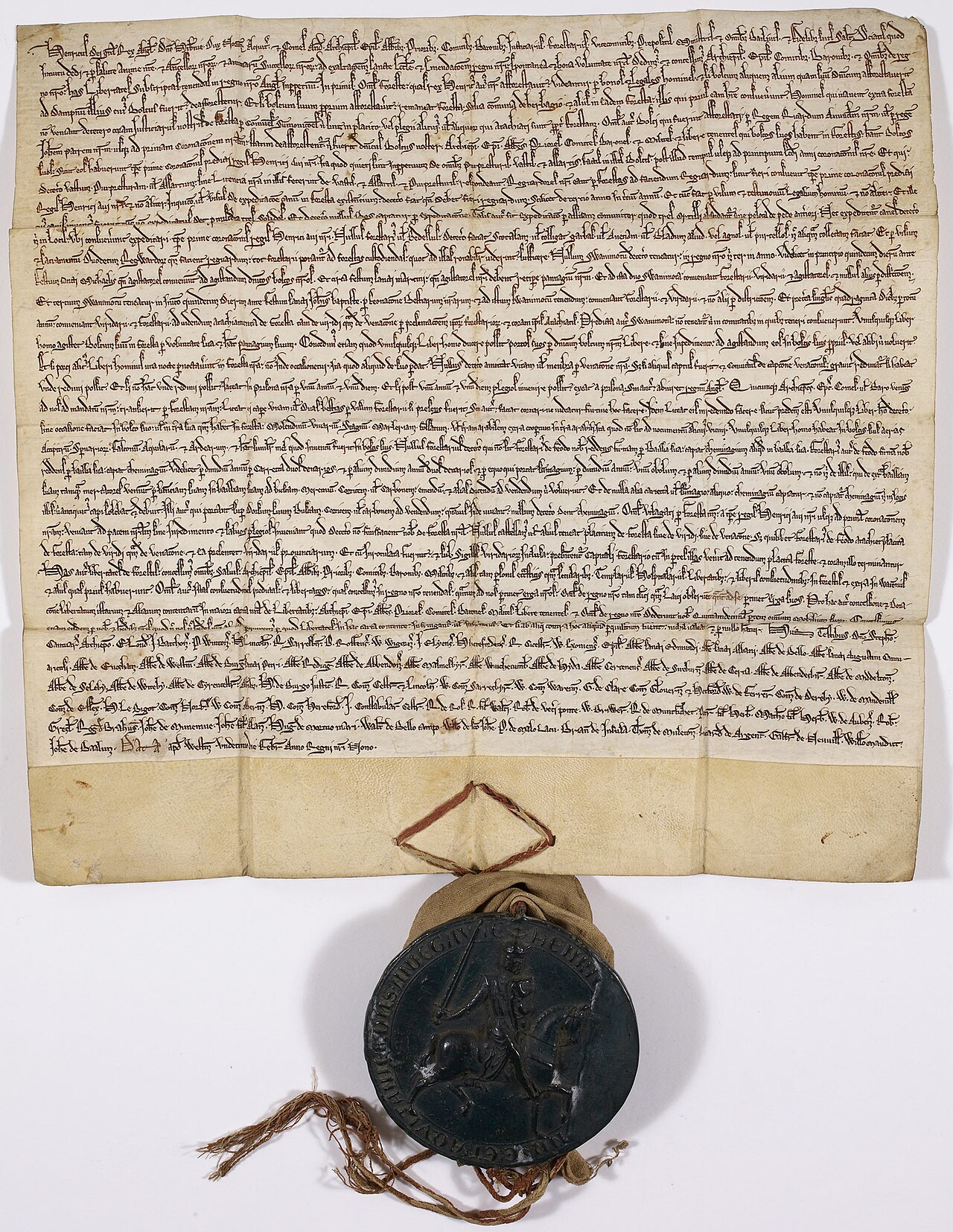
Charter of the Forest
1217
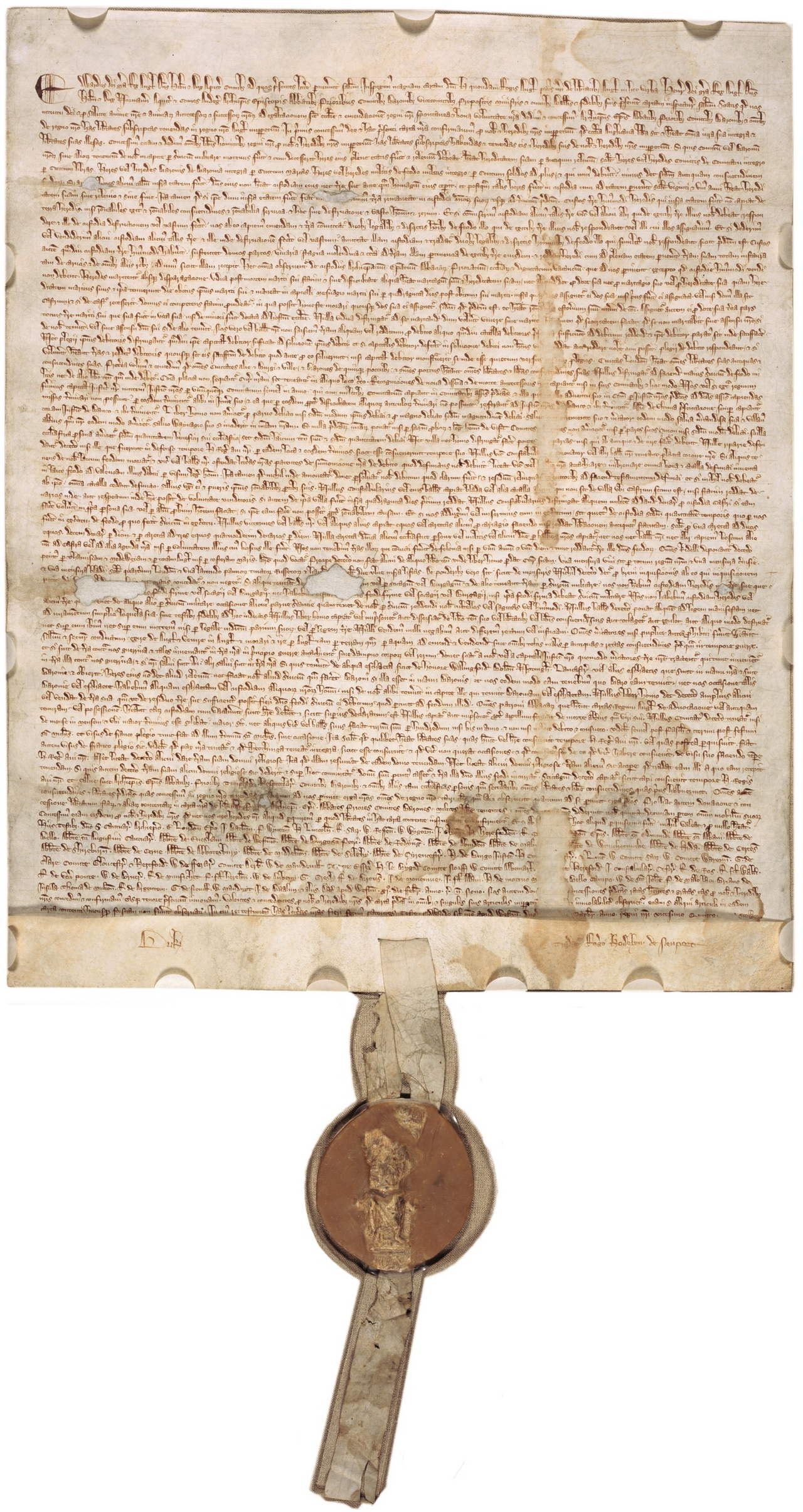 Document
Primary source
Magna Carta 1297 (National Archives, Washington)
Edward I of England · 1297
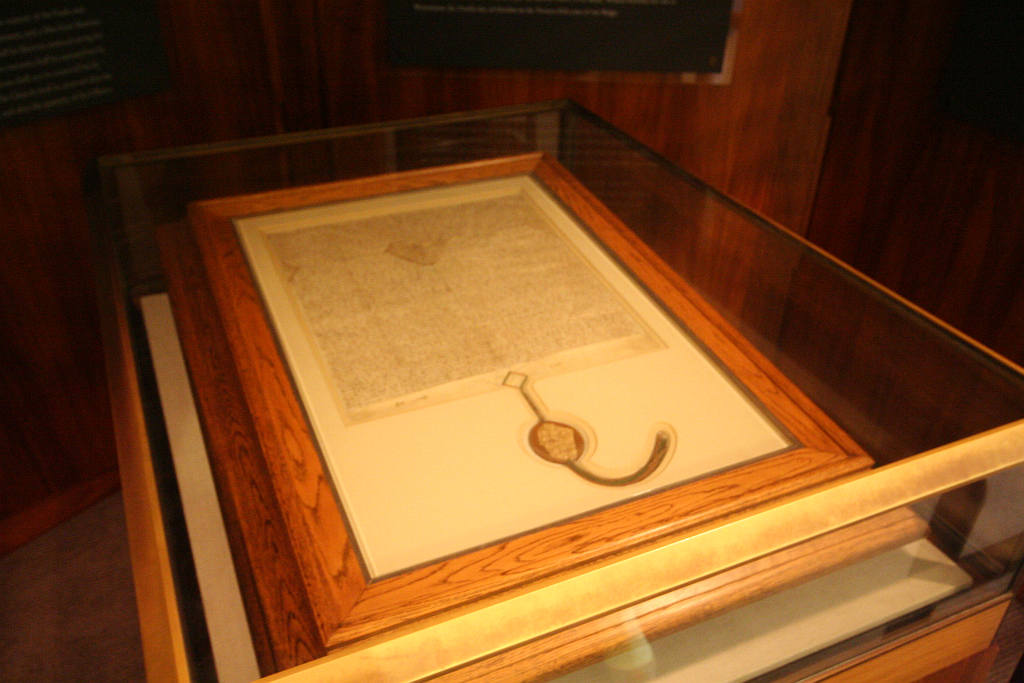 Document
Primary source
Magna Carta 1297 (Parliament House, Canberra)
Edward I of England · 1297
Ready when you are
Start chatting with Magna Carta now.
20 messages free · No credit card · Available in 50+ languages.