


Secondary sourceSculpture2009 (donated by Iran)
Persian Scholar Pavilion in Vienna International Centre
2009 (donated by Iran)
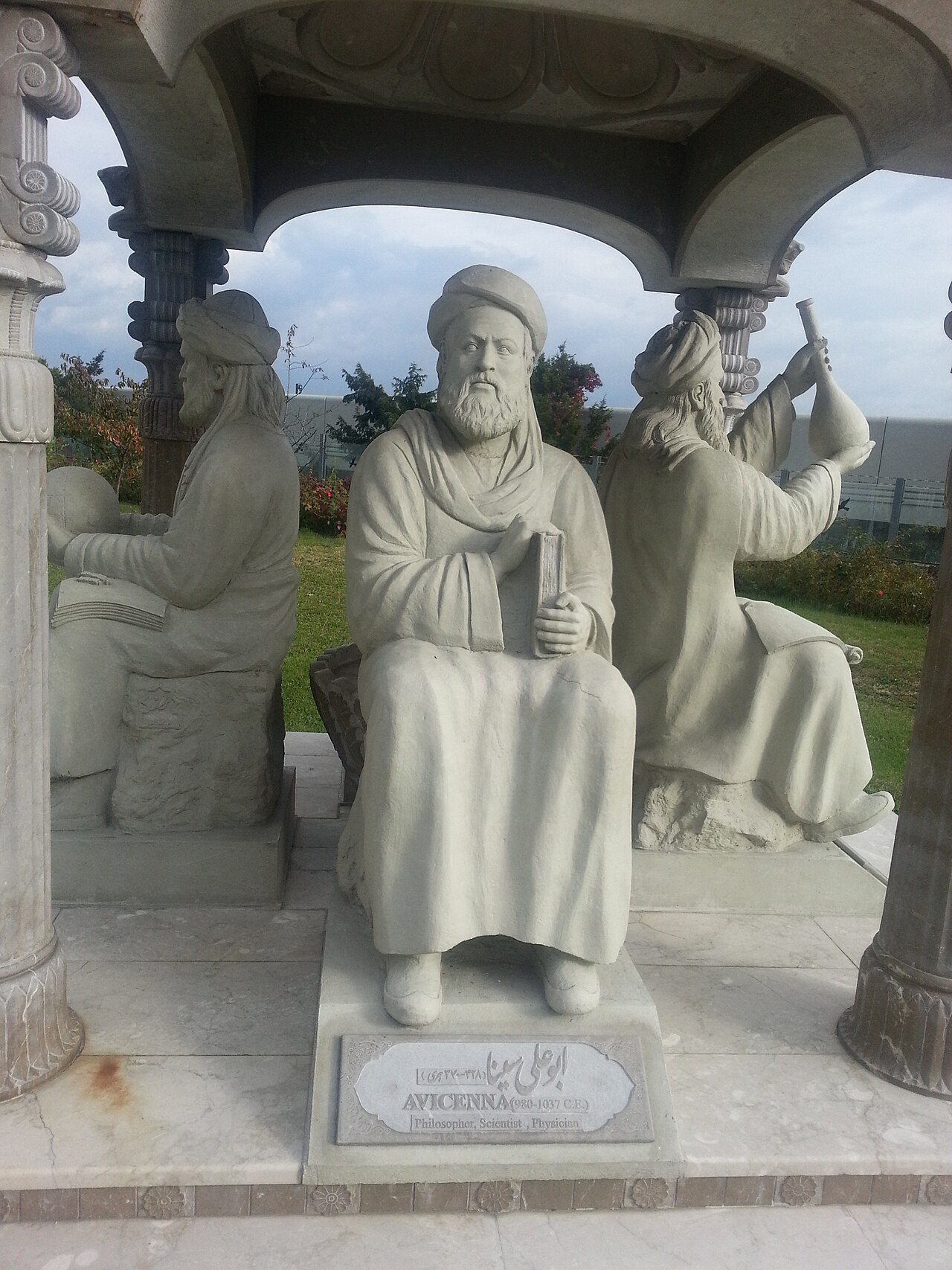
A stone pavilion in the Vienna International Centre, donated by Iran in 2009, with a seated statue of Avicenna holding a book. It is a modern memorial to the Persian scholar.
Shows how a modern state commemorates Avicenna, so students can compare later memorials with sources from his own lifetime.
About this source
What it is
This is a photograph of the Persian Scholar Pavilion at the Vienna International Centre. The pavilion was donated by Iran and commemorates Avicenna (980-1037), the Persian polymath, physician and philosopher. The photo shows a seated stone statue of a bearded man in a turban and robe, holding a book, under the pavilion, with other statues beside him. A plaque reads 'Avicenna (980-1037 C.E.), Philosopher, Scientist, Physician.' The photo was uploaded in 2013, and the donation is recorded as June 2009.
Why it matters
Memorials like this show how later generations choose to remember a historical figure. Avicenna wrote widely on medicine and philosophy, and his works were studied for centuries in the Islamic world and in Europe. This pavilion is not from his lifetime. It reflects how a modern government chose to honour him in an international setting.
Look closer
- What does the statue show about how Avicenna is meant to be seen, and which details of his clothing and the book stand out?
- Who chose to place this memorial in Vienna, and why might a country want to honour a scholar in an international centre?
- What does the plaque tell you, and what does it leave out about his work or his life?
This sculpture is part of the curated material that grounds the AI version of Avicenna on Humy.ai — when students ask about related events, the AI can quote it and cite it.
More Avicenna sources
Meet the AI Avicenna →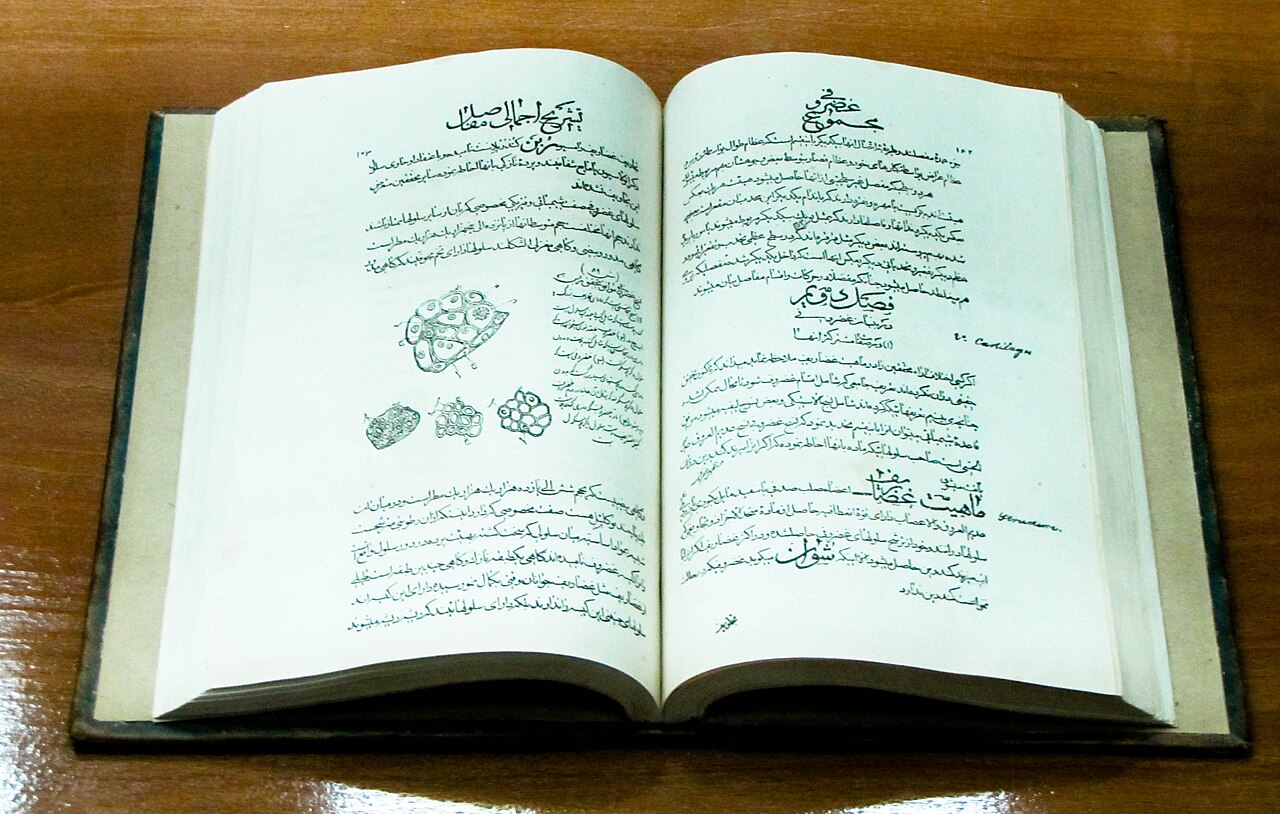 Book
Secondary source
Canon of Medicine
Avicenna · 1025
 Book
Primary source
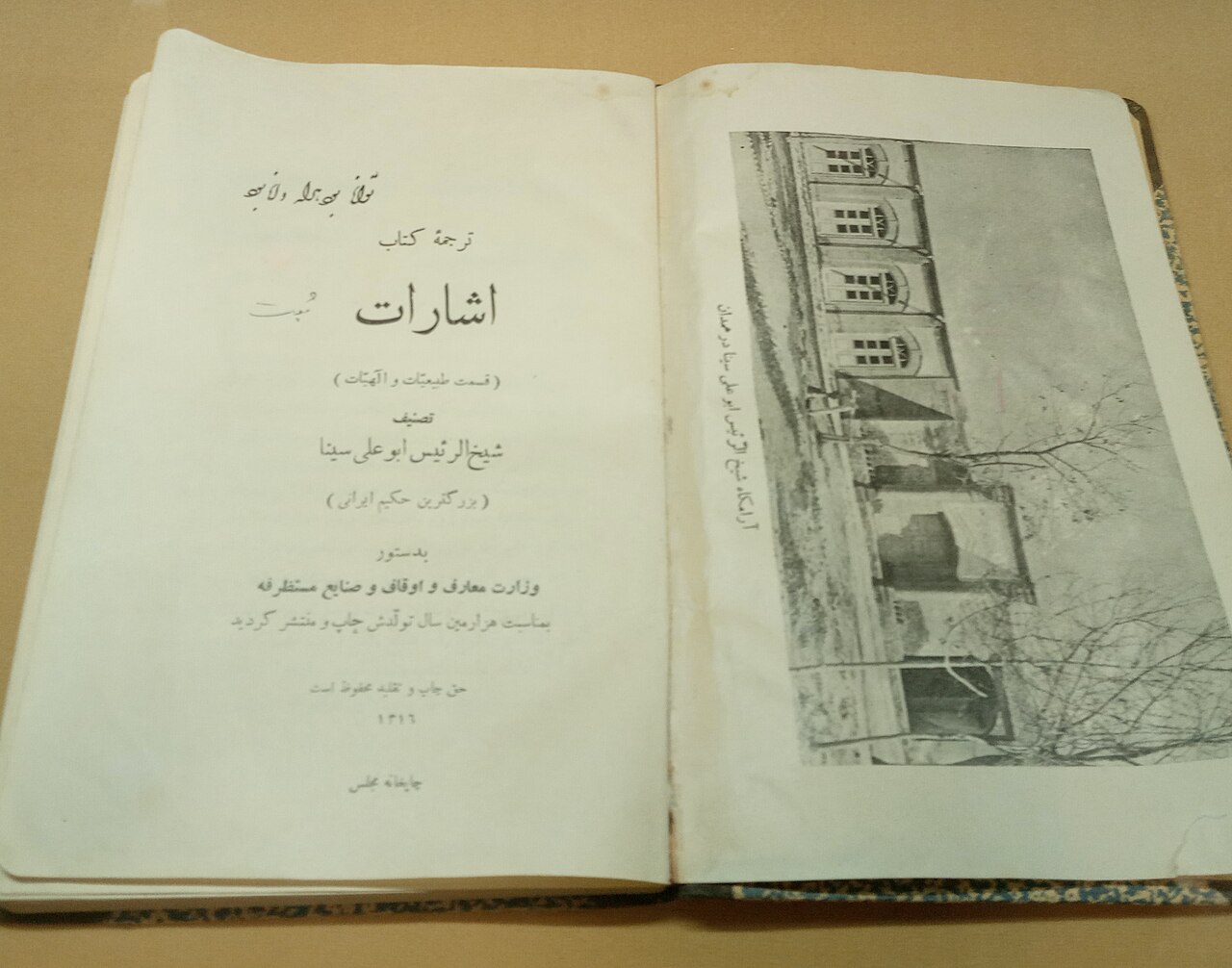
Al-Isharat wa al-Tanbihat
Avicenna
Secondary source
Commentary on Anatomy in Avicenna's Canon
Ibn al-Nafis · 13th century
 Painting
Secondary source
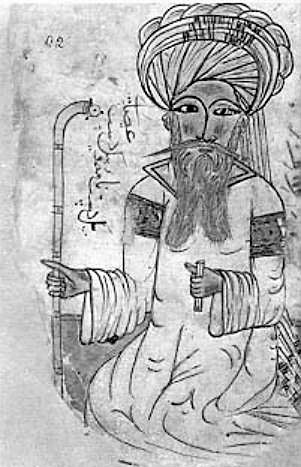
Avicenna (Subtilties of Truth manuscript image)
Beckwith · 1271
 Painting
Secondary source
Avicenna at the Sickbed
Walenty z Pilzna · c. 1479-1480
Ready when you are
Start chatting with Avicenna now.
20 messages free · No credit card · Available in 50+ languages.