


Secondary sourcePainting1700
Peter Paul Rubens
Paulus Pontius · 1700
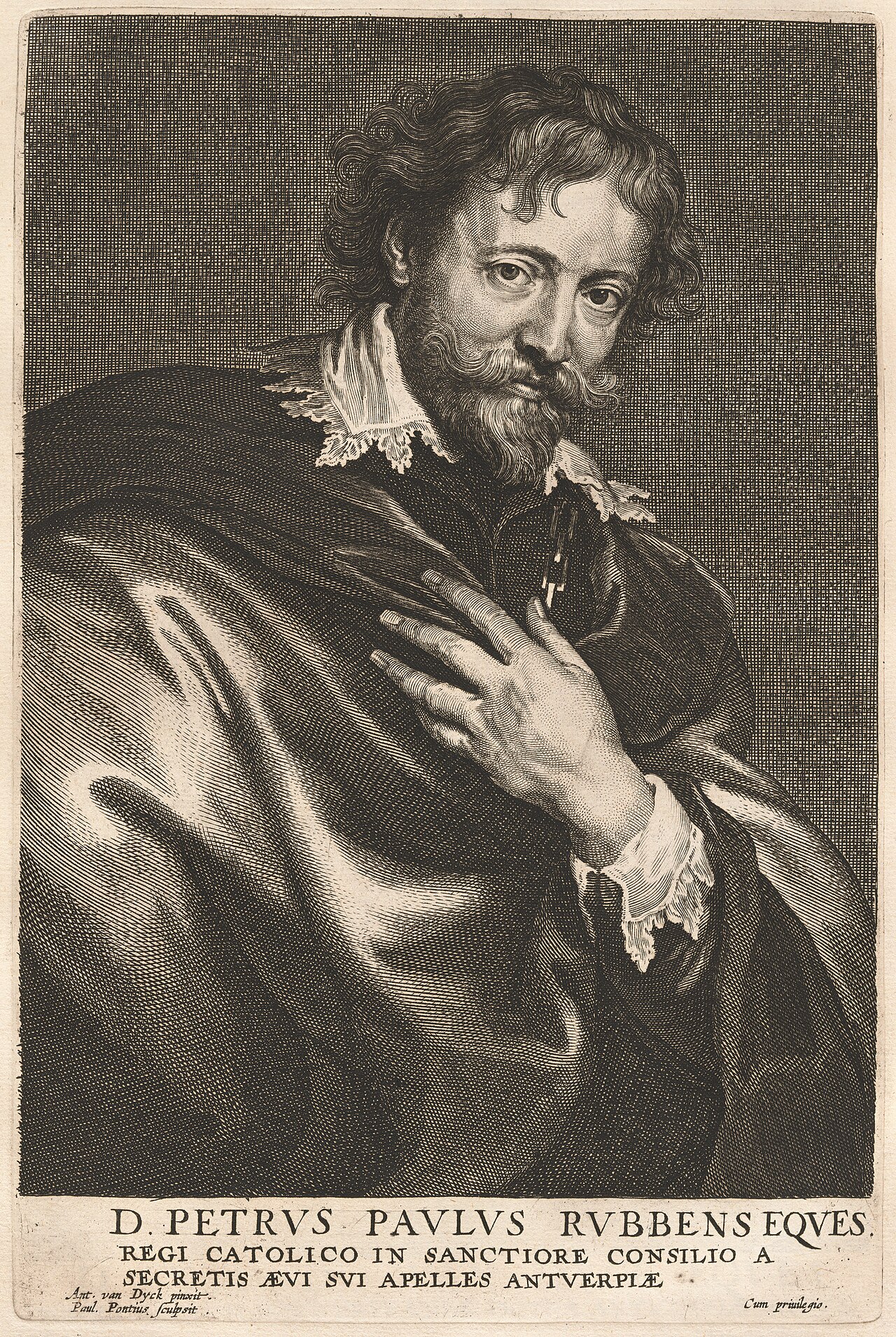
An engraved portrait of Rubens after Anthony van Dyck, part of a famous series depicting notable figures of the age.
An engraved portrait of Rubens made after van Dyck, part of a series memorializing him as a famous artist of his age.
About this source
What it is
This engraving was made by Paulus Pontius around 1700, based on a portrait by Anthony van Dyck. It shows Peter Paul Rubens with curly hair and a beard, wearing a dark cloak and lace collar, with a Latin inscription naming him and Antwerp below. Copies are held in several museums including the Staatsgalerie Stuttgart.
Why it matters
This print belongs to van Dyck's Iconography, a series of portraits of leading artists, scholars, and statesmen of the era. It became the standard image by which Rubens was known and remembered after his lifetime, showing how prints could spread an artist's image widely across Europe.
Look closer
- Why might an engraving, rather than a painting, have been chosen to spread an artist's image widely?
- What does Rubens's pose and clothing in the portrait suggest about how he wanted—or was shown—to be remembered?
- What does the inclusion of Rubens in a series of 'famous men' tell us about his reputation after his death?
This painting is part of the curated material that grounds the AI version of Peter Paul Rubens on Humy.ai — when students ask about related events, the AI can quote it and cite it.
More Peter Paul Rubens sources
Browse all 97 →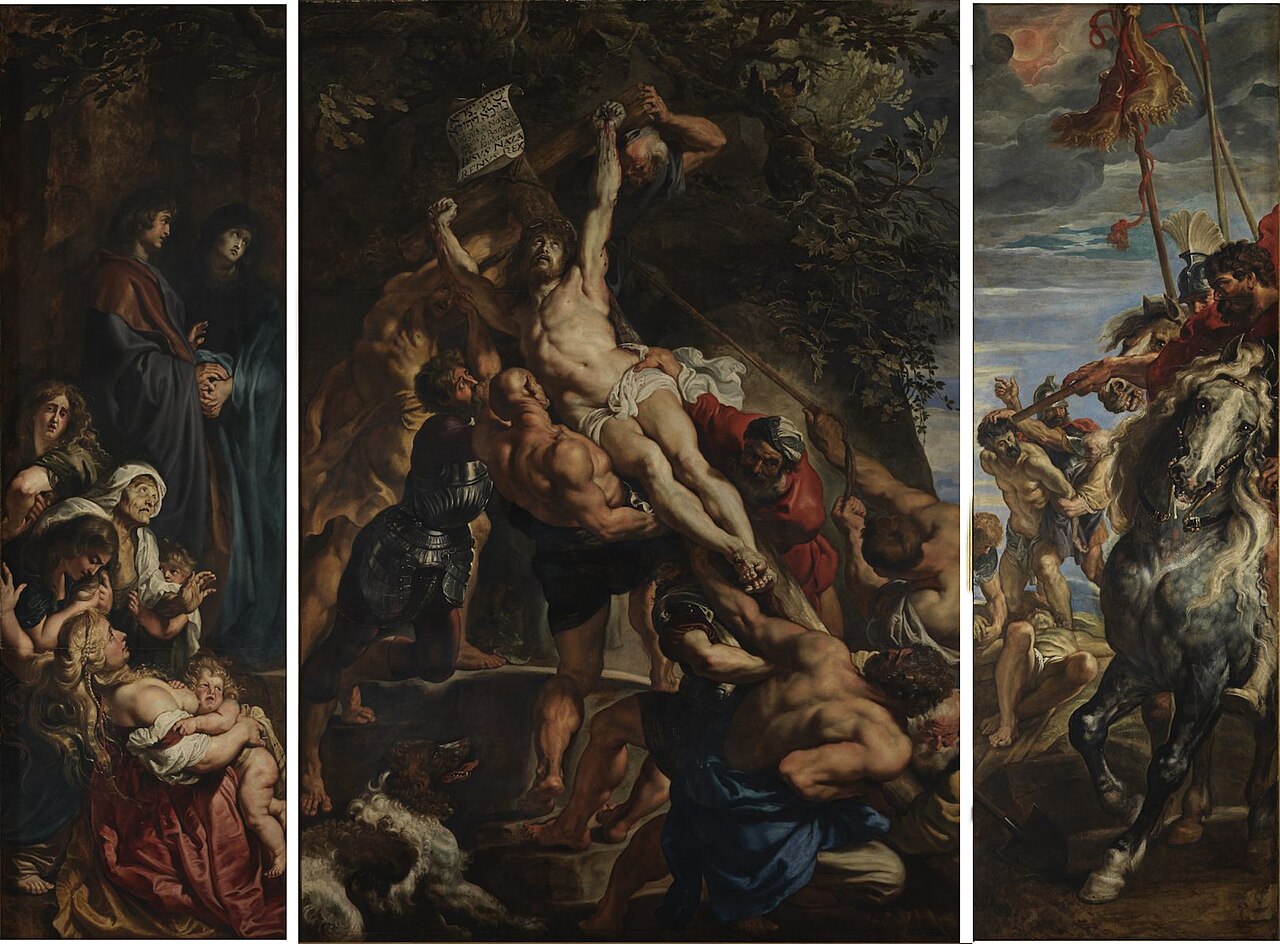 Painting
Primary source
The Elevation of the Cross
Peter Paul Rubens · 1610–1611
 Painting
Primary source
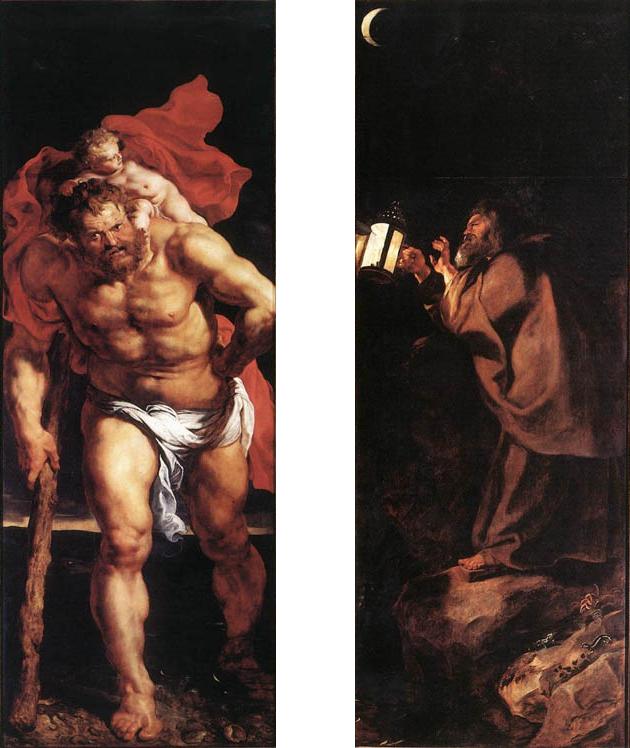
The Descent from the Cross
Peter Paul Rubens · 1611–1614
 Painting
Primary source
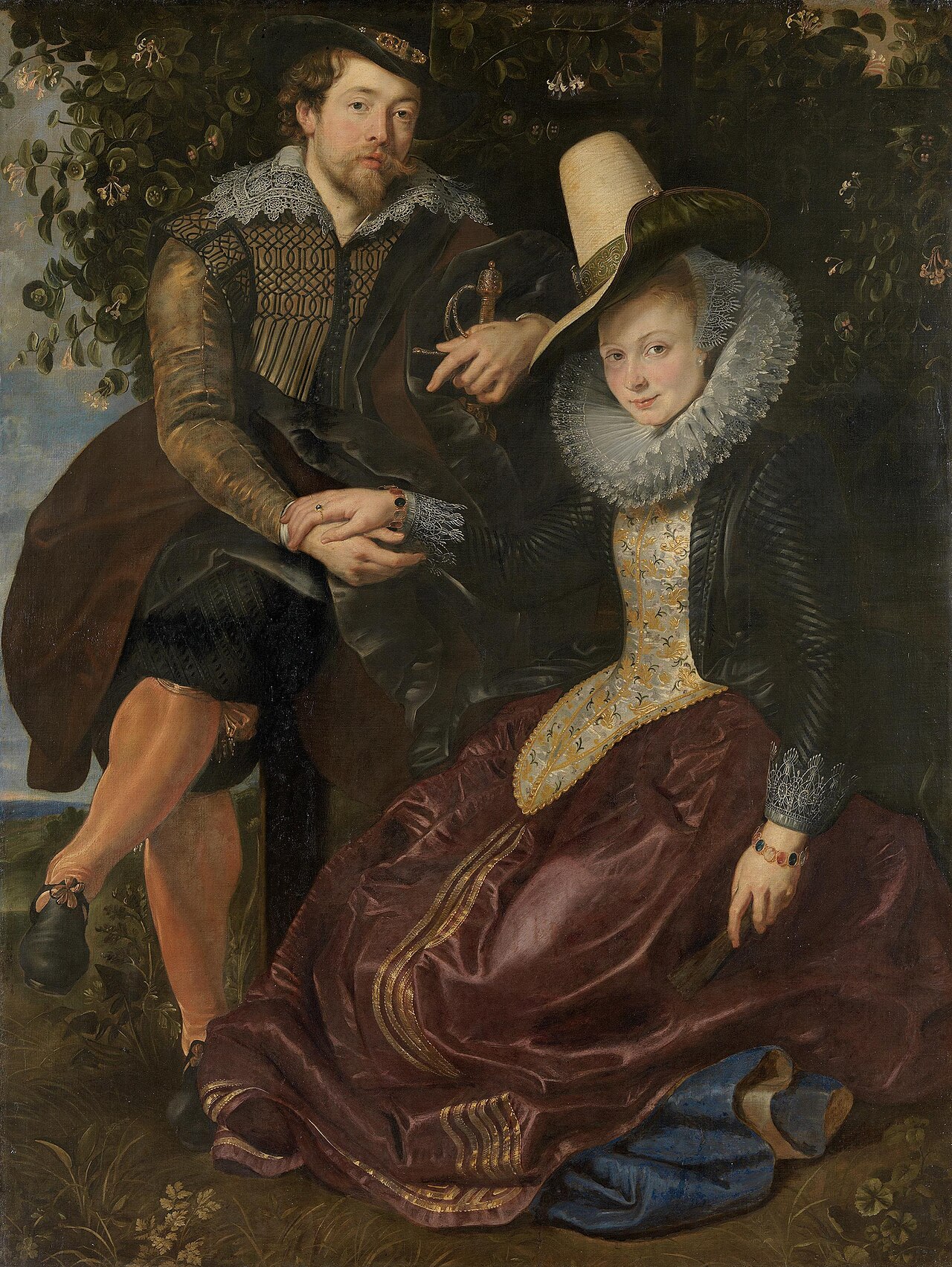
The Honeysuckle Bower
Peter Paul Rubens · c. 1609
 Painting
Primary source
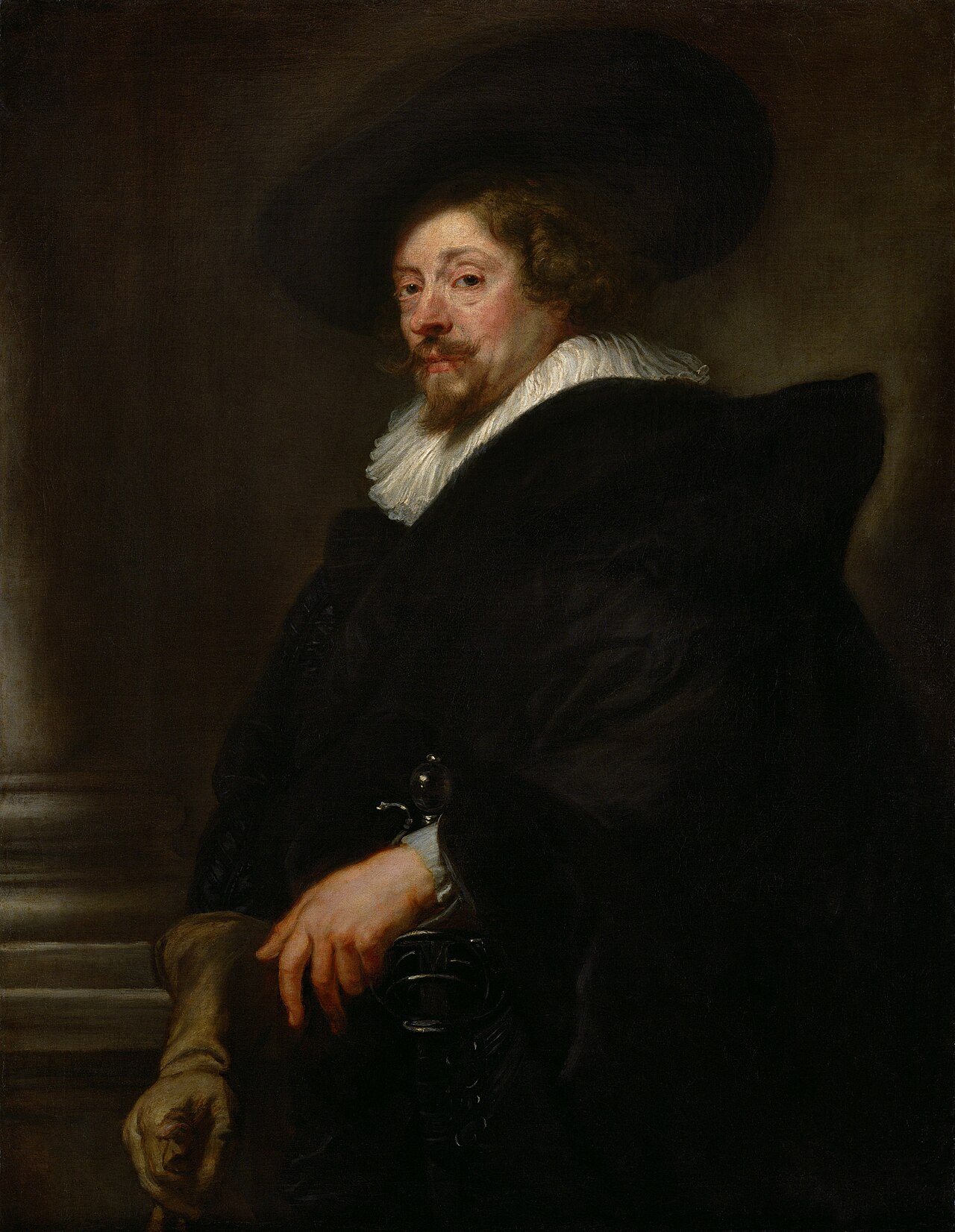
Self-Portrait
Peter Paul Rubens · 1638–1639
Free account
Read every Peter Paul Rubens source
Sign up free →
Ready when you are
Start chatting with Peter Paul Rubens now.
20 messages free · No credit card · Available in 50+ languages.