


Primary sourceArtifact1210
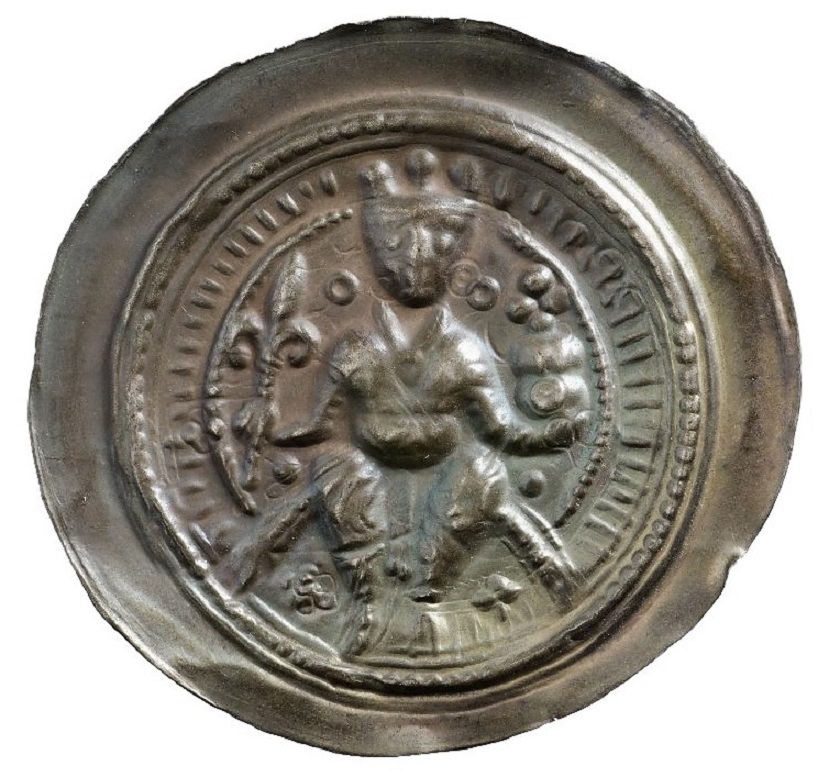
Pfennig of Kaiser Friedrich II, Altenburg mint
1210
A silver pfennig from the Altenburg mint, dated 1210 to 1220, bearing the emperor's name as described by the collection.
The pfennig is attributed to Frederick II by the collection, showing how his name and symbols appeared on coins from a regional mint.
About this source
What it is
This is a silver pfennig, a small coin, made at the Altenburg mint in Thuringia. The collection dates it to 1210 to 1220 and describes it as the Pleißener Land coinage. It measures about 34 mm across and weighs 0.72 g. The description says it shows a crowned figure seated on an arc, holding a constricted orb and a lily sceptre, with rings beside the head, balls beside the knees, and cross rosettes beside the feet. The record calls it a coin bearing the emperor's name, but the attribution is as described by the collection.
Why it matters
Coins from many local mints circulated under the name of an emperor, so people in distant regions saw his name and symbols in daily trade. The record's attribution to Frederick II is given by the collection and should be checked against other evidence. The coin shows how royal imagery reached local markets.
Look closer
- What symbols does the collection describe, and what might the orb and sceptre mean?
- Why might a local mint use a ruler's name and image on its coins?
- How sure can we be of the attribution, and what would confirm it?
This artifact is part of the curated material that grounds the AI version of Frederick II, Holy Roman Emperor on Humy.ai — when students ask about related events, the AI can quote it and cite it.
More Frederick II, Holy Roman Emperor sources
Browse all 87 →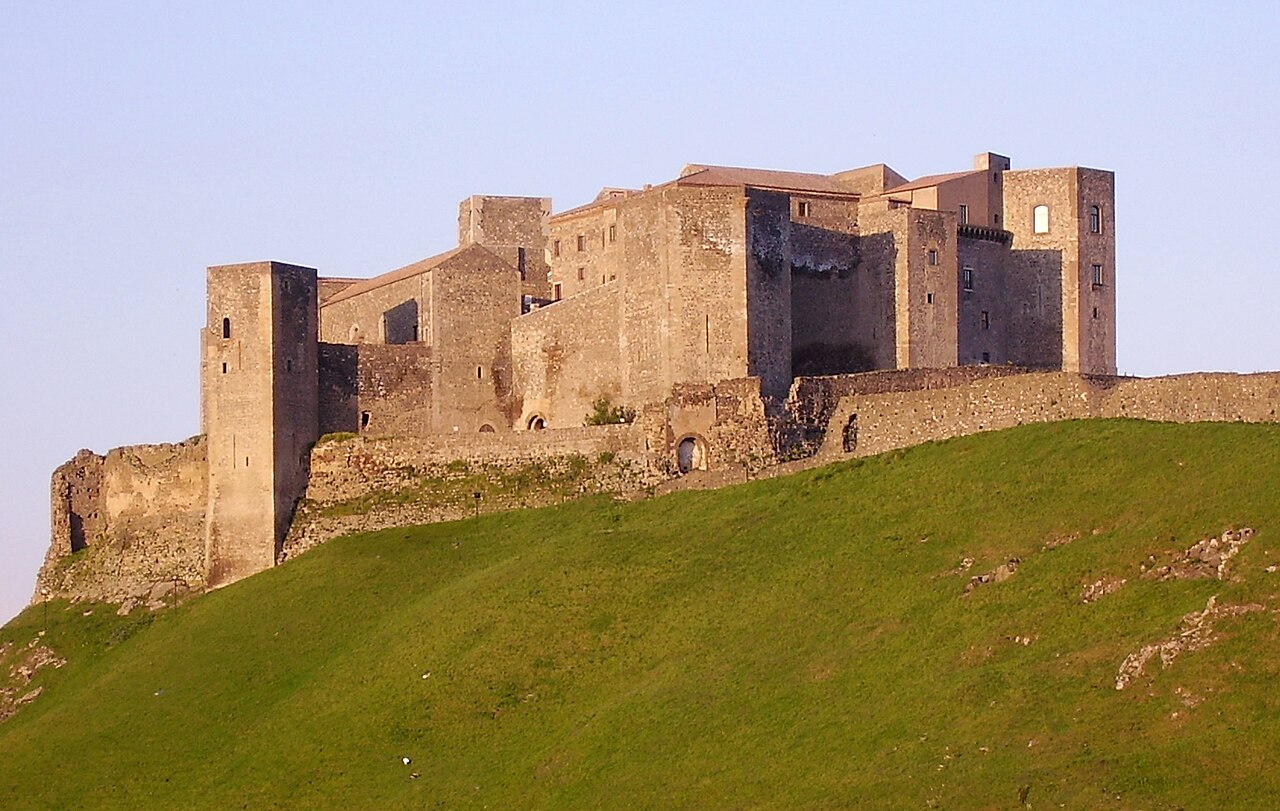 Document
Primary source
Constitutions of Melfi
Frederick II, Holy Roman Emperor · 1 September 1231
 Document
Primary source
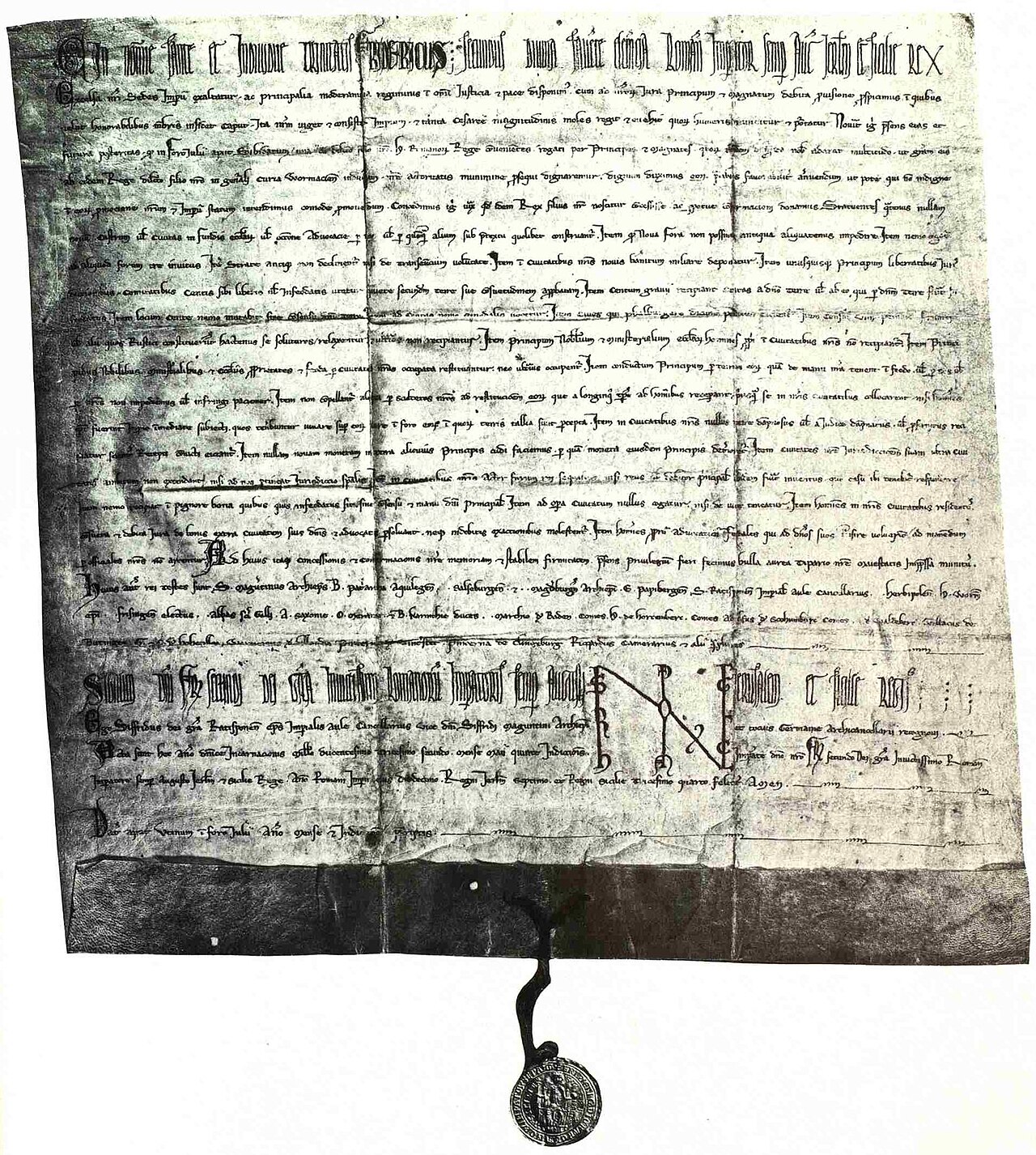
Statutum in favorem principum
Henry (VII) of Germany · 1231, confirmed 1232
 Document
Primary source
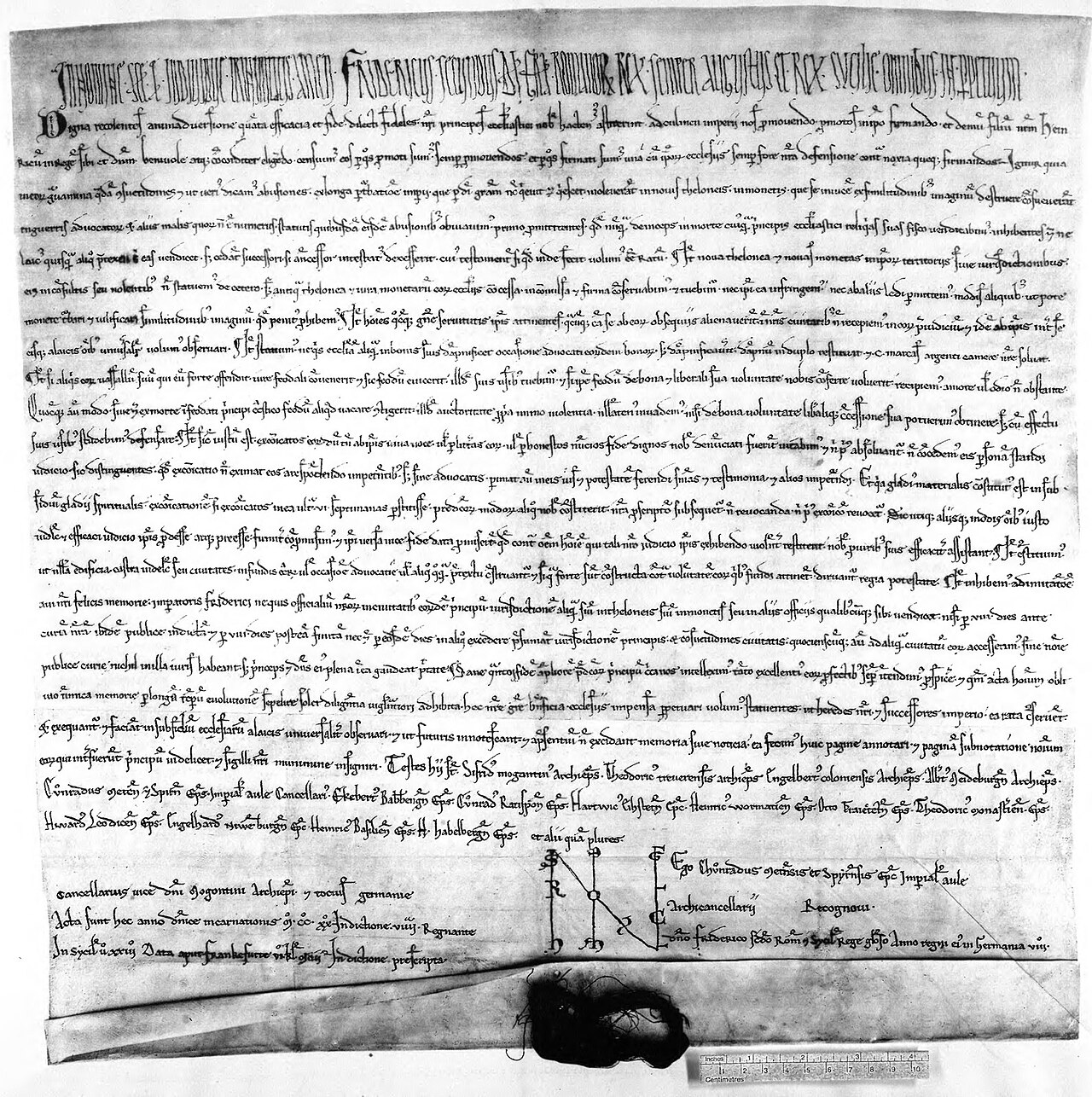
Confoederatio cum principibus ecclesiasticis
Frederick II, Holy Roman Emperor · 26 April 1220
 Artifact
Primary source
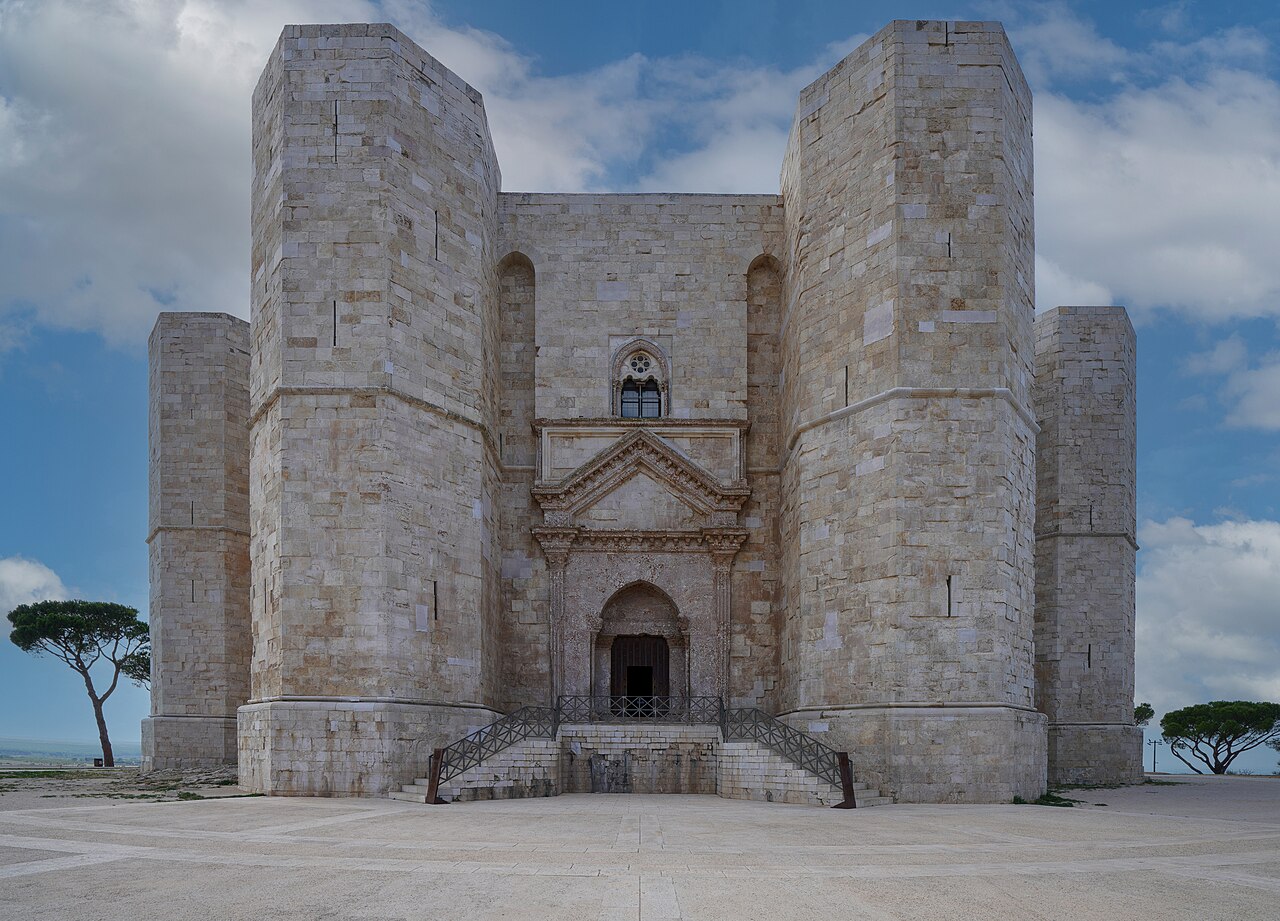
Castel del Monte
1240s
Free account
Read every Frederick II, Holy Roman Emperor source
Sign up free →
Ready when you are
Start chatting with Frederick II, Holy Roman Emperor now.
20 messages free · No credit card · Available in 50+ languages.