


Primary sourceBook1609
Phaenomenon singulare seu Mercurius in Sole
Johannes Kepler · 1609
Kepler's 1609 pamphlet describing what he thought was a transit of Mercury, actually a sunspot, observed using a camera obscura.
Kepler wrote this pamphlet describing his own solar observation, later recognized as a sunspot rather than Mercury.

About this source
What it is
This is a pamphlet written by Johannes Kepler in 1609, titled Phaenomenon singulare seu Mercurius in Sole. The surviving copy has a marbled paper cover with gold-lettered labels.
Why it matters
Kepler recorded an observation he believed was the planet Mercury crossing in front of the Sun, made using a camera obscura, a device that projects an image of the Sun onto a surface for safe viewing. It was later understood that what he saw was actually a sunspot. This pamphlet shows both Kepler's careful observational methods and the limits of the instruments and knowledge of his time.
Look closer
- What does this mistake tell us about how scientific understanding develops and corrects itself over time?
- Why was using a projected image, rather than looking directly at the Sun, an important method?
- How might Kepler have reacted if he had learned his observation was a sunspot rather than Mercury?
This book is part of the curated material that grounds the AI version of Johannes Kepler on Humy.ai — when students ask about related events, the AI can quote it and cite it.
More Johannes Kepler sources
Meet the AI Johannes Kepler →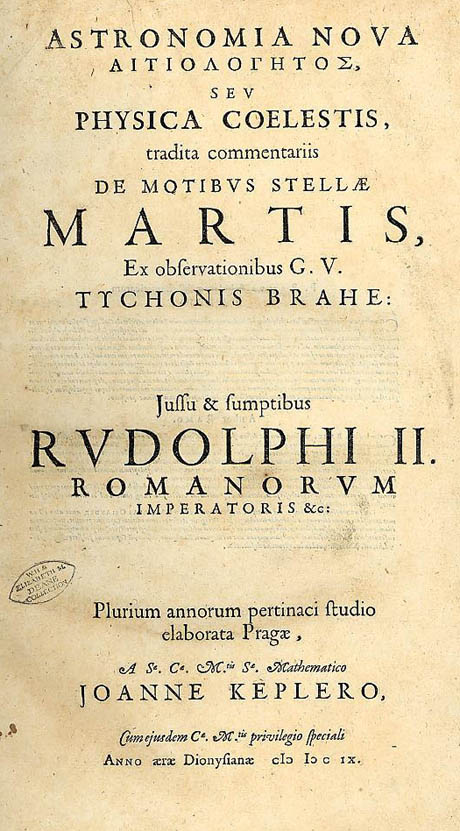 Book
Secondary source
Astronomia Nova
Johannes Kepler · 1609
 Book
Primary source
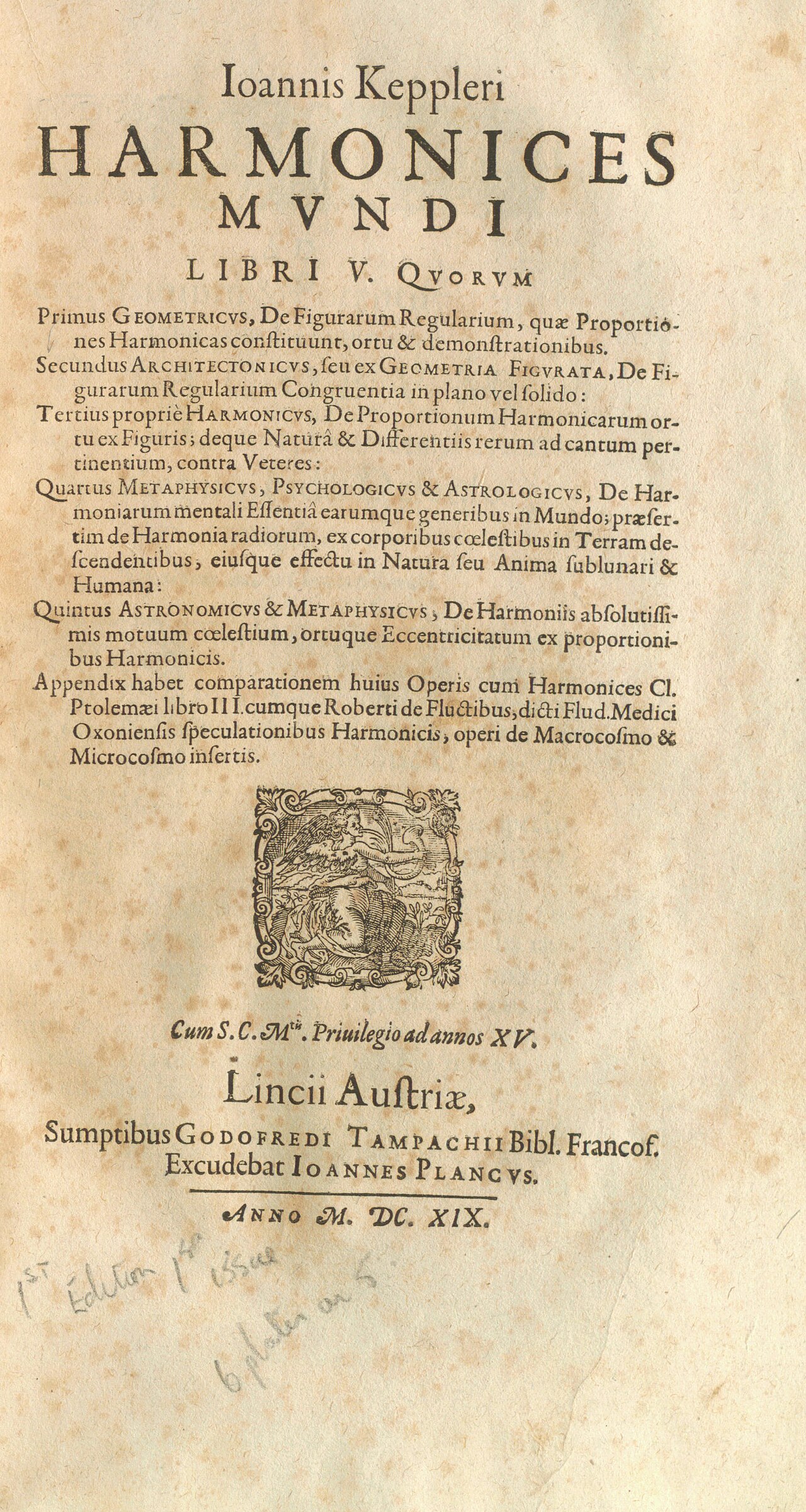
Harmonices Mundi
Johannes Kepler · 1619
 Book
Secondary source
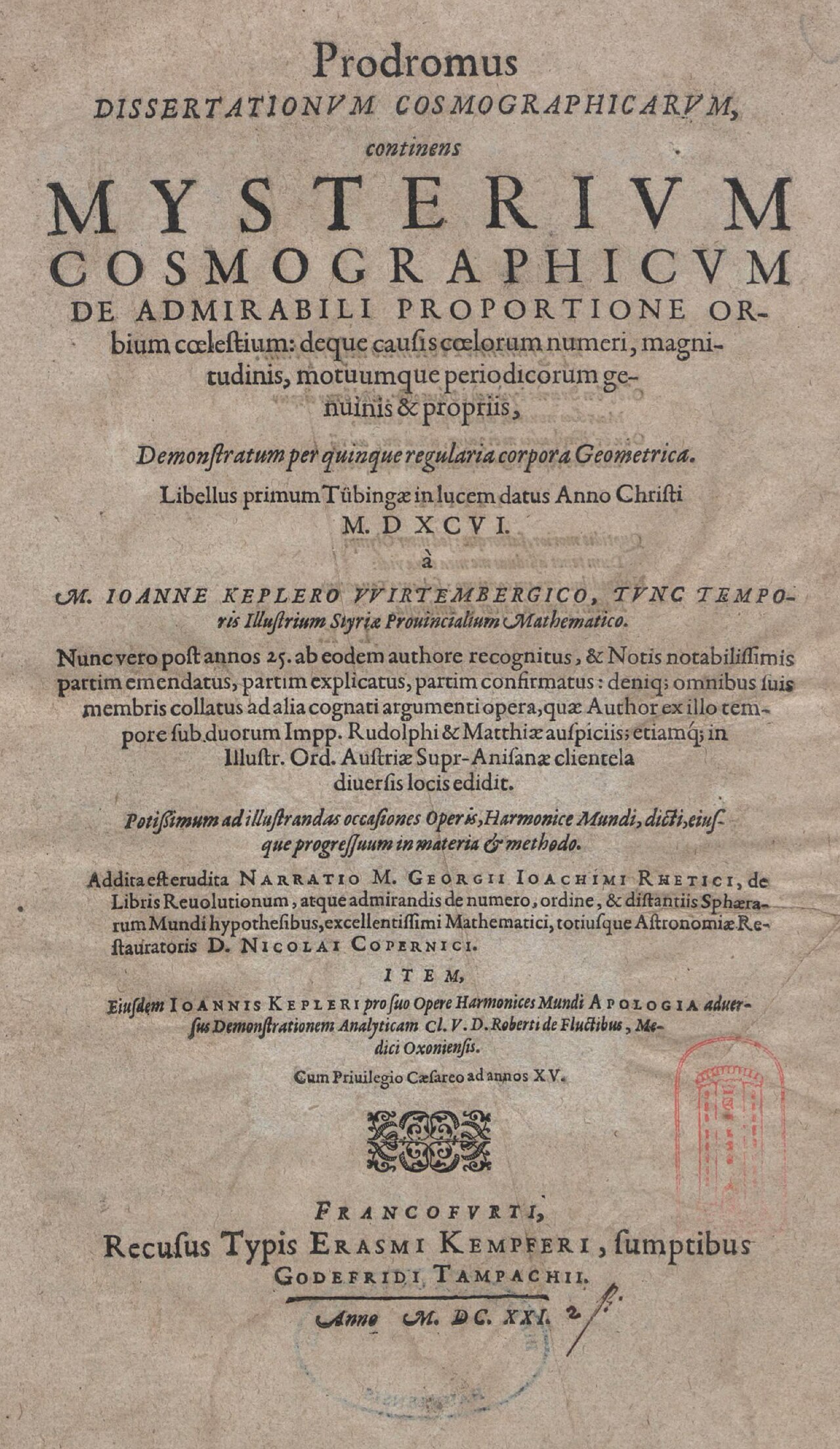
Mysterium Cosmographicum
Johannes Kepler · 1596 (2nd edition 1621)
Secondary source
The Martyrs of Science: Galileo, Tycho Brahe and Kepler
David Brewster
 Book
Secondary source
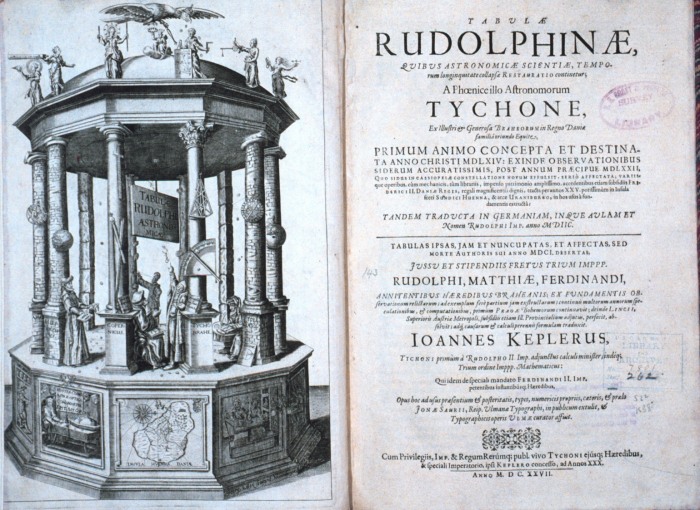
Rudolphine Tables
Johannes Kepler · 1627
Ready when you are
Start chatting with Johannes Kepler now.
20 messages free · No credit card · Available in 50+ languages.