


Secondary sourcePainting1832
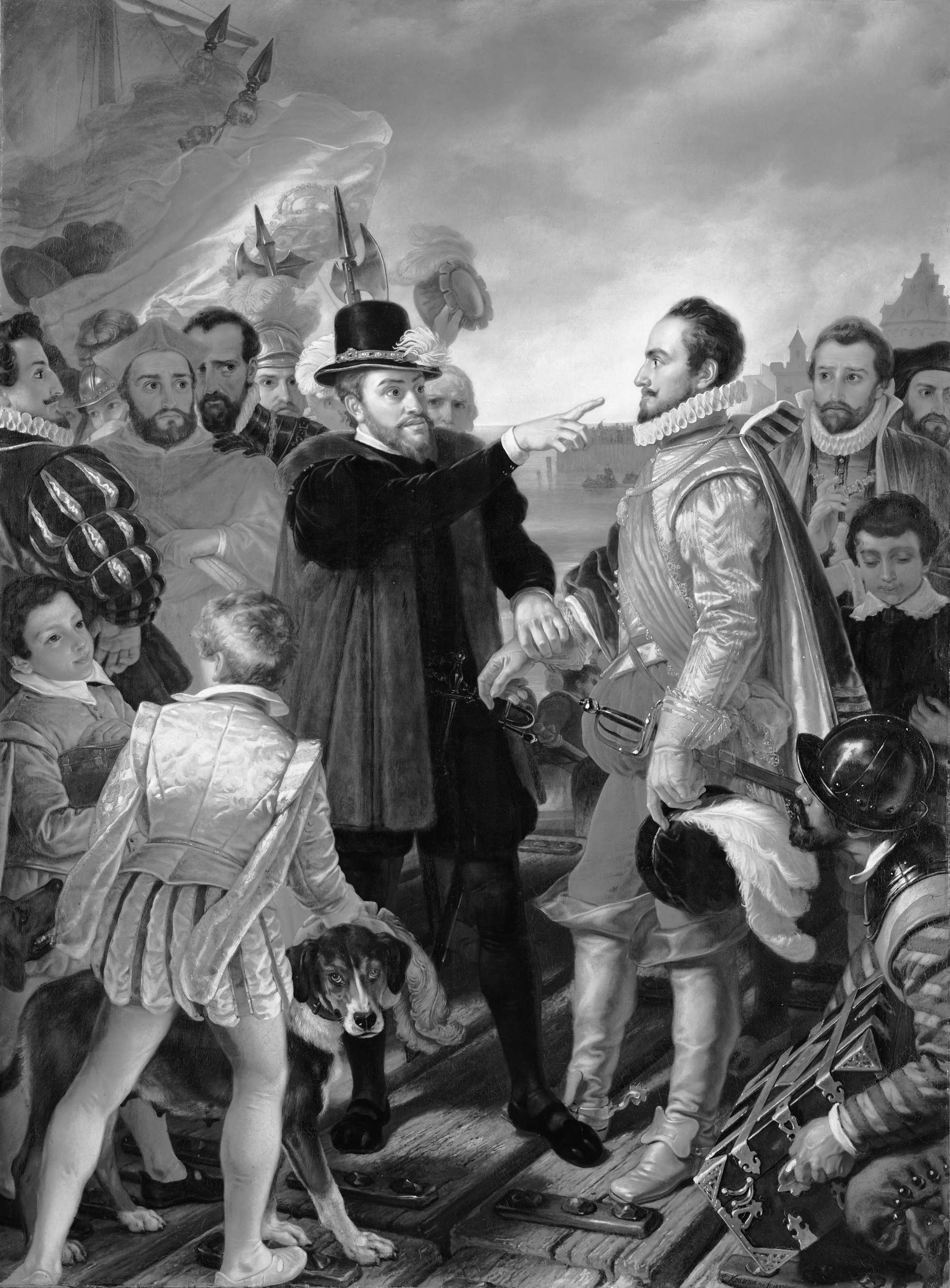
Philip II reproaches William of Orange at Vlissingen, 1559
1832
An 1832 history painting that shows King Philip II accusing William of Orange at Vlissingen in 1559 of leading the nobles' resistance. The scene was painted centuries after it happened.
It depicts William of Orange being accused by Philip II in 1559, showing how later artists imagined his role in the revolt.
About this source
What it is
This is a large 19th-century history painting held by the Rijksmuseum and dated 1832. It shows the 1559 meeting at Vlissingen, when William was leaving the Netherlands. A man in a black velvet cloak and tall hat points accusingly at William, who stands beside a sword and a plumed hat. Onlookers, two dogs and young boys crowd a wooden quay, with a ship's sail and a town behind them. The image here is a black and white reproduction of the painting, not the painting itself.
Why it matters
The painting shows the accusation that William was personally leading the resistance of the nobles against Philip II. Because it was painted in 1832, it reflects how the early 19th century understood this confrontation and the struggle that followed. It is a reconstruction, so it tells us about later interpretations as much as about the 1559 event.
Look closer
- Who is shown as the powerful figure, and how do the poses and gestures suggest who is in control?
- Why might a painter in 1832 choose to depict this moment as a dramatic confrontation?
- What might a painting like this leave out about the reasons behind the accusation?
This painting is part of the curated material that grounds the AI version of William the Silent on Humy.ai — when students ask about related events, the AI can quote it and cite it.
More William the Silent sources
Browse all 93 →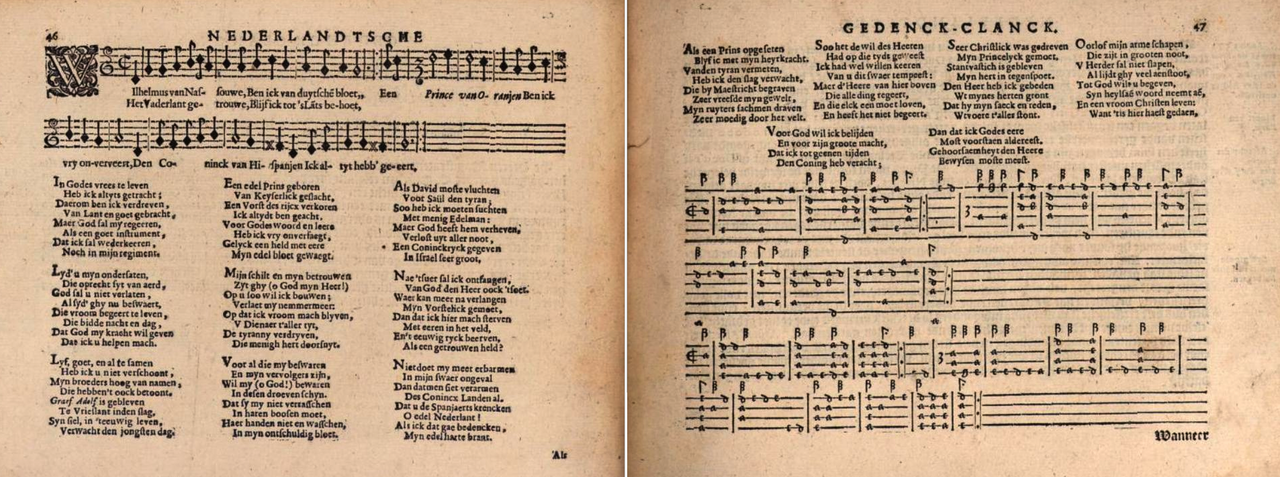 Document
Secondary source
Wilhelmus
Adrianus Valerius · 1572 (text); printed with music 1626
 Document
Primary source
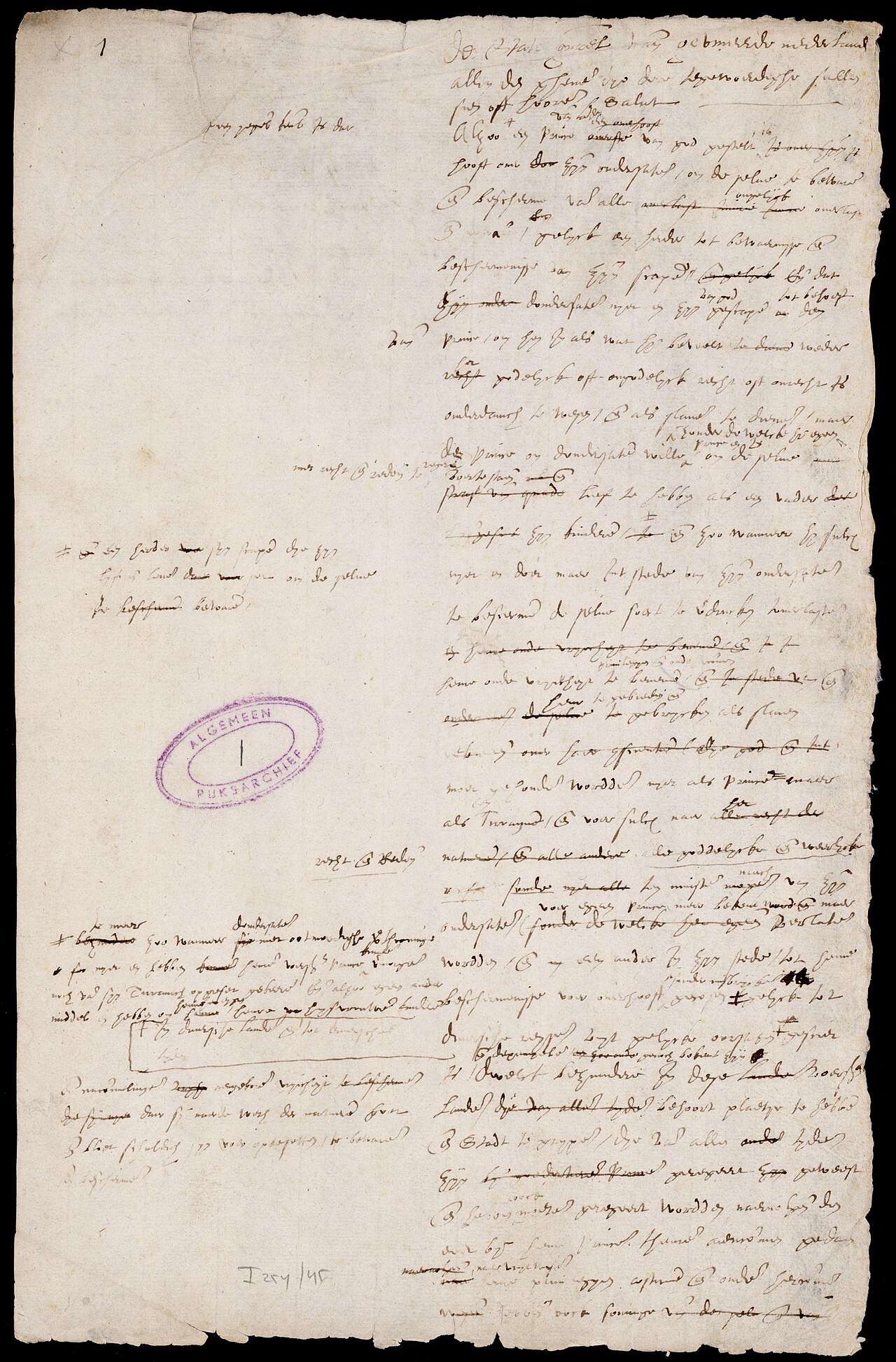
Act of Abjuration
Jan van Asseliers · 26 July 1581
 Artifact
Primary source
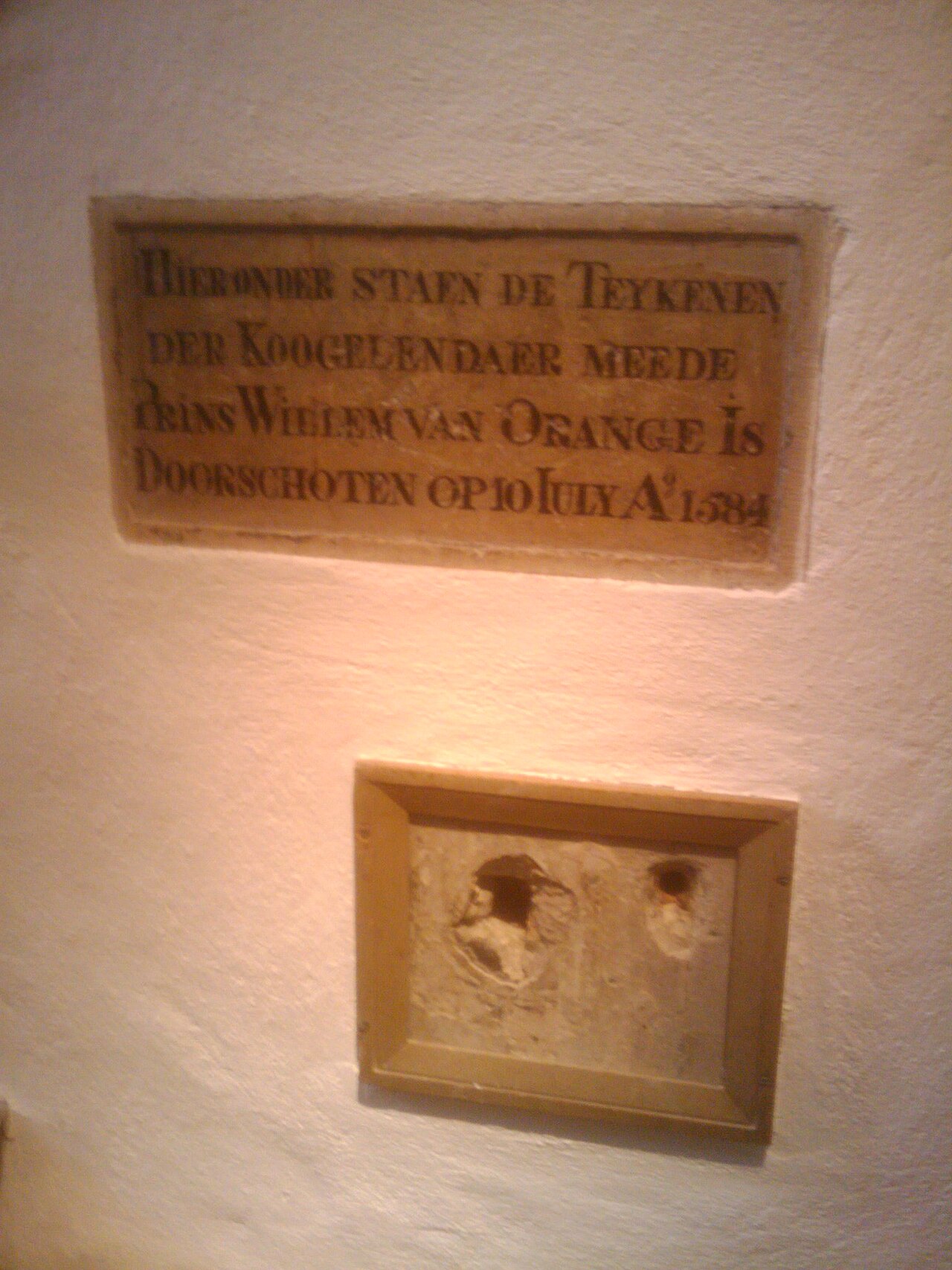
Prinsenhof, Delft
15th century (building); residence 1572–1584
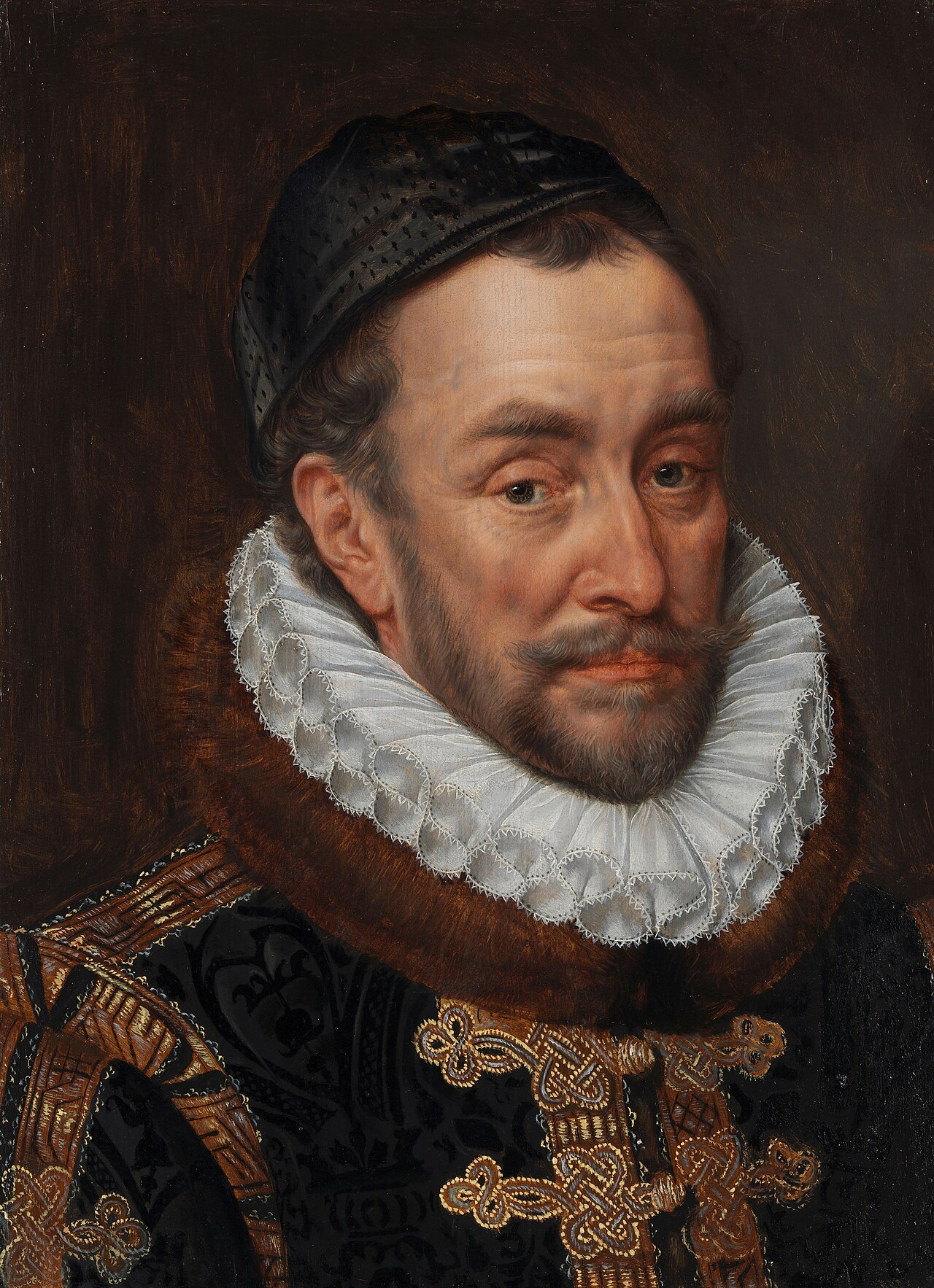 Painting
Primary source
William I, Prince of Orange
Adriaen Thomasz. Key · 1579
Free account
Read every William the Silent source
Sign up free →
Ready when you are
Start chatting with William the Silent now.
20 messages free · No credit card · Available in 50+ languages.