


Secondary sourcePainting1627
Philip III
Diego Velázquez · 1627
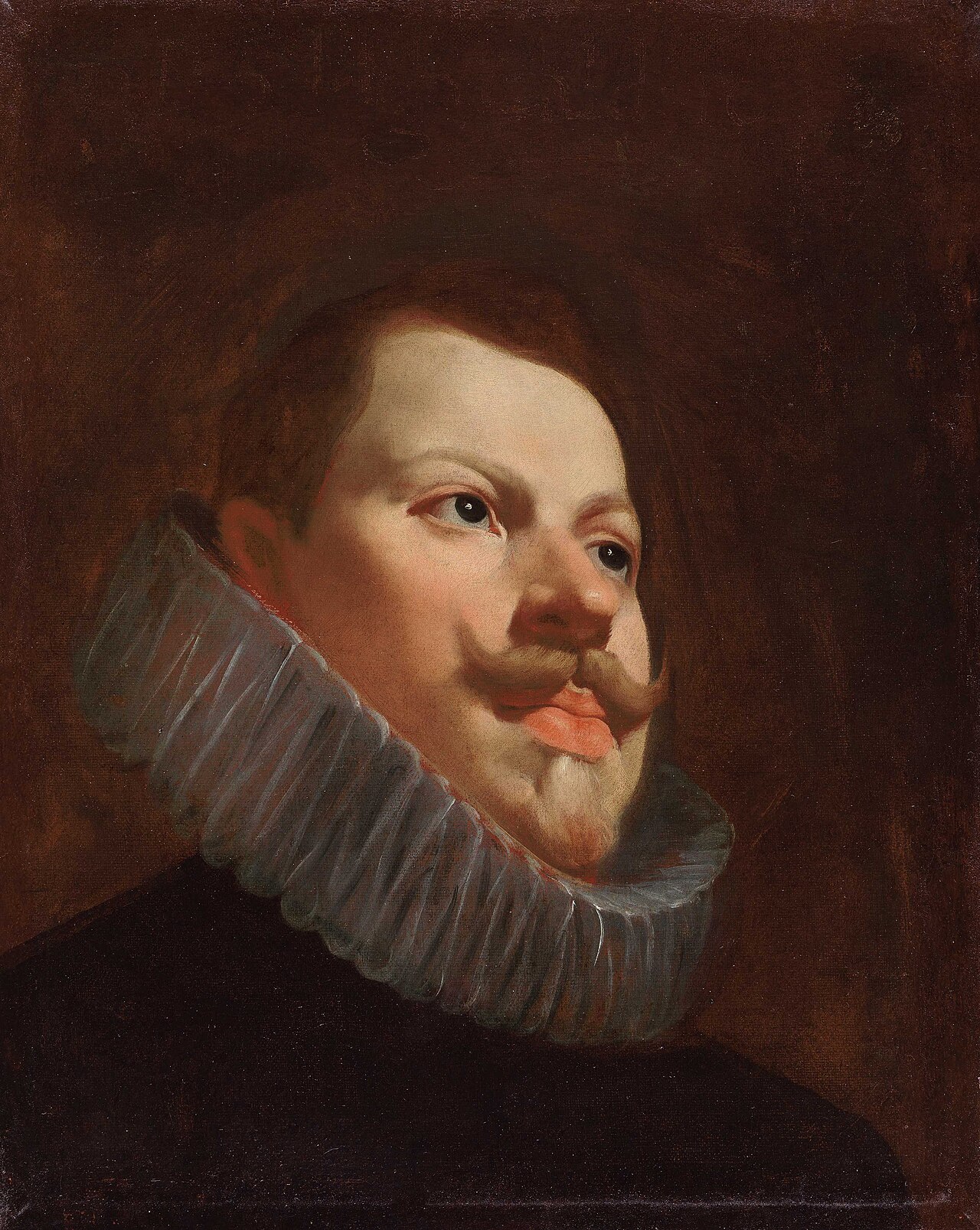
A posthumous portrait of Philip III painted by Diego Velázquez in 1627, newly attributed and now at the Museo del Prado.
This posthumous portrait by Velázquez depicts Philip III and was made for his son Philip IV's court.
About this source
What it is
This oil painting of Philip III was made in 1627, after the king's death, by Diego Velázquez for the court of his son, Philip IV. The painting was discovered and donated to American Friends of the Prado Museum, which deposited it at the Museo del Prado, where it is displayed alongside other works by Velázquez and Titian that help explain its attribution.
Why it matters
This portrait is important for understanding Velázquez's early years as a court painter, since it is connected to his famous work The Expulsion of the Moriscos. The painting being previously unknown to scholars shows how new discoveries can still change our understanding of famous artists and the royal figures they painted.
Look closer
- Why might a painter create a portrait of a king who had already died?
- What does the discovery of a 'new' painting tell you about how art history is studied?
- How does this image differ from portraits made of Philip III during his lifetime?
This painting is part of the curated material that grounds the AI version of Philip III of Spain and Diego Velázquez on Humy.ai — when students ask about related events, the AI can quote it and cite it.
More Philip III of Spain sources
Browse all 92 →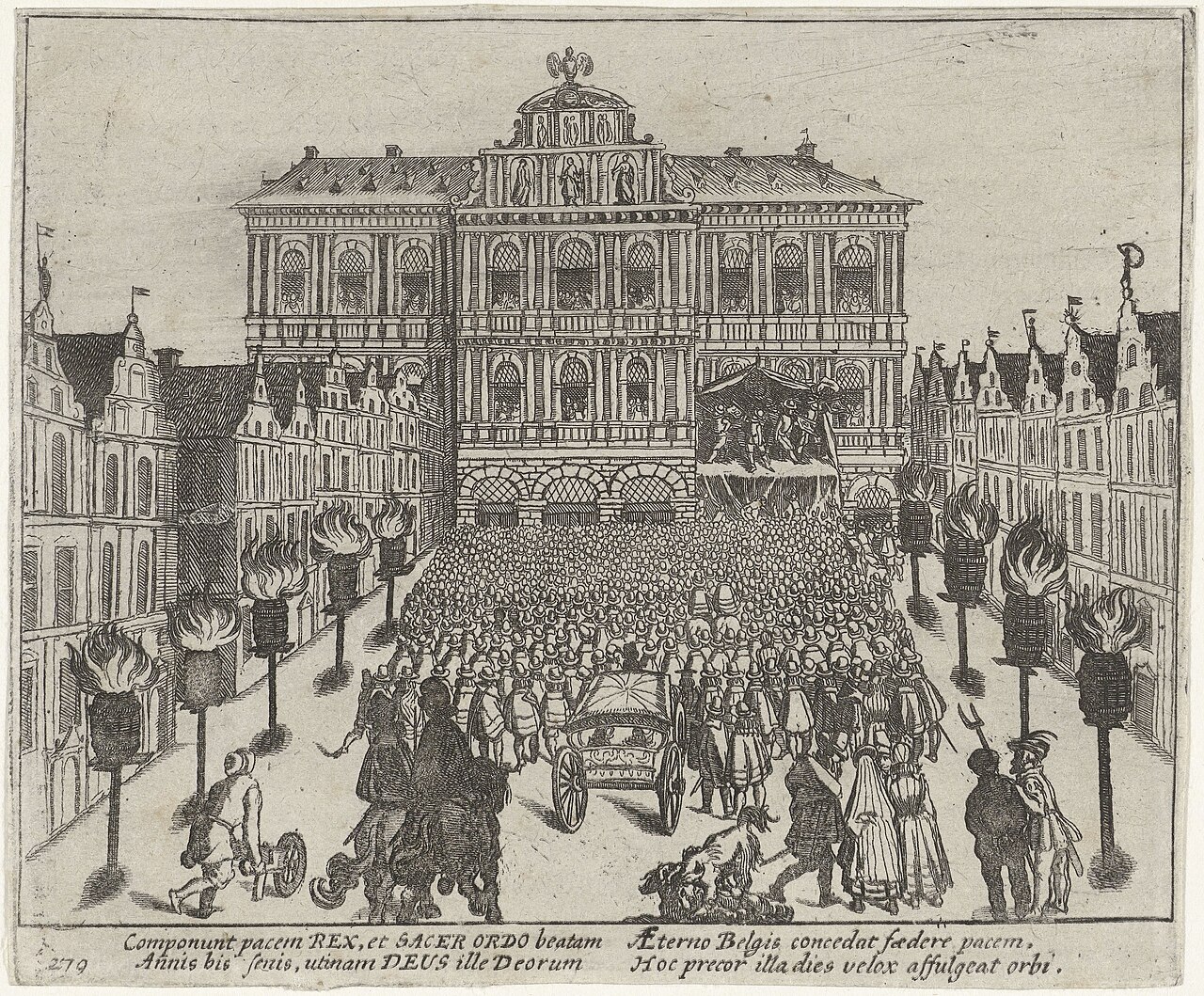 Document
Primary source
Twelve Years' Truce
1609
 Sculpture
Secondary source
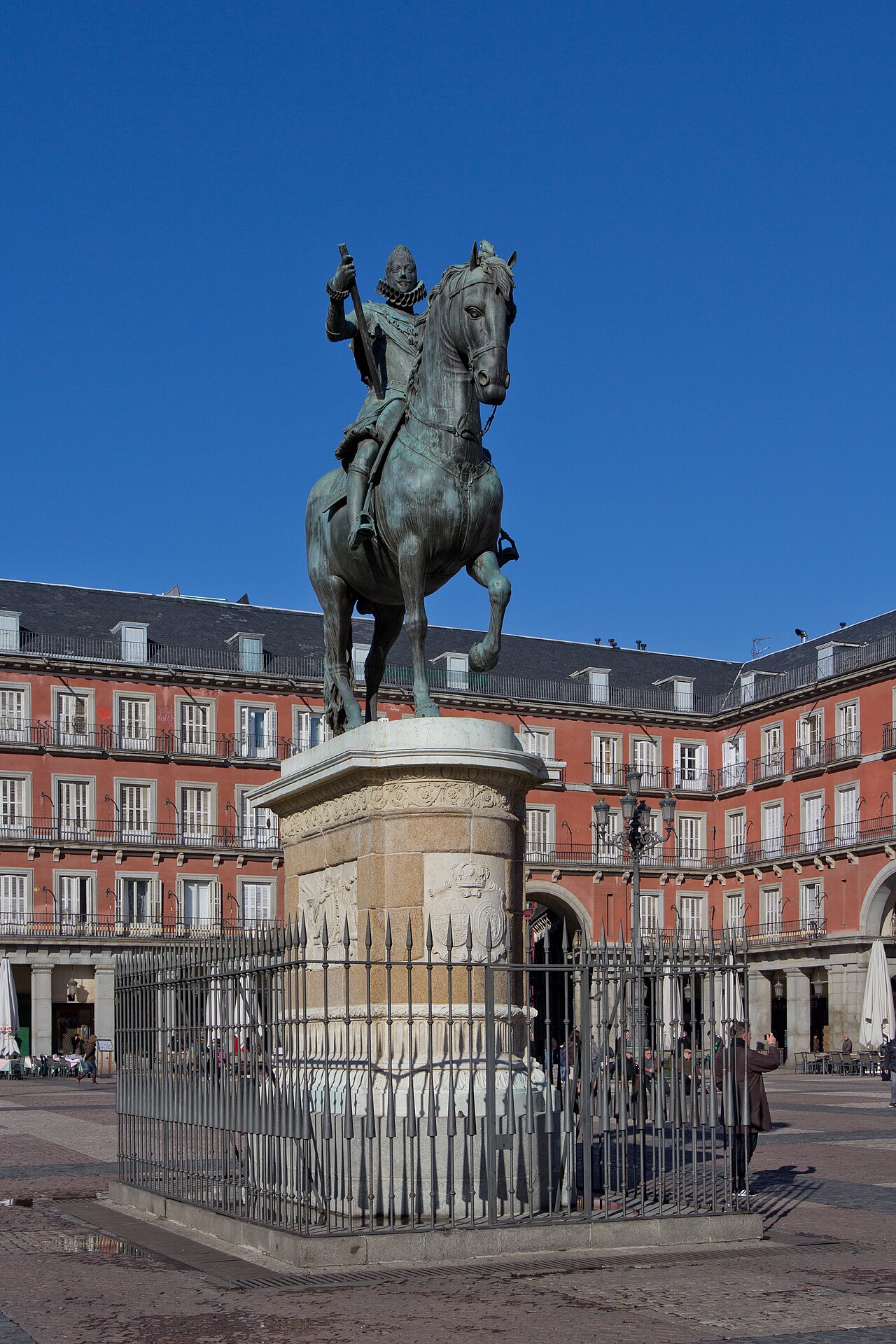
Equestrian statue of Philip III of Spain, Madrid
Giambologna · 1616
 Painting
Secondary source
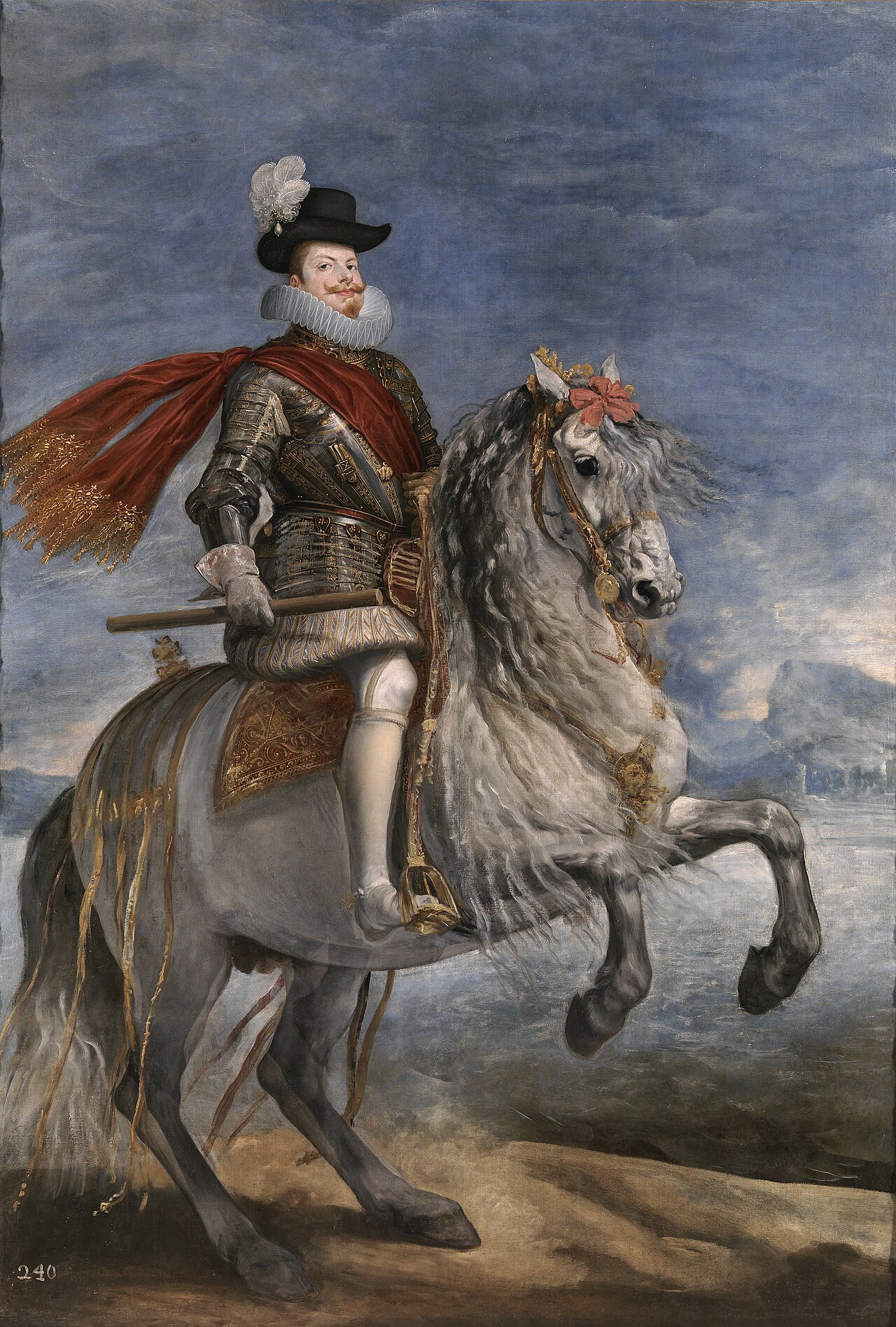
Equestrian Portrait of Philip III
Diego Velázquez · 1634/35
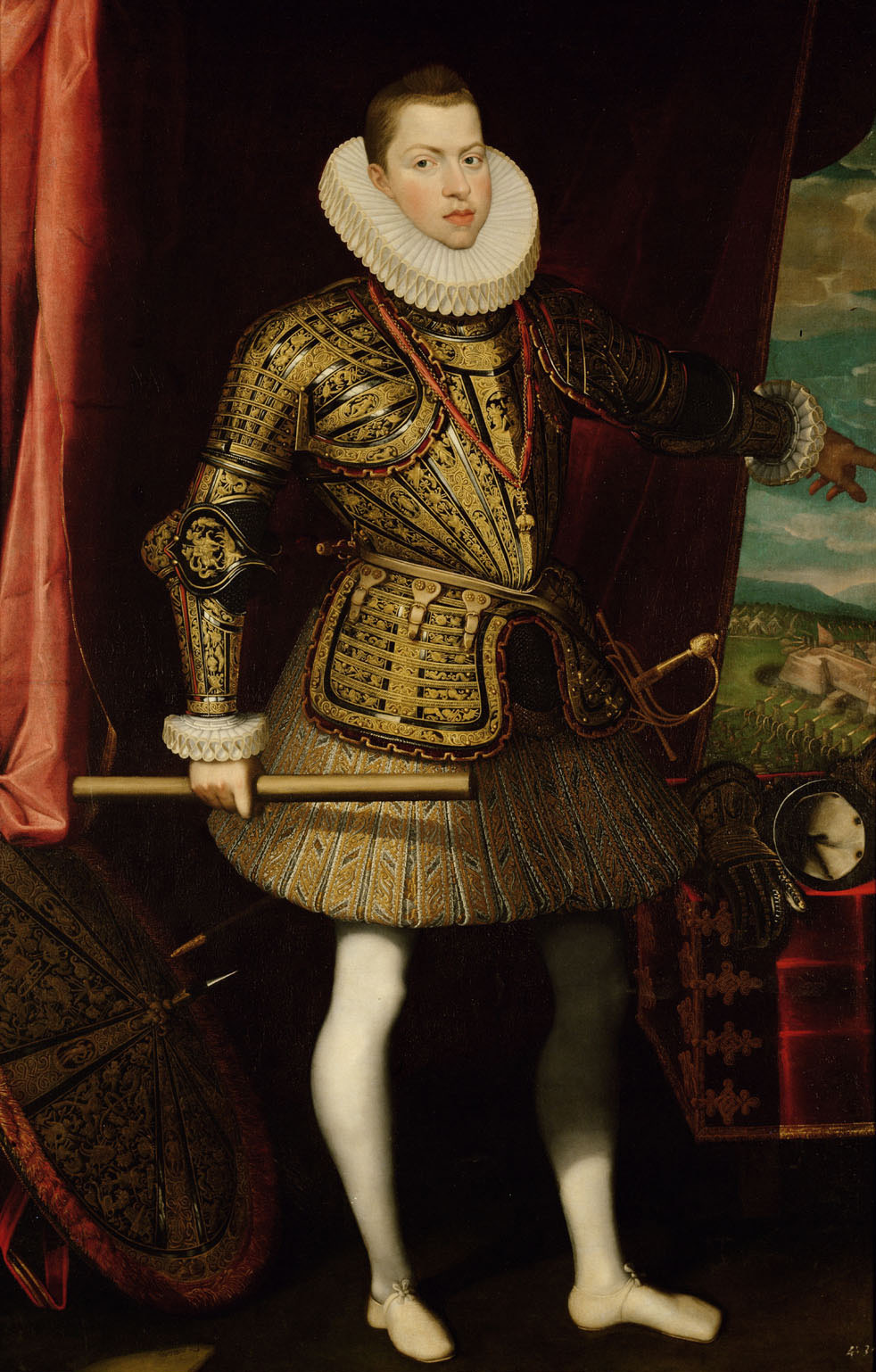 Painting
Primary source
King Philip III of Spain as General of the Infantry
Juan Pantoja de la Cruz · 1601
Free account
Read every Philip III of Spain source
Sign up free →
Ready when you are
Start chatting with Philip III of Spain now.
20 messages free · No credit card · Available in 50+ languages.