


Primary sourcePainting1605
Philip III, King of Spain
Juan Pantoja de la Cruz · 1605
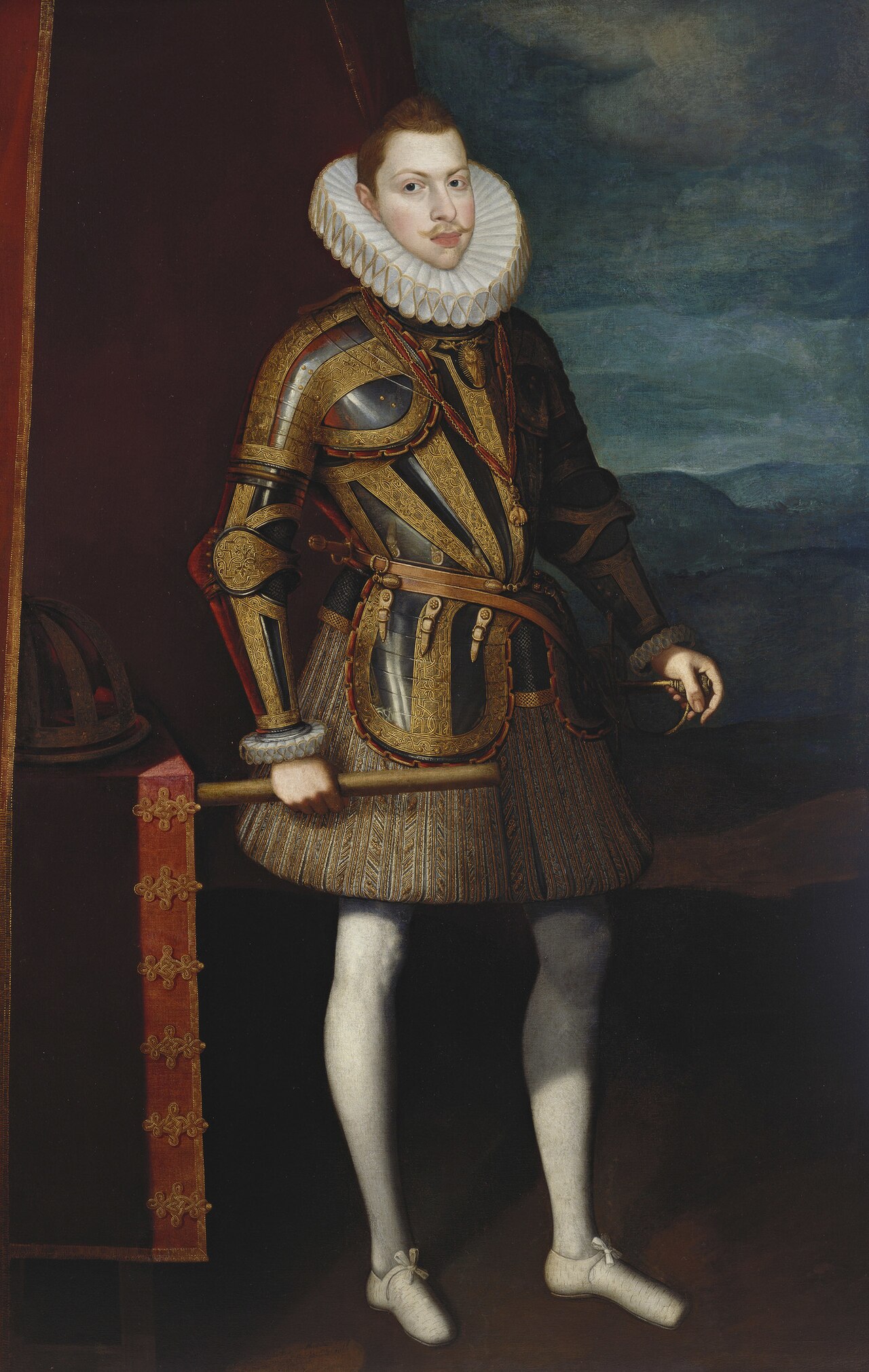
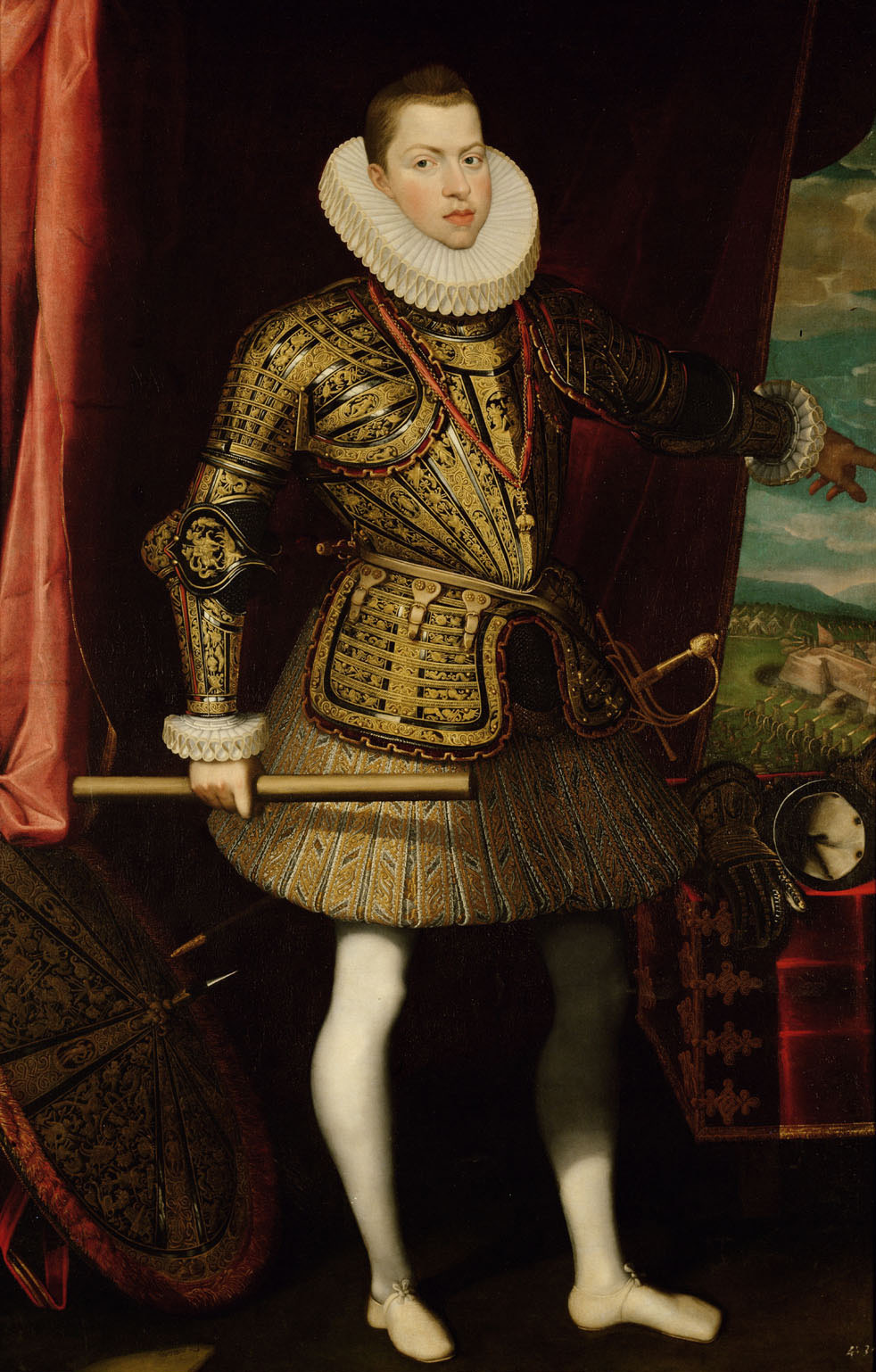
A full-length 1605 portrait of Philip III in armor by his court painter Juan Pantoja de la Cruz, showing his formal royal image.
This life portrait shows Philip III in the formal armored image used to project his majesty to foreign courts.
About this source
What it is
This full-length portrait was painted in 1605 by Juan Pantoja de la Cruz, Philip III's official court painter. It is now held in the Royal Collection.
Why it matters
The painting shows the stiff, formal style used to present Habsburg monarchs: armor, ruff collar, baton and sword all signal military authority and majesty, even though Philip was not primarily a warrior-king. Portraits like this were sent to foreign courts, including England, to project royal image and power across Europe.
Look closer
- What objects and clothing in the painting are meant to show power and authority?
- Why might a king send a painted portrait like this to another country's court?
- What does the formal, unsmiling pose tell us about how monarchs wanted to be seen, compared to how they might have looked in daily life?
This painting is part of the curated material that grounds the AI version of Philip III of Spain on Humy.ai — when students ask about related events, the AI can quote it and cite it.
More Philip III of Spain sources
Browse all 92 →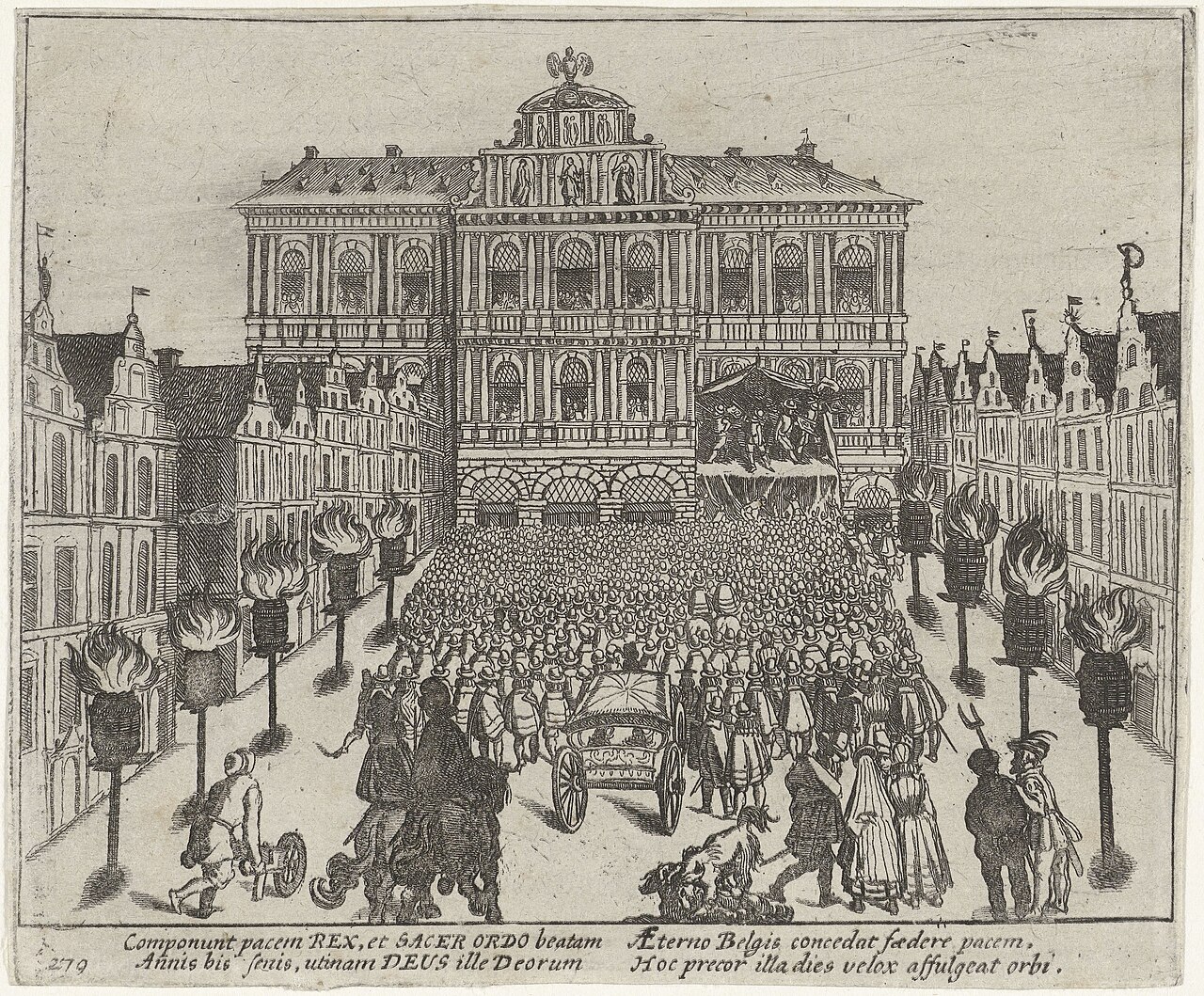 Document
Primary source
Twelve Years' Truce
1609
 Sculpture
Secondary source
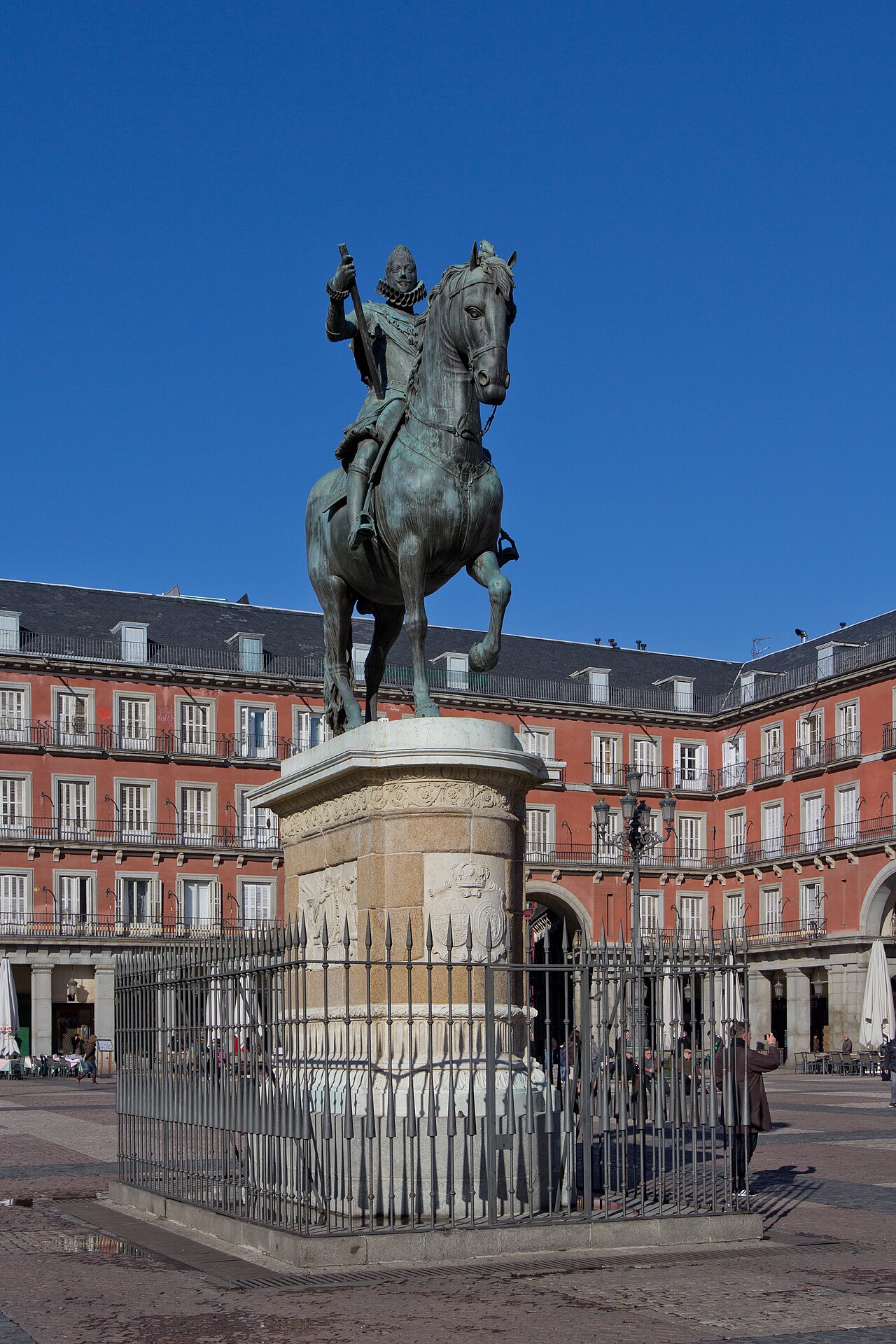
Equestrian statue of Philip III of Spain, Madrid
Giambologna · 1616
 Painting
Secondary source
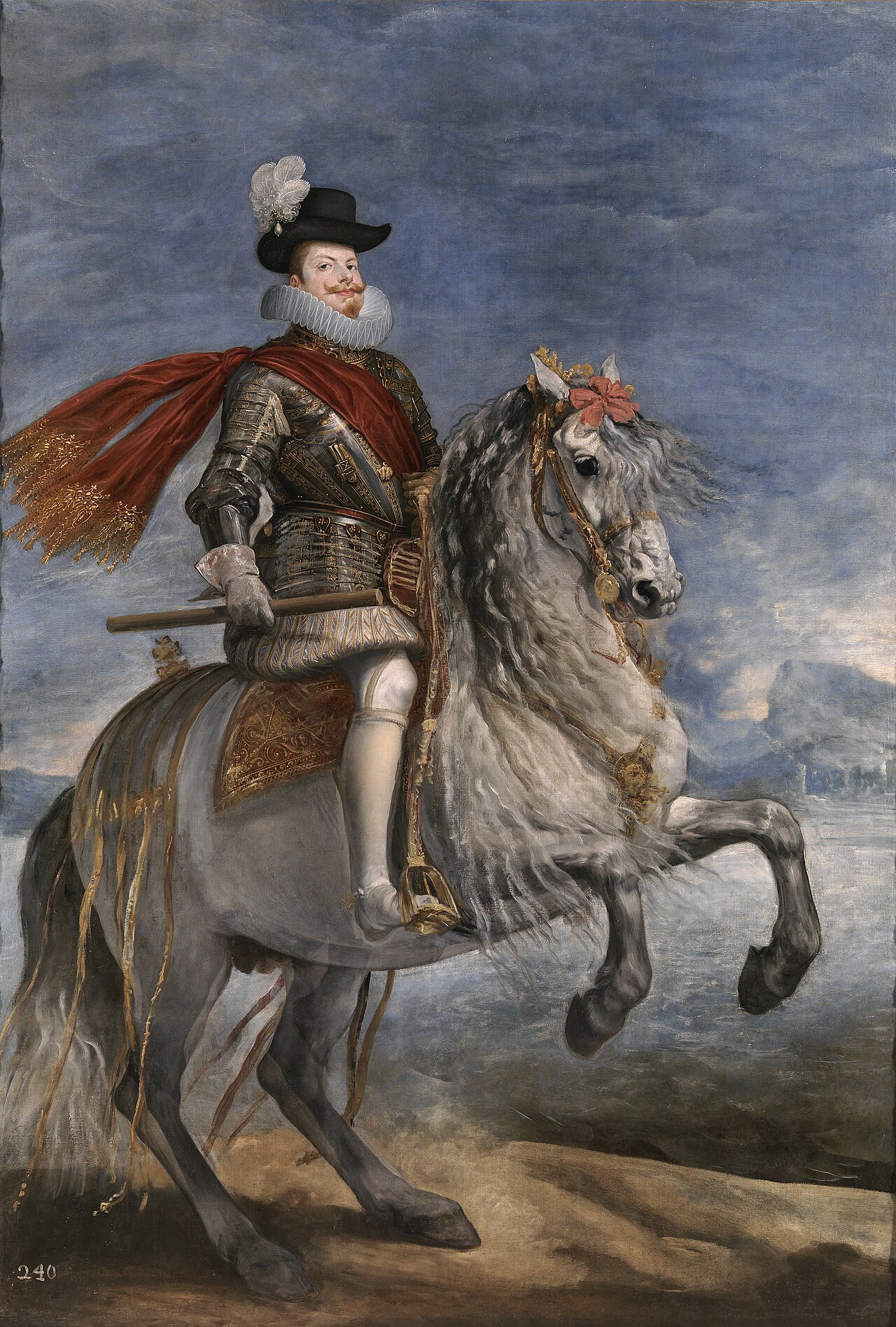
Equestrian Portrait of Philip III
Diego Velázquez · 1634/35
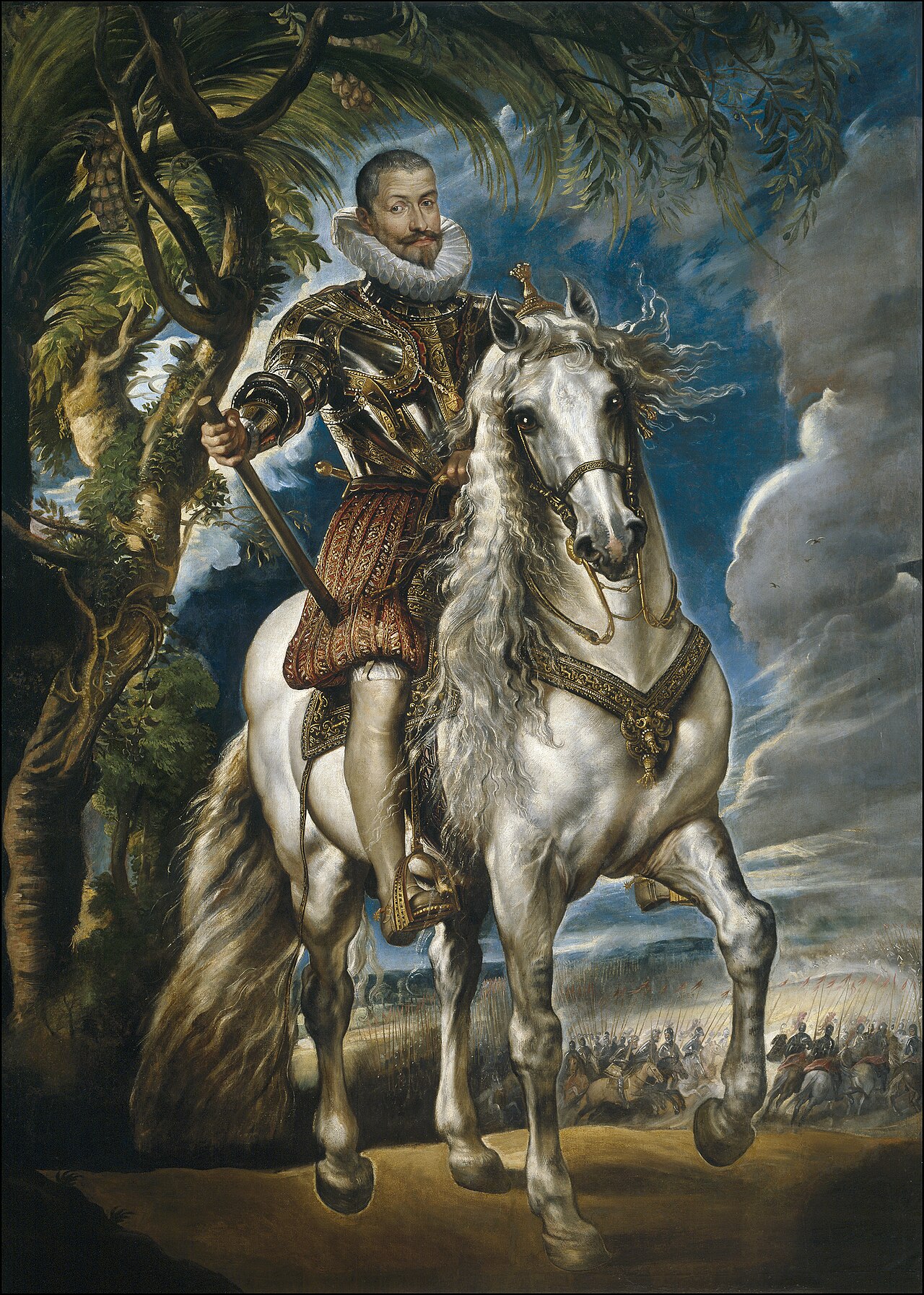
 Painting
Primary source
King Philip III of Spain as General of the Infantry
Juan Pantoja de la Cruz · 1601
Free account
Read every Philip III of Spain source
Sign up free →
Ready when you are
Start chatting with Philip III of Spain now.
20 messages free · No credit card · Available in 50+ languages.