


Secondary sourcePainting1778
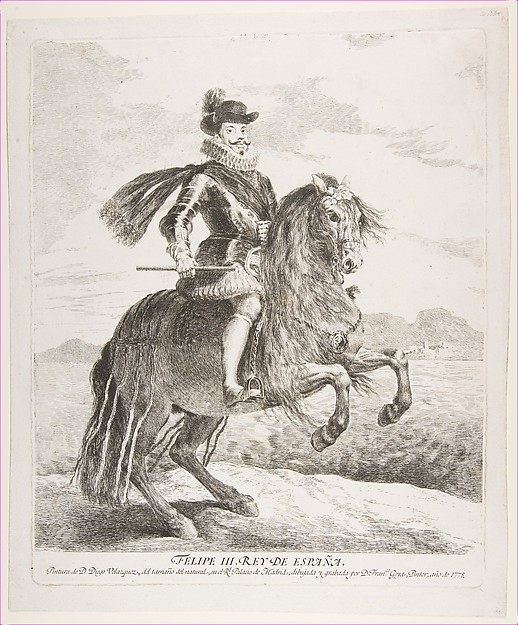
Philip III on horseback, after Velazquez
Goya (Francisco de Goya y Lucientes) · 1778
A 1778 etching by Goya that reinterprets a Velázquez portrait of Philip III on horseback.
A later artist's reinterpretation of Philip III's image, made long after his reign, which shows how his portrait was passed on and reworked.
About this source
What it is
This is an etching and drypoint made by Francisco de Goya in 1778. It is based on a portrait of Philip III by Diego Velázquez. The print shows a mounted rider in armor and a ruff collar, wearing a plumed hat and a flowing cape, on a rearing horse in a landscape. A printed title and credits run along the bottom margin. The Metropolitan Museum of Art holds it, as a gift of Nathan Chaikin in 1960.
Why it matters
Goya made this copy about 150 years after Philip III's death, so it shows how a later artist chose to reinterpret the king's image. Goya was working from Velázquez, who had painted the king earlier in the century. The print reveals how artists in the later 1700s looked back at the Spanish royal past.
Look closer
- How does the etching change the original portrait, and what might Goya have wanted viewers to notice?
- Who was the print made for, and what does its style suggest about its audience?
This painting is part of the curated material that grounds the AI version of Philip III of Spain on Humy.ai — when students ask about related events, the AI can quote it and cite it.
More Philip III of Spain sources
Browse all 92 →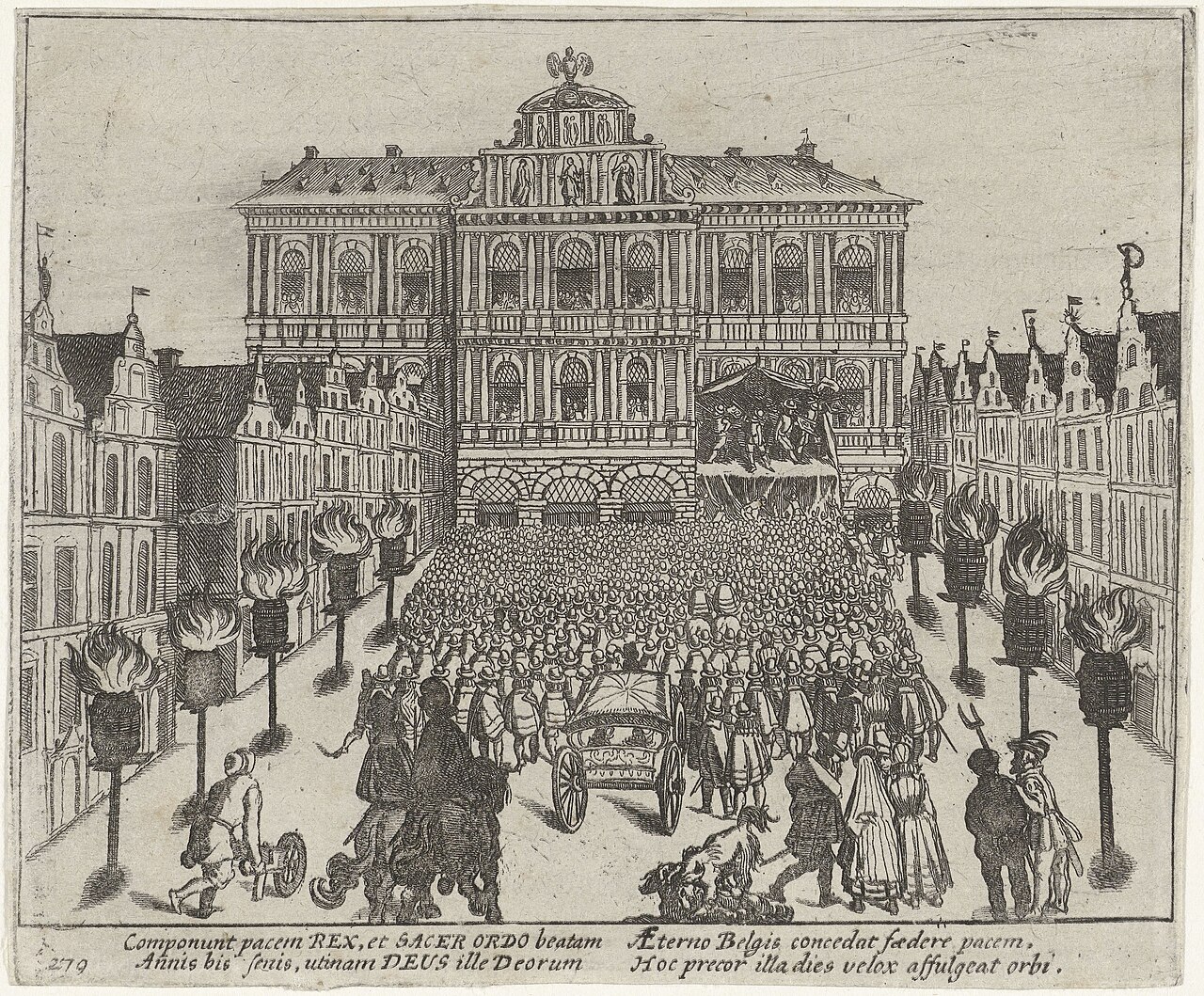 Document
Primary source
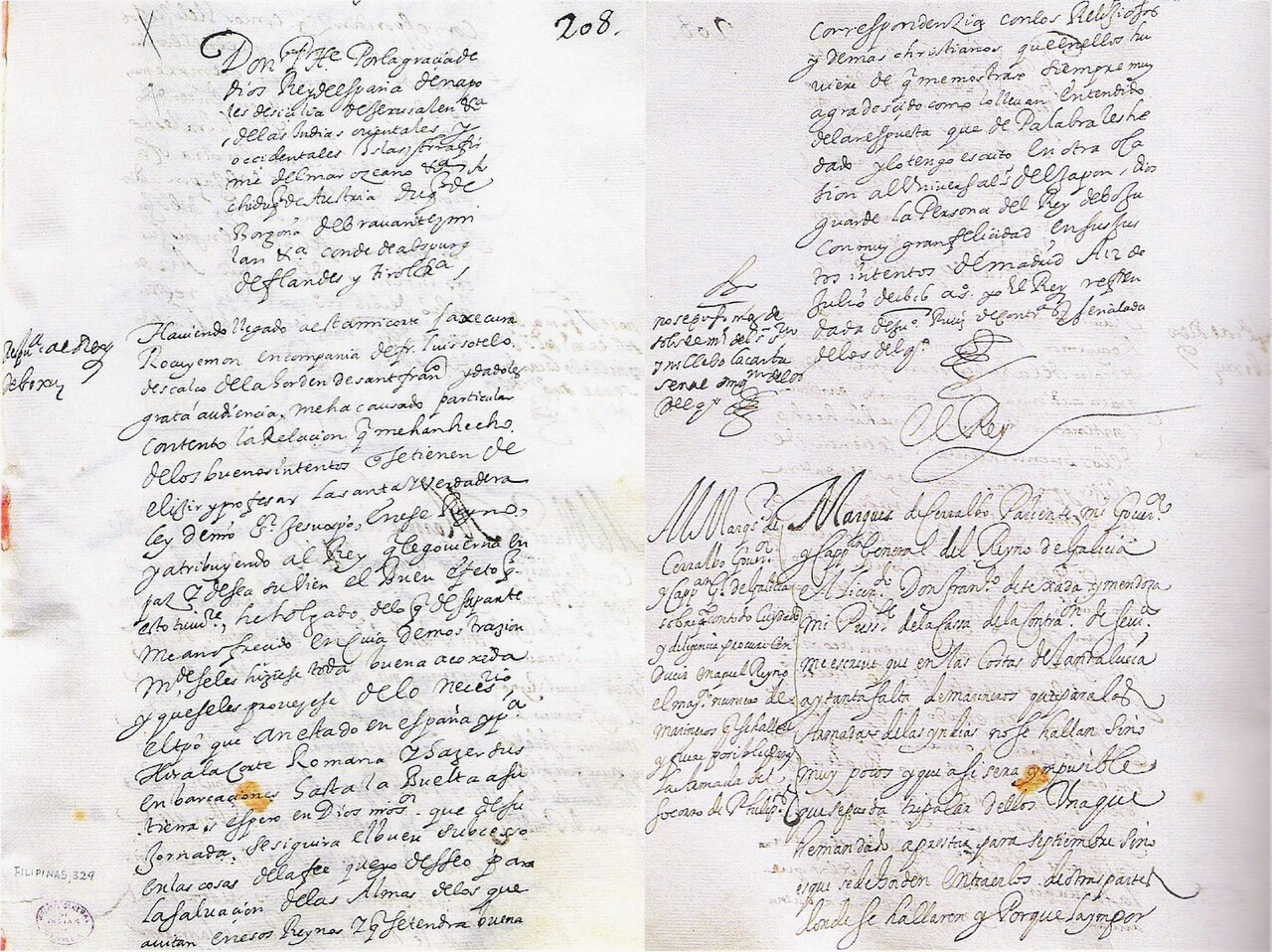
Twelve Years' Truce
1609
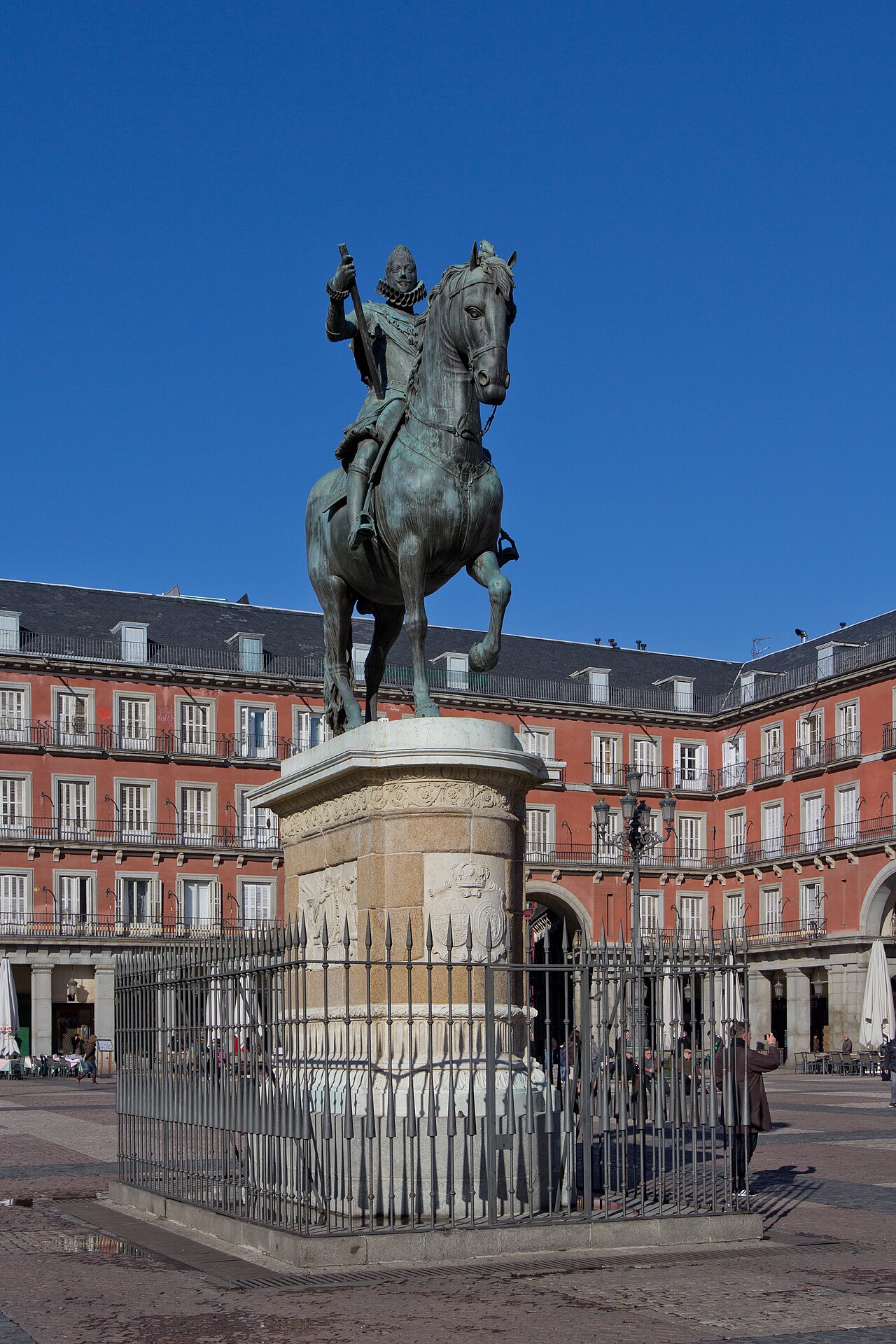 Sculpture
Secondary source
Equestrian statue of Philip III of Spain, Madrid
Giambologna · 1616
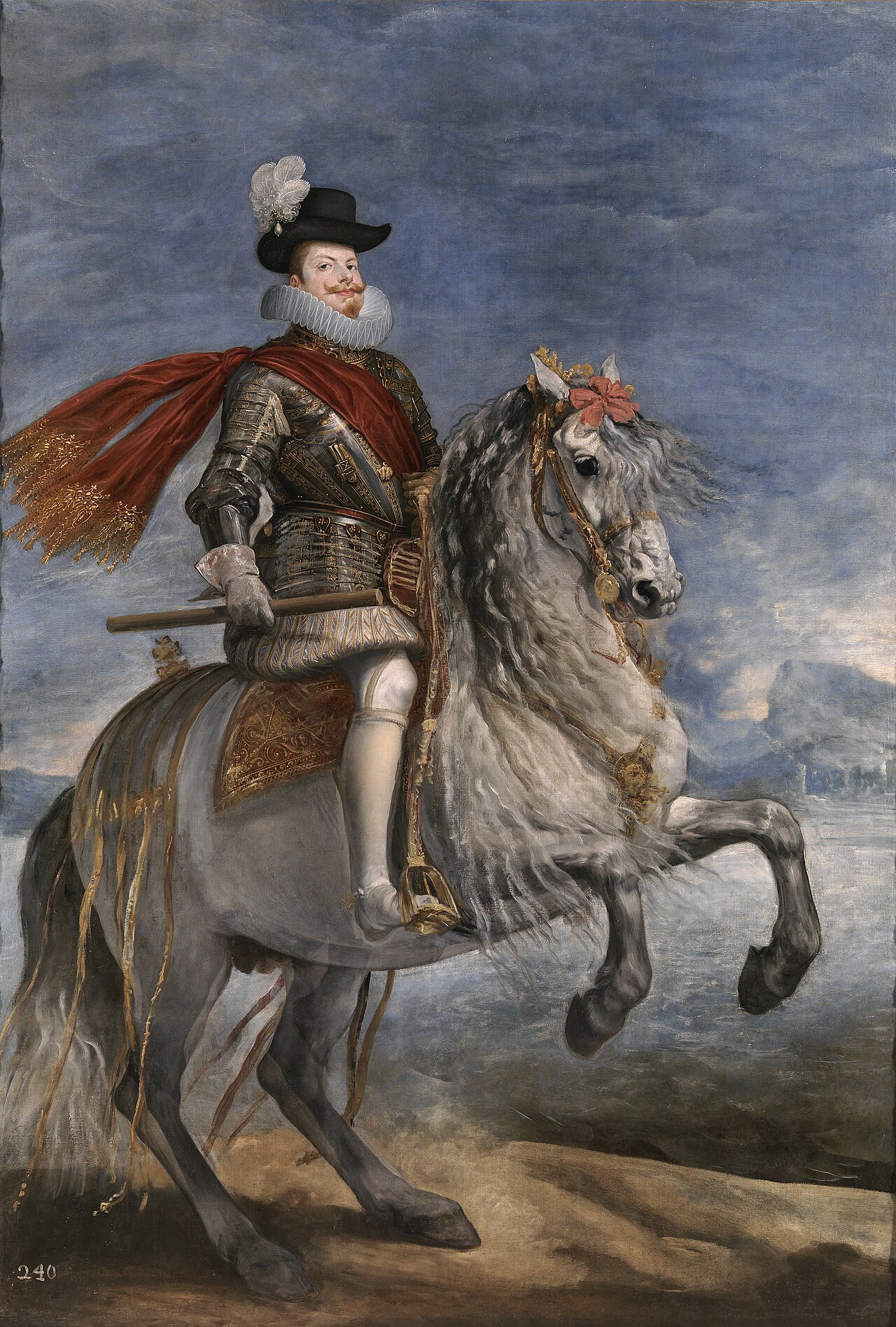 Painting
Secondary source
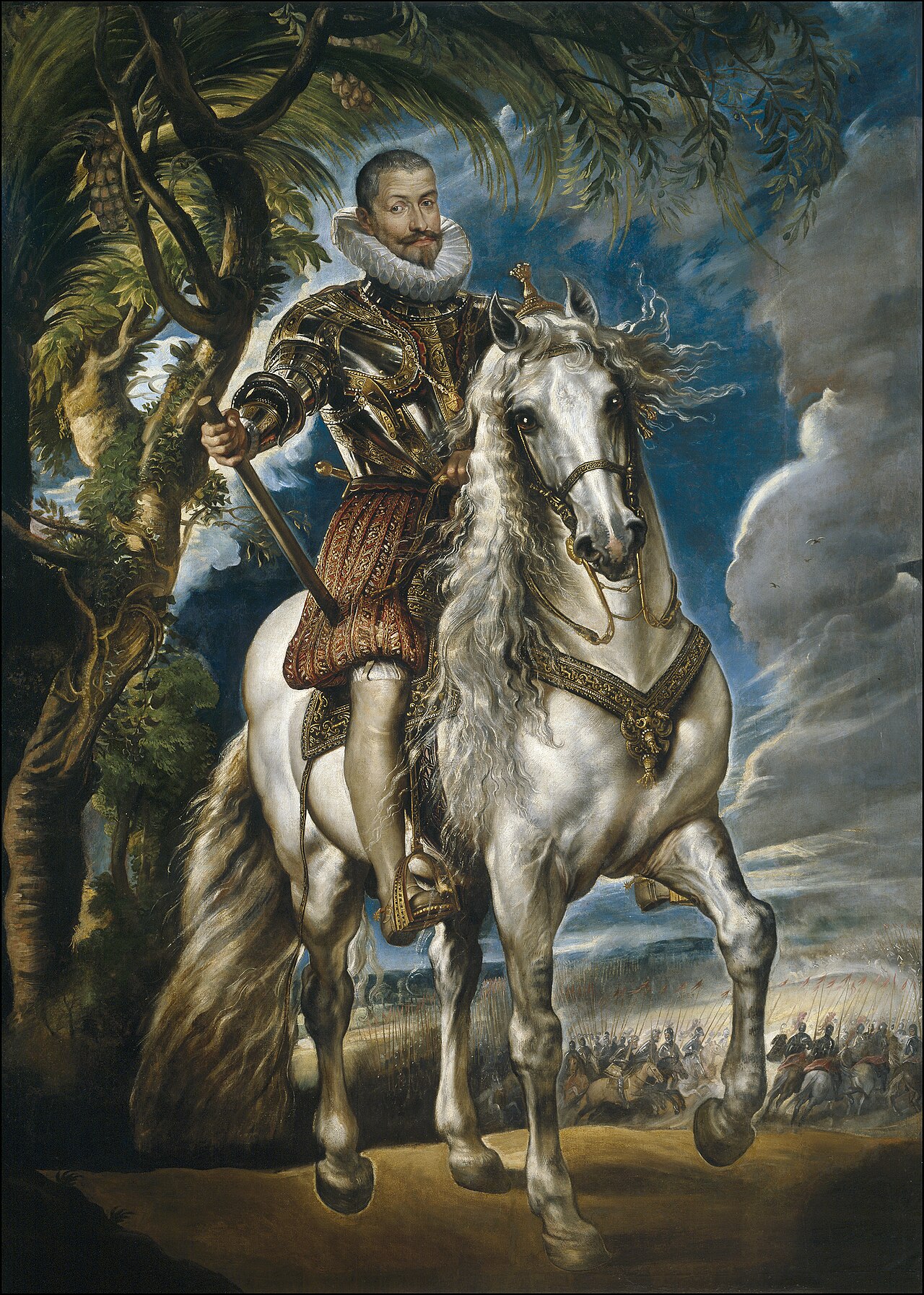
Equestrian Portrait of Philip III
Diego Velázquez · 1634/35
 Painting
Primary source
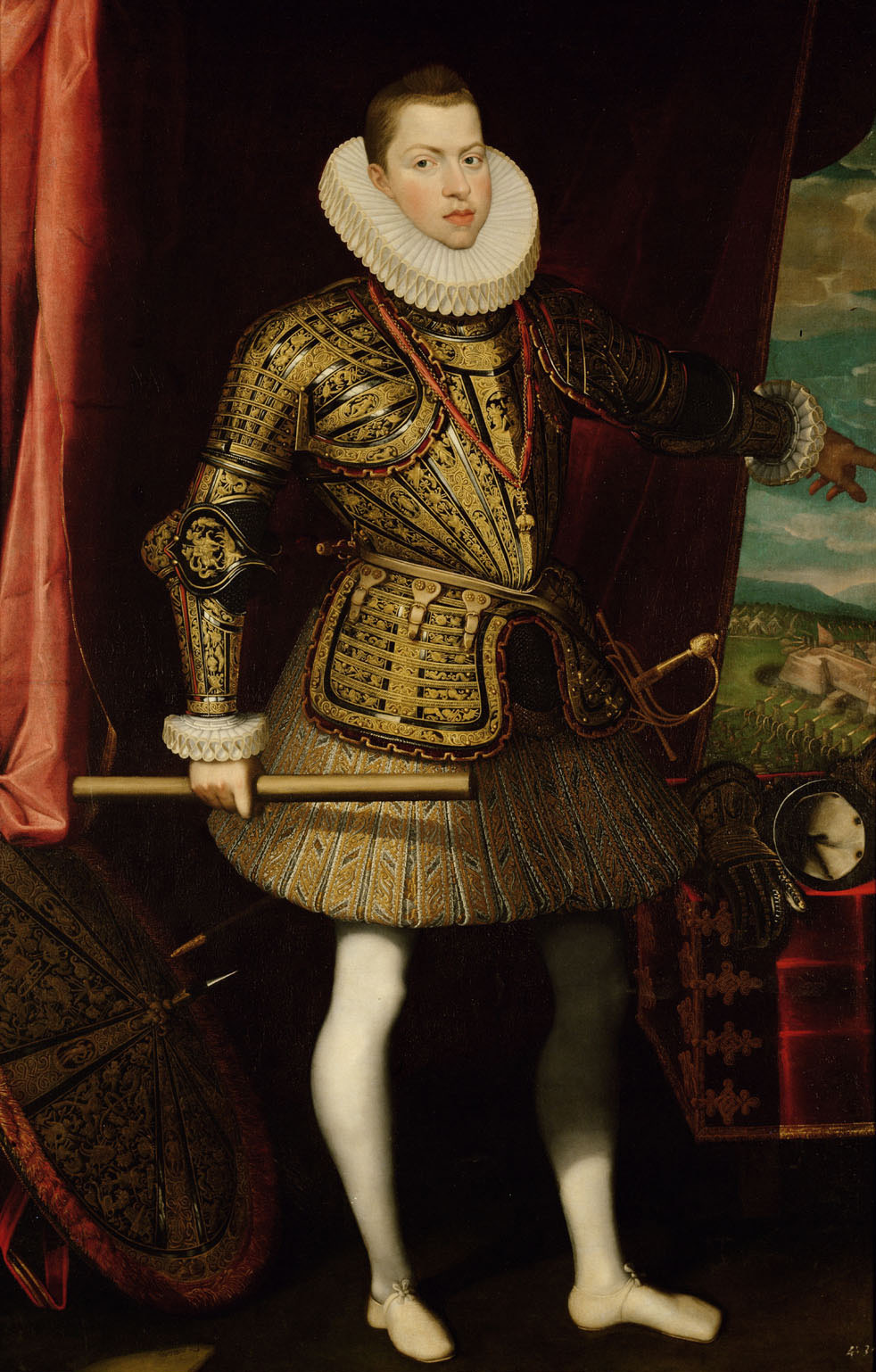
King Philip III of Spain as General of the Infantry
Juan Pantoja de la Cruz · 1601
Free account
Read every Philip III of Spain source
Sign up free →
Ready when you are
Start chatting with Philip III of Spain now.
20 messages free · No credit card · Available in 50+ languages.