


Secondary sourcePainting1862
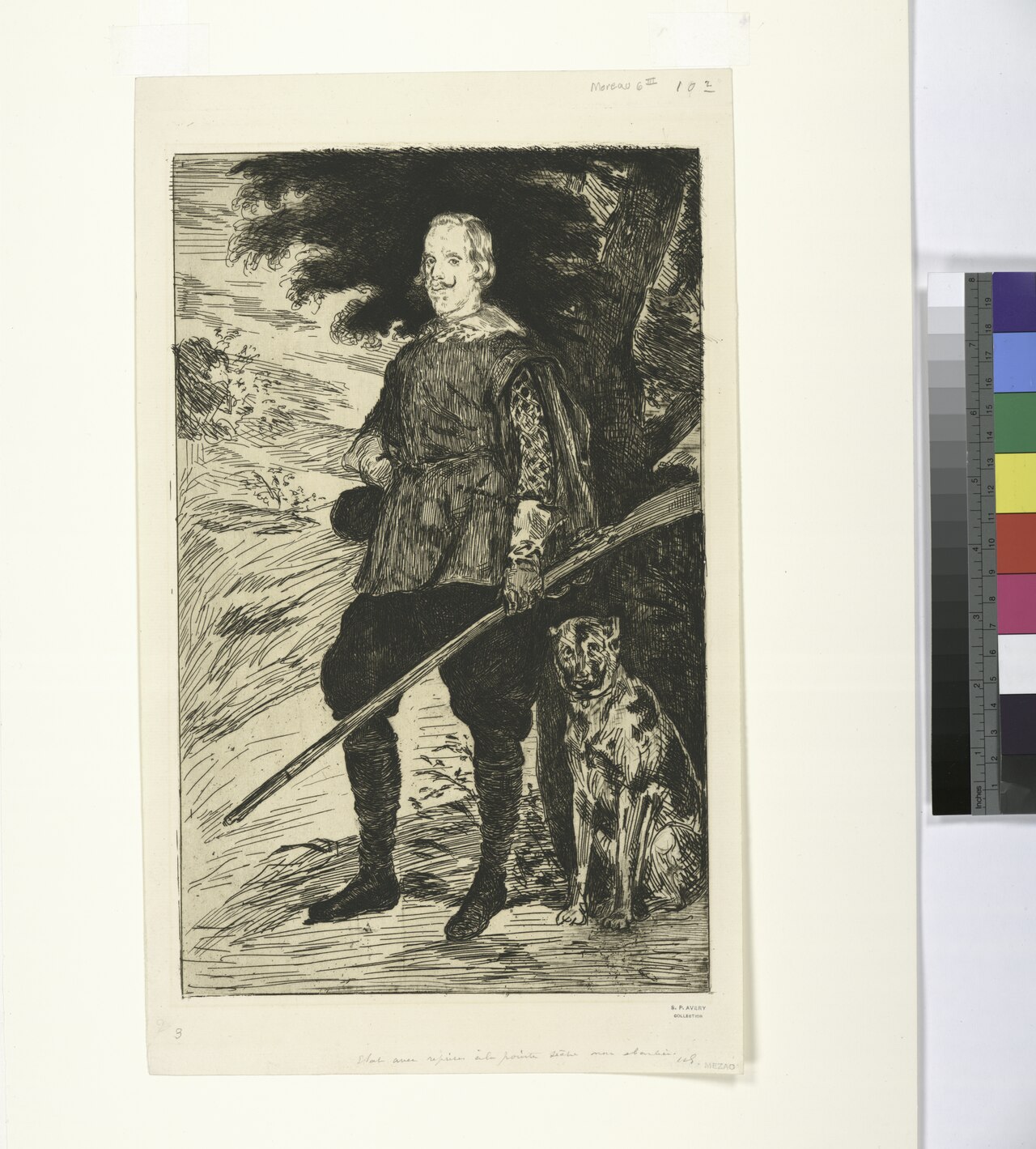
Philip IV after Velázquez, third state print
1862
An 1862 etching of Philip IV in dark hunting clothes with a long gun and dog, one numbered state of a print series after Velázquez.
A numbered print state after Velázquez's portrait of Philip IV, showing how the king's image was reproduced and catalogued later.
About this source
What it is
This is an etching from 1862, scanned by the New York Public Library. It shows a standing man in dark hunting clothes holding a long gun, with a dog seated beside him before a dark tree. The sheet is printed on cream paper with a collector's stamp and pencil notes, and a colour calibration strip appears at the right. The print is labelled as the third state in the Moreau-Nelaton catalogue, with references to Guérin and Harris.
Why it matters
The print is one of several states of the same plate. Each state shows changes made by the printmaker, so collectors recorded them carefully. The image follows Velázquez's portrait, so it shows how the king's likeness was reproduced in the 19th century rather than during his reign.
Look closer
- What changes between print states, and why might a printmaker make them?
- What does the hunting setting suggest about the king's leisure, and what is left out?
- Why did collectors add stamps and pencil notes to their prints?
This painting is part of the curated material that grounds the AI version of Philip IV of Spain on Humy.ai — when students ask about related events, the AI can quote it and cite it.
More Philip IV of Spain sources
Browse all 98 →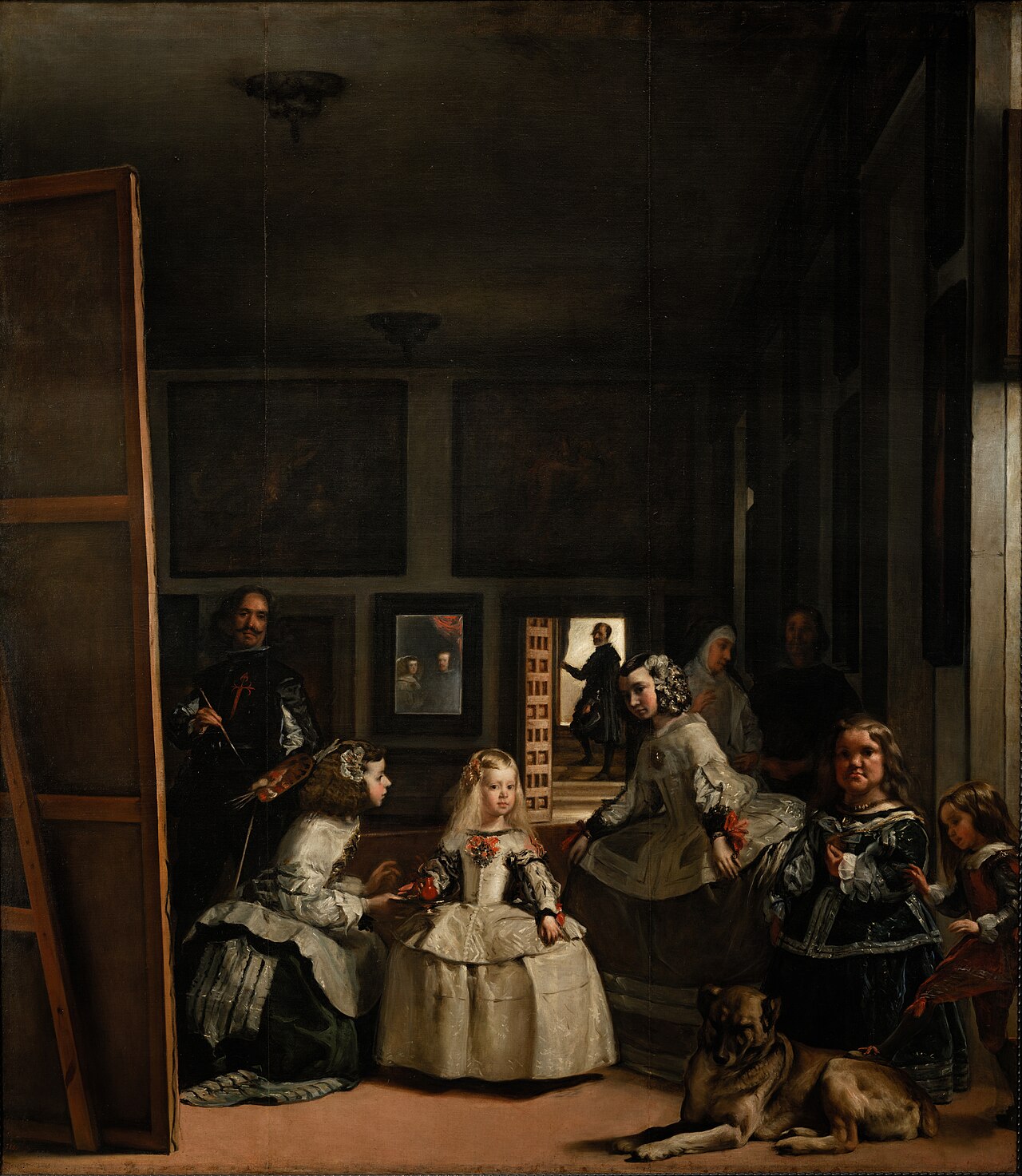 Painting
Primary source
Las Meninas
Diego Velázquez · 1656
 Painting
Primary source
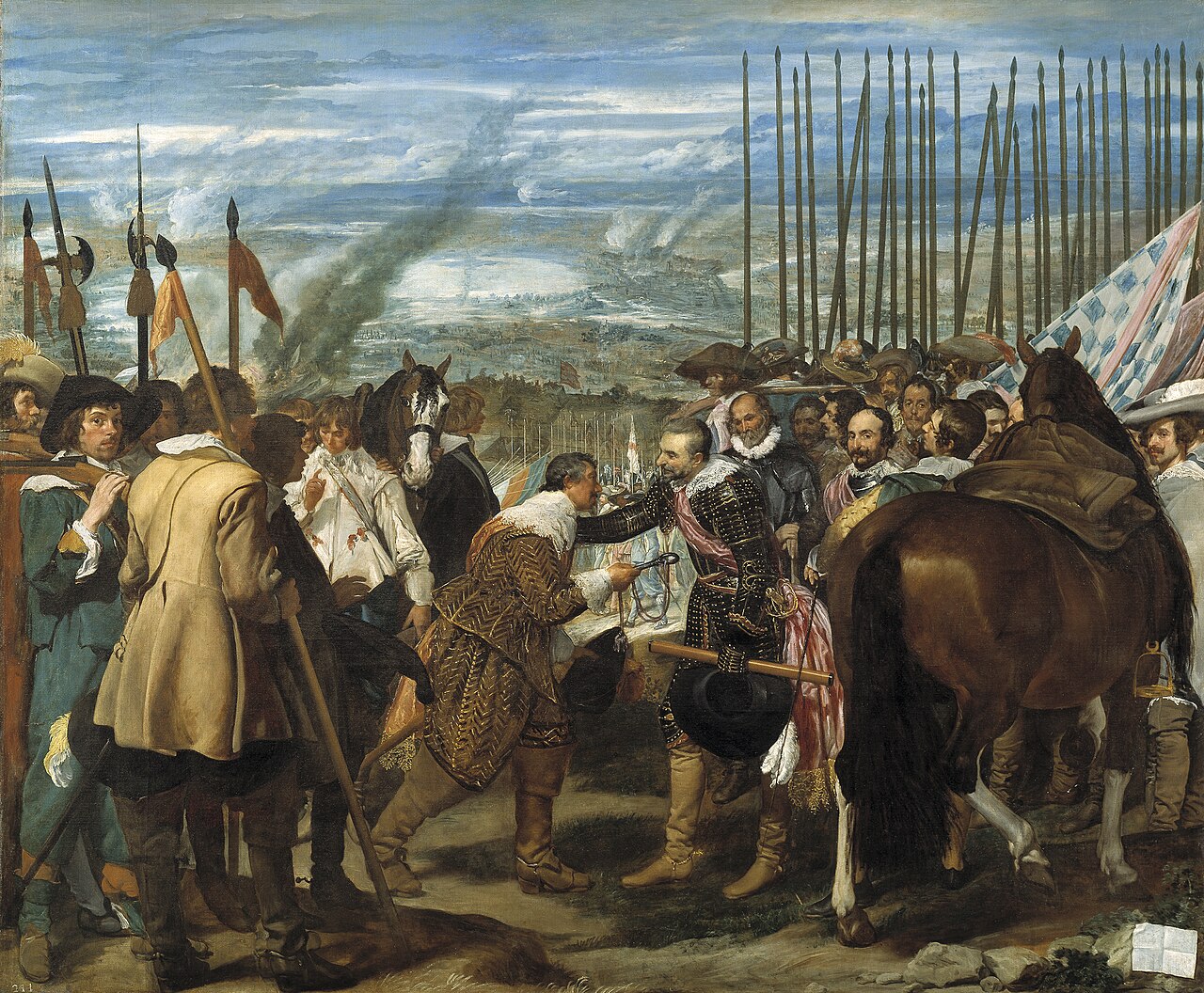
The Surrender of Breda
Diego Velázquez · 1634–1635
 Painting
Primary source
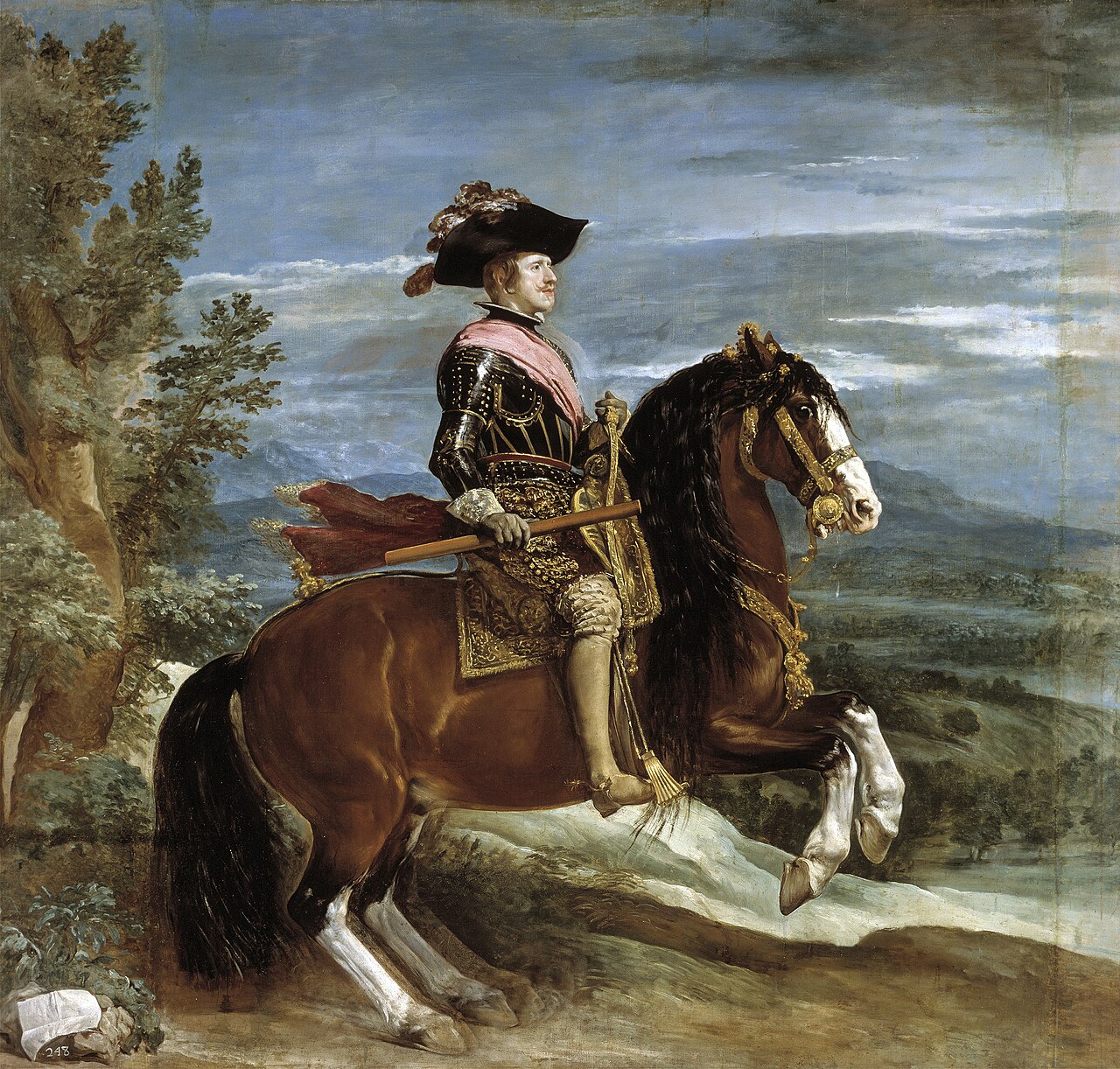
Equestrian Portrait of Philip IV
Diego Velázquez · 1634-1636
 Painting
Primary source
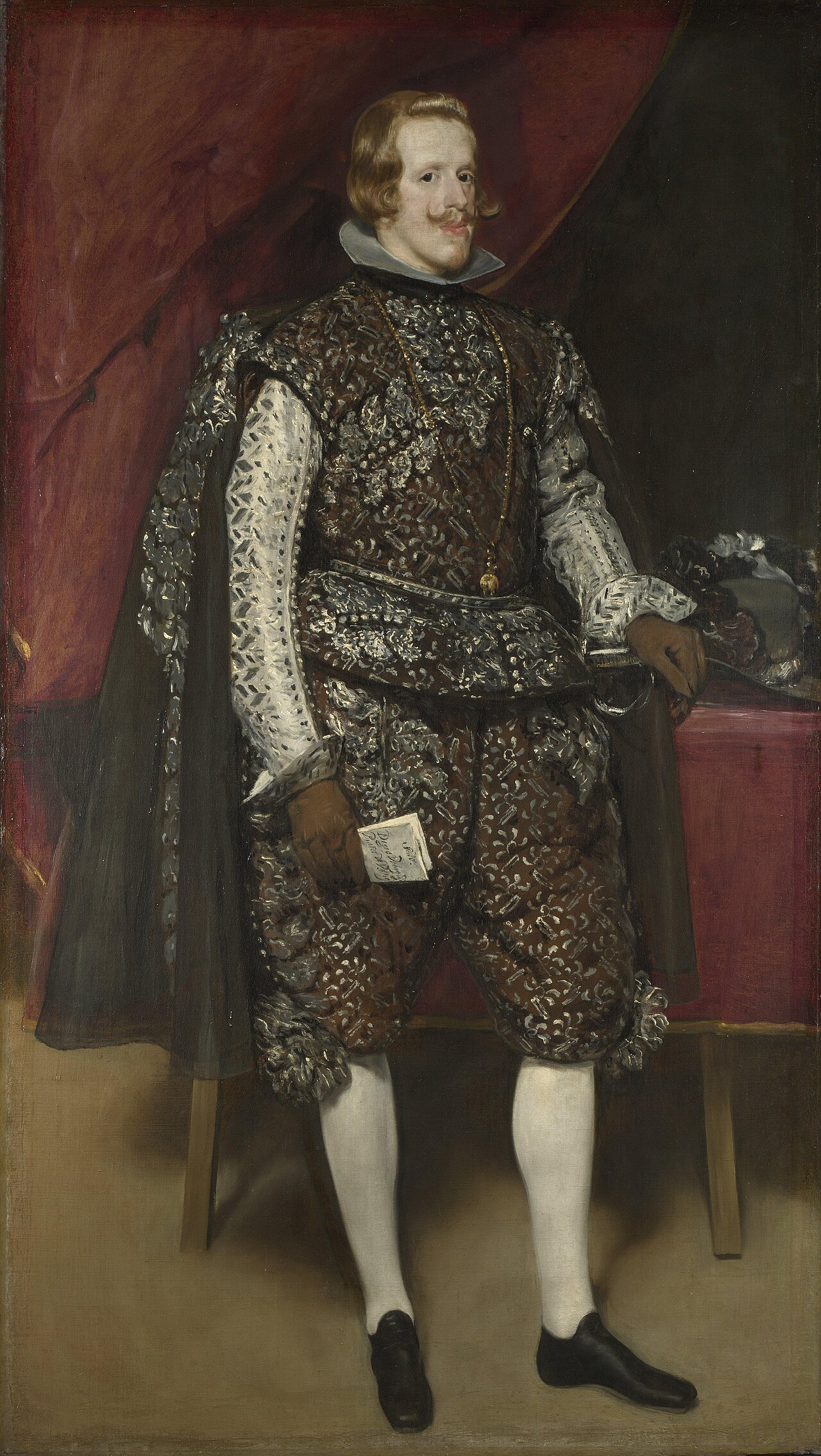
Philip IV in Brown and Silver
Diego Velázquez · c. 1631–1635
Free account
Read every Philip IV of Spain source
Sign up free →
Ready when you are
Start chatting with Philip IV of Spain now.
20 messages free · No credit card · Available in 50+ languages.