


Primary sourcePaintingc. 1634
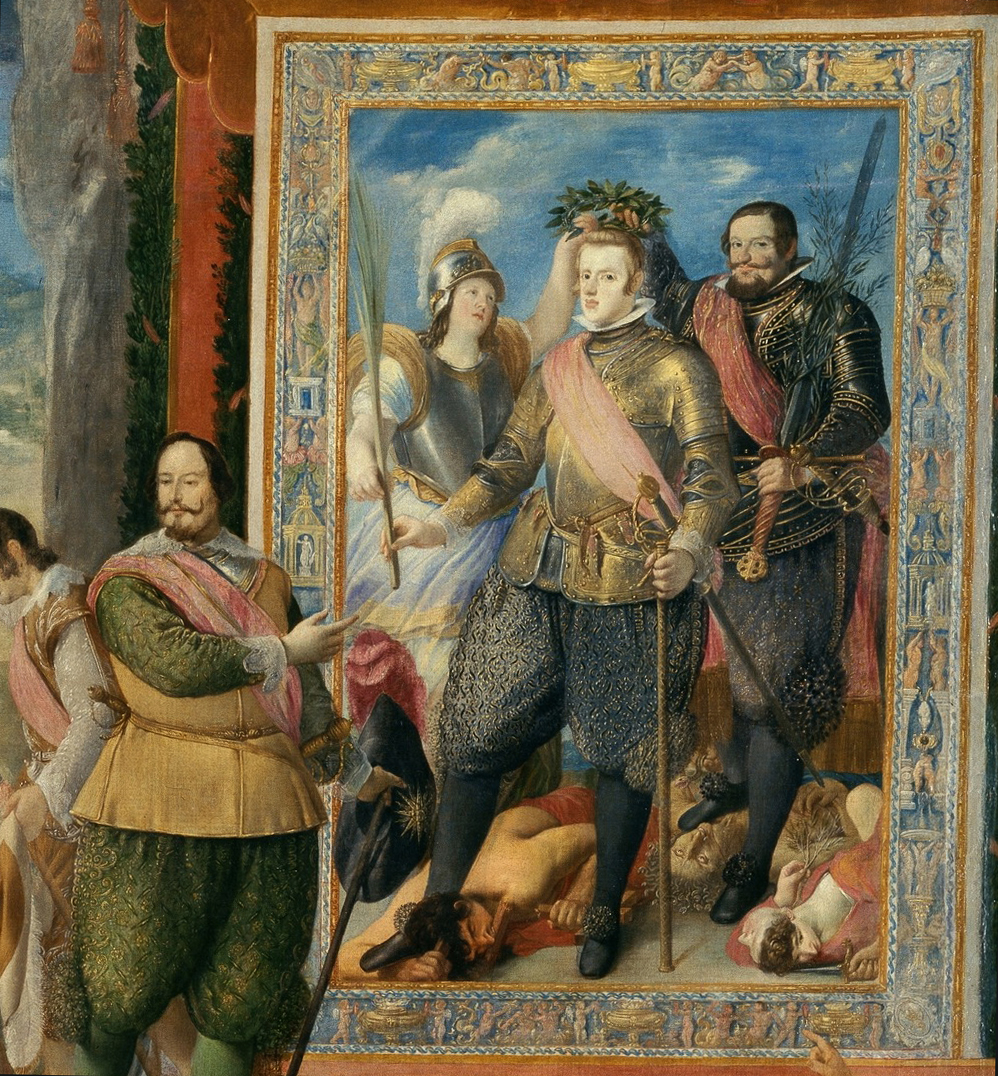
Philip IV and Olivares, Detail from Allegory of the Recovery of Bahia
Frei Juan Bautista Maíno · c. 1634
A painted detail showing King Philip IV and his minister the Count-Duke of Olivares, from a large allegorical painting celebrating a Spanish military victory.
This detail shows Philip IV with his powerful minister Olivares in a painting celebrating a military victory during his reign.
About this source
What it is
This is a detail from a large oil painting by Frei Juan Bautista Maíno, made around 1634-1635, now in the Museo del Prado. The full painting is an allegory of the Spanish recovery of Bahia in Brazil in 1625; this detail shows King Philip IV together with his chief minister, the Count-Duke of Olivares, who holds a large two-handed sword.
Why it matters
The painting was made during Philip IV's reign to celebrate a Spanish military success, and shows the king alongside Olivares, the minister who dominated his government for decades. It reveals how art was used to glorify both the monarchy and its chief advisor at a moment of military triumph.
Look closer
- Why might the painter have shown the king and Olivares together in a scene celebrating a military victory?
- What does the sword held by Olivares suggest about his role?
- Why do you think the original event being recovered, Bahia, is shown allegorically rather than directly?
This painting is part of the curated material that grounds the AI version of Philip IV of Spain on Humy.ai — when students ask about related events, the AI can quote it and cite it.
More Philip IV of Spain sources
Browse all 98 →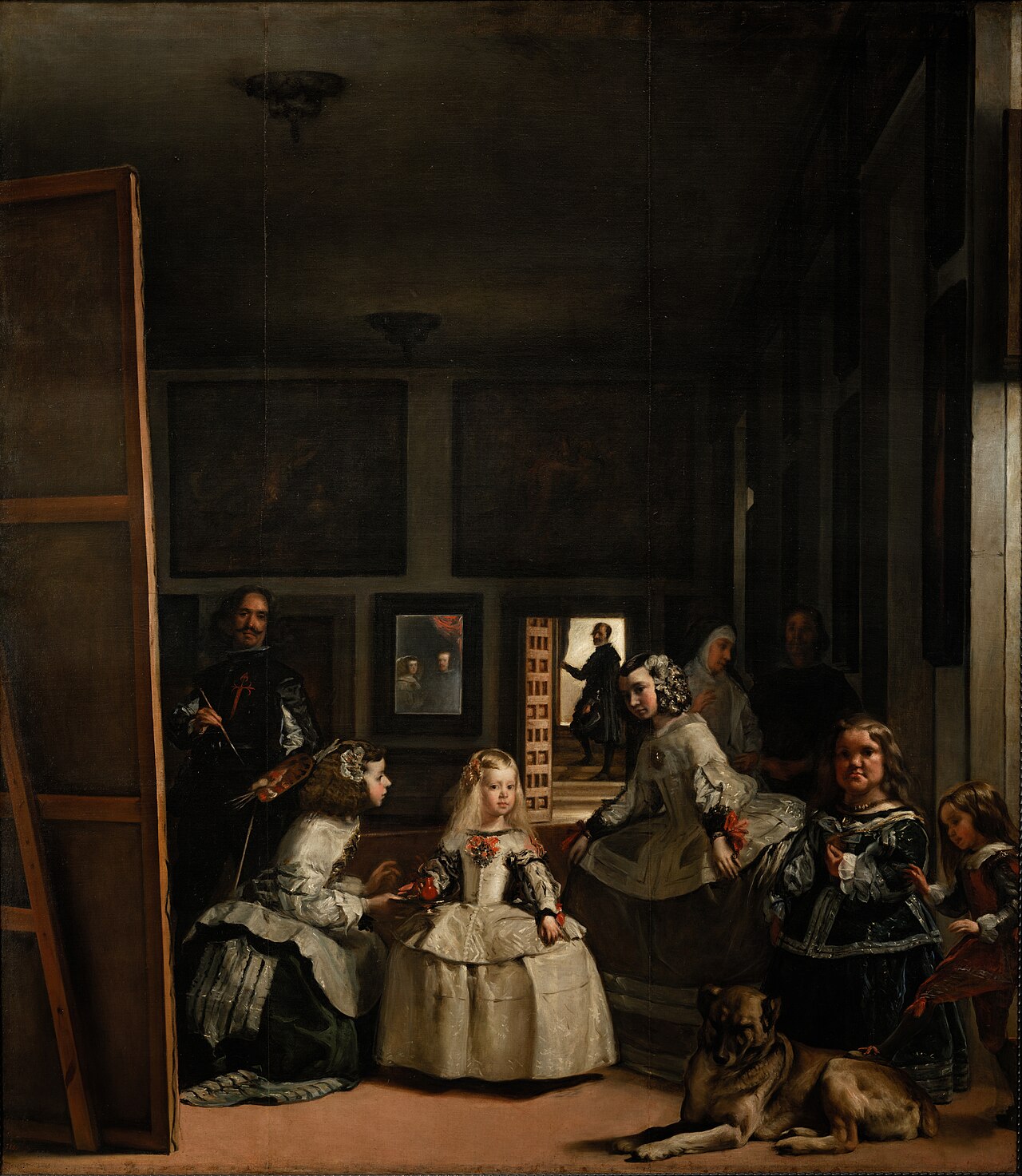 Painting
Primary source
Las Meninas
Diego Velázquez · 1656
 Painting
Primary source
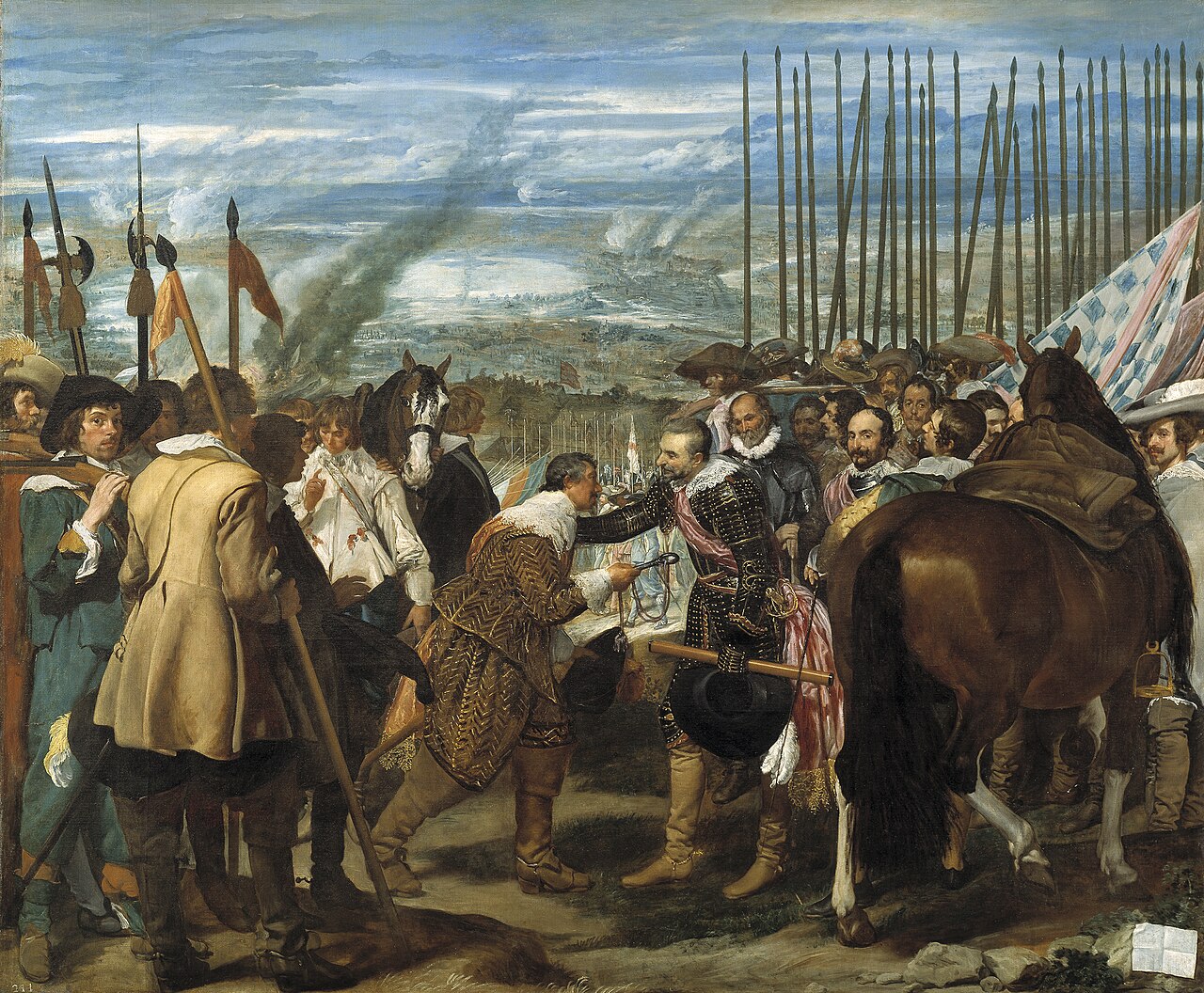
The Surrender of Breda
Diego Velázquez · 1634–1635
 Painting
Primary source
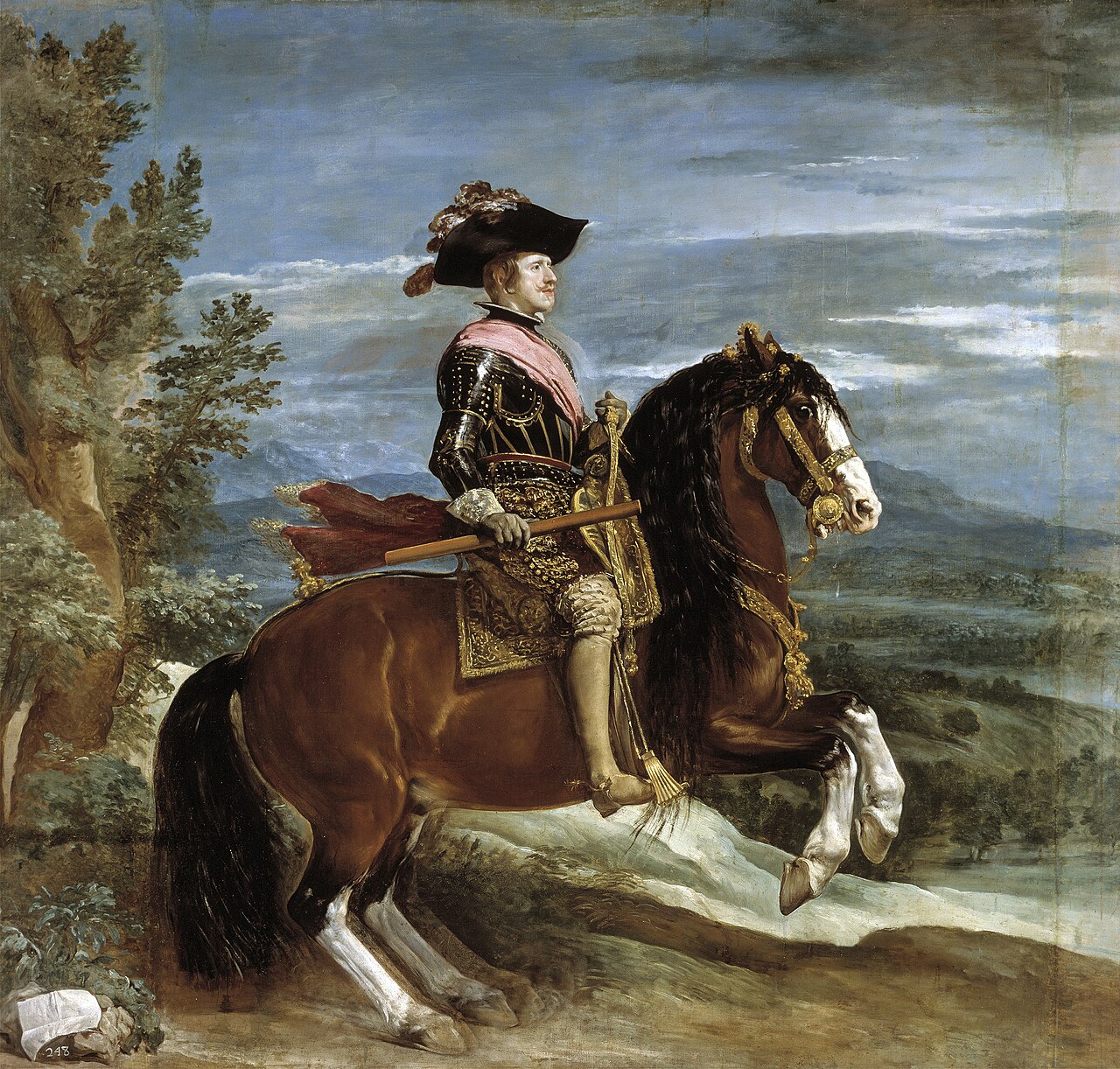
Equestrian Portrait of Philip IV
Diego Velázquez · 1634-1636
 Painting
Primary source
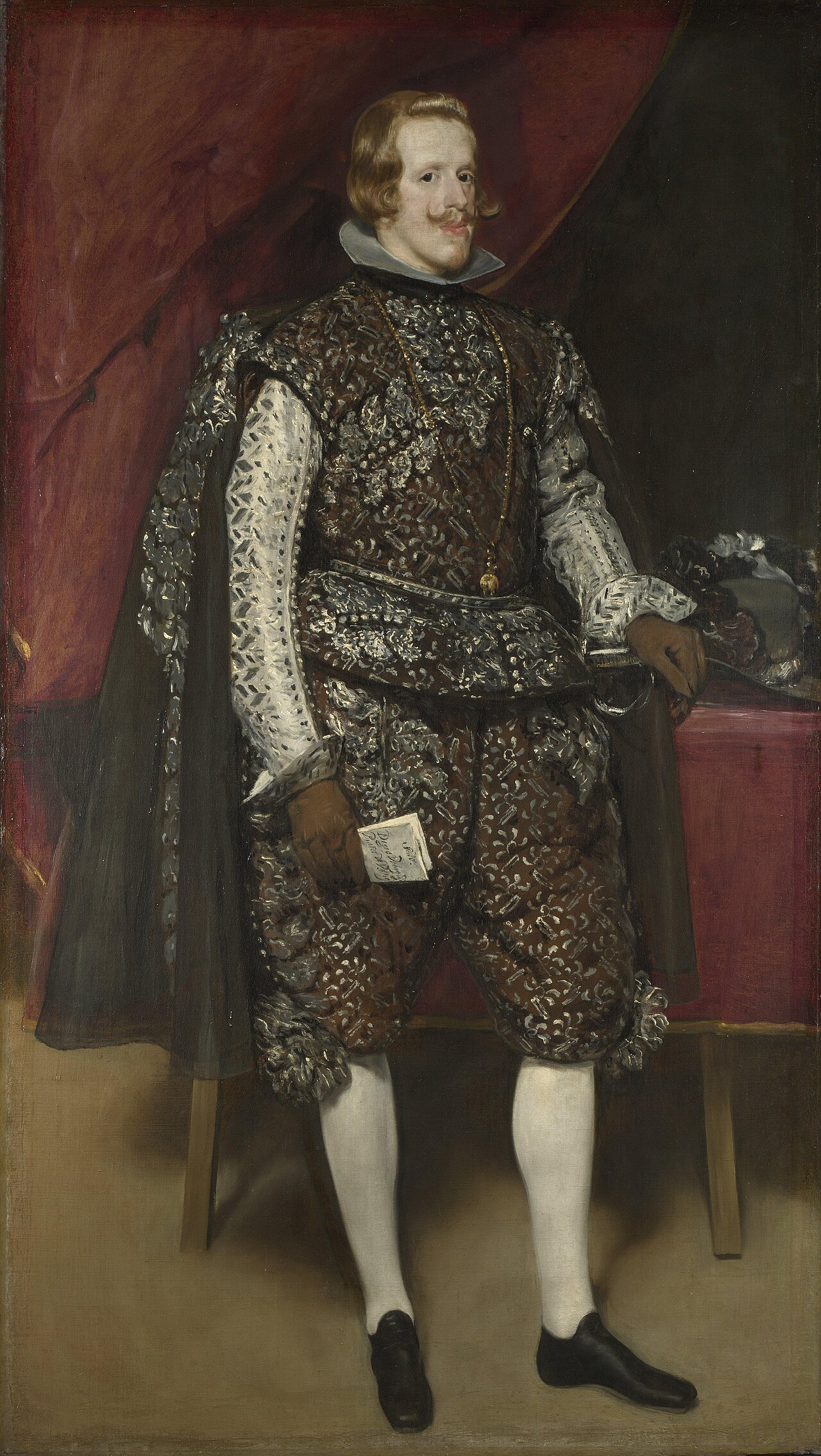
Philip IV in Brown and Silver
Diego Velázquez · c. 1631–1635
Free account
Read every Philip IV of Spain source
Sign up free →
Ready when you are
Start chatting with Philip IV of Spain now.
20 messages free · No credit card · Available in 50+ languages.