


Primary sourcePainting1625
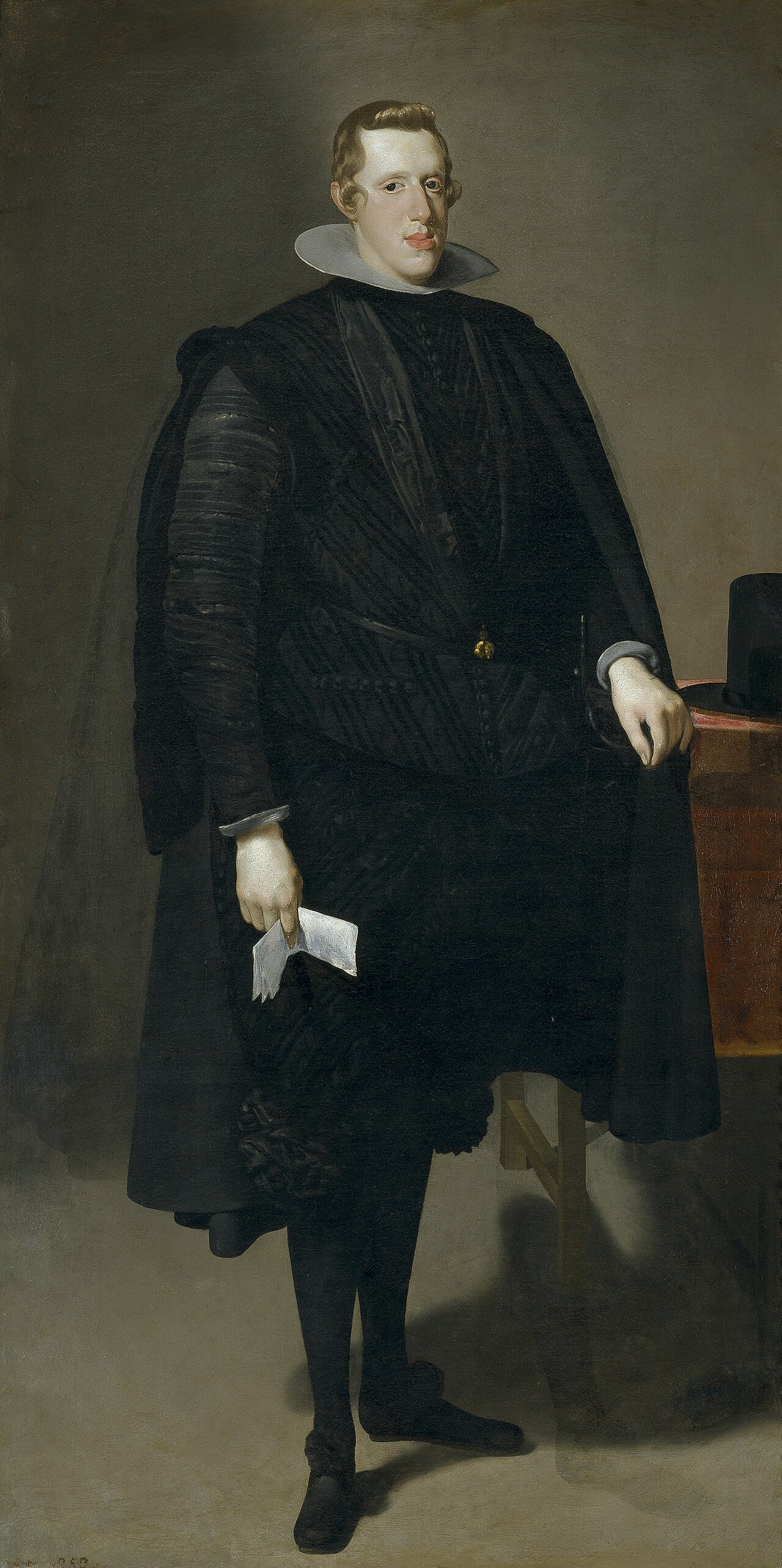
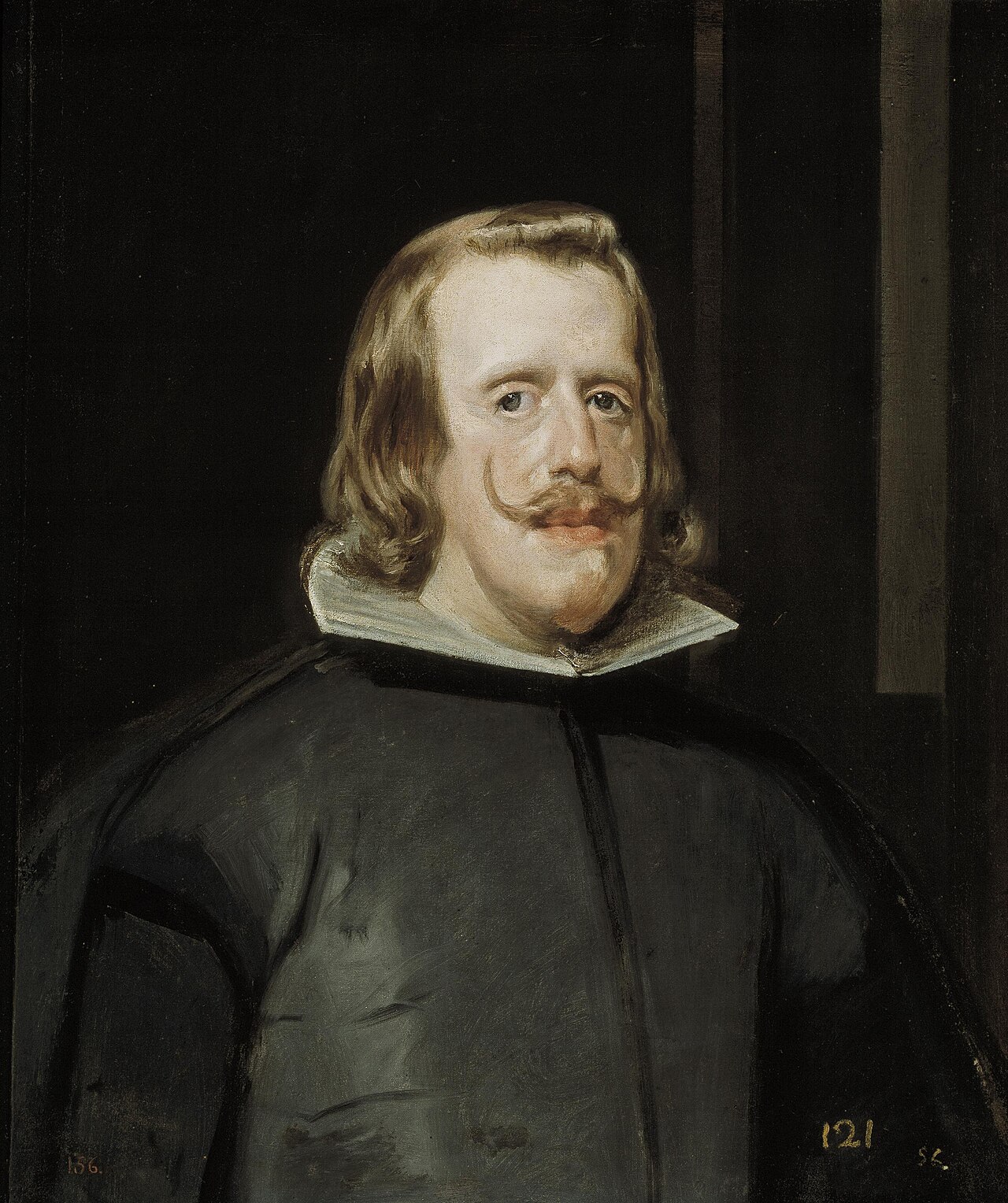
Philip IV in black suit
Diego Velázquez · 1625
An early full-length portrait by Velázquez showing the young King Philip IV in the sober black dress of his sumptuary reforms.
This early portrait shows Philip IV as a young king, dressed in the sober black required by his own sumptuary reforms.
About this source
What it is
This full-length portrait by Diego Velázquez, painted in 1625, shows the young King Philip IV dressed entirely in black with a white lace collar, holding a folded paper. It is held at the Museo del Prado in Madrid.
Why it matters
The plain black clothing reflects sumptuary laws Philip IV promoted to limit extravagant dress at court. This early portrait established the restrained, dignified style that Velázquez would use in many later portraits of the king, shaping how Philip IV was visually represented throughout his reign.
Look closer
- Why might a king choose to be shown in plain black rather than rich, colourful fabrics?
- What might the folded paper in his hand represent, and why is it included?
- How does this image compare to other portraits of Philip IV in more elaborate dress?
This painting is part of the curated material that grounds the AI version of Philip IV of Spain on Humy.ai — when students ask about related events, the AI can quote it and cite it.
More Philip IV of Spain sources
Browse all 98 →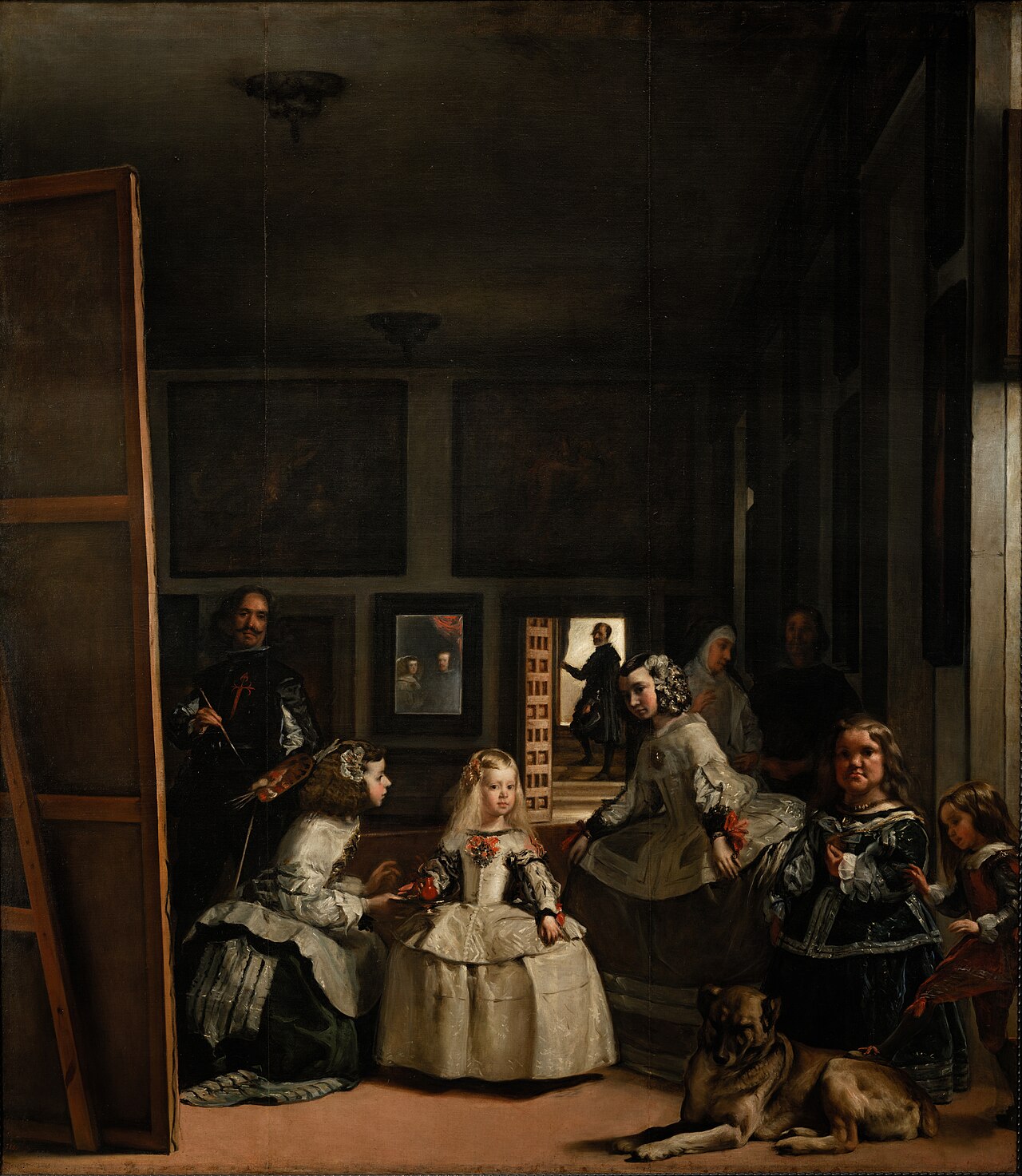 Painting
Primary source
Las Meninas
Diego Velázquez · 1656
 Painting
Primary source
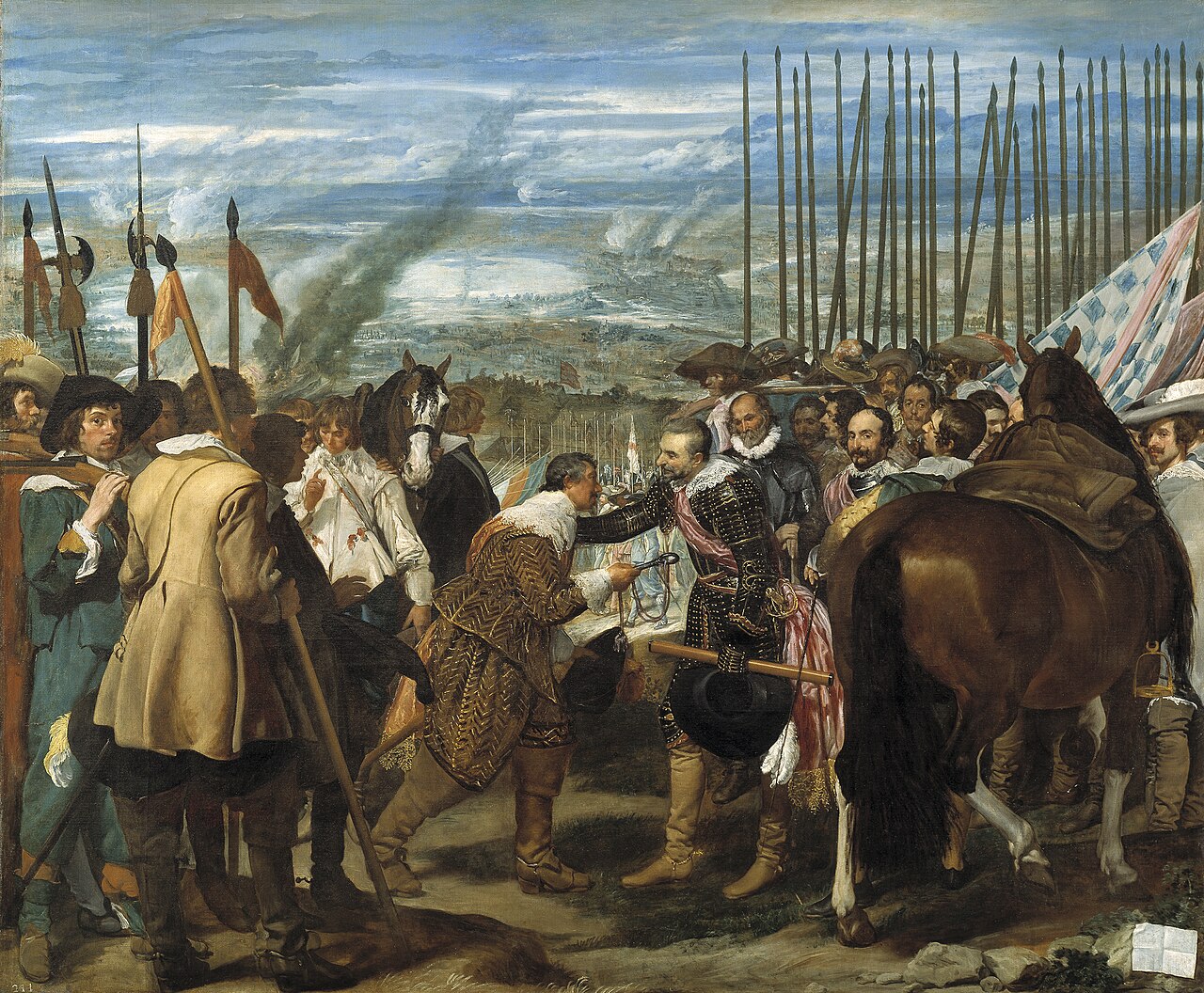
The Surrender of Breda
Diego Velázquez · 1634–1635
 Painting
Primary source
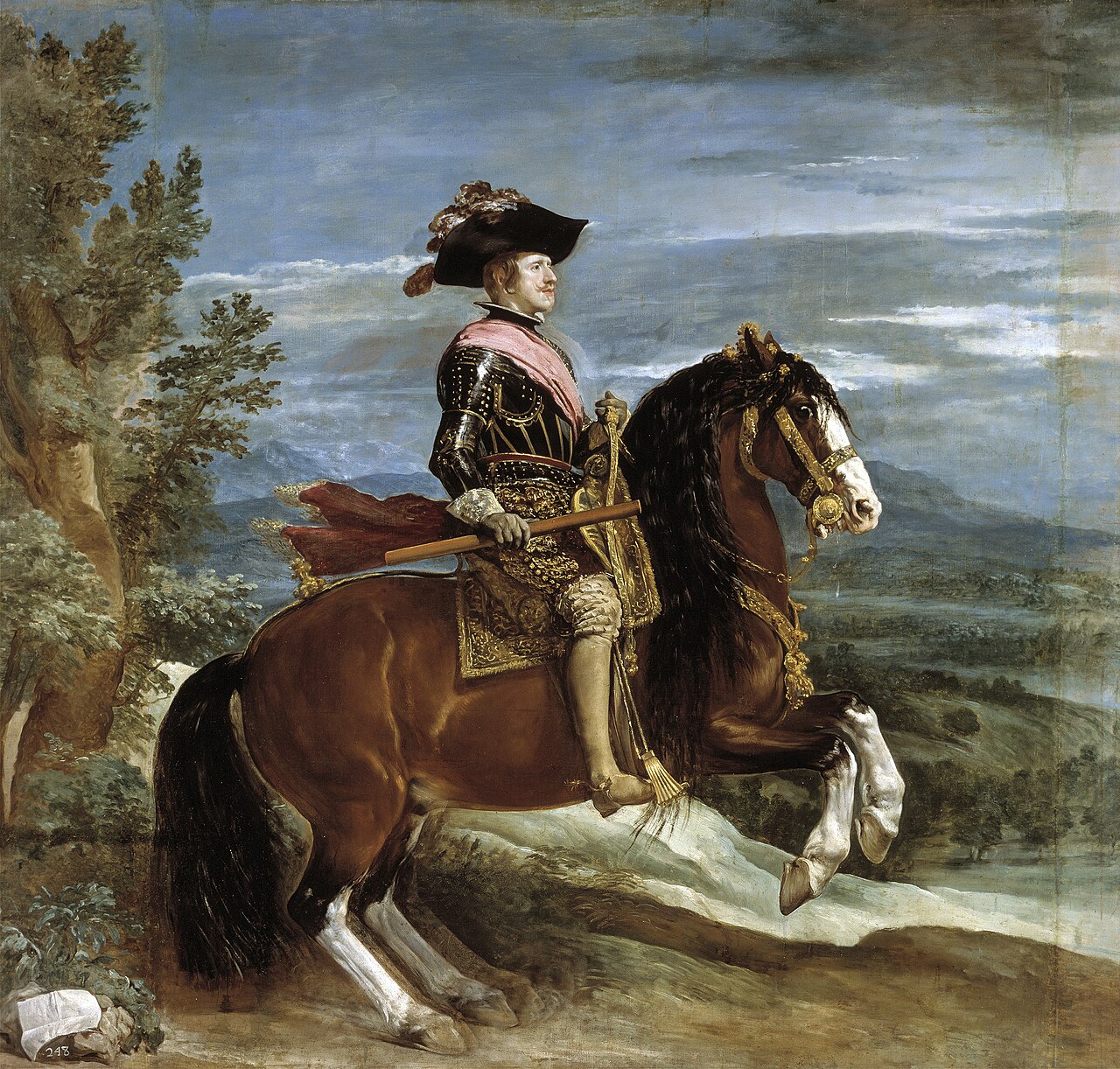
Equestrian Portrait of Philip IV
Diego Velázquez · 1634-1636
 Painting
Primary source
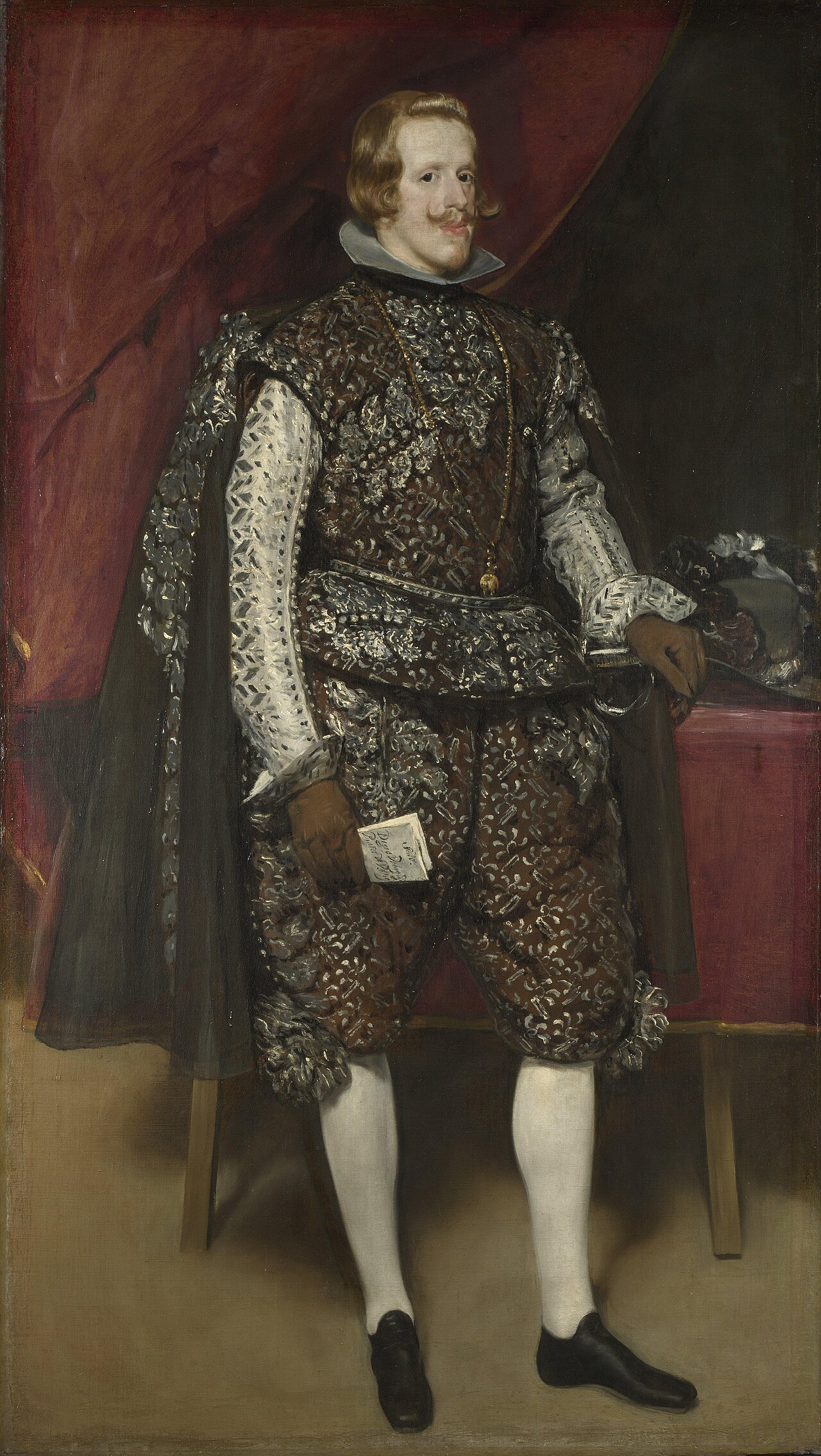
Philip IV in Brown and Silver
Diego Velázquez · c. 1631–1635
Free account
Read every Philip IV of Spain source
Sign up free →
Ready when you are
Start chatting with Philip IV of Spain now.
20 messages free · No credit card · Available in 50+ languages.