


Primary sourcePainting1629
Philip IV of Spain
Peter Paul Rubens · 1629
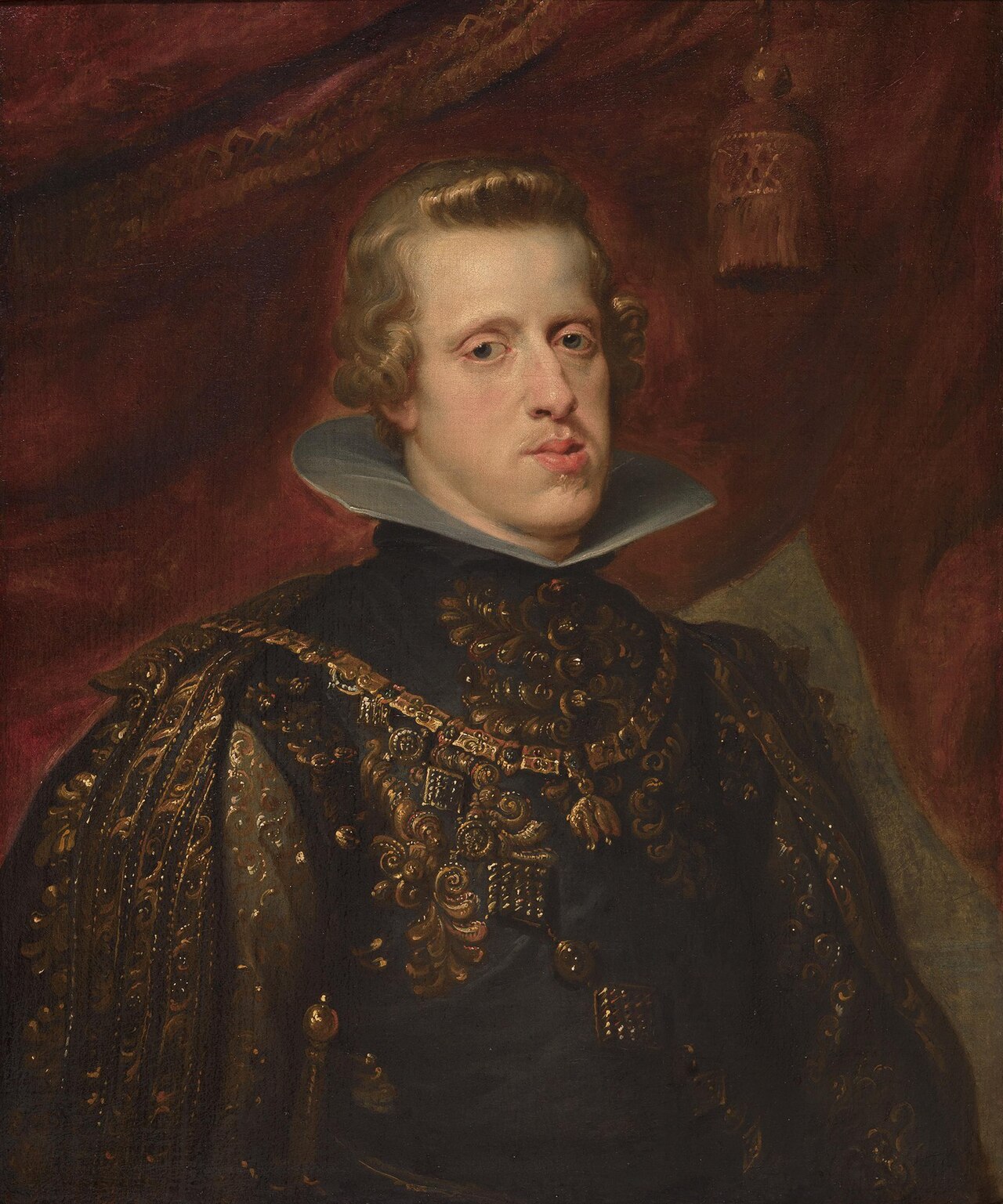
A portrait of the young King Philip IV painted by Peter Paul Rubens during his 1628–29 diplomatic mission to Madrid.
This portrait shows Philip IV as painted by Rubens during his diplomatic mission to the Spanish court.
About this source
What it is
An oil portrait of King Philip IV of Spain, painted in 1629 by the Flemish painter Peter Paul Rubens. It is now held at the Carnegie Museum of Art. The painting shows the young king with light wavy hair, a white ruff collar, and a dark garment richly decorated with gold embroidery.
Why it matters
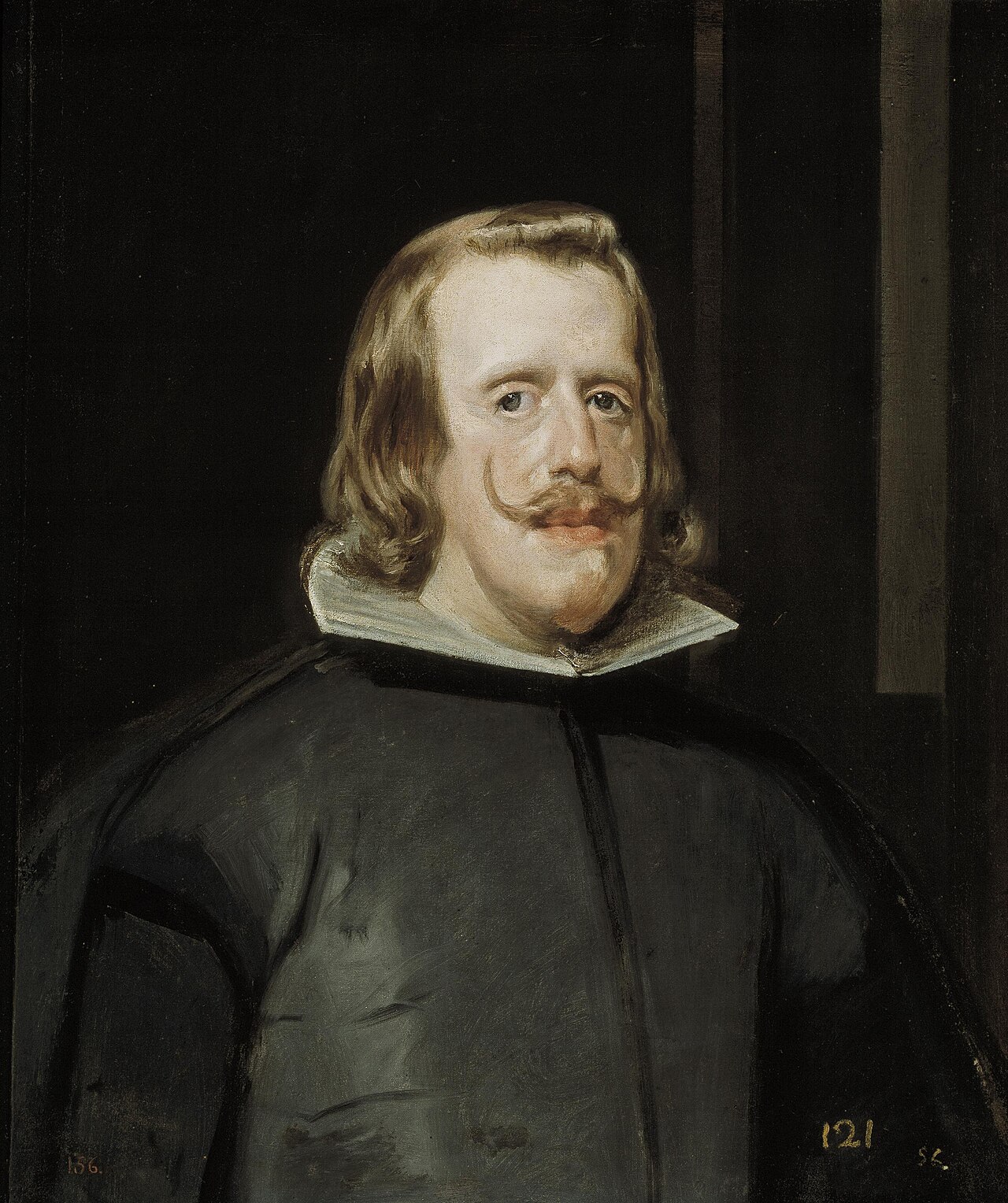
Rubens was not only a celebrated painter but also worked as a diplomat, and this portrait was made while he was on a diplomatic mission to the Spanish court. Comparing Rubens's image of Philip with the more restrained portraits later made by the court painter Diego Velázquez shows how different artists, working in different roles, chose to present the same king.
Look closer
- How does this portrait make the young king look? What details create that impression?
- Why might a foreign painter-diplomat's portrait of a king differ from one made by the king's own court painter?
- What is left out of a formal portrait like this that you might want to know about the person?
This painting is part of the curated material that grounds the AI version of Philip IV of Spain on Humy.ai — when students ask about related events, the AI can quote it and cite it.
More Philip IV of Spain sources
Browse all 98 →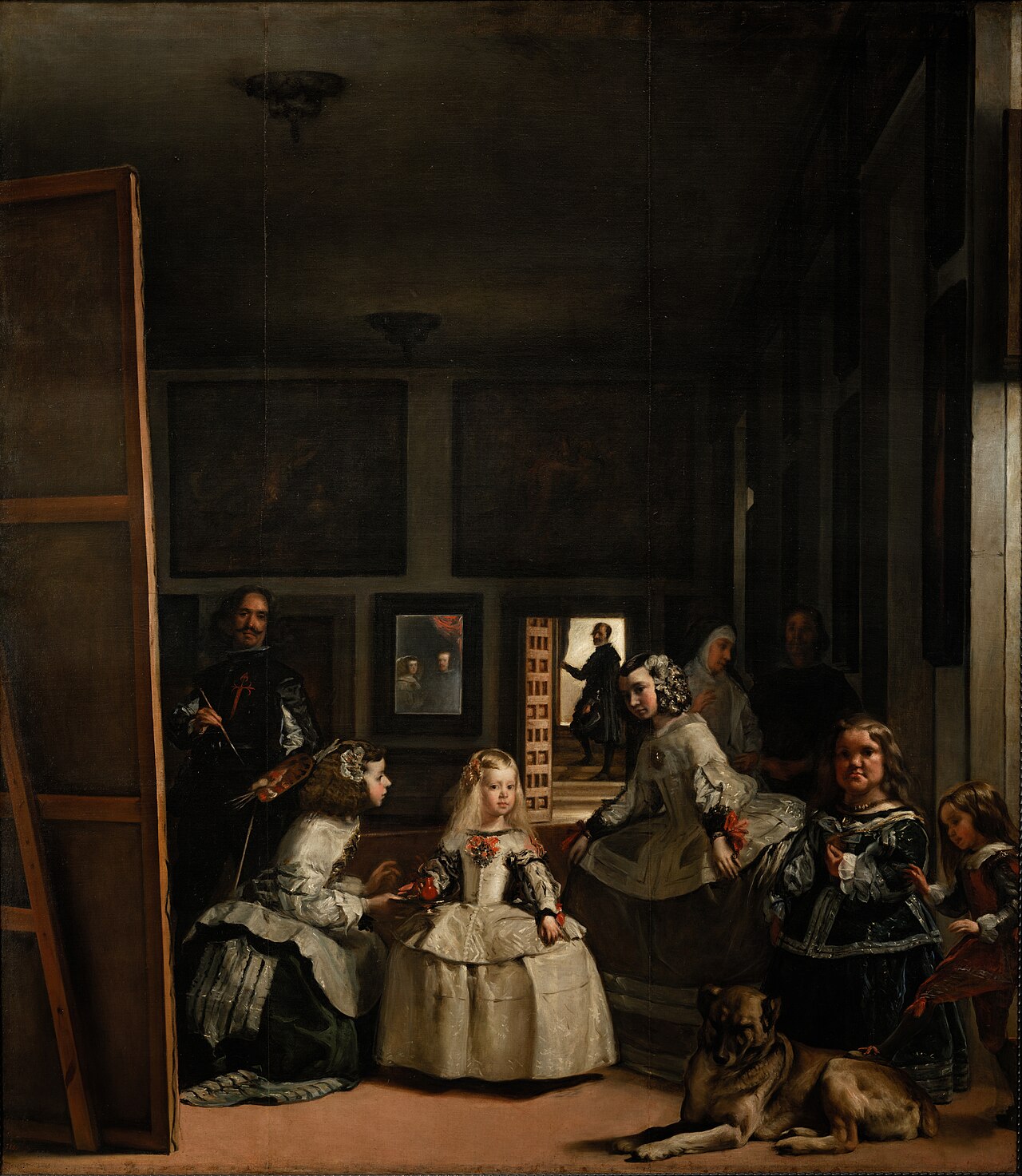 Painting
Primary source
Las Meninas
Diego Velázquez · 1656
 Painting
Primary source
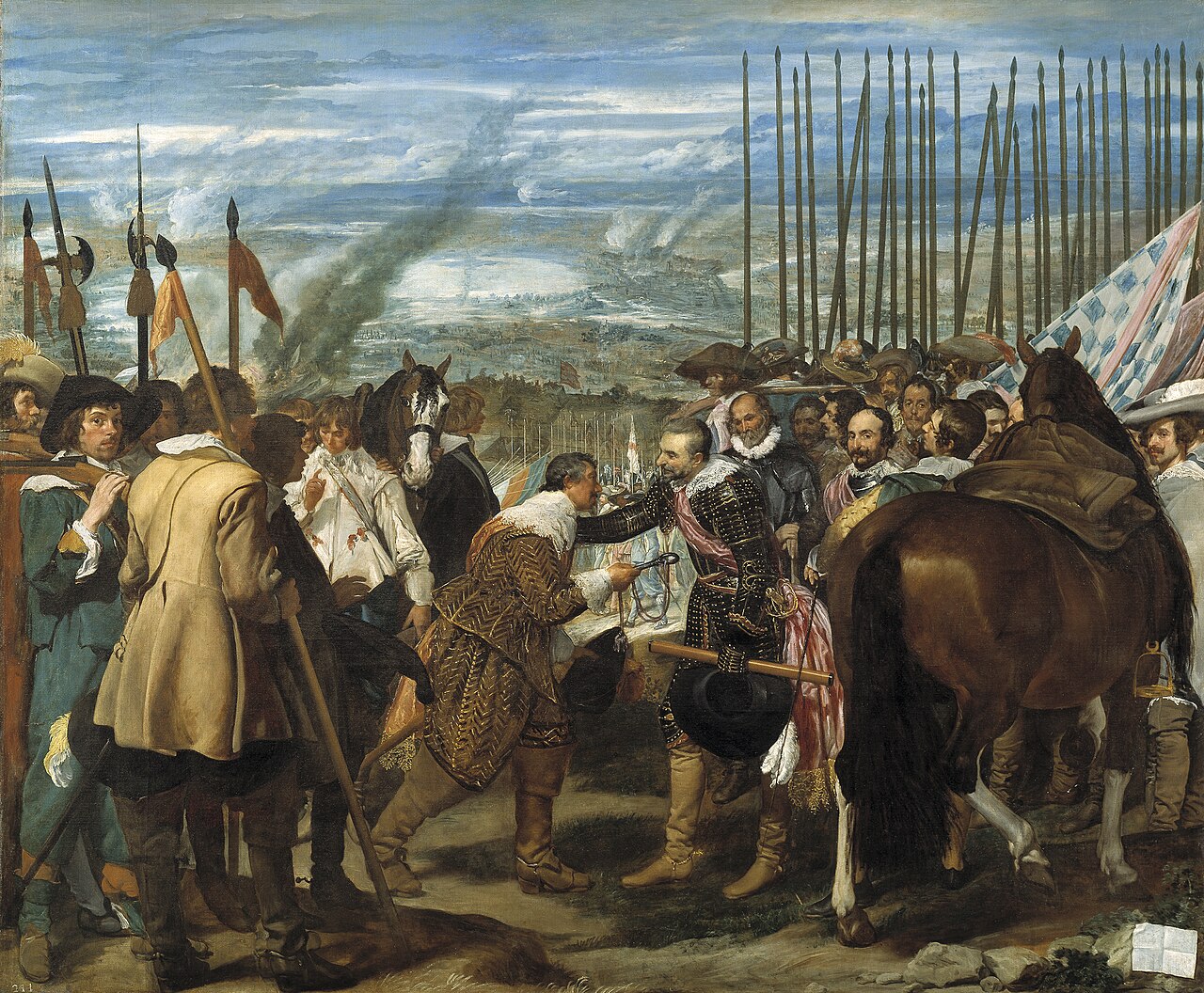
The Surrender of Breda
Diego Velázquez · 1634–1635
 Painting
Primary source
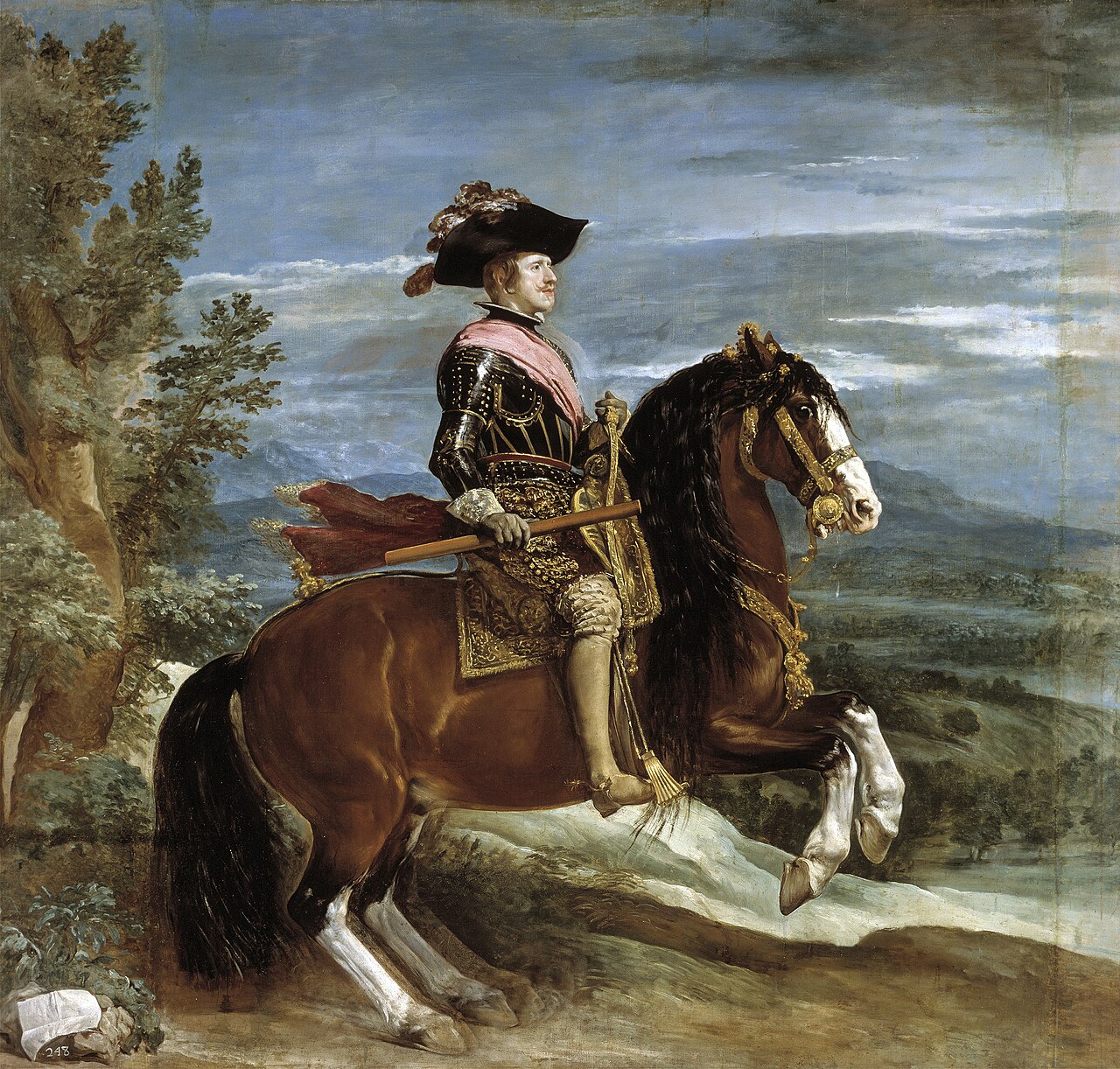
Equestrian Portrait of Philip IV
Diego Velázquez · 1634-1636
 Painting
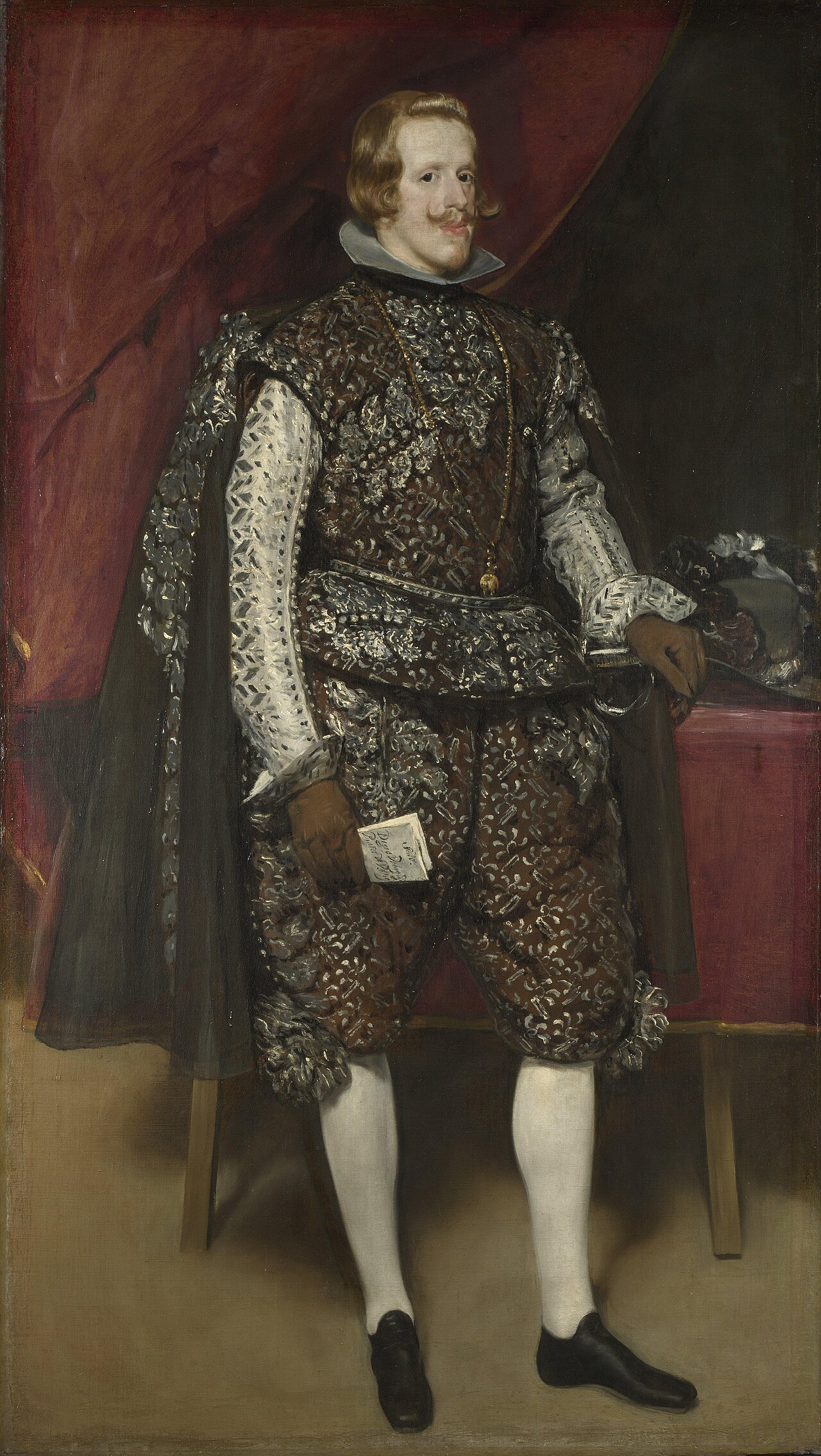
Primary source
Philip IV in Brown and Silver
Diego Velázquez · c. 1631–1635
Free account
Read every Philip IV of Spain source
Sign up free →
Ready when you are
Start chatting with Philip IV of Spain now.
20 messages free · No credit card · Available in 50+ languages.